
A commercial steel furniture purchase involves more than selecting attractive cabinet photographs. An importer must align the assortment with local demand, compare specifications, plan verification and understand the costs between the supplier's quotation and the customer's receiving point. This article provides a buying framework for distributors and project purchasers. It does not assign unverified performance, compliance or delivery claims to any LEADTOP candidate model. Use it to build a clear purchasing brief and identify the evidence needed before an order becomes a commercial commitment.
Define the assortment and its customer
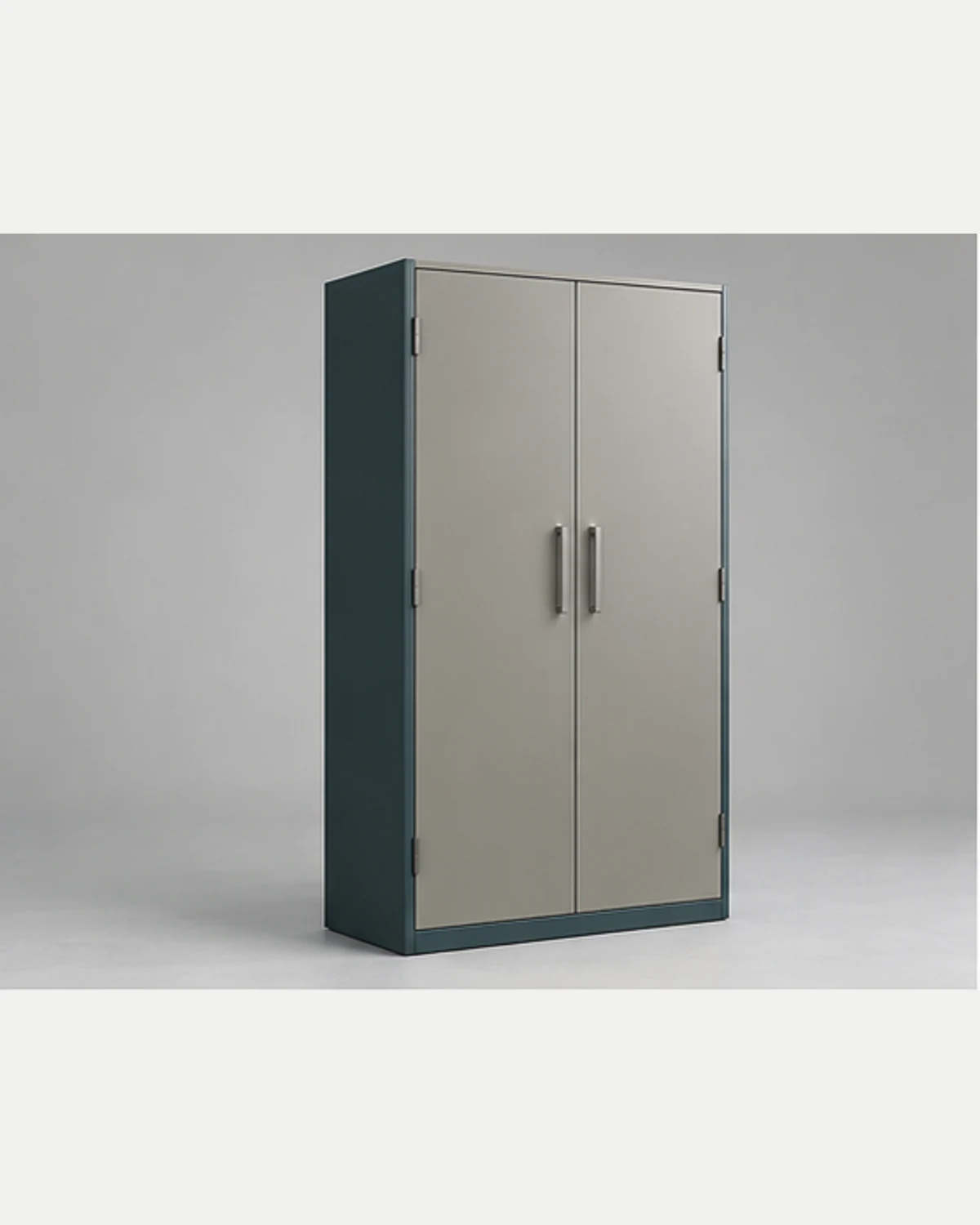
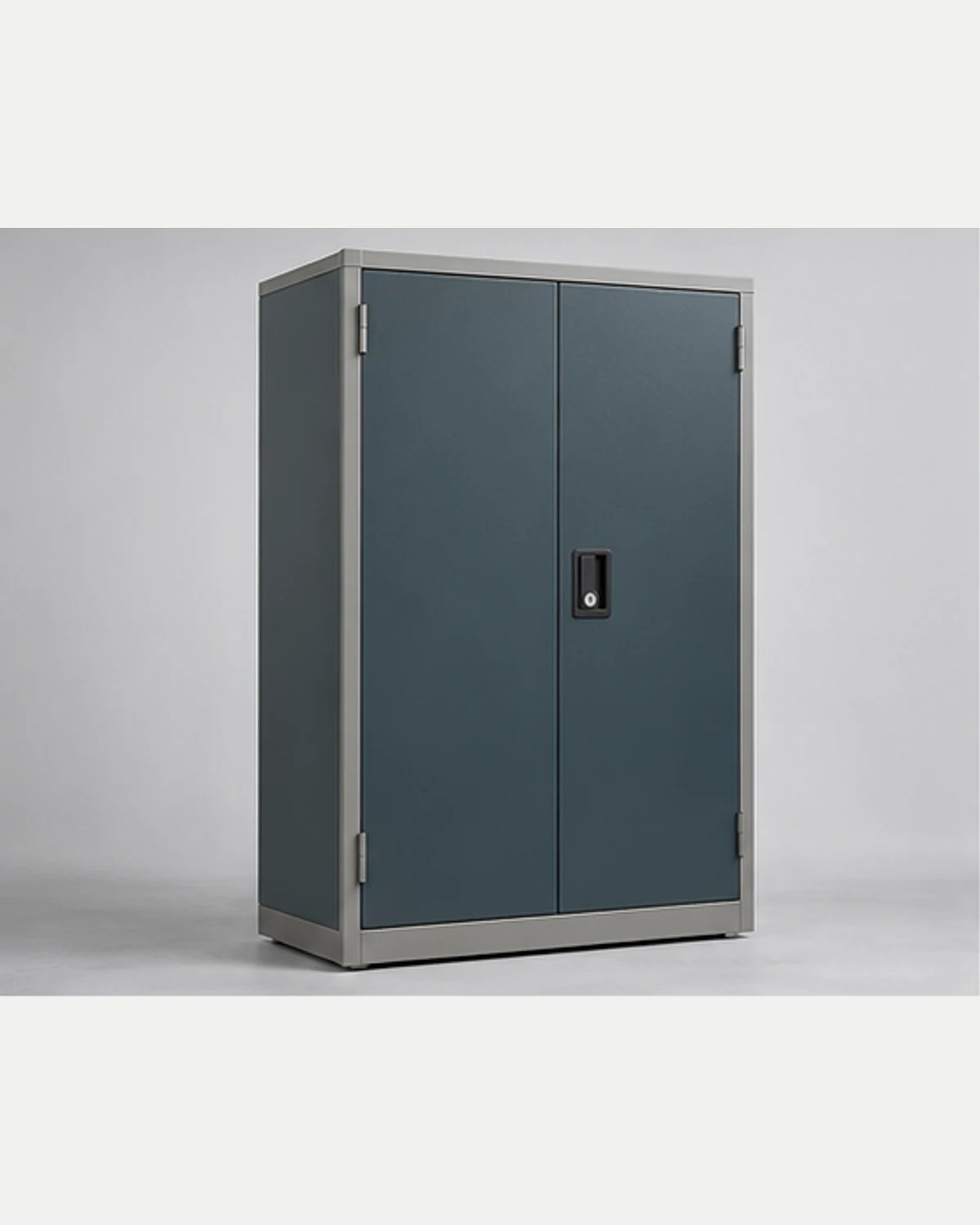
Start with the channel you intend to serve. A stockholding wholesaler may value a coherent range with common finishes and manageable spare parts. A project buyer may prioritize a precise schedule of cabinets, lockers and workbenches for one installation. Record the customer type, expected use, quantity by model and likely reorder pattern. Avoid building an opening order from many visually similar products without understanding how each earns a place in the range. Review steel storage cabinets and specialty steel cabinets by function before comparing individual candidates.
Translate the range into a specification schedule
For each line, identify the dimensions, layout, material requirements, finish, lock, accessories and packaging scope. Separate mandatory items from preferences that can be discussed. If a drawing or sample is the reference, give it an identifier and revision date. Clarify whether measurements refer to overall, usable internal or packed dimensions. For configurable products, list the chosen options rather than assuming the photograph shows the quoted version. An organized schedule reduces the risk that two offers appear comparable even though one omits shelves, rails, locks or labeling that the other includes.
Check the supply model and responsibilities
Ask which activities are coordinated by the seller and how manufacturing, inspection and shipment decisions are documented. LEADTOP's integrated manufacturing and export approach includes product development, manufacturing coordination, quality requirements, order management and export coordination. This description does not establish ownership of a particular facility or a specific equipment inventory. For your order, clarify the production arrangement, communication contact, change approval process and documentation responsibilities. Request relevant evidence for the selected product and manufacturing route rather than treating a general factory image as verification of the entire supply chain.
Build a sample and evidence plan
Decide what must be checked before bulk approval. A sample can help assess appearance, operation, packaging and assembly, but it is not a substitute for a model-specific test where a formal requirement applies. Identify who approves the sample, what acceptance criteria apply and how approved references will be retained. Request supporting reports only for the requirements your market or project actually needs. Check that a report identifies the relevant product and scope. Avoid accepting an unrelated certificate as proof that every model in a catalog meets the same requirement.
Calculate the commercial scope carefully
Compare product cost, packaging, labeling, inspection, freight responsibilities and destination costs as separate items. Use a named place and an agreed Incoterms rule and edition in the commercial documents. Incoterms allocate important buyer and seller responsibilities; they do not replace the rest of the sales contract. The U.S. International Trade Administration's introduction links to further reading. Confirm import classification, duties and market requirements with the appropriate qualified advisers for your destination. Do not estimate landed cost solely from an attractive unit price or an unverified container loading claim.
Plan packaging for the actual route
Furniture may pass through several handling stages before reaching the final customer. Discuss corner protection, finish protection, carton construction, pallet requirements and identification marks against that route. If the product is supplied for assembly, confirm hardware packs, instructions and replacement-part handling. If it ships assembled, check how doors and drawers are restrained without harming the finish. Request packed dimensions and weights once the packaging plan is defined. Ask how mixed models will be identified at receiving. The packaging guide can help structure these questions without assuming one package suits every product.
Prepare for after-sales work before ordering
Think about the practical issues a distributor will face after delivery: missing hardware, lock replacements, assembly questions and claims evidence. Agree what information is needed to identify a product batch and how a concern should be reported. Keep the approved specification, order documents, package labels and receiving records connected. Discuss spare parts and instructions before the first shipment rather than after a customer's installation is delayed. Do not promise your own customers a warranty or replacement time that has not been agreed with the relevant parties. Clear responsibilities support a more credible service offer than broad assurances.
Use a staged purchasing decision
Information to include in your buying brief
A useful sequence is assortment review, specification clarification, evidence review, sample decision, quotation comparison and final order confirmation. At each stage, keep a short list of unresolved points and assign an owner. Confirm the production and delivery schedule only after the configuration, quantity, approvals and shipping arrangement are settled. For commercial projects, include installation milestones and receiving constraints in the brief. Send LEADTOP your product schedule, target market, quantities and destination through the RFQ form. This allows the discussion to focus on a verifiable supply plan rather than a collection of disconnected product pictures.