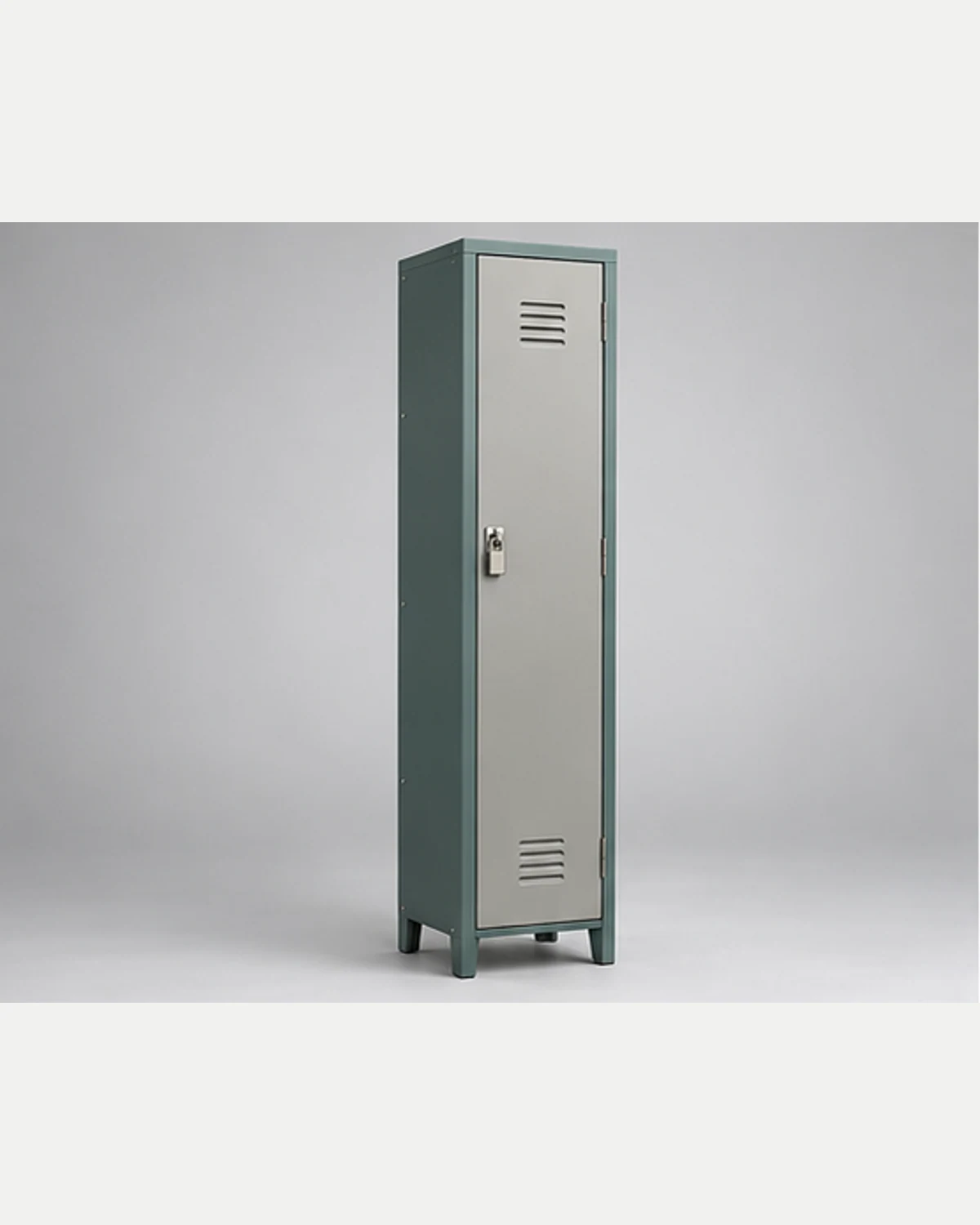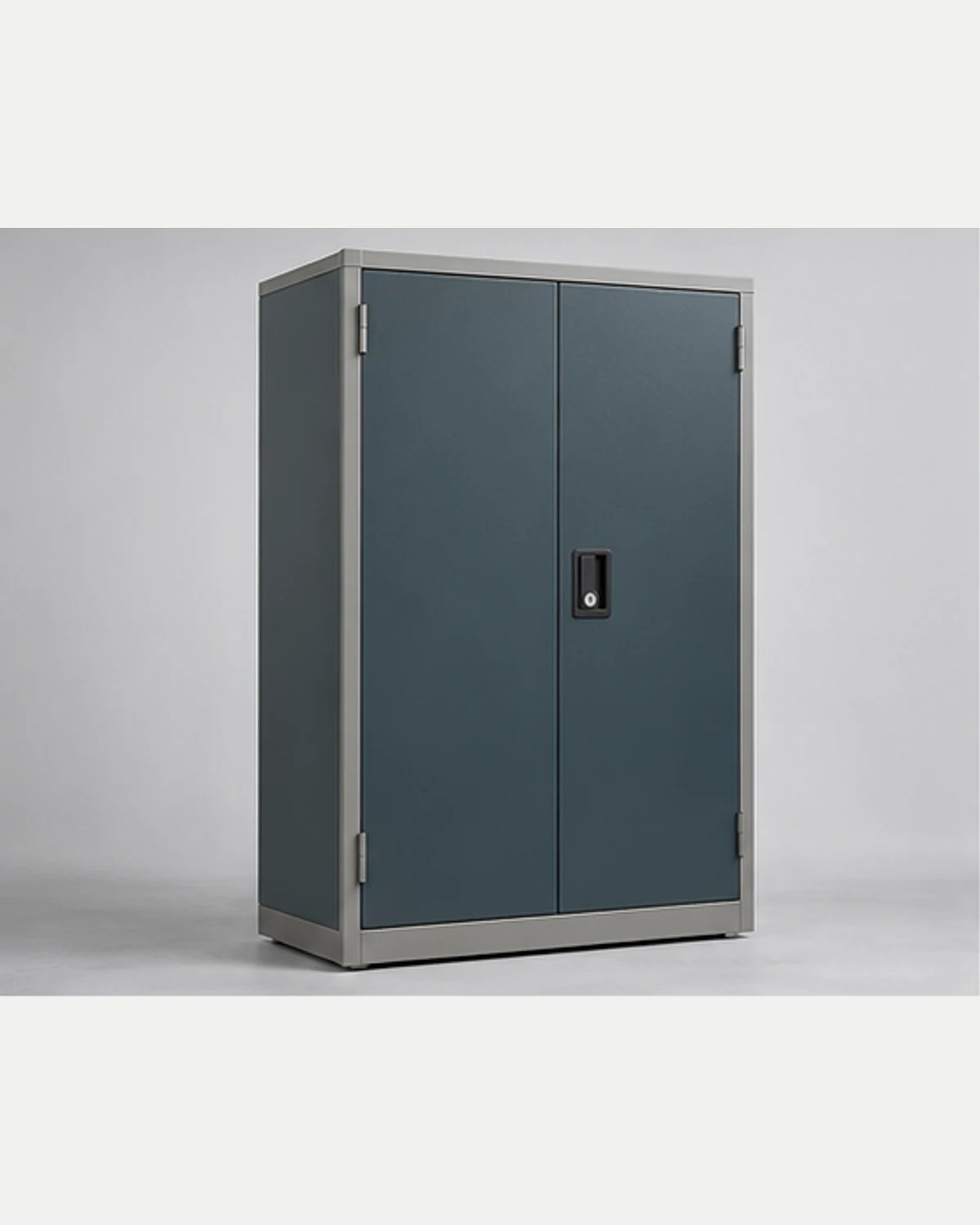

Powder coating is often discussed as if a color code fully defines the finish. For commercial steel furniture, a useful specification goes further: it considers the environment, preparation, coating system, appearance reference and evidence needed for acceptance. This guide explains the questions a buyer should raise before approving a finish. It does not assign a coating thickness, corrosion rating, chemical resistance or test result to any LEADTOP candidate product. Those are model- and system-specific matters that require confirmation rather than assumptions based on a cabinet image.
Describe the service environment first
Explain where the furniture will be used and how it will be cleaned. An indoor office, a humid utility area and an industrial workplace may have different exposure conditions. Identify contact with cleaning agents, repeated handling or other relevant conditions without assuming that a generic powder finish is suitable for every environment. For a specialized project, ask the responsible technical team to define the required evidence. A coating selected for appearance alone may not answer the service question. The buyer's brief should therefore describe the use and maintenance regime before it asks for a particular finish name.
Understand the connected process
Surface preparation, powder application and curing work together. The suitability of a finish depends on the actual substrate, preparation and coating system, as well as the application process. Coating manufacturers publish technical instructions for specific products; these should not be converted into a blanket LEADTOP performance claim. For example, AkzoNobel's product-specific technical sheet separates preparation, application and cure information. It is a reference for that coating, not evidence that it is used on a proposed cabinet. Ask which system is proposed and how its use will be confirmed.
Approve appearance with a physical reference
A screen image can shift color with lighting, display settings and photography. Agree a color reference, texture and gloss expectation, then use an approved sample where visual consistency matters. Record the sample identifier and date. For a coordinated range, check cabinet doors, drawers, locker fronts and accessories together rather than approving each from unrelated photographs. Clarify which surfaces are visible in normal use and how variation will be reviewed. A RAL reference can help communicate color, but it does not by itself settle texture, gloss, batch appearance or the acceptance of every visible surface.
Define the viewing conditions
Agree how samples and finished products will be compared, including lighting and the surfaces to inspect. The purpose is a repeatable approval method, not an unsupported promise of perfect visual identity under every condition.
Turn quality language into inspection points
Specify the appearance issues that matter to the project, such as coverage, visible runs or inclusions, damage, exposed edges and consistency across adjacent panels. If coating thickness, adhesion or resistance testing is required, identify the test method, acceptance criteria and relevant product scope with a qualified party. Do not request a generic certificate without knowing what it establishes. A test on one substrate or finish may not cover another configuration. Keep the inspection plan connected to the approved sample and order documents so a disagreement can be assessed against a reference rather than subjective descriptions.
Consider the furniture's working details
Coating choices interact with hinges, locks, drawer slides and panel interfaces. Review whether the assembled product operates smoothly and whether surfaces rub during opening, closing or adjustment. Check handles and contact points during sample review. For metal lockers, discuss doors, ventilation details and cleaning access. For specialty cabinets, describe the actual contents and environment. Do not infer suitability for chemicals, fire exposure or regulated storage from a coated steel exterior. Such uses need a separate, specific technical assessment and evidence for the complete product, not just its finish.
Protect the finish during shipment
A well-approved finish can still be damaged by inadequate packing or movement in transit. Discuss protection between components, restraint of doors and drawers, corner protection and the handling route. The selected protective materials should be reviewed for compatibility with the finish and the expected storage conditions. Avoid assuming that more wrapping is always better if it creates rubbing or traps moisture. Inspect how protection is removed during sample unpacking. For products assembled at destination, make sure instructions address handling finished panels and keeping abrasive debris away from surfaces during installation.
Plan cleaning and after-sales communication
Ask for care instructions suited to the confirmed coating system. Pass those instructions to distributors, installers and end users so cleaning practices are not improvised. Agree how damage or finish concerns should be documented, including product identification, photographs and relevant storage or handling information. If touch-up or replacement parts may be needed, discuss feasibility and appearance expectations before promising a remedy to a customer. Do not turn a general maintenance recommendation into a warranty term. Commercial commitments should be agreed separately and reflected in the relevant order or service documents.
Write a finish brief that can be checked
Include the application, environment, substrate requirements if known, color reference, texture, appearance sample, cleaning regime and any required tests. Mark unconfirmed fields clearly. For healthcare settings, describe cleaning and storage needs without claiming medical certification or antimicrobial performance. Review the materials and finishes resource and contact LEADTOP with the intended product and quantity. The goal is to coordinate an appropriate finish discussion and an evidence plan, rather than to select a color online and assume that every other aspect of performance has been established.