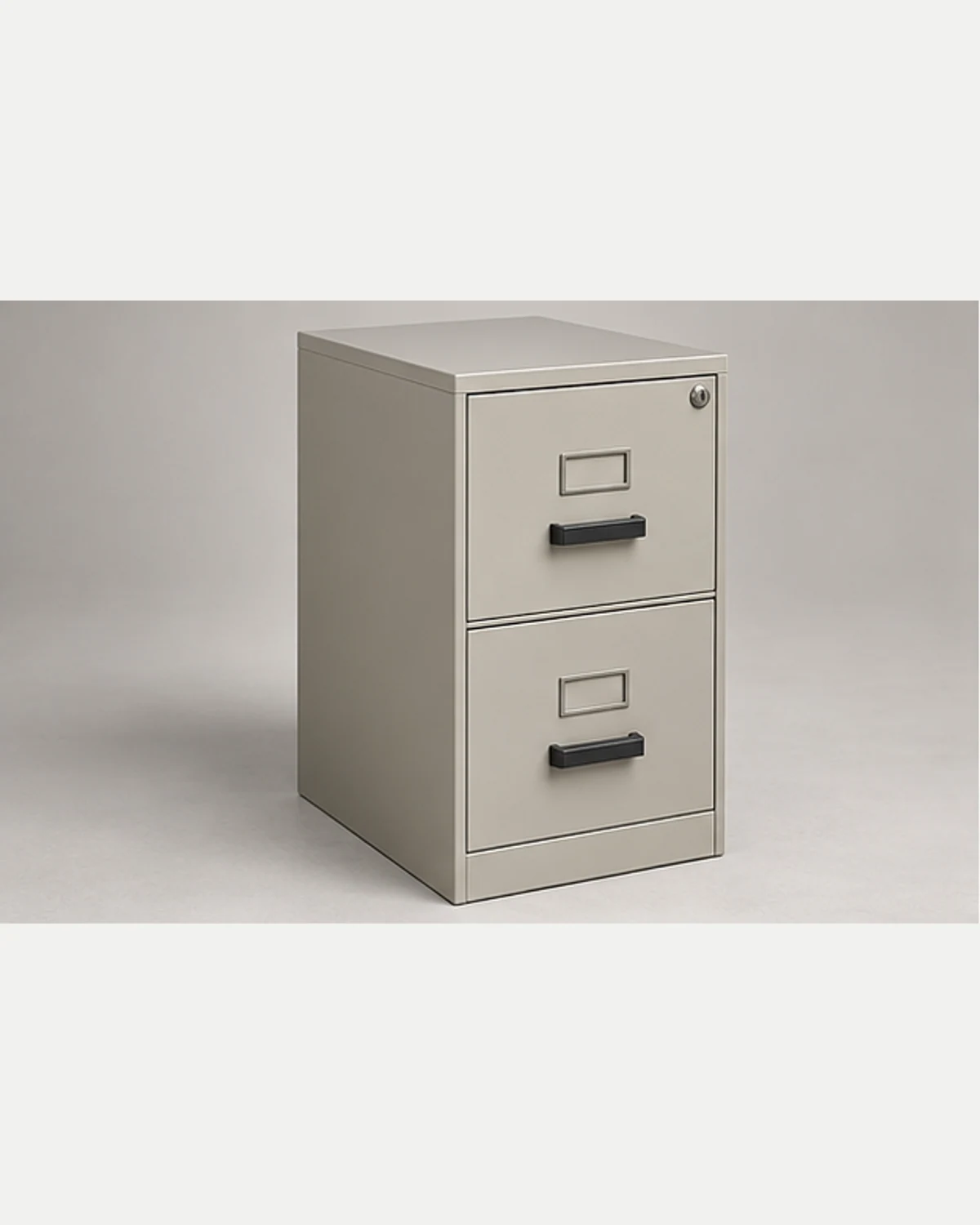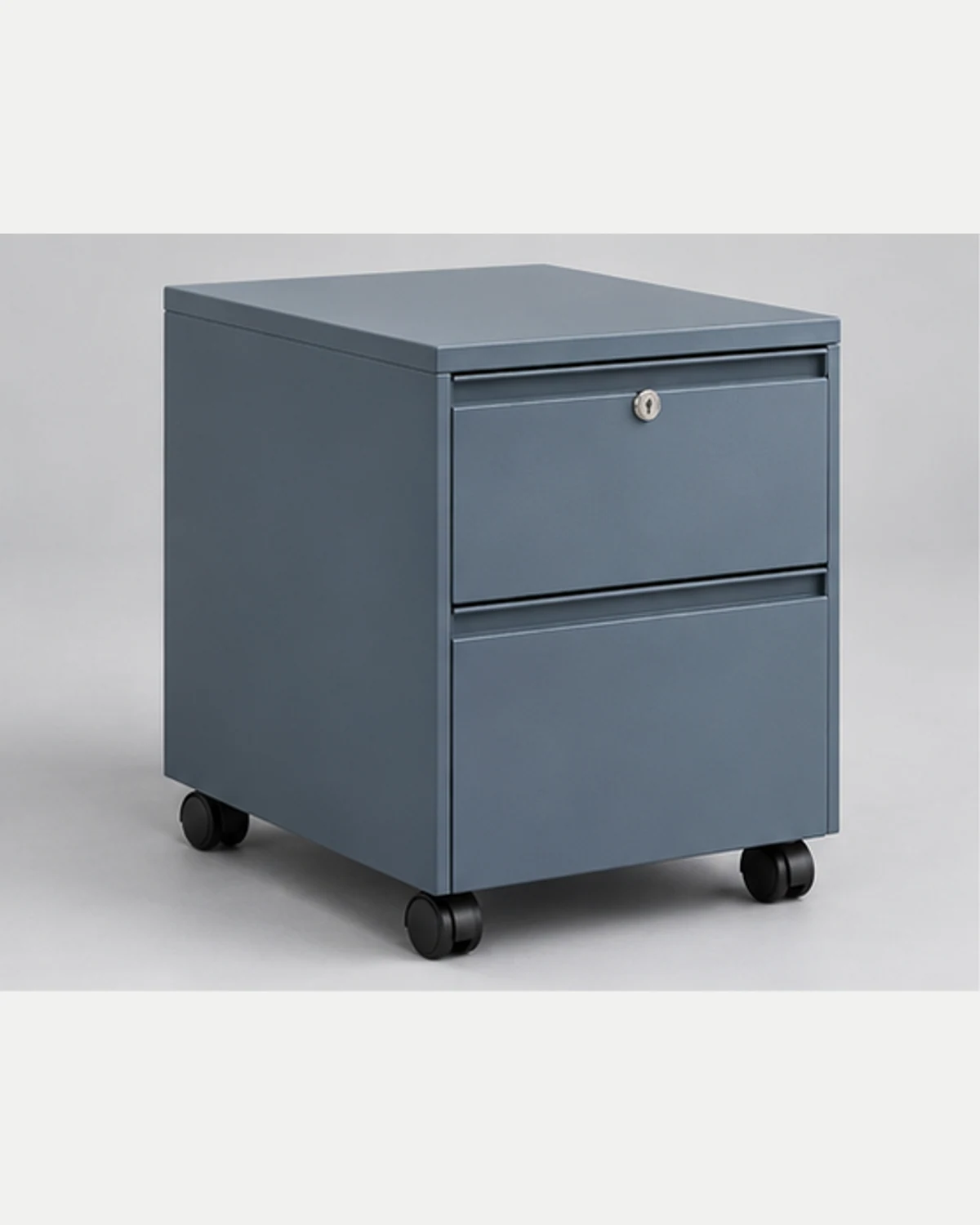

Choosing a steel filing cabinet starts with the documents and the people who use them. A cabinet that looks suitable in a photograph may still have the wrong filing arrangement, inconvenient drawer access or an unsuitable locking system. For importers and project buyers, the useful question is not simply which cabinet looks strongest. It is which configuration can be specified, checked and supplied consistently for the intended workplace. This guide sets out a practical selection method without treating any candidate product photograph as proof of its dimensions, construction or performance.
Start with the filing system
Record the document formats, folders and accessories already in use. Hanging folders, flat files, binders and loose archives need different internal arrangements. A drawer that accepts one hanging file format may need rails or a different orientation for another. Ask for a usable internal drawing and a photograph of the proposed filing arrangement rather than relying on the external dimensions alone. Include an example folder in the sample review when compatibility is important. Also distinguish active records, which staff access throughout the day, from archived documents that can be stored in a separate area.
Measure usable space, not just the outer cabinet
List the clearance required by folders, tabs and handles. Identify whether the drawer needs to extend sufficiently for access to the rear files. These are questions for the selected model; do not infer them from the number of drawers shown on a product card.
Compare vertical and lateral layouts
Vertical filing cabinets can suit narrow wall sections, while lateral arrangements may support wider filing runs. The better choice depends on the room, the filing direction and the access aisle. Draw the cabinet footprint with a drawer open and leave space for a person to stand and retrieve records. Check doorways, lifts, corridors and the installation route as well as the final location. In a shared office, avoid placing a frequently opened drawer in a circulation route. Compare options in the filing cabinets category before selecting individual candidate models.
Review stability and safe everyday operation
Ask how the selected cabinet addresses stability, drawer travel and installation requirements. If an interlock or anti-tilt arrangement is required, describe the expected function and request evidence for that specific configuration. Do not assume every cabinet includes the same mechanism. Request operating instructions, any fixing requirements and the conditions attached to a stated drawer load. A photograph cannot establish safe working load or compliance with a purchasing standard. For a project with formal safety requirements, identify the applicable standard with your procurement team and agree what model-specific report or assessment will be needed before approval.
Specify locks around the access policy
A central lock, individual drawer locks and electronic access options support different workflows. Map who should open the cabinet, who holds spare keys and how replacement keys will be controlled. A distributor may need keyed-alike batches or a master-key arrangement, while a project buyer may need separate access by department. Confirm feasibility and key management before ordering. A lock does not by itself establish a security rating, fire resistance or suitability for regulated records. If the intended documents require a particular protection level, include that requirement explicitly and request suitable supporting evidence.
Define finish and hardware expectations
Color names on a screen are an unreliable approval method. Request a finish reference or physical sample, and record the agreed texture, gloss and appearance expectations. Inspect edges, drawer fronts, handles, label holders and exposed corners during sample review. Where steel thickness or material grade is part of the specification, identify the relevant panel or component and how it will be checked. A single headline thickness may not describe every part. For office projects, compare the cabinet finish with adjacent pedestals and storage units using approved references rather than uncalibrated images.
Decide the delivery and installation format
Ask whether the model ships assembled or requires assembly, and obtain the relevant instructions. The choice affects freight volume, local labor, damage exposure and replacement-part planning. Confirm carton contents, hardware packs, labels and the method for protecting drawer fronts and corners. Request packed dimensions and weights after the configuration is defined. Treat container quantities as a loading calculation based on actual packages, not an automatic consequence of the cabinet's external size. Consider how the end customer will move the product from the delivery point to its final position without damaging floors or finishes.
Compare quotations on an equivalent basis
Prepare a comparison sheet with model reference, filing arrangement, dimensions, material requirements, locks, finish, packaging and the evidence requested. Put exclusions and open questions next to each quotation. A lower price may represent a different rail system, omitted hardware or a different packaging scope. Separate confirmed specifications from options and unresolved points. When reviewing a sample, record observations against the same sheet and retain dated photographs. Agree how any accepted variation will be reflected in the order documents so that a sample approval does not depend on an informal message that production staff cannot trace.
Prepare a clear request for quotation
Send the intended use, document format, quantity by model, target market, preferred delivery arrangement and reference images. Mark requirements as essential, preferred or open to recommendation. Include the destination and any project approval process that affects the order. LEADTOP can use this brief to coordinate product selection, customization discussions and order requirements; actual model specifications remain subject to confirmation. Read the filing cabinet buying guide for a concise checklist, then request a quote. If you only have a product image, explain the filing task alongside it so the discussion starts with function rather than appearance alone.