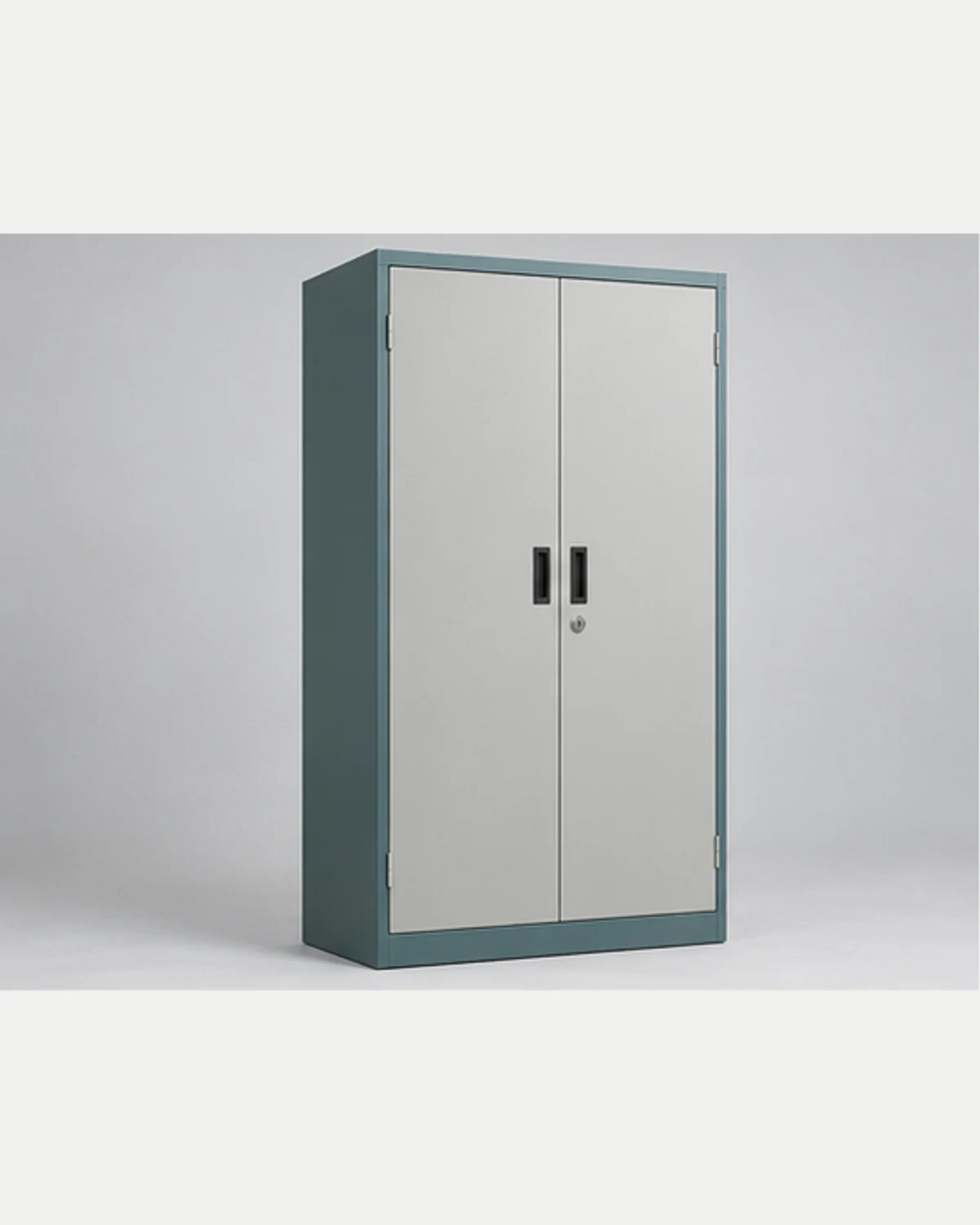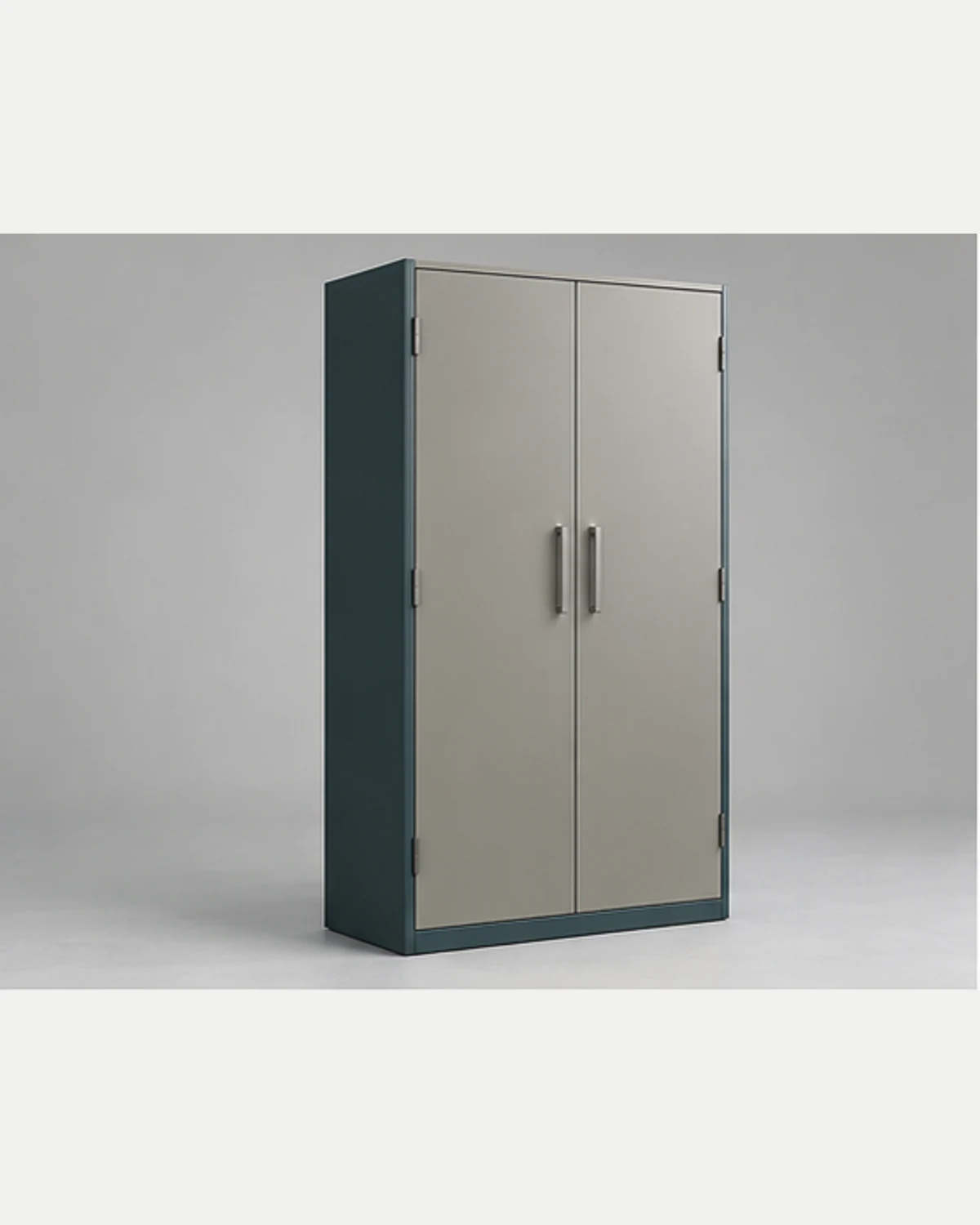

Importing steel office furniture requires a connected record of the product, commercial agreement, evidence, packaging and transport responsibilities. Missing information in one area can undermine a decision made in another: a low unit price may exclude required accessories, or an attractive loading estimate may be based on packaging that has not been finalized. This checklist gives importers a practical sequence for preparing an order. It is general purchasing guidance, not destination-specific customs or legal advice, and it does not verify any candidate product's compliance or delivery schedule.
Identify the products precisely
Create a line-by-line order schedule with model reference, description, quantity and chosen options. Record the drawing revision, finish reference, lock arrangement, accessories and delivery format. Use clear identifiers so a photograph, quotation and purchase order refer to the same configuration. For an archive project, distinguish archive storage systems from general storage cabinets and explain the actual contents and use. Leave unresolved dimensions and performance fields visible. A candidate catalog entry is a starting point for discussion, not proof that every parameter has already been verified for an order.
Check destination and project requirements
Identify the destination country, buyer, importer of record and final application. Ask your customs broker and relevant project advisers which classification, documentation and product requirements apply to the actual goods. Do not borrow another shipment's classification or treat a generic supplier certificate as sufficient for every market. If a test report or declaration is required, check the product scope, issuer and applicability before order approval. Keep the required evidence in the schedule with a responsible reviewer. This makes compliance a documented purchasing decision instead of an assumption that will only be questioned when goods reach the destination.
Define shipping responsibilities
Agree the Incoterms rule, edition and named place together with the rest of the commercial terms. These rules help allocate buyer and seller responsibilities for delivery-related activities and risks, but they do not replace the sales contract or settle every commercial issue. The International Trade Administration's overview is a useful starting reference. Ask your logistics adviser to explain how the chosen arrangement applies to the actual route. Confirm who books transport, handles the relevant formalities and provides documents. Avoid using a three-letter term without a named place or assuming it defines payment, ownership and every destination cost.
Compare the full quotation scope
Check unit prices, quantities, minimum-order conditions, currency, payment terms and what is included. Confirm packaging, labeling, samples, inspection and any development work separately where needed. Ask how long the offer remains valid and which assumptions affect it. Keep optional items distinct from the base configuration. A lower offer may exclude a lock, shelf, hardware pack or packaging feature that your buyer considers essential. Compare equivalent configurations before choosing. If the order includes several models, verify the quantities and options for every line rather than relying on one headline total or a representative product image.
Approve the sample and inspection plan
Decide what a sample must demonstrate and who can approve it. Keep the drawing, finish sample and approved configuration connected to the order. Agree inspection points for dimensions, appearance, function, quantity and packaging as appropriate. If independent inspection or testing is required, define its scope and timing rather than assuming a general quality statement includes it. Record how nonconformities and changes will be handled. A sample approval is strongest when it refers to a documented specification; an informal message saying the product looks good leaves too much uncertainty about the accepted construction and functional details.
Confirm packaging and loading information
Obtain packed dimensions, gross weights, package counts and handling requirements after the packaging design is agreed. Review protection for finished surfaces, corners, doors and drawers. For assembly products, confirm hardware packs and instructions. If solid-wood packaging is used, discuss applicable phytosanitary requirements with the logistics parties; the IPPC ISPM 15 implementation resources explain the international framework. Applicability depends on the actual packaging and destination. Do not claim that every pallet is compliant without evidence, and do not treat the product's external dimensions as a reliable container loading calculation.
Reconcile documents before dispatch
Review the order documents, commercial invoice information, packing details and transport instructions for consistency. Verify names, addresses, quantities, package identifiers and any required references through the agreed channels. Ask the responsible parties which other documents are needed for the destination and transaction. Check changes against the approved order rather than allowing packaging labels or invoice descriptions to drift independently. For commercial projects, align the receiving contact and site constraints with the delivery plan. A technically correct product can still create costly confusion if packages and documents cannot be reconciled at receiving.
Prepare receiving and follow-up records
Keep receiving evidence connected
Plan how the shipment will be counted, inspected and identified on arrival. Retain package labels, photographs and relevant records if damage or shortages are found, following the agreed claims process and applicable transport arrangements. Keep product identification available for installation questions and spare-part requests. Use the bulk purchasing guide to organize the discussion, then request a quote with your product schedule, target market, quantities and destination. LEADTOP can coordinate product, manufacturing, order and export requirements; the final transaction still needs explicit approvals and destination-specific checks by the responsible parties.