
Packaging for steel furniture should be designed around the product, delivery format and handling route. A carton that works for one cabinet may be unsuitable for a drawer unit with projecting handles or a workbench supplied as separate components. For bulk buyers, packaging also affects freight planning, receiving, assembly and claims evidence. This guide explains the decisions worth confirming before shipment. It does not prescribe an unverified carton specification, container quantity or damage-free guarantee, and it does not assume every model can be supplied in the same assembly format.
Establish the actual shipping configuration
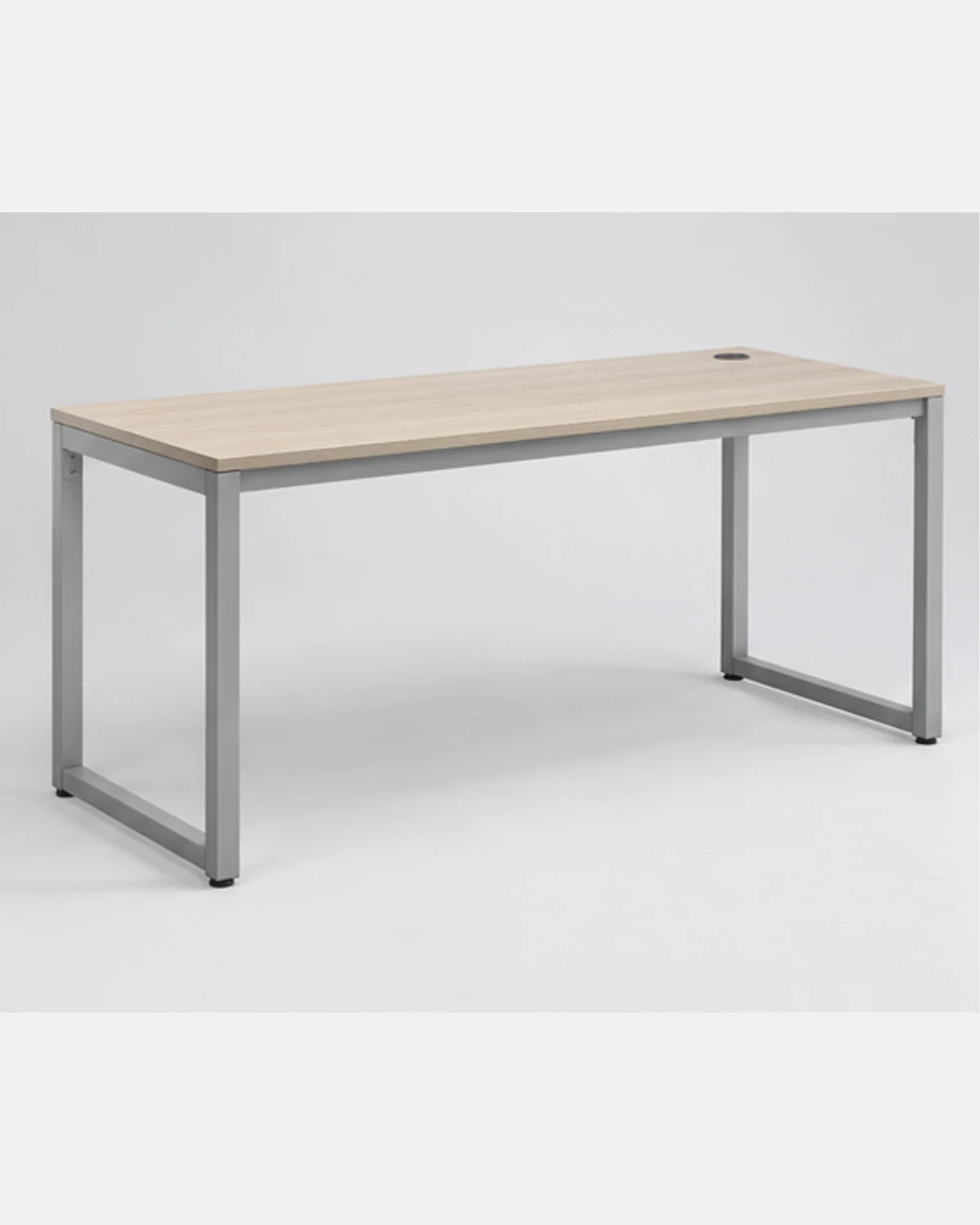
Confirm whether each selected model ships assembled, partly assembled or for assembly at destination. Do not infer the answer from a catalog photograph. The configuration affects package size, hardware control and local labor. A workbench or tool-storage product may have assembly options by model, while other products require a different approach. Ask for the proposed arrangement and instructions before comparing freight costs. For steel desks and workbenches, identify the top, frame, drawers and accessories in the packing plan. Each package should correspond to a clear contents list and an agreed installation process.
Protect the vulnerable parts
Review corners, edges, painted faces, handles, doors, drawer fronts and any projecting components. Discuss how movement is restrained without creating abrasion or pressure damage. Protection should suit the product and the expected handling, not merely make the package look substantial. For cabinets with moving parts, ask how doors and drawers are secured and how the restraint is removed. For loose panels, consider contact between finished surfaces. Review the proposed protective materials with the finish and storage conditions in mind. A photograph of a wrapped cabinet is useful context, but it does not establish that the package has been tested for the intended route.
Organize hardware and assembly information
For assembly products, missing or unidentified parts can delay an entire installation. Agree how fasteners, keys, accessories and instructions are packed and labeled. Identify whether spare hardware is included or needs a separate line in the order. Ask an installer to review the instructions or assemble a sample where practical. Keep component identifiers consistent with the packing list and assembly guide. A distributor serving several destinations may need language-specific documents or package labels. These requirements should be confirmed before packing begins so cartons do not arrive with correct parts but unclear instructions for the final customer.
Choose cartons and pallets for the route
Explain whether goods move directly to a project or pass through consolidation, warehousing and onward distribution. Discuss stacking, handling equipment, storage conditions and any customer restrictions. Ask the packaging team to propose a suitable arrangement and identify any validation required by the buyer. Where solid-wood packaging is involved, check applicable phytosanitary requirements with the responsible logistics parties. The IPPC's ISPM 15 resources describe the international framework; actual applicability and evidence depend on the packaging and destination. Do not assume that a visible mark or an unrelated document establishes compliance for every pallet in an order.
Calculate freight from agreed packages
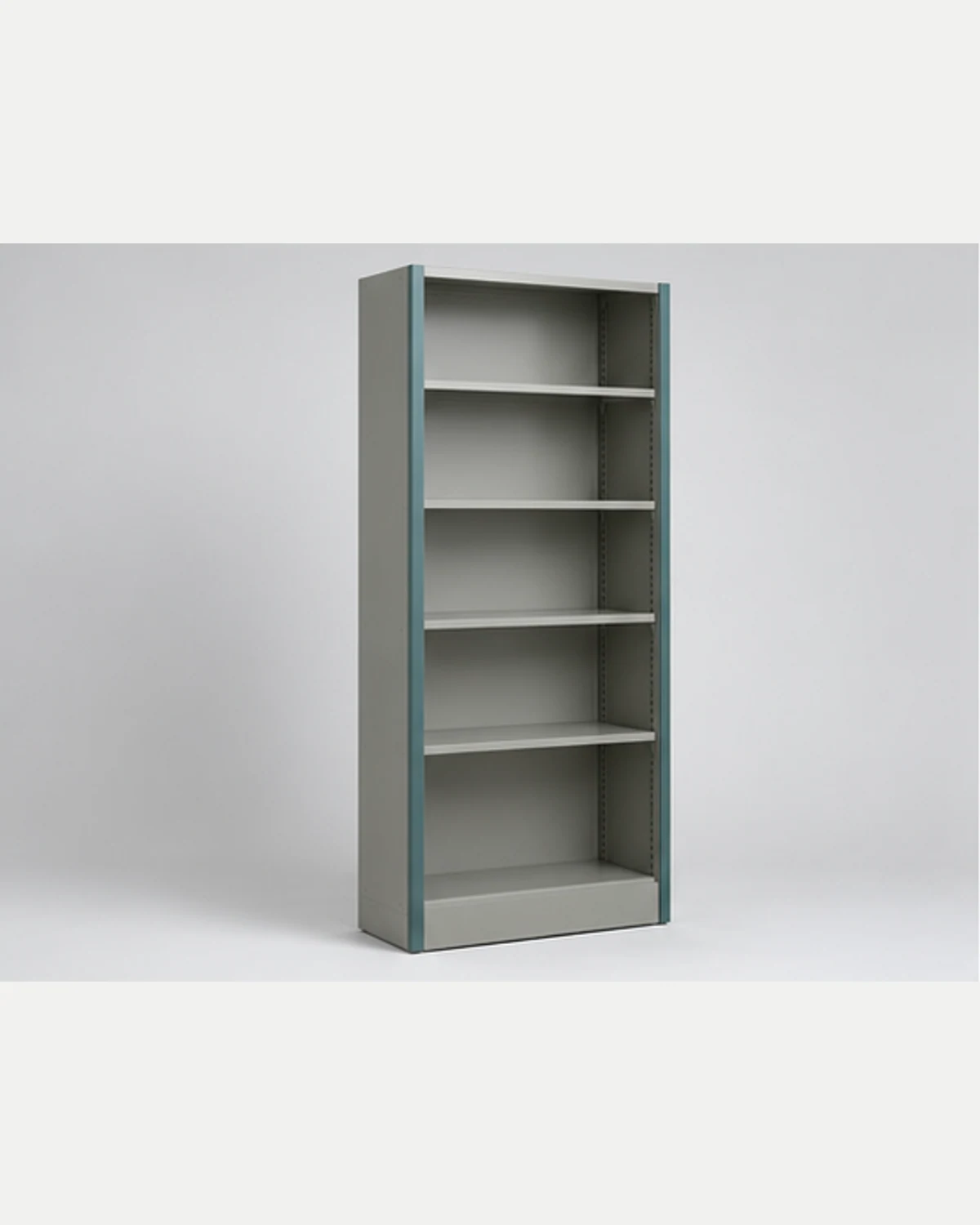
Request package dimensions, gross and net weights, package counts and any restrictions on orientation or stacking. Use those figures with the logistics provider to evaluate loading. Product dimensions alone do not account for protection, cartons, pallets, mixed-model loading or handling clearance. Treat container quantities as a plan to be reviewed against the actual packages, not a fixed catalog promise. For shelving and bookcases, long components and separate accessory packs can change the loading arrangement. Keep any revised packaging dimensions connected to the quotation and transport booking so an old estimate is not used after the configuration changes.
Make identification useful at receiving
Agree package marks that identify the order, model, quantity and destination allocation as appropriate. For multi-room or multi-site projects, decide whether labels should reference the installation schedule. Avoid putting confidential customer or access information on exposed labels unnecessarily. Check that carton identifiers match the packing list and that split packages for one product can be associated correctly. For industrial projects, coordinate labels with warehouse receiving practices. The aim is to let the receiving team count and route packages without opening every carton or relying on a photograph sent separately by the purchasing contact.
Coordinate documents and shipping responsibilities
Agree the transport responsibilities and named place under the selected Incoterms rule and edition, alongside the wider commercial terms. Confirm which party supplies the relevant documents and instructions. Review commercial descriptions, quantities, package counts and weights for consistency. Seek destination-specific advice from the appropriate broker or logistics specialist rather than copying another shipment's paperwork. The packaging and shipping resource provides a purchasing checklist. The purpose is a documented handover between product, packing and logistics decisions, not a broad statement that export support automatically includes every service or destination charge.
Prepare an inspection and claims record
Record protection and package identification
Agree what packing evidence will be recorded before dispatch and how concerns should be reported after arrival. Useful records may include package identification, counts, protection details and photographs, according to the order and inspection arrangement. At receiving, follow the agreed process for checking visible condition and recording discrepancies. Keep transport and commercial deadlines in mind through the responsible parties; this article does not establish a universal claims period. Send LEADTOP your product list and destination to discuss packaging and export coordination. Keep any unconfirmed package dimensions, loading quantities and delivery dates open until the actual order arrangement has been reviewed.