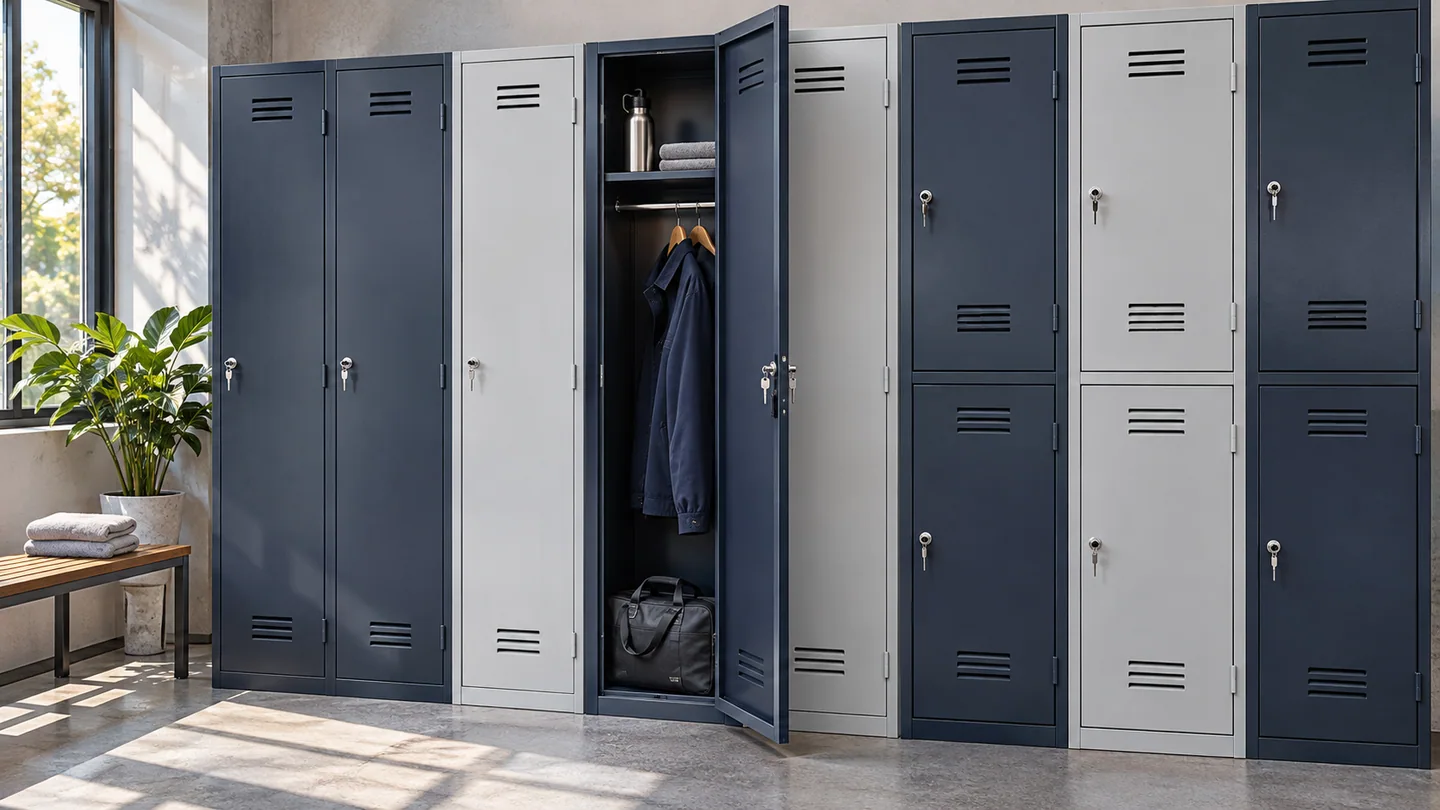
Metal lockers organize personal belongings, workwear and shared equipment, but the right arrangement varies significantly between an office, a school and an industrial facility. A buyer should define users, stored items, access rules and cleaning needs before choosing a compartment layout. This guide explains how to turn those requirements into a useful locker schedule. It does not assume any candidate locker has a particular material thickness, ventilation performance, load capacity or certification. Those details need confirmation for the selected model and the intended project.
Identify the user and storage cycle
Establish whether a compartment belongs to one person or is shared by different users during the day. Office users may store bags and personal items; students may need room for learning materials; industrial users may need separate workwear or equipment storage. Record the items, access frequency and how possessions are managed between shifts or terms. Avoid choosing compartment count before checking usable space. A tall compartment, a divided locker and a small personal-effects locker serve different needs even when the external bank looks similar. Include the needs of users who require accessible operating positions in the layout review.
Choose the internal arrangement
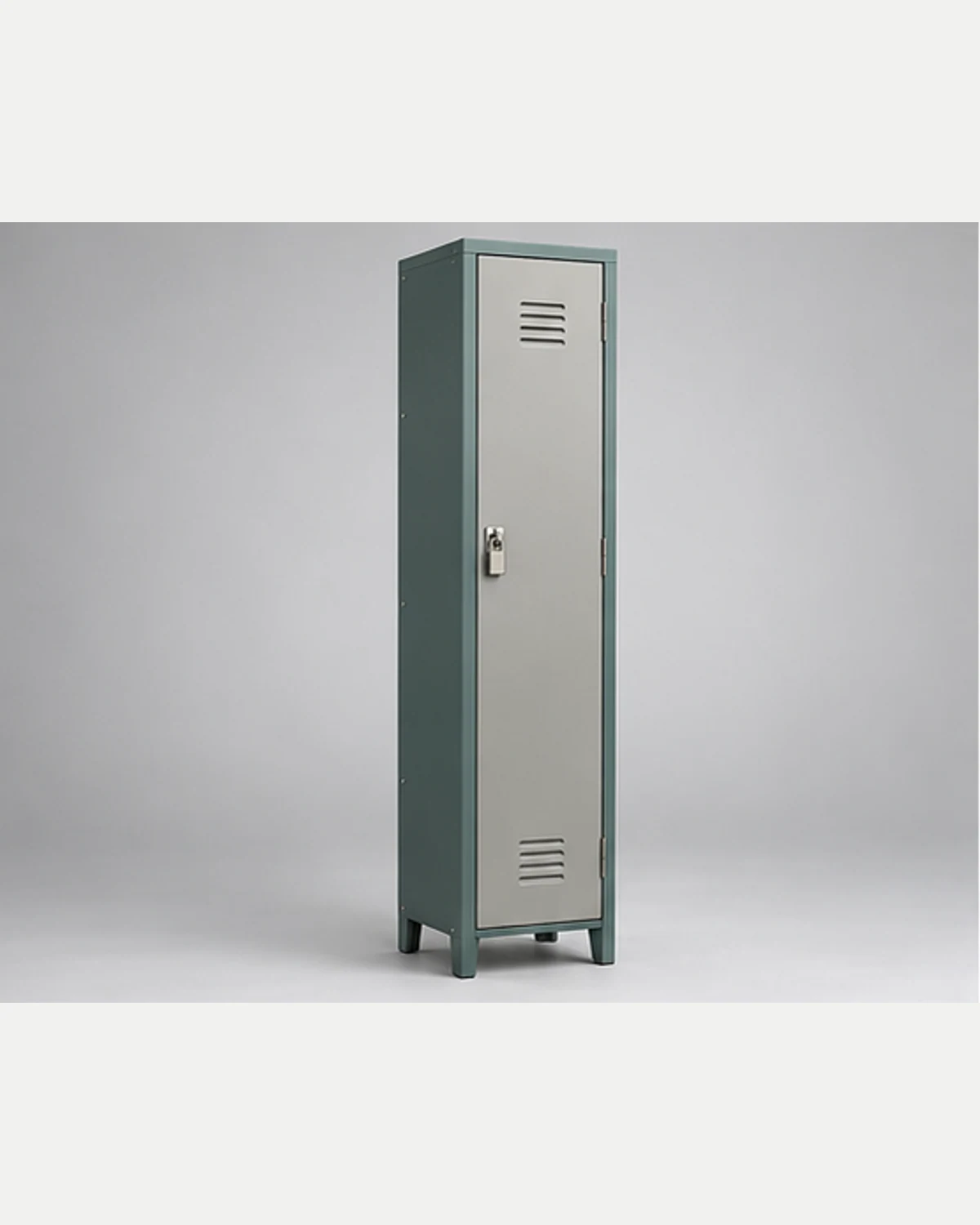
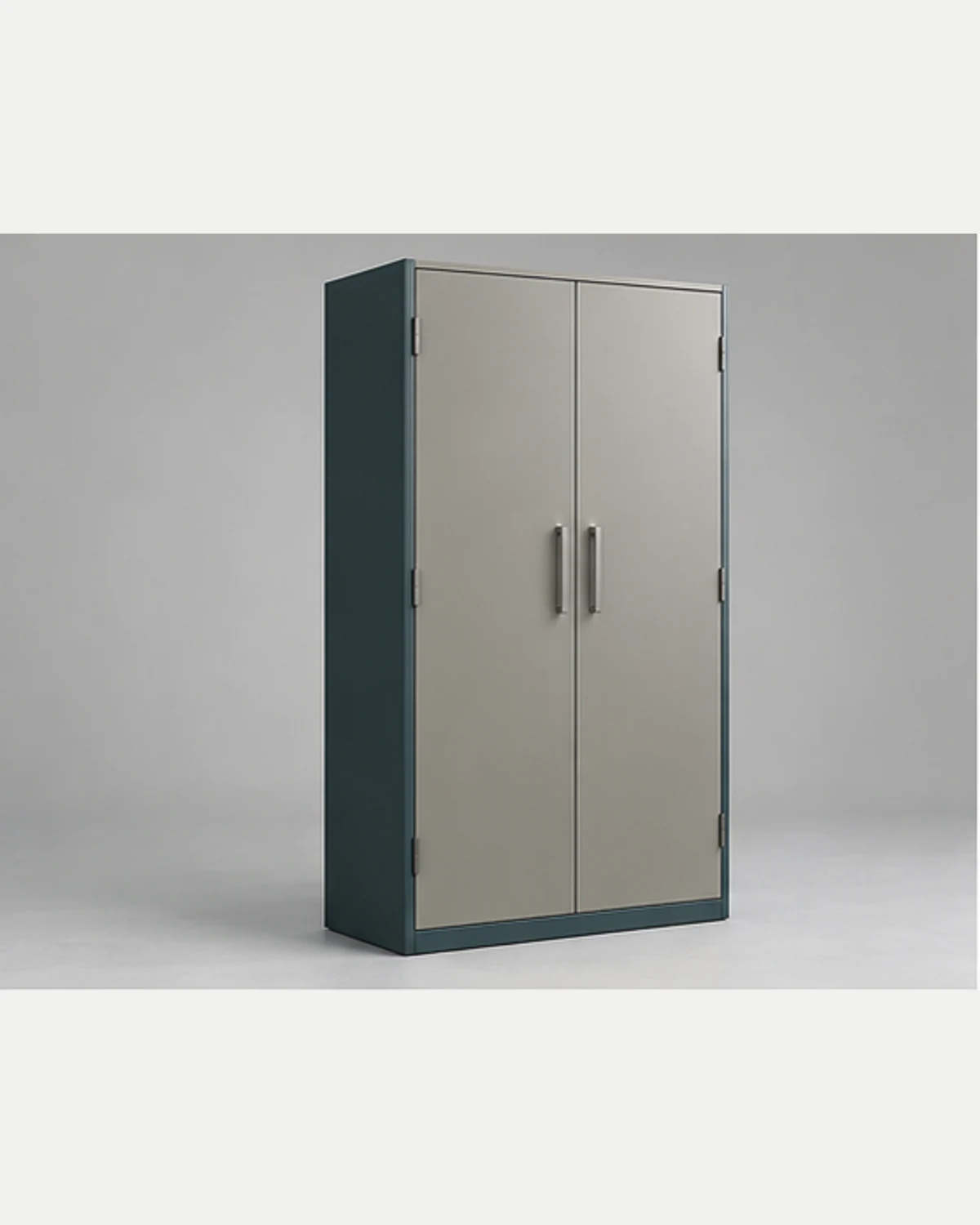
List the required shelves, hanging provisions, hooks and divisions, then ask which options the proposed model supports. Measure representative belongings instead of using an assumed bag or garment size. Check whether openings, hinges or locks reduce practical access to the compartment. Where ventilation is needed, discuss the actual contents and environment and request details of the proposed provision. Openings in a door are not evidence of a tested airflow rate. Browse the metal lockers category with a written contents schedule so the selected candidates can be compared on function rather than compartment count alone.
Select a lock and management method
Key locks, hasps for padlocks and other access systems create different administration tasks. Ask who issues access, who handles a lost key or forgotten code and whether an override function is required. For shared lockers, define the reset process between users. Confirm that the chosen lock can be supplied and maintained for the intended arrangement; do not assume every lock pictured is interchangeable. Record spare-key quantities and the identification method without exposing access codes on public labels. A lock selection should fit the organization's access policy and support arrangements, not merely the appearance of the locker door.
Address school-specific practicalities
For education and training facilities, review door operation, user height, corridor circulation, identification labels and cleaning access. Discuss installation and fixing requirements with the project team, including any applicable purchasing or safety criteria. A sample review can check how users open doors, reach belongings and recognize their compartment. Plan how lockers are assigned and cleared between terms. Avoid promising a generic school-safe product without an agreed requirement and relevant evidence. Where the institution has a formal furniture specification, include it early so the proposed model can be reviewed against the actual criteria rather than a broad educational label.
Address industrial storage needs separately
Industrial users may need to separate personal belongings from workwear, or to store equipment with specific handling requirements. Explain those requirements explicitly. A general locker must not be presented as suitable for hazardous substances, charging batteries or specialized protective storage without appropriate design and evidence. For industrial and warehousing sites, consider dust, cleaning practices and the location of the locker bank. Ask about finish suitability for the actual environment. Confirm the assembly and installation plan, and keep locker access routes separate from operational movement where the site layout requires it.
Define finish, installation and maintenance
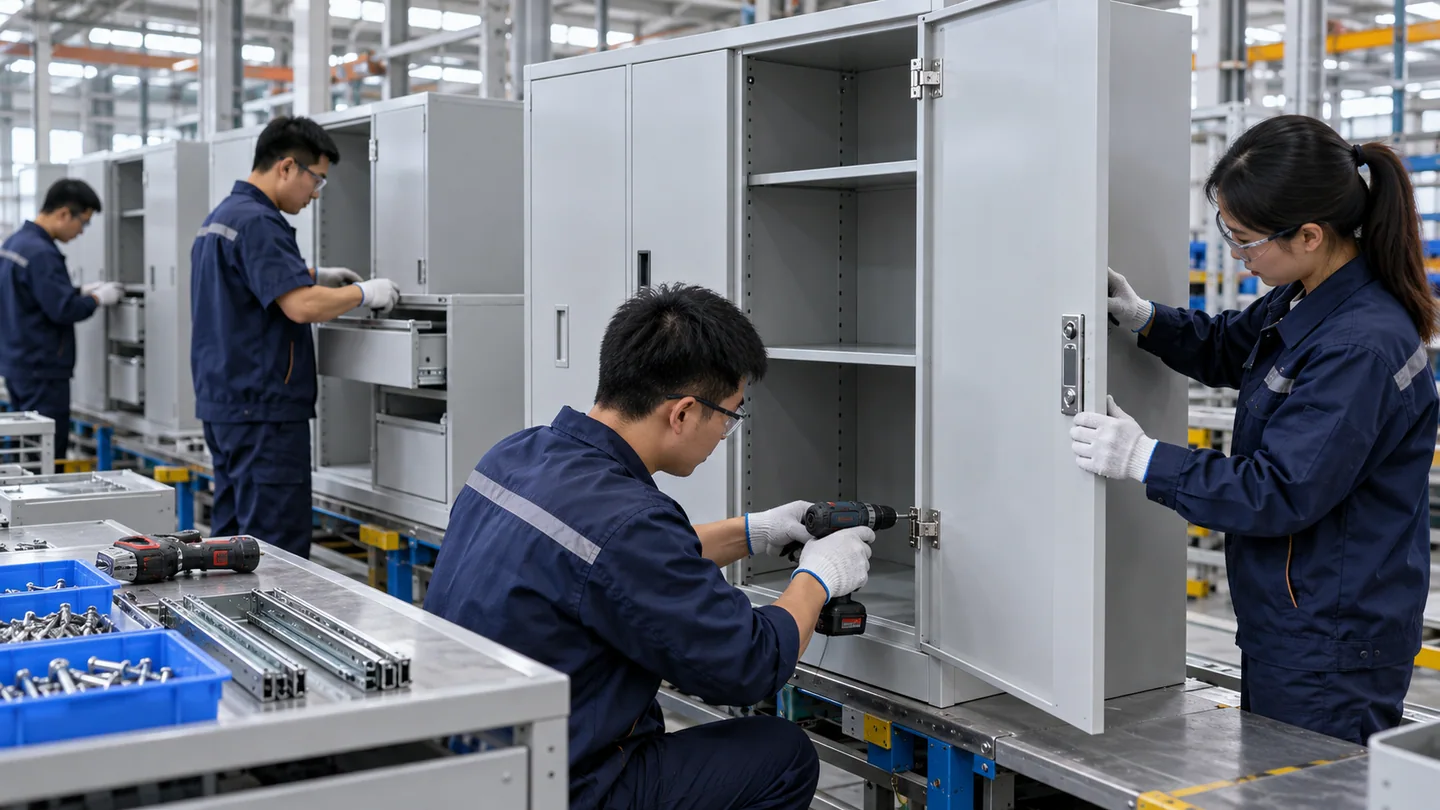
Choose color and surface appearance through agreed references, ideally with a physical sample when consistency matters. Ask how the finish should be cleaned and which products should be avoided. Check door alignment, hinge operation, edges and the condition of visible surfaces during sample review. Confirm whether the bank is assembled, linked or installed as separate units, and request instructions for the actual configuration. Determine who is responsible for fixing, leveling and site preparation. Keep replacement locks, hinges and identification parts in the procurement discussion so maintenance does not depend on guessing the original component after installation.
Prepare packaging and receiving requirements
A locker bank can be vulnerable to corner damage, door movement and finish abrasion during handling. Discuss how the chosen configuration will be protected and identified. For assembly products, confirm hardware packs and instructions, and consider whether the installer needs a sample assembly before a larger delivery. Ask for packed dimensions, weights and handling guidance after packaging is agreed. If a distributor will split a shipment among several customers, plan labels and package identification accordingly. Do not treat an unverified loading quantity or a generic carton image as proof of the actual shipment arrangement.
Create the locker brief
Information for the locker schedule
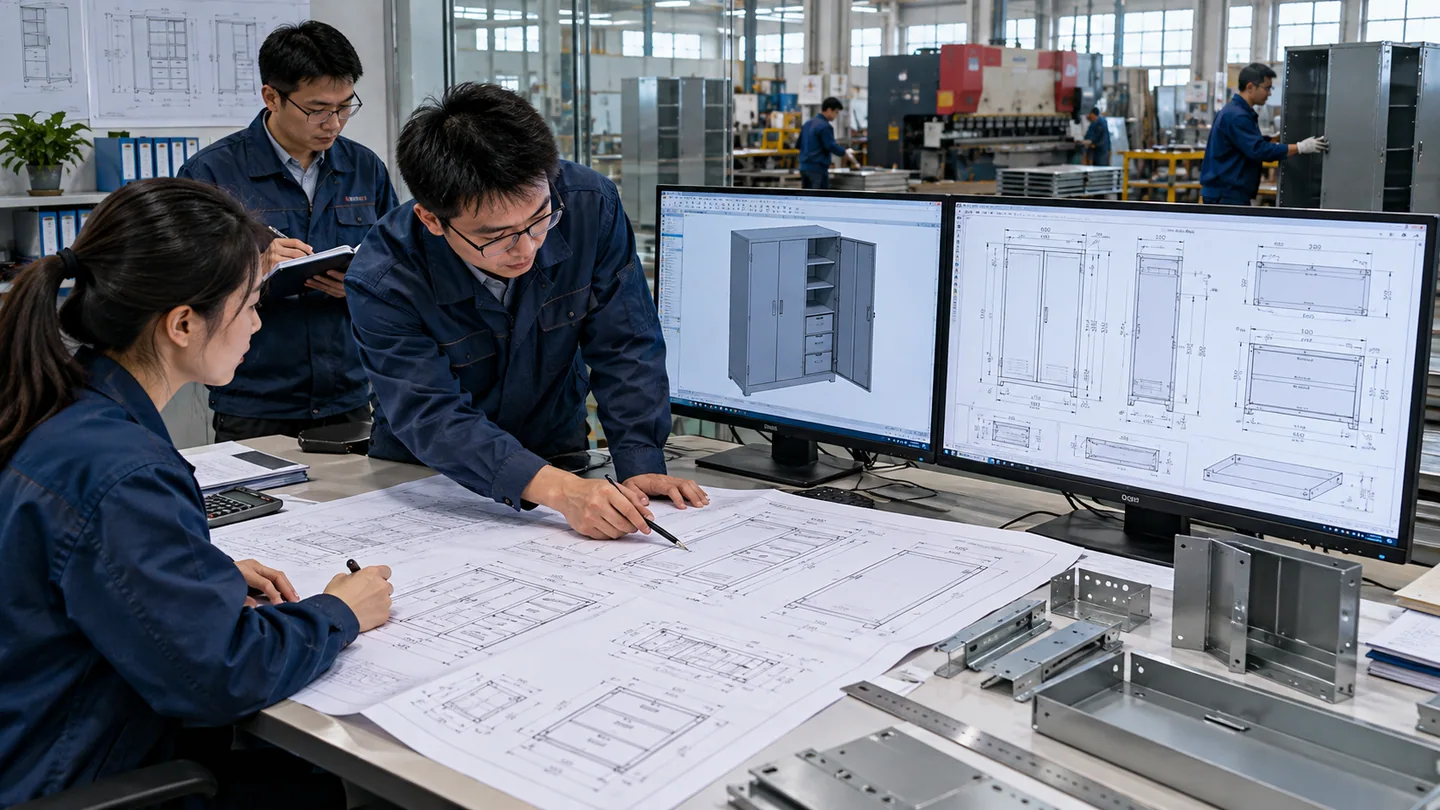
Include the user groups, compartment requirements, stored items, quantities, lock policy, finish references, installation constraints and destination. Identify which requirements are fixed and which can be discussed. Attach a plan or reference photograph where useful, but explain what the image represents. Use the locker selection guide to structure the conversation. LEADTOP can coordinate candidate selection and customization discussions based on that brief. Request a quote with the project requirements, leaving unconfirmed dimensions, materials and performance fields open for evidence-based confirmation rather than filling them with assumed values.