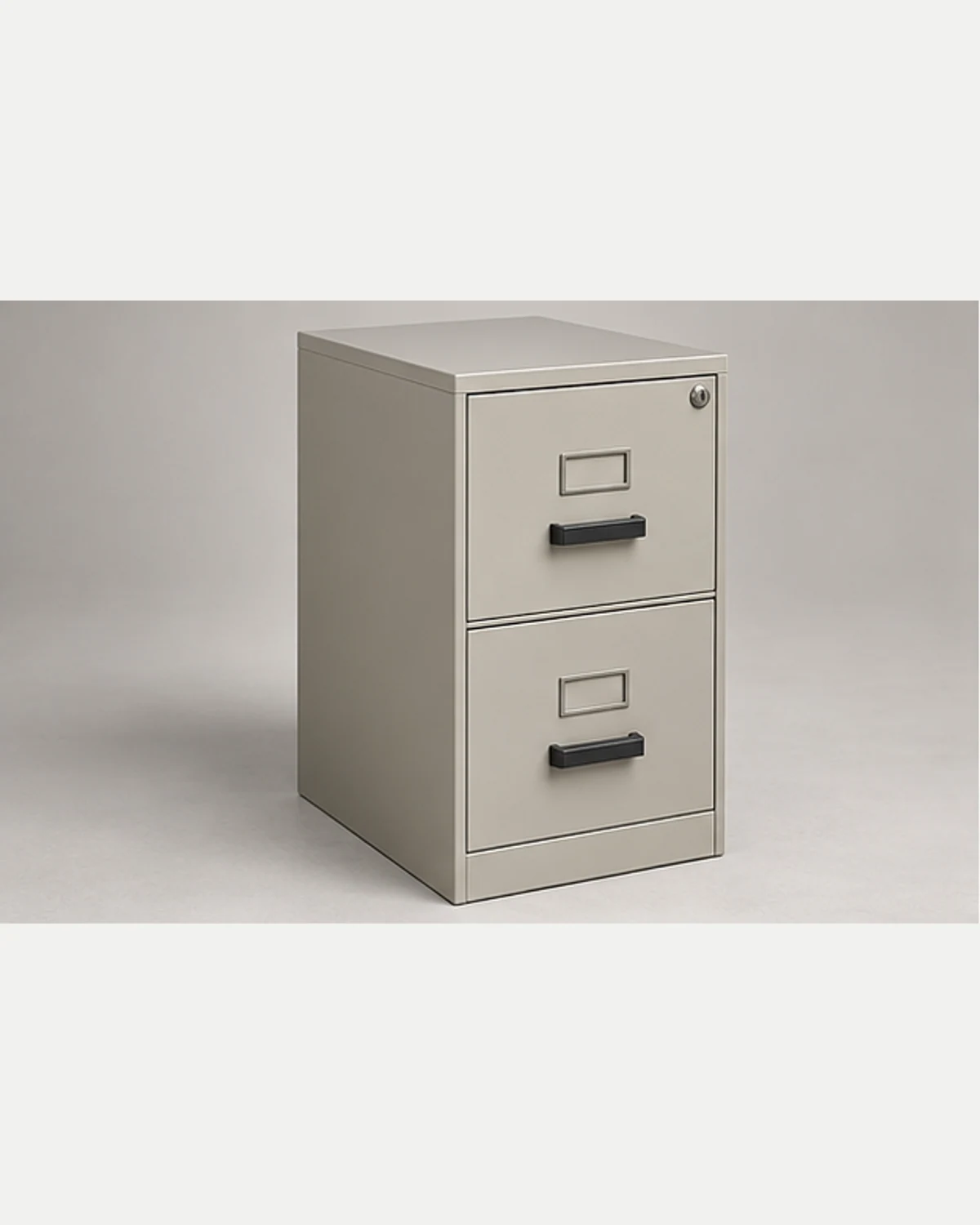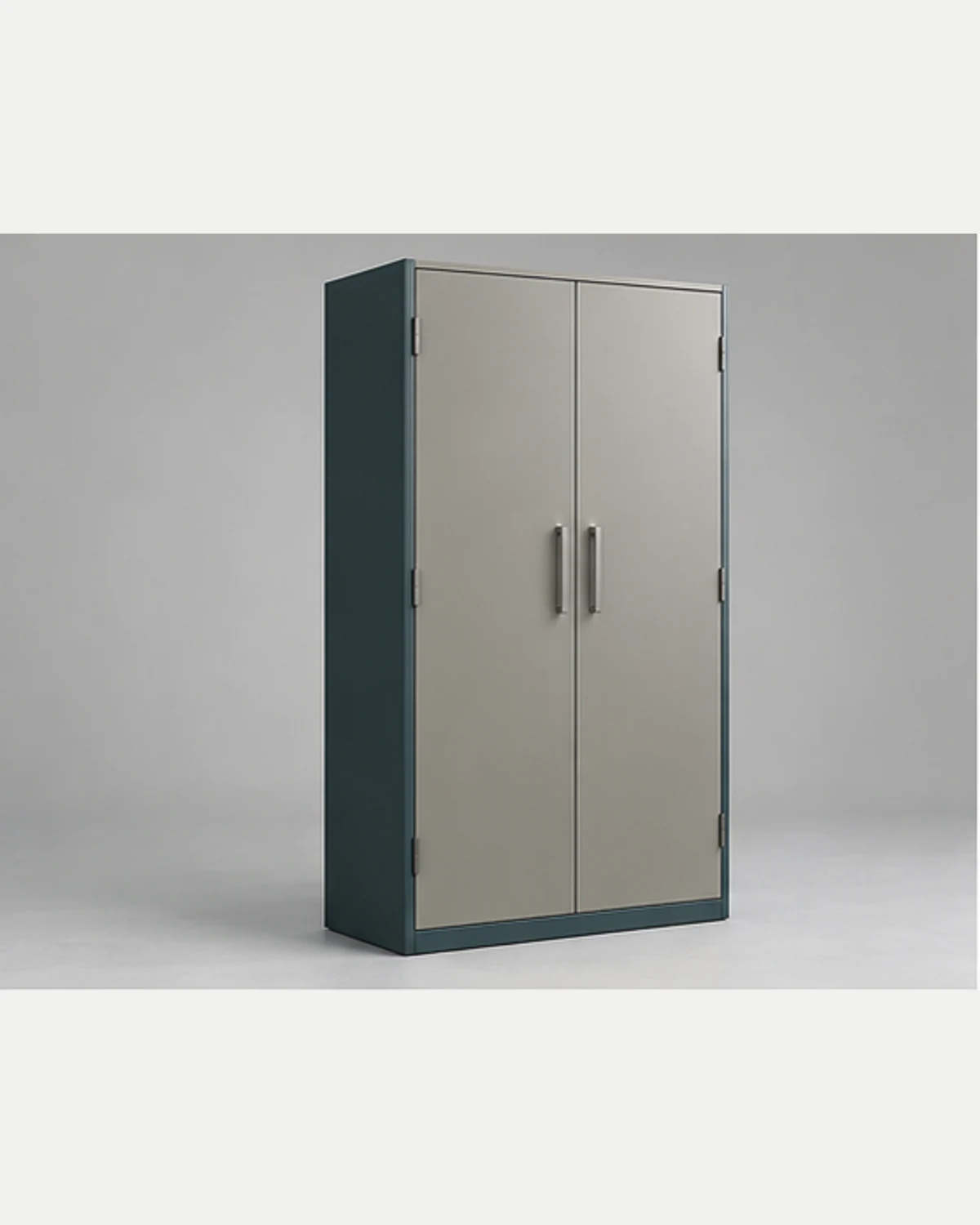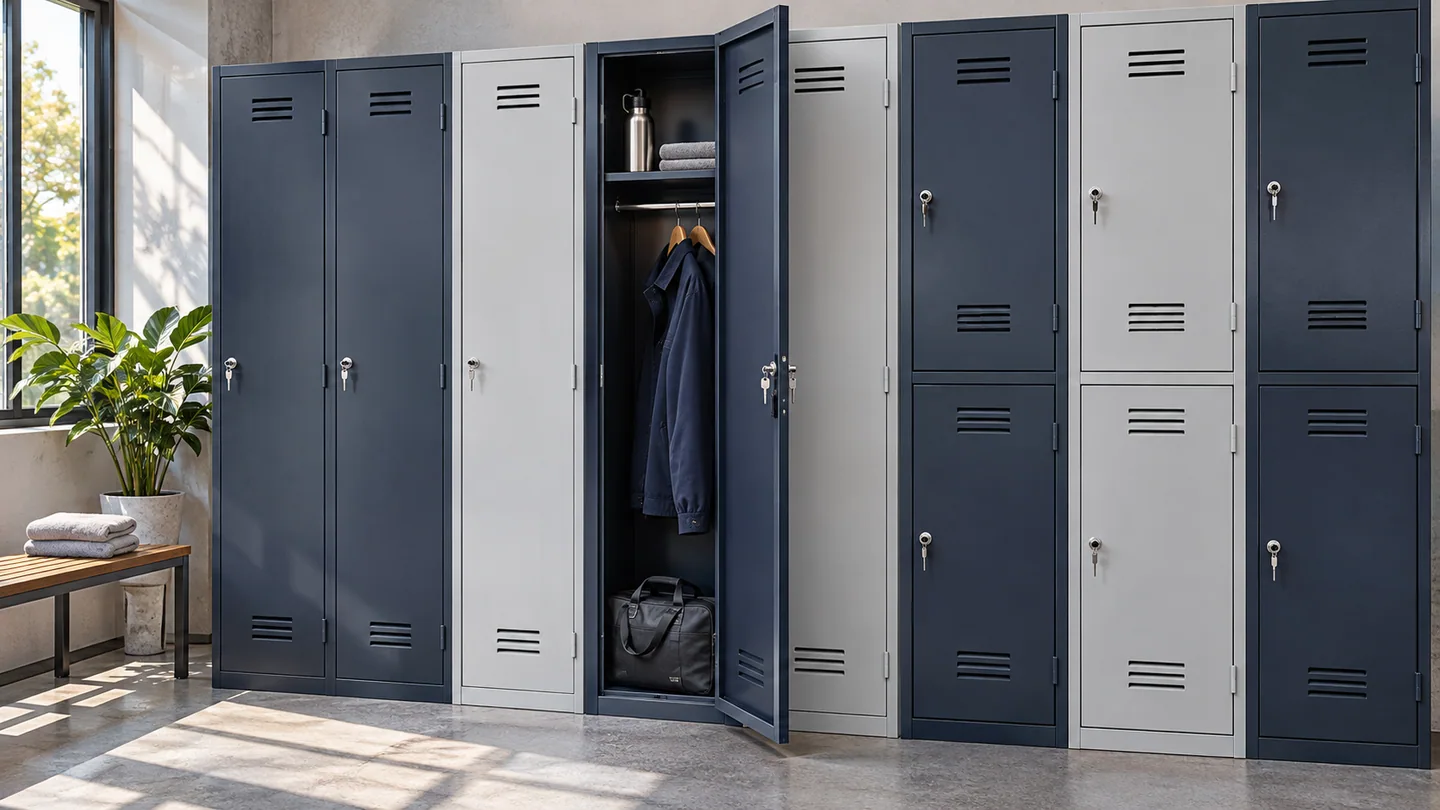

Steel filing cabinets and steel storage cabinets can share a finish and a similar external size while solving different problems. Filing cabinets organize documents for repeated retrieval. Storage cabinets accommodate a broader mix of binders, supplies and equipment. The distinction matters when a buyer prepares a product schedule: a cabinet with ample overall volume may still be inconvenient for the records or objects it must hold. This comparison explains how to evaluate the two product families by workflow, internal arrangement and approval requirements, rather than treating their names as interchangeable.
Define what the cabinet must hold
List the contents before selecting the furniture. Hanging folders need compatible supports and clearance for tabs. Binders need suitable shelf height and depth. Shared supplies may need adjustable shelves, dividers or separate compartments. Document the largest item and the heaviest intended storage group without assuming a load rating. Request the proposed model's internal dimensions and supported configuration. For mixed contents, decide whether one compromise cabinet is appropriate or whether separate filing and general storage will work better. A simple inventory often reveals that two departments using the word storage mean very different tasks.
Compare access and internal organization
Filing cabinets commonly use drawers arranged for a defined filing system; storage cabinets may use shelves behind hinged, sliding or other doors. Actual layouts depend on the model. Drawers bring contents forward, while shelves can offer flexible vertical spacing. Ask how far drawers extend, how rails are fitted and how shelves are repositioned. Confirm whether accessories shown in a photograph are included. A filing cabinet should be reviewed with the intended folder system, while a storage cabinet should be reviewed with representative objects or a clear contents schedule.
Test the retrieval task
During sample review, ask a user to find, remove and return an item. Observe handle access, labeling, visibility and the effort needed to reach the rear. This practical test can expose an inconvenient layout that a dimensional drawing does not reveal.
Allow for the opening space
Both families require more room than their closed footprint. A drawer occupies an aisle when open; hinged doors need a swing area; sliding-door arrangements have their own access limitations. Mark the operating envelope on the room plan and check adjacent desks, walkways and doorways. Consider the frequency of access and whether more than one person will use the area. Also check the delivery route, especially when the cabinet ships assembled. For corporate offices, the right storage mix supports circulation as well as appearance. Do not select a door mechanism solely to match a visual theme.
Ask different construction questions
For a drawer cabinet, investigate the slide arrangement, drawer construction, filing rails, stops and any required interlock. For a shelf cabinet, focus on shelf supports, adjustability, door alignment, hinges and panel configuration. These are inspection topics, not claims that every candidate includes a particular component. If a buyer specifies steel thickness, identify the part being measured and the agreed method. Request model-specific evidence for load or stability requirements. A generic description such as heavy duty is insufficient to establish performance, and an external photograph cannot confirm the construction concealed inside a cabinet.
Match locking to the storage policy
The question is who needs access, not simply whether a lock is visible. Drawer cabinets may lock several drawers through one mechanism, while storage cabinets may secure a pair of doors or separate compartments. Verify the proposed arrangement, key quantities and replacement procedure. Discuss keyed-alike or master-key requirements before quoting. If confidential or regulated contents are involved, identify the required level of protection with the responsible organization. Neither a filing label nor a lock automatically establishes a tested security or fire-resistance rating. Keep any such claim tied to relevant, reviewed evidence for the exact product.
Evaluate packaging and local setup
Do not assume either family is always assembled or always supplied for assembly. Ask about the selected model and configuration. An assembly format changes the receiving process, local labor needs, hardware control and instructions. An assembled cabinet may need careful restraint of doors and drawers and protection of projecting handles. Compare packed dimensions and weights only after packaging is defined. If your range includes several cabinets, consider common labels, replacement keys and finish references. These operational details can matter more to a distributor than a small difference in the appearance of the catalog images.
Build a balanced office storage schedule
Separate personal storage, active filing, shared supplies and longer-term archives. Allocate each task to an appropriate product rather than expecting a single cabinet to cover every need. Mobile pedestals may support personal workstations, filing cabinets can support frequent record retrieval, and shelf cabinets can hold shared materials. The selection remains subject to the actual model's dimensions and confirmed configuration. Use the specification checklist to capture the required details. When you contact LEADTOP, include the contents, room layout, estimated quantities and access policy so the recommendation can be assessed against a clear workplace task.