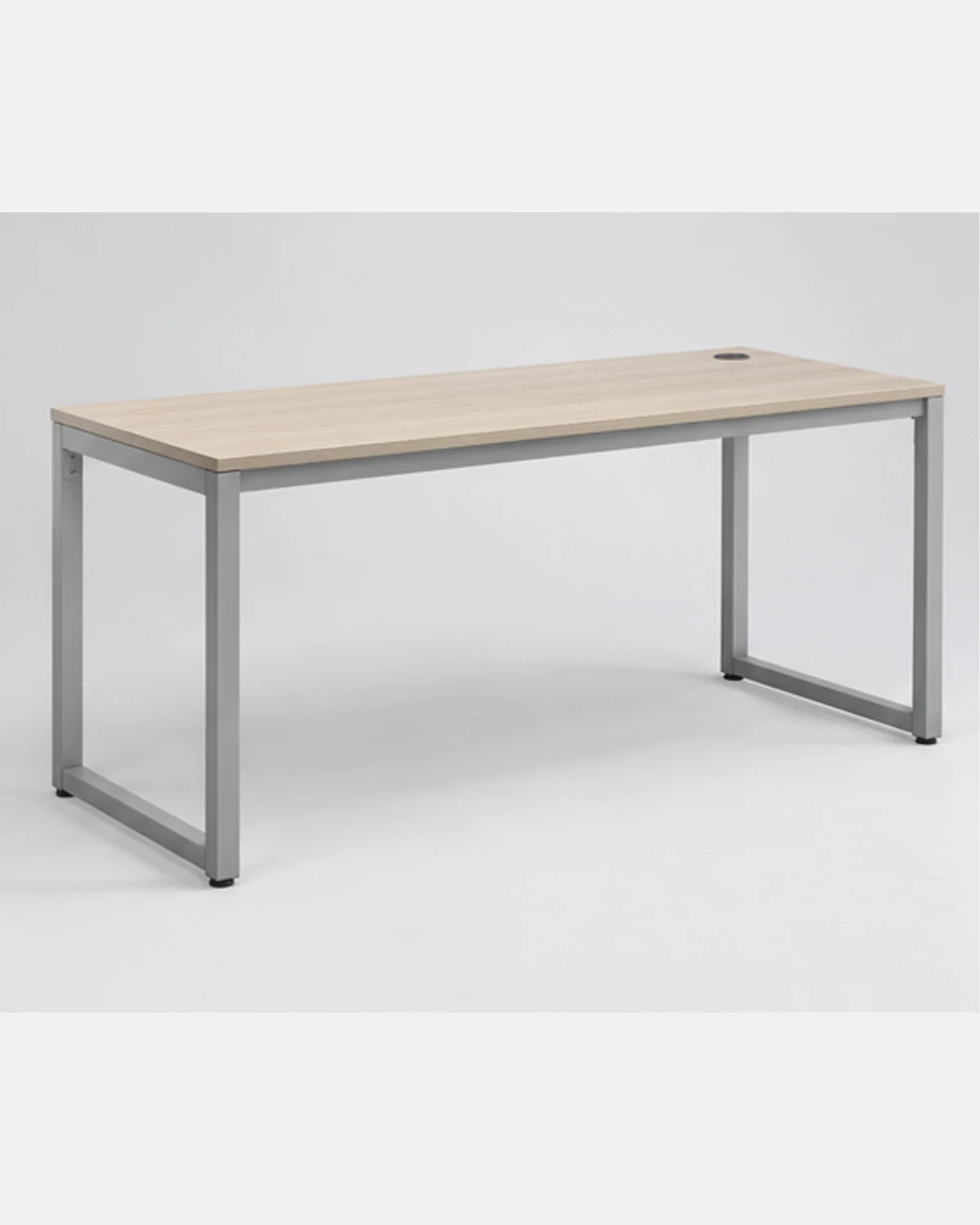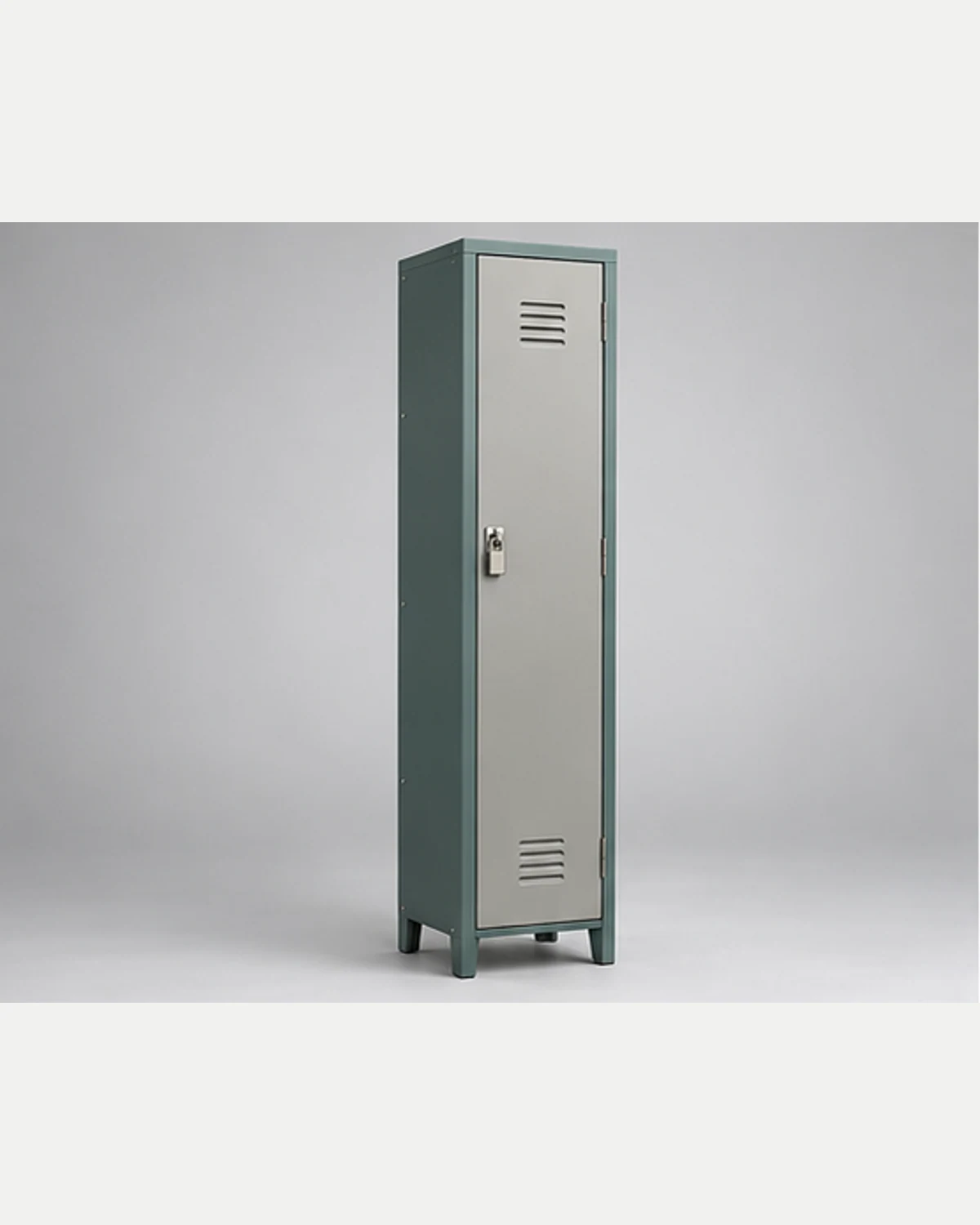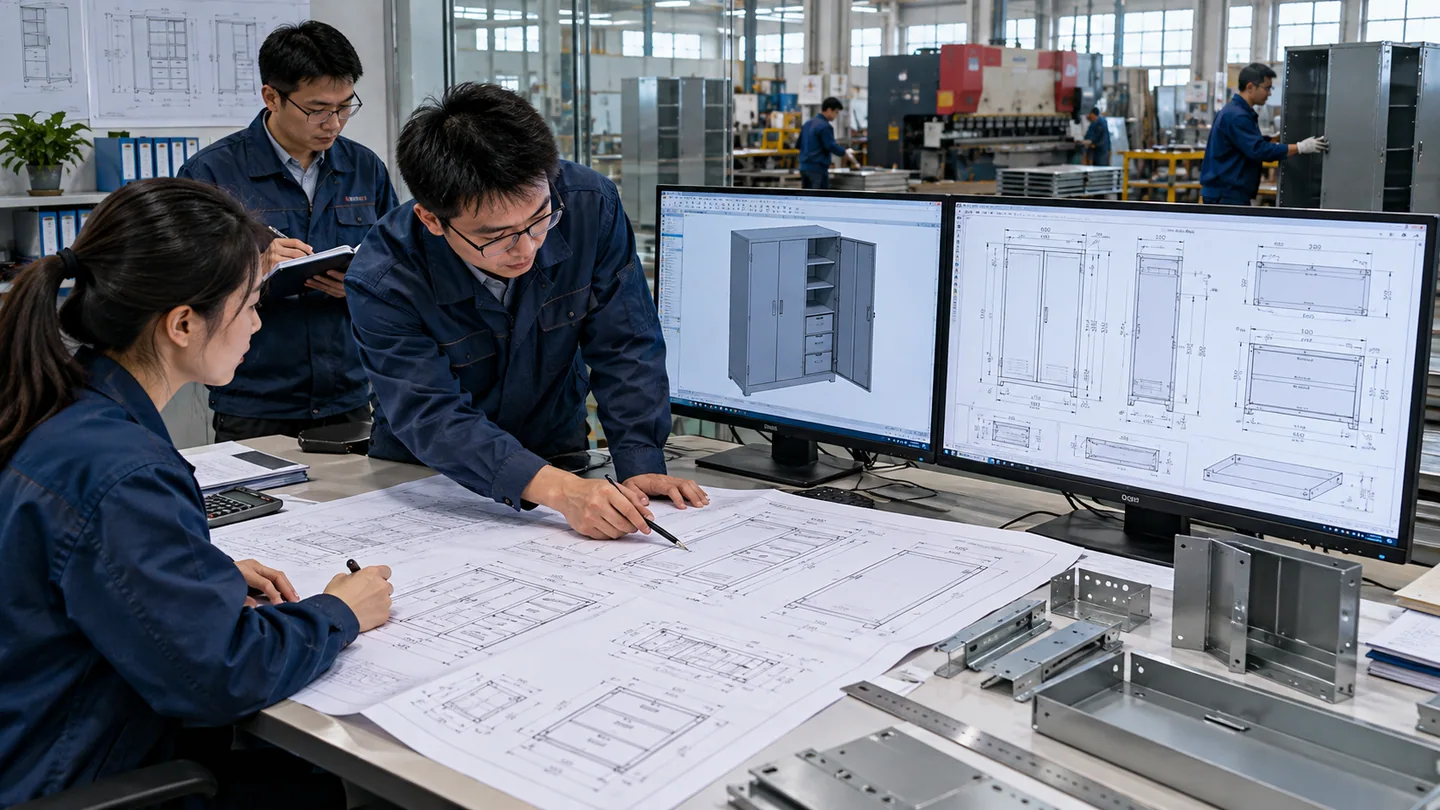

OEM and ODM are useful labels for cooperation, but their practical meaning depends on the agreement between buyer and supplier. One project may begin with buyer-controlled drawings, while another adapts an existing product platform. Neither label automatically defines intellectual property, tooling ownership, compliance responsibility or the contents of the quotation. For steel furniture buyers, choosing the route means deciding what is already specified, what needs development and who approves each decision. This guide focuses on that decision process without promising unverified engineering resources, tooling or production capacity.
Start with the maturity of your product brief
Ask whether you have a complete design or a commercial objective that still needs a product solution. A mature brief might include controlled drawings, components, finish references and inspection criteria. An earlier brief might describe the customer, application, desired appearance and features, leaving the configuration open. This distinction is more useful than choosing a label first. If you have only a competitor image, identify which functions matter and avoid assuming the design can be copied. Record what is your original input, what comes from a proposed platform and what still needs investigation.
Understand a buyer-defined manufacturing route
An OEM-style discussion often starts from buyer requirements or a buyer-defined product. The important questions concern the completeness of the technical package, feasibility, approved changes and responsibility for the design. Ask how drawings, material requirements, accessories and quality criteria will be reviewed. Identify any missing tolerances or interfaces before requesting a final commercial commitment. If tooling or development work is involved, define its scope, cost and ownership separately. A familiar manufacturing label does not remove the need to agree these points. For a workbench project, intended use and component interfaces need particular attention.
Understand a platform-based development route
An ODM-style discussion may begin with an existing design or product platform that is adapted for a buyer's market. Potential changes could involve layout, finish, locks, branding or packaging, subject to feasibility. Ask which parts of the platform are established and which changes require review, samples or further development. Do not assume every requested option is a simple catalog selection. Confirm the rights to use the design and any limitations on exclusivity or branding with appropriate advisers where needed. The term ODM itself does not prove that a design is exclusive or that every market requirement has been assessed.
Compare development work rather than labels
Build a task list: concept clarification, drawing review, component selection, sample preparation, packaging review and approval. Assign an owner to each task and identify the information needed to progress. A lightly customized existing cabinet may have a different development path from a new locker configuration, regardless of the label used in the quotation. Ask how changes affect commercial terms and the schedule, but keep timing subject to the actual scope and approvals. For metal lockers, lock policy, compartment layout and installation requirements can all influence what appears to be a small modification.
Separate preferences from fixed requirements
Mark essential features, preferred options and areas where recommendations are welcome. This helps the team identify practical alternatives without silently changing a requirement that is important to your customer or project.
Agree the approval and evidence process
Define what the buyer must approve before production: drawings, samples, finish references, artwork, packaging and commercial documents. For each approval, keep the relevant revision and a record of the decision. If formal testing is required, identify the applicable product, method and acceptance scope rather than requesting a generic certificate. A sample can support fit, appearance and operation review, but it does not establish every performance claim. Make sure a later component or finish change triggers review where necessary. This protects both parties from assuming that an earlier approval automatically covers a materially different configuration.
Clarify commercial and information boundaries
Discuss development fees, tooling, minimum quantities, price conditions, payment terms and the treatment of cancelled or changed work. These are negotiated matters, not fixed consequences of OEM or ODM. Protect confidential drawings through an appropriate agreed process and avoid publishing them as marketing material without permission. Confirm who supplies brand artwork and who approves its placement. If a design or brand involves legal rights, obtain qualified advice for the relevant arrangement. The website should support a clear project discussion; it should not imply that a general cooperation page settles contract or intellectual-property terms.
Connect manufacturing with export preparation
A custom product is not complete when its appearance is approved. Review assembly format, instructions, labels, packed dimensions, handling needs and shipping responsibilities. A new finish or accessory can affect protection and package contents. A distributor may also need spare parts and documentation that work across a range. For commercial projects, include the receiving and installation plan. Keep export coordination connected to the product definition so the final package and documents reflect what was actually ordered, rather than being decided after the manufacturing configuration is already fixed.
Choose the route through a documented brief
LEADTOP supports integrated product development, manufacturing coordination, quality requirements, order management and export coordination. The appropriate cooperation route depends on the project, and specific arrangements must be confirmed. Read the OEM and ODM guide and prepare the model references, target market, quantity, customization list and available drawings. Then request a quotation discussion. A clear brief allows the team to identify whether a buyer-defined route, an adapted platform or a combination is appropriate, while keeping unresolved specifications and commitments visible until they are reviewed.