A custom steel furniture project progresses more reliably when the opening brief separates the intended use from the details that are still open. Buyers do not need to know every manufacturing answer before contacting a supplier. They do need to explain the problem, the users, the commercial context and the approval process. This guide describes the information worth preparing for a cabinet, locker or related furniture project. It keeps dimensions, materials, performance and delivery commitments subject to confirmation rather than filling gaps with plausible-looking but unverified numbers.
Write the use case in plain language
Describe what the furniture will store or support, who will use it and where it will be installed. Include the tasks that a standard product does not currently solve. A cabinet may need to fit a particular room, hold an unusual item or work with an existing access policy. Explain those constraints before proposing a construction method. For specialty steel cabinets, identify any regulated or specialized use early; a general steel enclosure must not be assumed suitable for hazardous or high-security storage. State which needs are essential and which are preferences.
Build a controlled reference pack
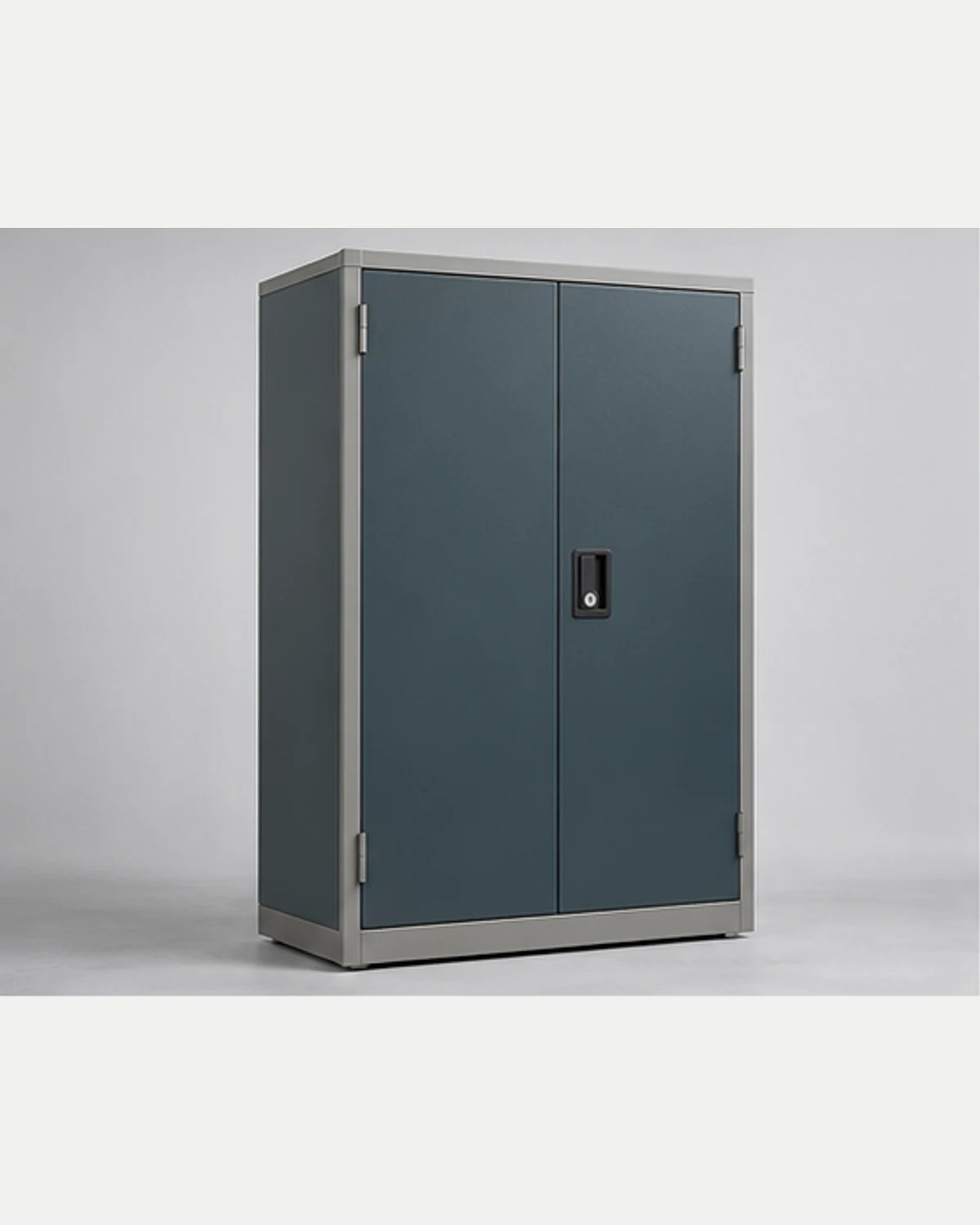
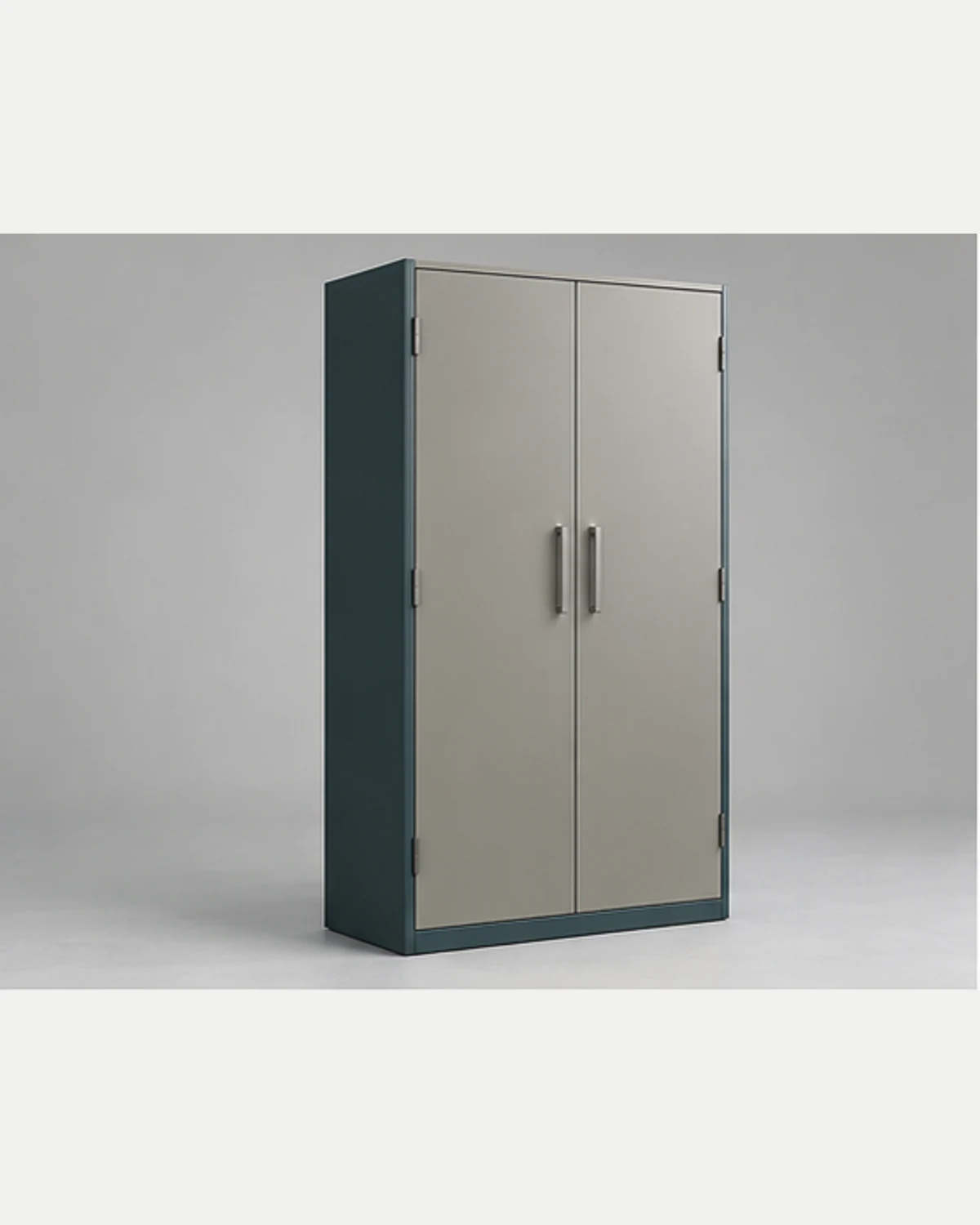
Collect reference images, product links, sketches and any available drawings. Label each item with its purpose: overall appearance, internal layout, lock arrangement or packaging example. A reference image should not be treated as a complete specification or permission to reproduce another party's design. If you supply a drawing, include its revision and note unresolved details. Avoid mixing outdated and current files in one unmarked folder. A short document explaining what to copy, adapt or avoid is often more useful than a large set of images with no explanation of the actual requirement.
Prepare the dimensional and functional questions
Record the available installation space, required usable internal space and operating clearances. Identify the objects that must fit and any interfaces with existing furniture or equipment. For steel storage cabinets, specify shelves, door access and the required contents arrangement. Ask for recommendations where dimensions or construction remain open. If a load, stability or security requirement matters, state the requirement and the evidence expected; do not infer a rating from a product photograph. Keep a visible list of unanswered questions so the quotation does not silently convert an assumption into a specification.
Distinguish fixed limits from design targets
A doorway clearance may be a fixed limit, while a preferred external proportion may be negotiable. Marking the difference helps the team consider alternatives and prevents unnecessary development around a detail that has no effect on the user's task.
Describe materials, finish and accessories
Include known material requirements, finish references, preferred colors, locks, handles and functional accessories. If a steel grade or thickness is required, identify the relevant component and why it matters. Leave the field open if it needs technical discussion. Request physical finish references where appearance consistency is important. Confirm whether brand artwork, labels or instructions need a particular language or format. Explain the lock administration method and any spare-part needs. A customization list should describe the required outcome clearly enough to evaluate feasibility, rather than relying on a broad instruction such as premium quality.
Define quantities and commercial context
Provide estimated quantities by model and option, the intended market and whether the project is a one-time installation or a repeat range. Separate a first order estimate from a longer-term forecast. If a budget is available, explain what it includes and which commercial terms it assumes. Ask how variants, finishes and packaging affect minimum quantities and price conditions. Do not present a forecast as a confirmed order or assume a general website statement fixes the MOQ. Commercial feasibility depends on the actual configuration, order mix and agreed scope, which should be recorded in the quotation.
Plan samples, approvals and change control
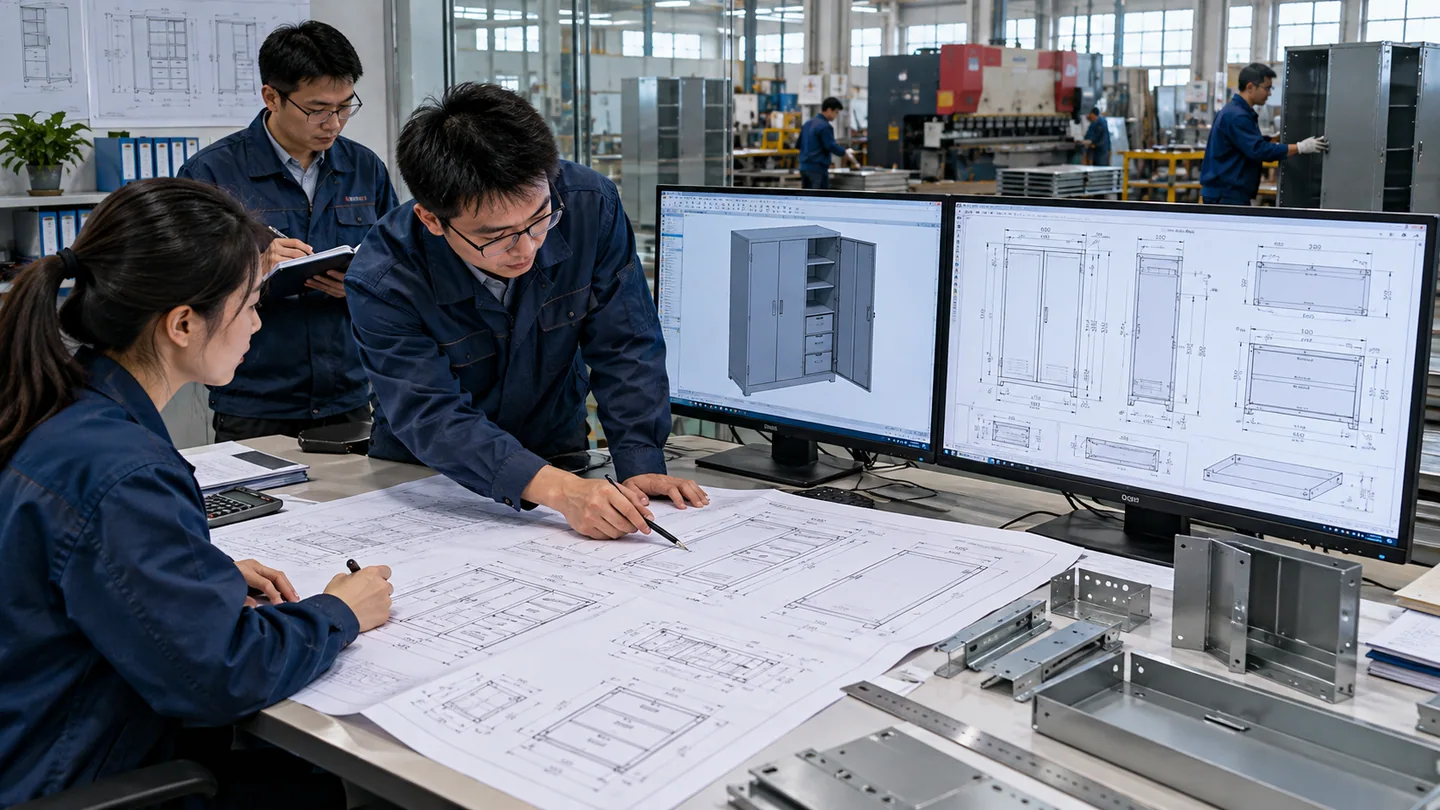
Identify who will review drawings, samples, finish references and order documents. Define the questions each approval is meant to resolve. A visual sample, an assembly trial and a formal product test serve different purposes. Agree how comments are consolidated and how the accepted revision is recorded. If the customer changes a lock, finish or layout after approval, request a documented review of the effect on cost, timing and evidence. For government and public-sector projects, include tender documentation and approval requirements early rather than treating them as a final administrative step.
Include packaging and delivery in the design brief
Explain the destination, handling route, receiving facilities and installation responsibilities. Confirm whether assembly at destination is practical and ask which delivery formats the model supports. A custom panel size or accessory may change package protection and freight planning. Discuss hardware packs, instructions, labeling and the evidence needed for the packing arrangement. Request packed dimensions and weights after the product and package are defined. A target arrival date should be discussed as a planning requirement, not represented as an agreed lead time until production, approvals and transport arrangements have been reviewed.
Send a brief that invites useful clarification
Organize the information into product intent, references, fixed requirements, open questions, quantities, market, approvals and delivery context. Keep the initial brief readable and attach detailed files separately. LEADTOP can use it to coordinate product development, manufacturing requirements, quality expectations and export preparation through its integrated supply approach. Review the OEM and ODM resource and contact the team with your starting information. If you only have a photograph, explain what it needs to do and which details matter. That creates a responsible route to a specification without inventing facts to make the first conversation look complete.