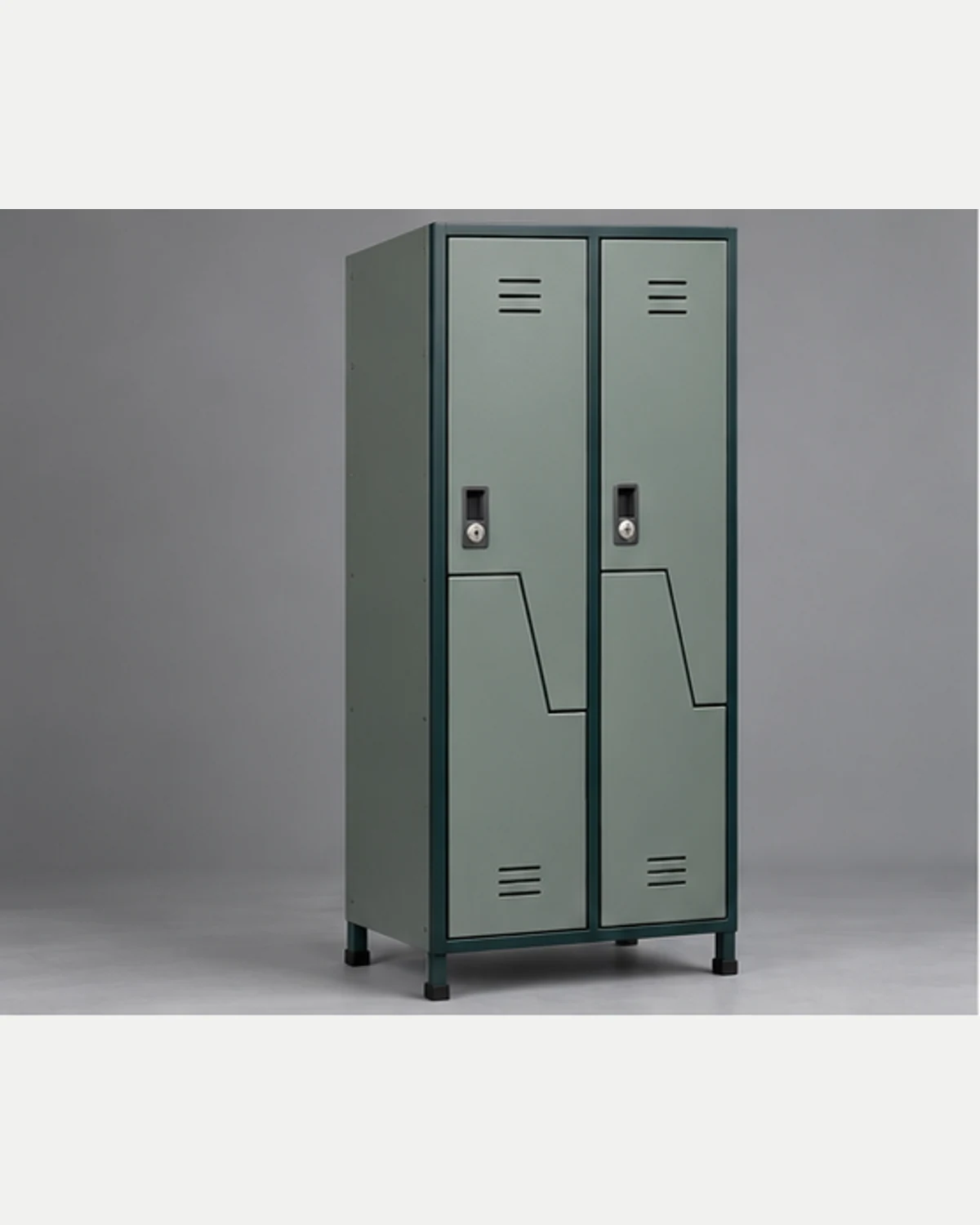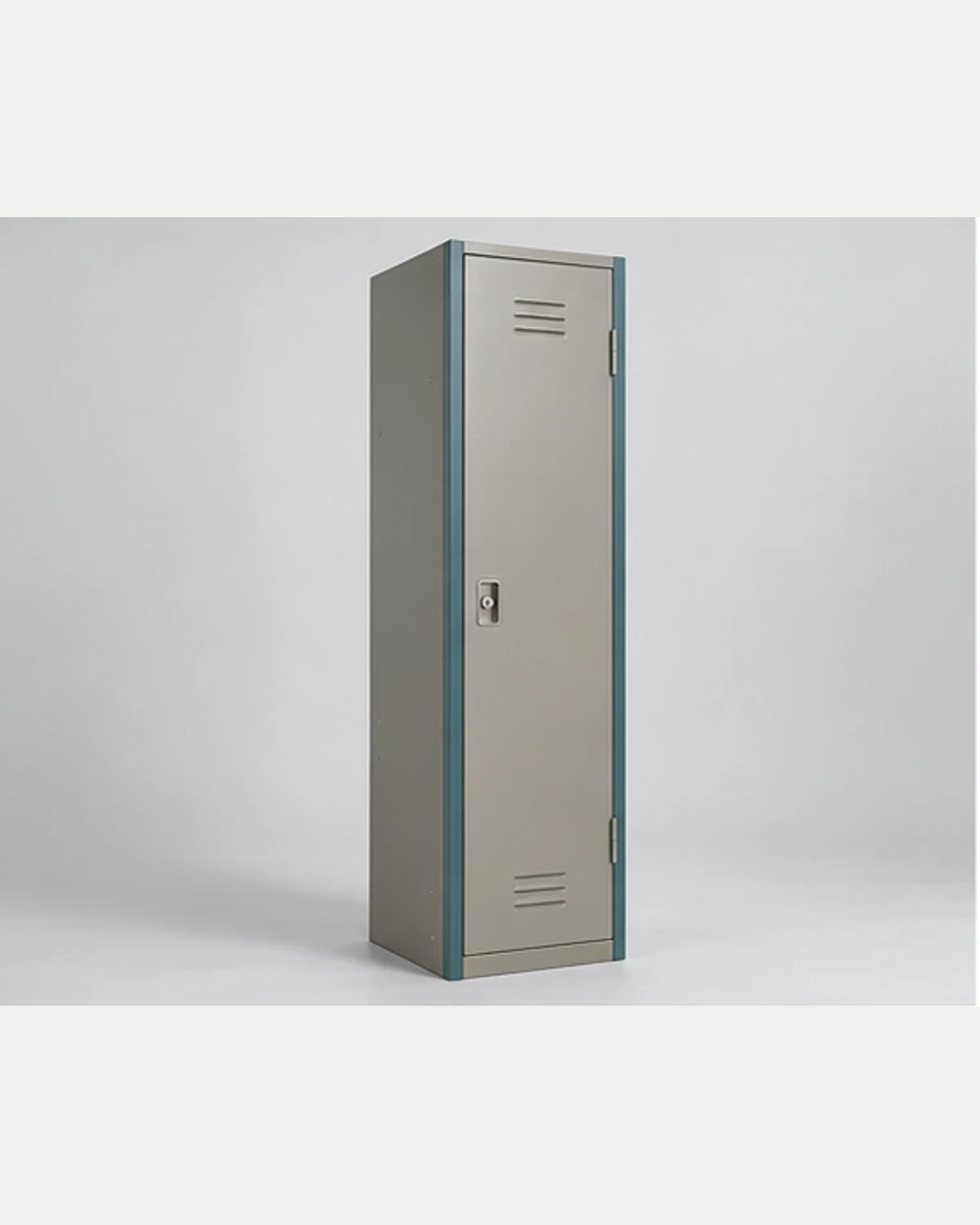
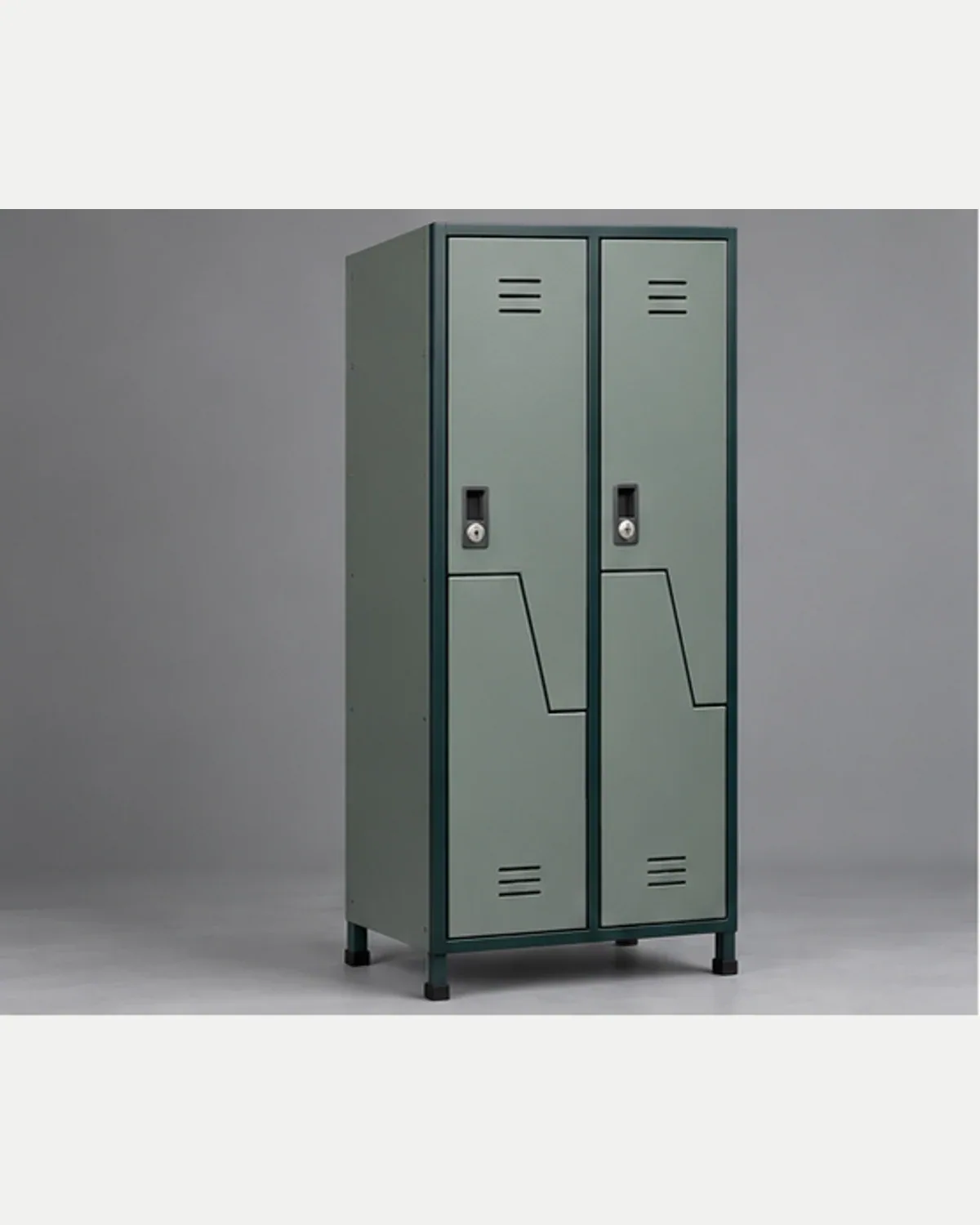
Z-style locker selection should be based on the usable compartment arrangement, not only the shape visible on the front. A buyer needs to understand how the proposed internal geometry relates to clothing, bags and the allocation routine. This comparison helps importers and distributors ask those questions without assuming that similar door counts provide equivalent usable space. Internal dimensions, fittings, materials and the availability of the proposed options remain To be confirmed.
Start with the items assigned to each user
Describe representative clothing, bags and other items as they will be stored. Include any hangers or protective containers that affect the envelope. Separate the need for hanging space from the need for a clear compartment for other items. Avoid using a generic label such as personal belongings where the actual storage task can be described more precisely.
Ask the project team whether the same compartment is assigned permanently or shared through another routine. An allocation decision can change what must remain in the compartment and what must be removed between users. These operational questions should be resolved by the buyer, rather than inferred from the proposed locker style.
Request the internal arrangement
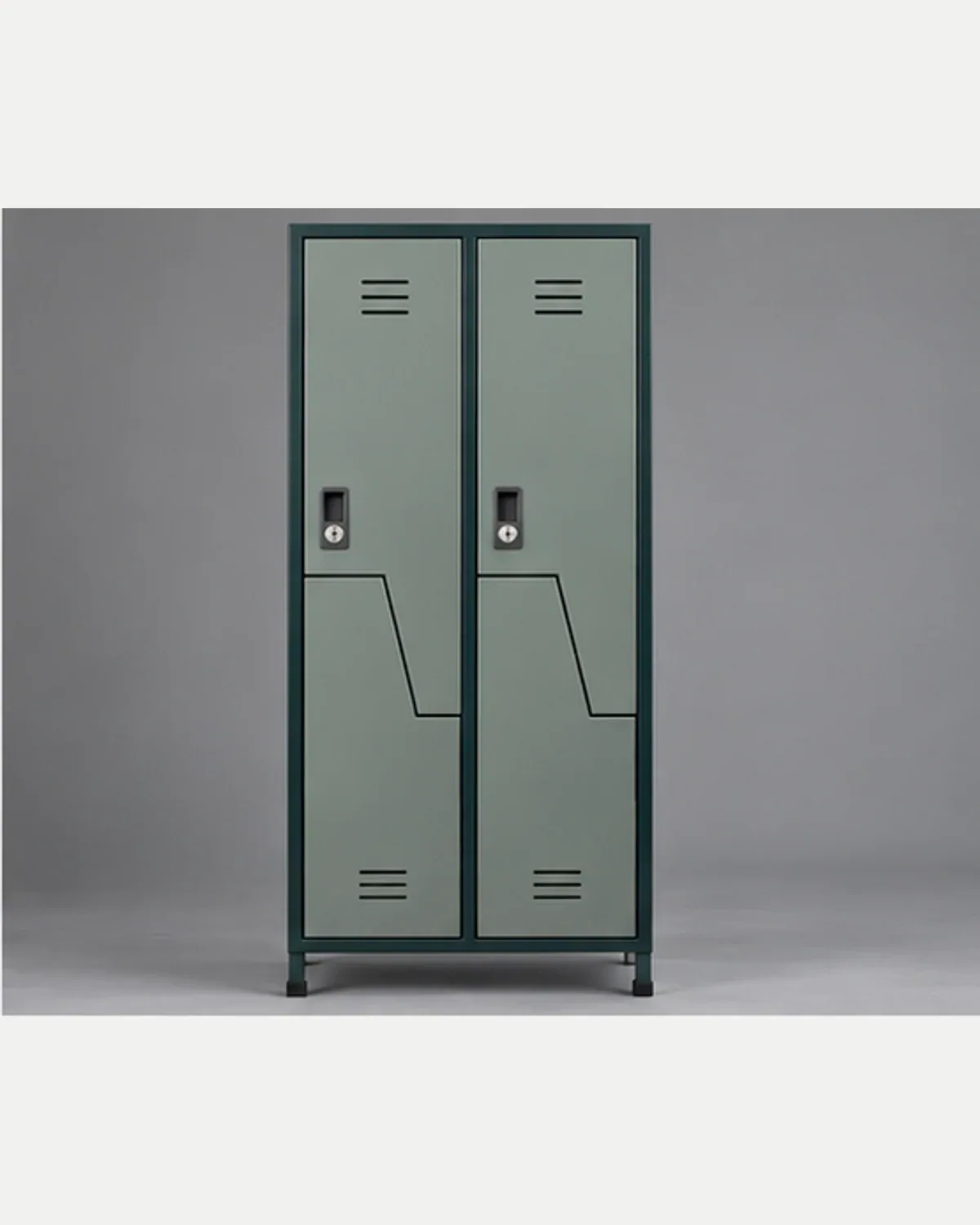
Ask for a drawing or sample reference that makes the usable compartment shape understandable. A front image does not establish every interior boundary or fitting. The buyer should review each proposed allocated space and identify whether the items can be inserted, stored and retrieved as intended. Record each compartment reference separately rather than assuming a successful check applies to every proposed space.
Compare arrangements against the same item set
| Decision | Z-style proposal | Alternative locker proposal |
|---|---|---|
| Hanging need | Show the proposed usable arrangement | Show the proposed usable arrangement |
| Bag or item storage | Review the actual compartment geometry | Review the actual compartment geometry |
| Allocation | Explain the user routine it supports | Explain the user routine it supports |
| Access | Demonstrate insertion and retrieval questions | Demonstrate insertion and retrieval questions |
| Key policy | Confirm the proposed arrangement | Confirm the proposed arrangement |
| Identity | Record the reviewed configuration | Record the reviewed configuration |
The table is not a statement that the arrangements perform equally or that either one is better. It creates a common test basis so the buyer can identify the differences that matter to its users. Record a requirement that remains unresolved instead of treating the style name as the answer.
Consider allocation across a facility
A project may have different stored-item needs in different zones. Identify which user groups need the reviewed arrangement and which need another configuration. For a distributor, this can help distinguish useful range options from variants that differ mainly in appearance.
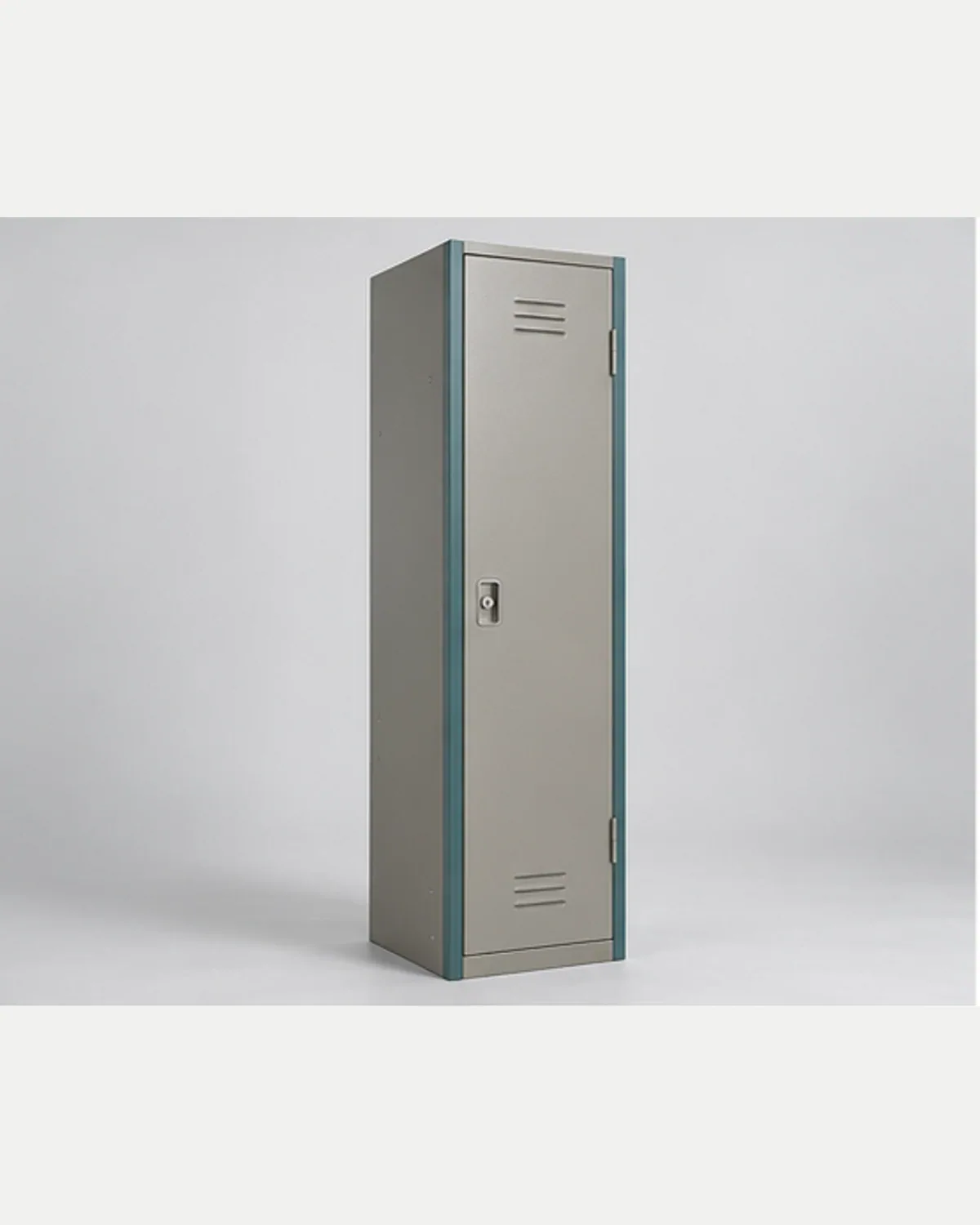
The Z-Style Metal Locker and Locker with Hanging Rail are candidate references for this comparison. Their names do not confirm a particular hanging envelope, lock package or ventilation result. Review the metal locker category and keep the evidence for each shortlisted configuration separate.
Record appearance and function independently
The buyer may want lockers to share a finish or visual rhythm in a room, but appearance should not conceal a difference in usable geometry. Ask which surfaces and hardware are included in the appearance reference, and which internal questions still need a drawing or sample review.
For education and training applications, discuss the actual items and allocation routine with the responsible project team. Do not infer suitability for every trainee, staff group or activity from a layout image. Where particular performance or operating requirements apply, identify the appropriate evidence and approval owner.
Make an OEM/ODM request specific
If a buyer wants a different internal arrangement or accessory, provide a marked reference and explain the storage problem. Ask whether the proposal needs a revised drawing, sample or other review. A change to the geometry should not inherit an earlier fit conclusion merely because the front style looks familiar.
Send the item set, comparison worksheet, candidate references, estimated quantities and destination to the quotation team. Ask for an explanation of the proposed arrangement and any exceptions. This produces a more useful sourcing discussion than requesting a door count and assuming that all the interior details will follow automatically.
Buyer FAQ
Does the Z-style label confirm usable hanging space?
No usable envelope should be inferred from the label alone. Request the proposed internal arrangement and review it with representative items, including hangers or containers. Record which configuration and item set the fit discussion actually covers.
Can two similar front layouts serve different users?
They may raise different internal or allocation questions. Compare the actual proposals against the same item set and operating routine. The purchasing decision should follow the review evidence rather than assume equivalence from a similar appearance.
What is useful in a customization brief?
Provide a marked arrangement, representative stored items and the reason for each requested change. Identify essential functions and the buyer's approval owner. Ask the respondent to distinguish proposed changes from confirmed configuration details and available evidence.