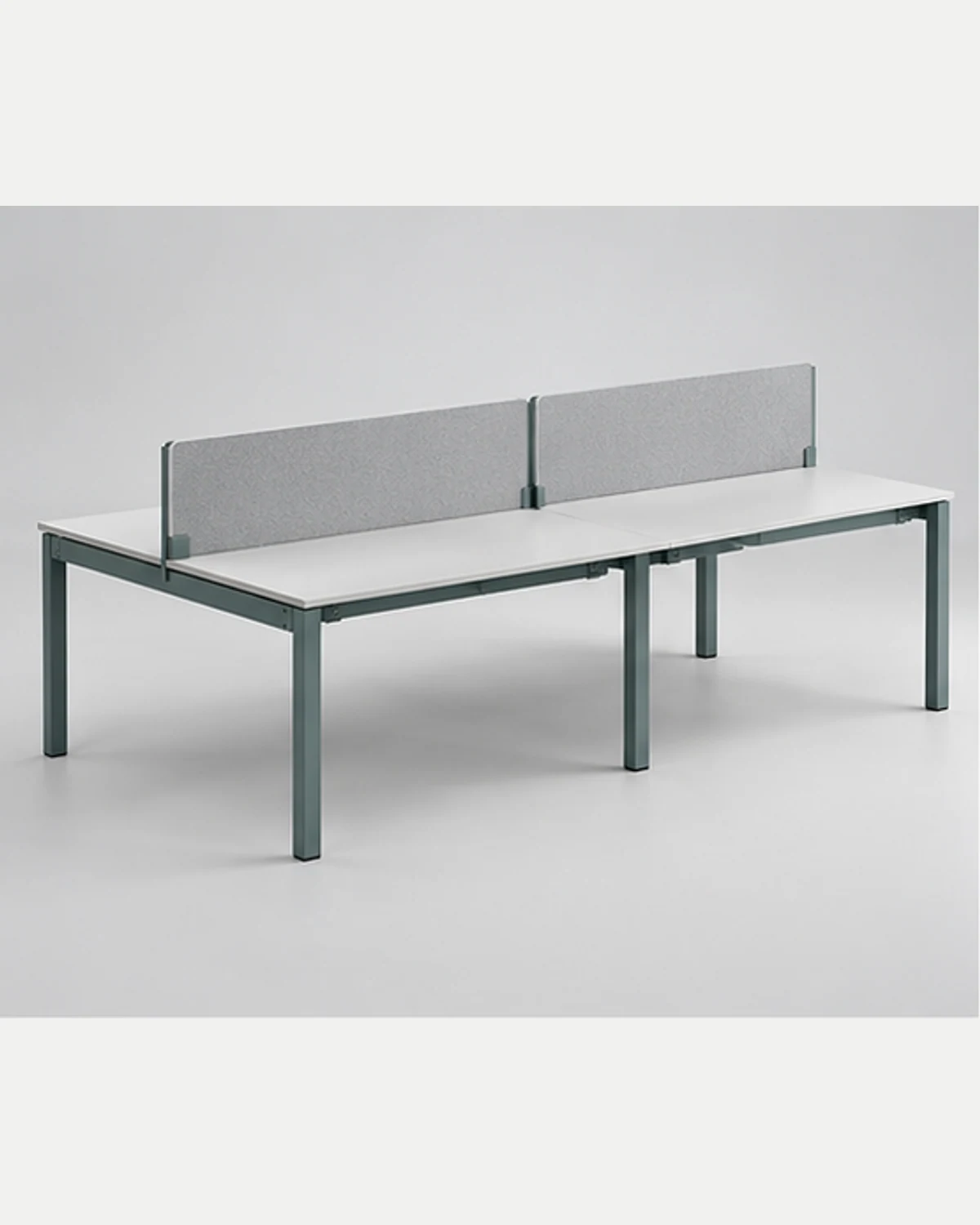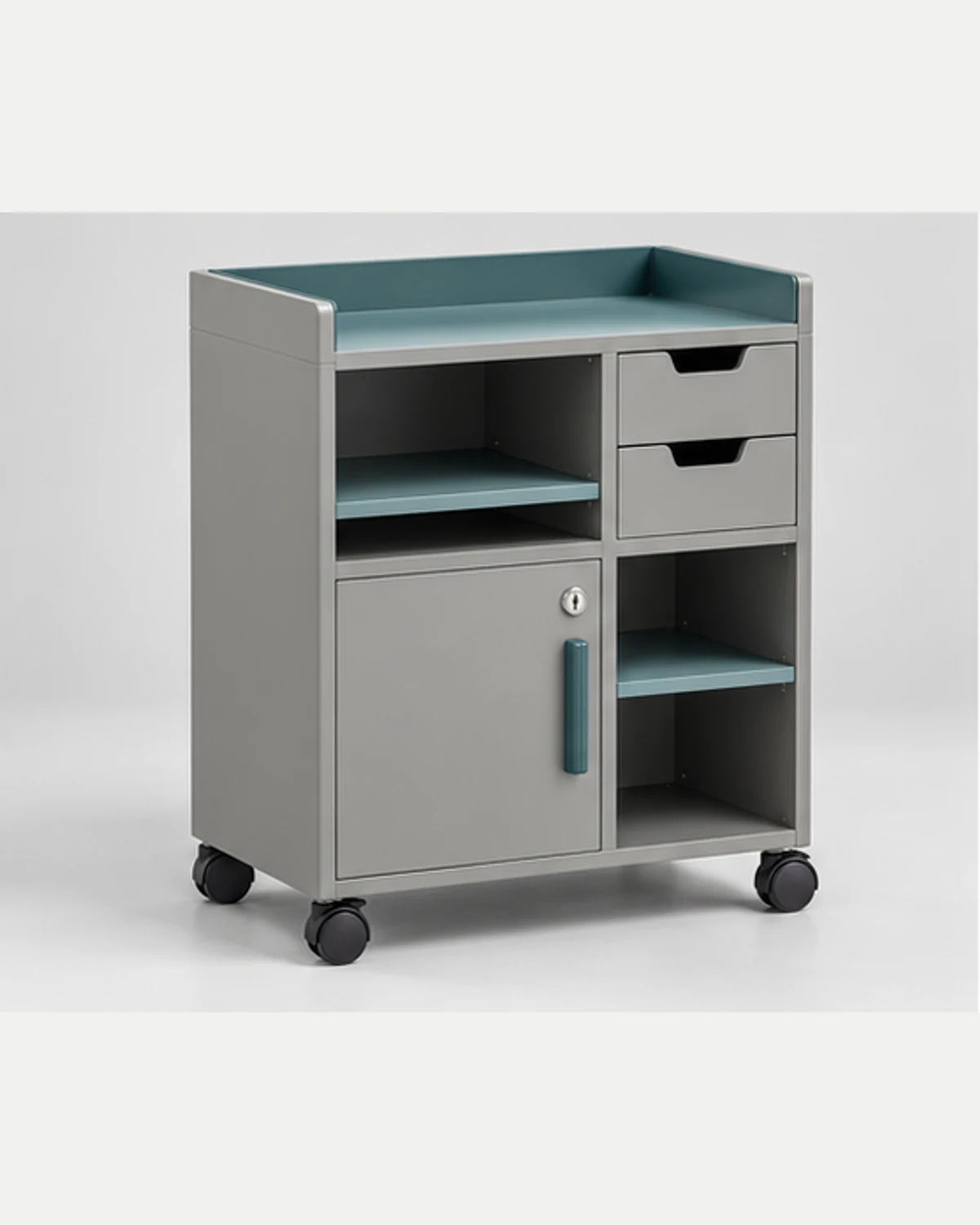

A modular office workstation quotation can become unclear when desks, storage, screens, fittings and destination work are discussed as one package without an itemized scope. For importers and OEM/ODM procurement teams, a mixed furniture bill of materials should show what is proposed, how variants connect and which interfaces still need approval. This guide provides that coordination worksheet without assuming that every component in an illustrative scene is included or that every requested combination is available.
Define the workstation as an approved combination
Identify the desk arrangement and the other furniture intended to work with it. State which items belong to the supplier request and which are existing equipment or provided by another party. A mood image can explain a visual direction, but it should not silently become the complete commercial scope.
Record the functions the workstation must support and any unresolved fit or access questions. Distinguish a proposed combination from a confirmed factory model. The buyer should know which references describe individual candidates and which identify a combination reviewed for a specific project. This helps prevent an informal package name from hiding differences in included items.
Keep interfaces alongside the item list
An itemized list is not enough if related products interfere with each other. Connect the desk, pedestal and relevant equipment positions to the current layout. Ask which drawings or other information are needed to review the interfaces. Do not infer complete compatibility from a group image or a matching finish.
Build the mixed furniture BOM worksheet
| BOM field | Buyer record | Proposal or decision needed |
|---|---|---|
| Product line | Candidate and intended function | Exact proposed configuration |
| Inclusion | Required, optional or supplied elsewhere | Quotation scope and exclusions |
| Interface | Related desk, storage or equipment reference | Fit and access review |
| Appearance | Relevant finish and hardware reference | Applicable sample or approval record |
| Variant | Location or user-group difference | Separate identity and quantity |
| Delivery | Receiving zone and preparation owner | Packing and destination responsibilities |
Use a separate line when a meaningful configuration or responsibility changes. An unexplained combined total can make it difficult to compare quotations and later identify which components belong to a workstation. Keep proposed alternatives visible rather than merge them into the same description.
Manage a coordinated appearance carefully
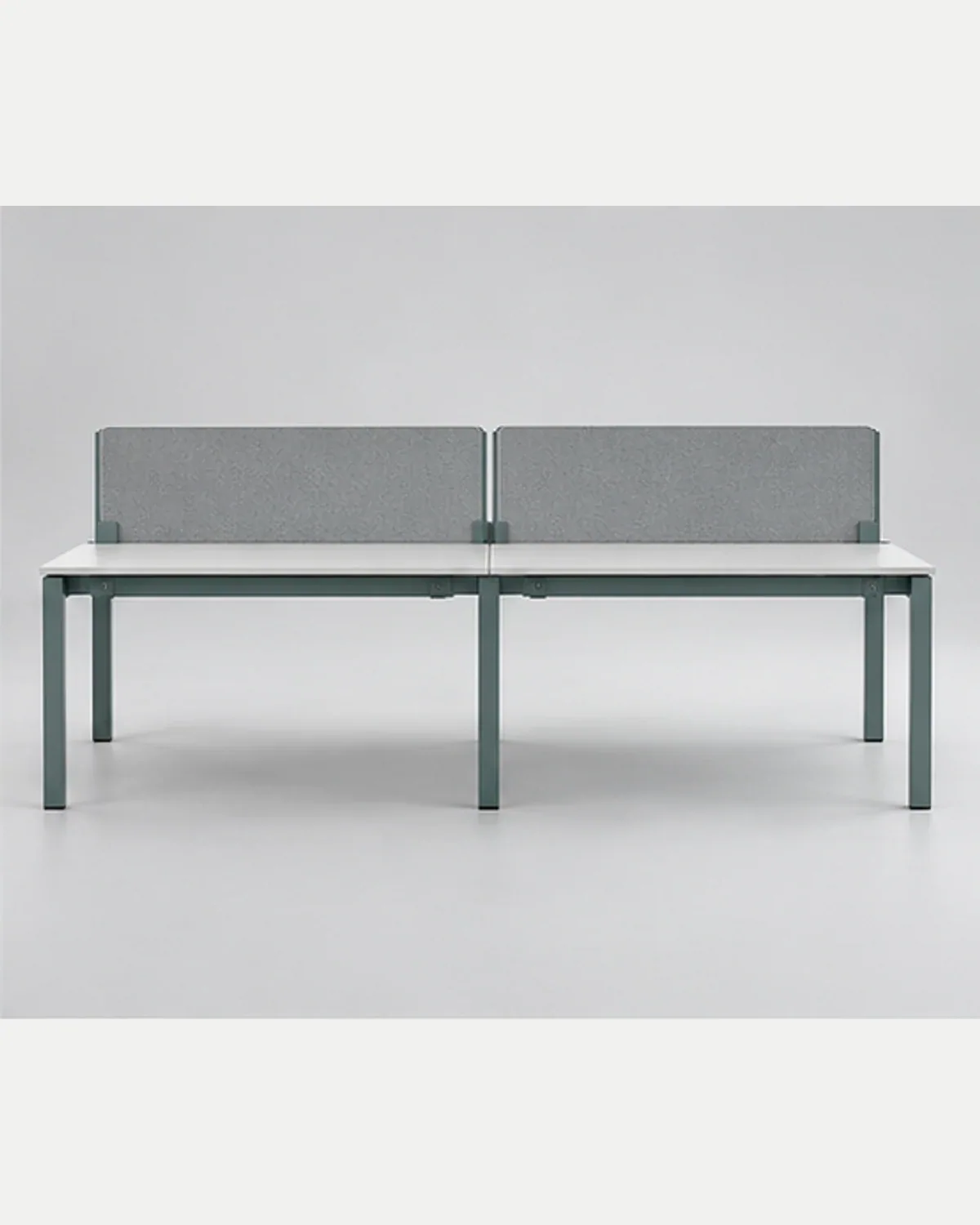
The buyer may want a common appearance across desk frames, drawer units and other storage. Record which references govern the proposed combination and what the sample review actually covers. A shared color description should not be treated as proof of matching surfaces or an approved accessory package.
For OEM/ODM changes, identify the reason for the change and the affected product lines. Ask whether the change influences fit, assembly, appearance or packing. Keep the current drawing and sample references with the BOM so that a quotation revision can be understood without reconstructing an informal conversation.
Keep candidate identities and quantities explicit
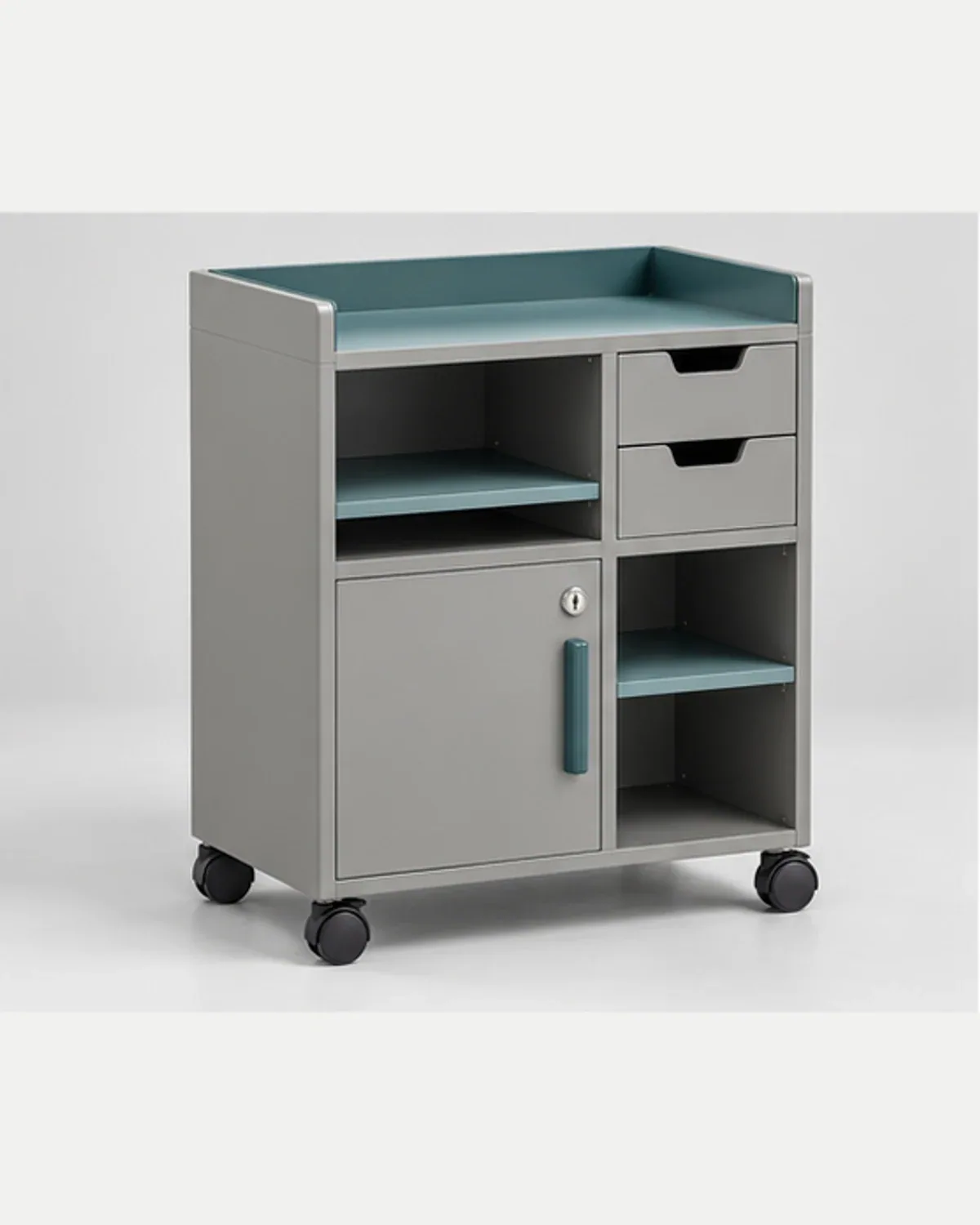
The Modular Office Workstation is a candidate reference for a coordinated workspace discussion. The Mobile Office Caddy provides a separate storage reference and should not be assumed to be part of that workstation's supply scope. Confirm the actual proposed components, usable arrangements and relevant product information.
Review the desk and workstation category and the corporate office application when organizing a shortlist. Names, images and related links do not verify model dimensions, material details, included fittings or interface performance. Those specifications and commercial conditions remain To be confirmed for the chosen proposal.
Connect the BOM to receiving and change control
Ask how product lines, package references and accessories will be connected to the buyer's locations. Identify the preparation or installation information the destination team needs. Arrival, component checking and later approval of the prepared workstation should remain distinct records rather than be combined into one assumed acceptance event.
Where the project is phased, state which references remain common and which differ between phases. A later quantity request should not silently change the configuration basis. Ask the respondent to identify revisions and their effect on the mixed order before using an earlier price or approval as if it applied unchanged.
Request a quotation against the worksheet
Send the BOM, layout references, estimated quantities by line and destination requirements to the procurement team. Request a response identifying proposed configurations, included work, options, exclusions and open decisions. Any buyer budget or desired receiving sequence should be described as a request, not a confirmed supplier commitment.
The useful result is a coordinated purchasing scope that can be checked by procurement, technical reviewers and the receiving organization. Product development, manufacturing coordination and export support can be discussed within that scope without turning a group image into a claim that every illustrated item or service has already been verified and included.
Buyer FAQ
Does a workstation image establish everything included in the quotation?
No. Use the image as a discussion reference and request an itemized proposal. Identify desks, storage, accessories, equipment and destination work separately so that required, optional and externally provided items remain visible in the purchasing record.
When should a mixed order use another variant reference?
Create a distinct reference when the proposed configuration, included component or relevant responsibility changes in a way the buyer must order and receive separately. Keep that identity connected to quantities, drawings and location allocations rather than rely on appearance alone.
What should be checked before repeating a workstation order?
Confirm the current BOM, drawing and sample references, unresolved interfaces and commercial scope. Ask for changes to be identified explicitly. A familiar package name or an earlier quotation does not establish that a later proposed combination is unchanged.