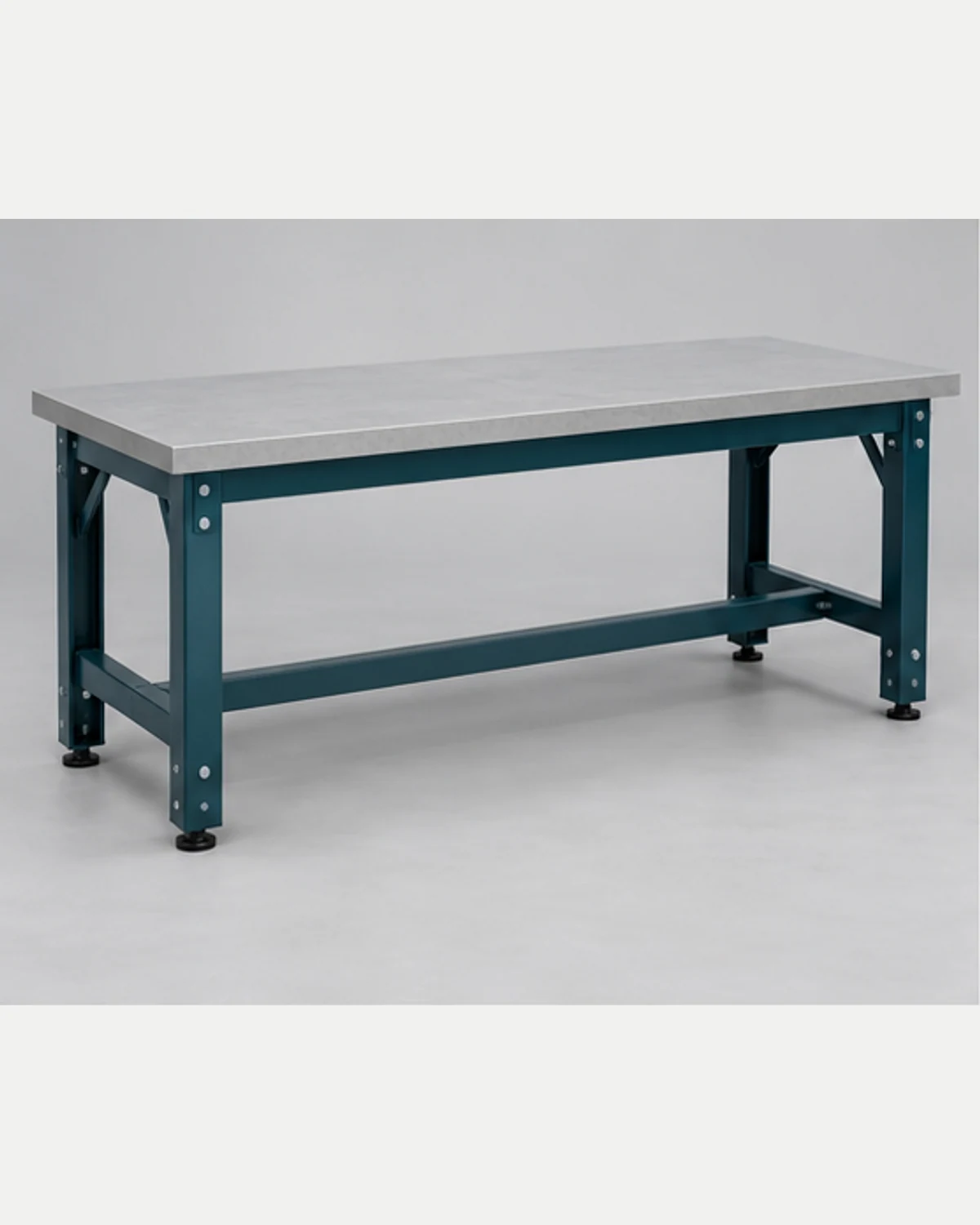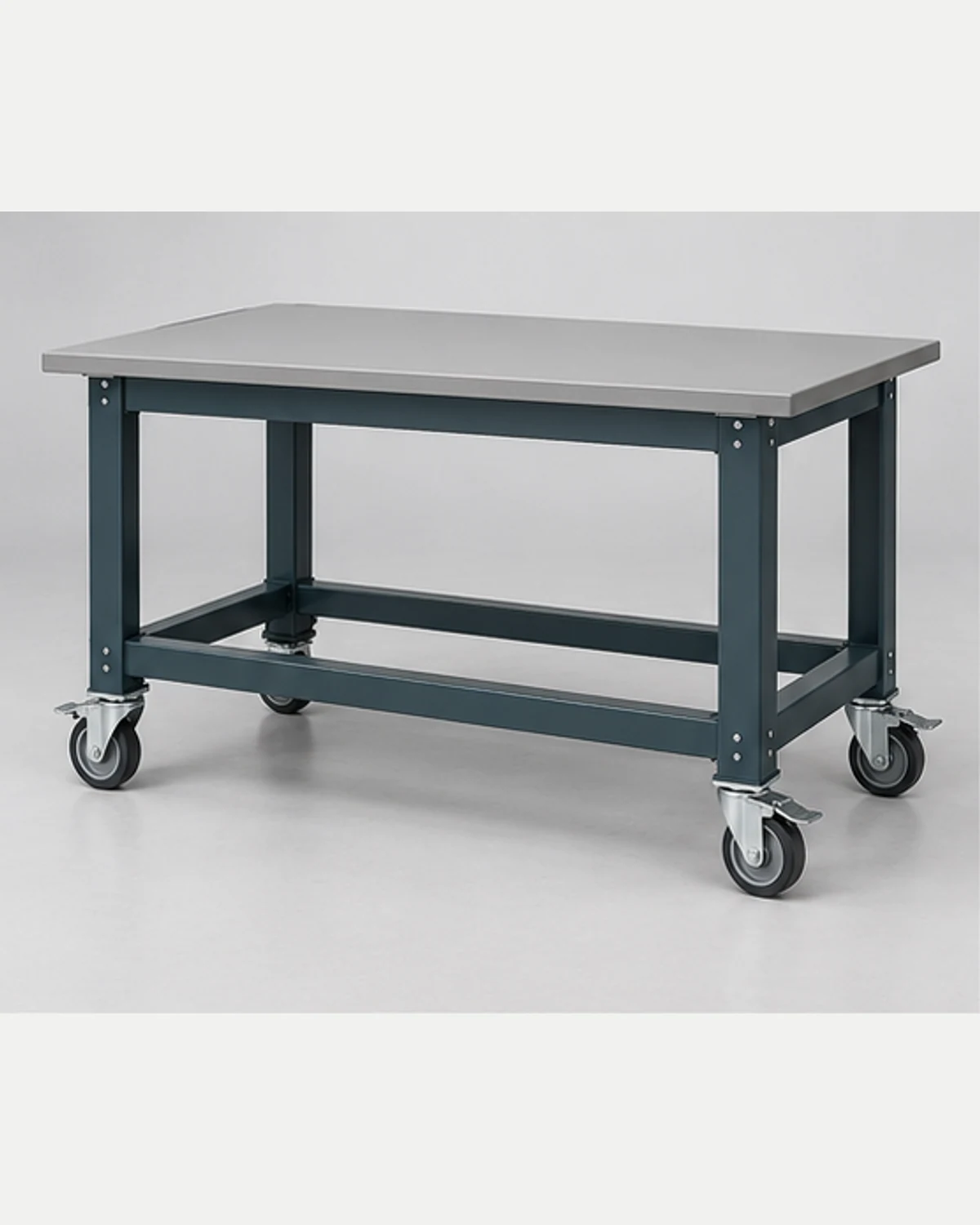

Workbench assembly and export packing should be reviewed together. The way a proposed product is divided into components affects identification, receiving checks and the work required at the destination. A buyer should not accept a packing description without understanding those responsibilities. This guide helps importers compare proposals and prepare receiving questions. It does not assume that every workbench is knock-down, prescribe a transport packing design or confirm a particular component weight.
Start with the proposed product configuration
Identify the frame, working surface, storage and accessories included in the proposal. Ask the respondent to state whether the product is proposed as assembled or with destination work required. The answer should relate to the specific reference and option list, not to a broad claim about all workbenches in a category.
For an OEM/ODM order, use the current marked drawing and revision. A change to a surface, drawer, shelf or other accessory can raise new questions about component identification and protection. Keep the product and packing discussions connected so that the receiving plan is not prepared against an obsolete arrangement.
Separate assembly instructions from site decisions
Ask what product information will be supplied and who reviews the actual location and intended use. Product assembly, positioning and site-specific installation are distinct responsibilities. A general export quotation should not conceal unresolved work by implying that every destination task is included.
Establish a component identification record
Use the worksheet to connect components with the relevant product line. Its fields request information; they do not assert a standard packing method or verified handling limit.
| Packing question | Buyer needs to know | Proposal to confirm |
|---|---|---|
| Product set | Which reference does each package serve? | Component-to-product identification |
| Protection | Which surfaces and fittings need review? | Proposed protective arrangement |
| Accessories | What arrives with each configuration? | Accessory list and packing references |
| Preparation | Which tasks remain after arrival? | Assembly information and responsible role |
| Receiving | How will incomplete sets be recognized? | Package and component checking record |
| Documents | Which descriptions must remain consistent? | Order and packing information scope |
Ask for clarification when a component or accessory is absent from the proposed list. Do not infer inclusion from a product scene or from another quotation. The buyer needs to know what is priced before deciding whether two proposals cover equivalent work.
Review protection without guessing a transport design
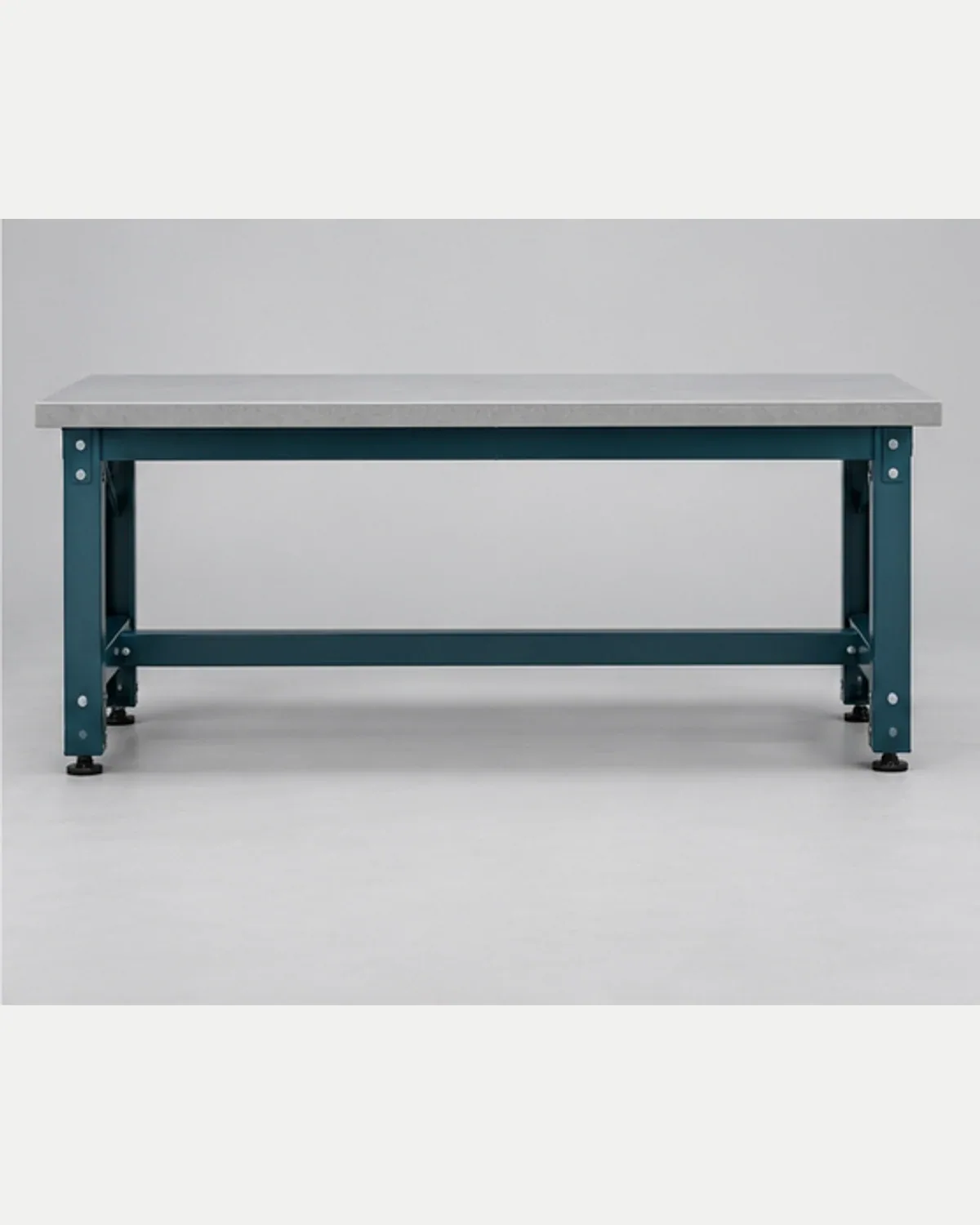
Identify the exposed surfaces, edges and functional fittings that concern the receiving team. Ask for the proposed packing and how product references will remain recognizable. The buyer can request evidence or review appropriate to the intended shipment without inventing a universal carton, pallet or protection arrangement.
Packing dimensions, weights, quantities and transport-specific requirements remain To be confirmed. Where the buyer or forwarder identifies a relevant requirement, record who will review it and how the agreed proposal will be documented. A generic illustration cannot establish that a packing arrangement is suitable for every route or handling condition.
Consider destination preparation resources
Explain where packages will be received and what preparation resources the buyer expects to use. Ask which instructions, fittings and identification information are proposed for the selected configuration. Do not assume that a receiving organization has an assembly operation simply because it can accept freight.
The Heavy-Duty Workbench and Mobile Workbench are distinct candidate references for this discussion. Neither name confirms a particular assembly or packing arrangement. Review the workbench category and connect each inquiry line to the exact proposed option set.
Keep receiving and acceptance records distinct
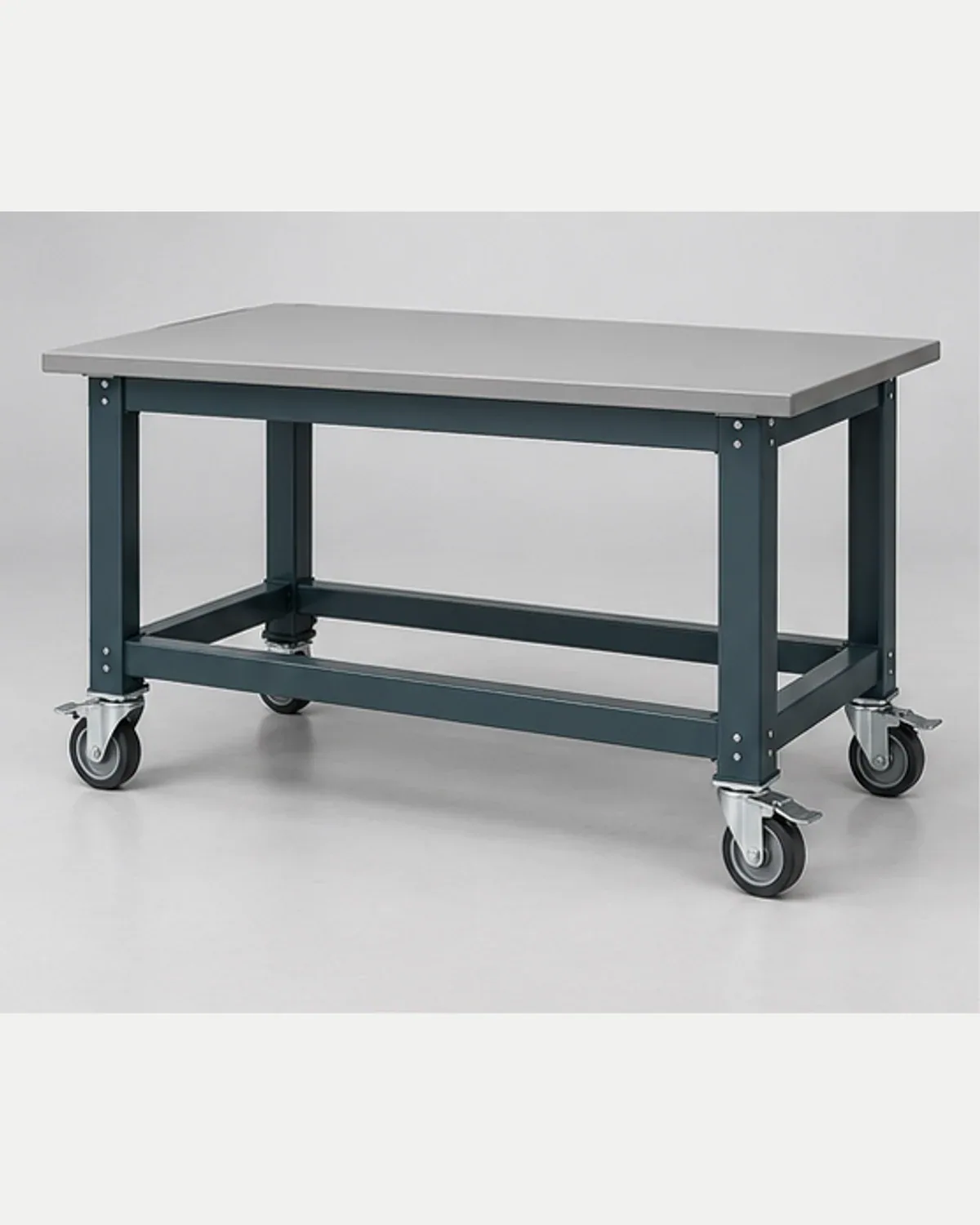
A package count records arrival information. A component check records the contents identified against the proposed set. A later product review addresses the agreed configuration and preparation work. State who owns these decisions and how unresolved issues will be reported rather than treating one receiving signature as completion of every check.
For an industrial project, send the component worksheet, candidate references, estimated quantities and destination requirements to the procurement team. Ask the respondent to identify included work, exclusions and open questions. This supports a useful packing discussion without making unsupported promises about freight savings, assembly time, damage prevention or delivery performance.
Buyer FAQ
Can an importer assume that a workbench will be supplied knock-down?
No. Ask for the arrangement proposed for the exact product and options. A category label or familiar illustration does not establish construction, the components shipped separately or the work expected at the destination.
What should be checked before approving a changed accessory?
Ask how the change affects the product reference, component list, assembly information and packing proposal. Keep the relevant drawing revision with the order so the receiving team does not check packages against an earlier configuration.
Does a complete package count establish product acceptance?
Not by itself. Package identification, component checking and review of the prepared product answer different questions. Agree the records, responsibilities and unresolved-issue process before the order, without inventing an automatic acceptance or replacement promise.