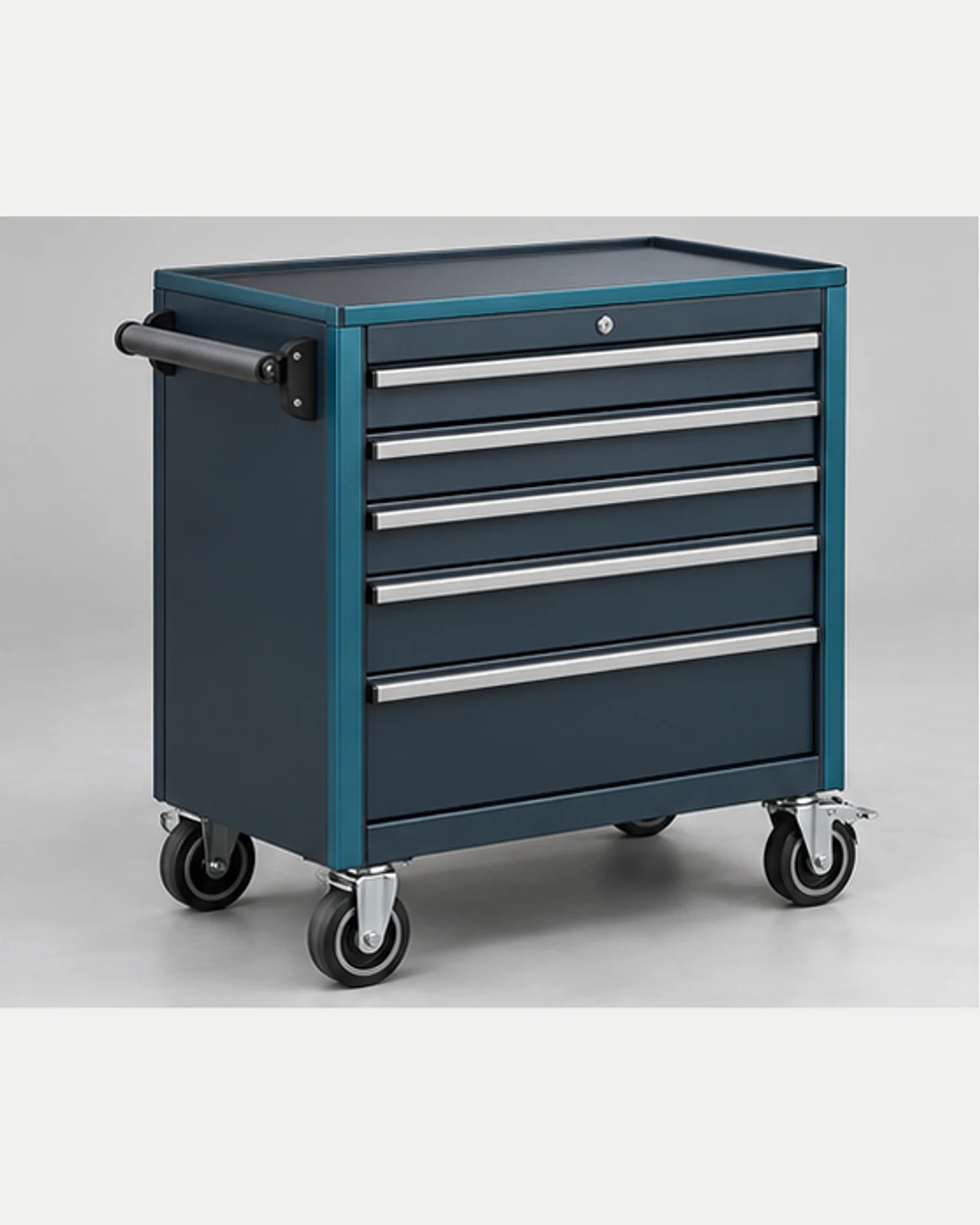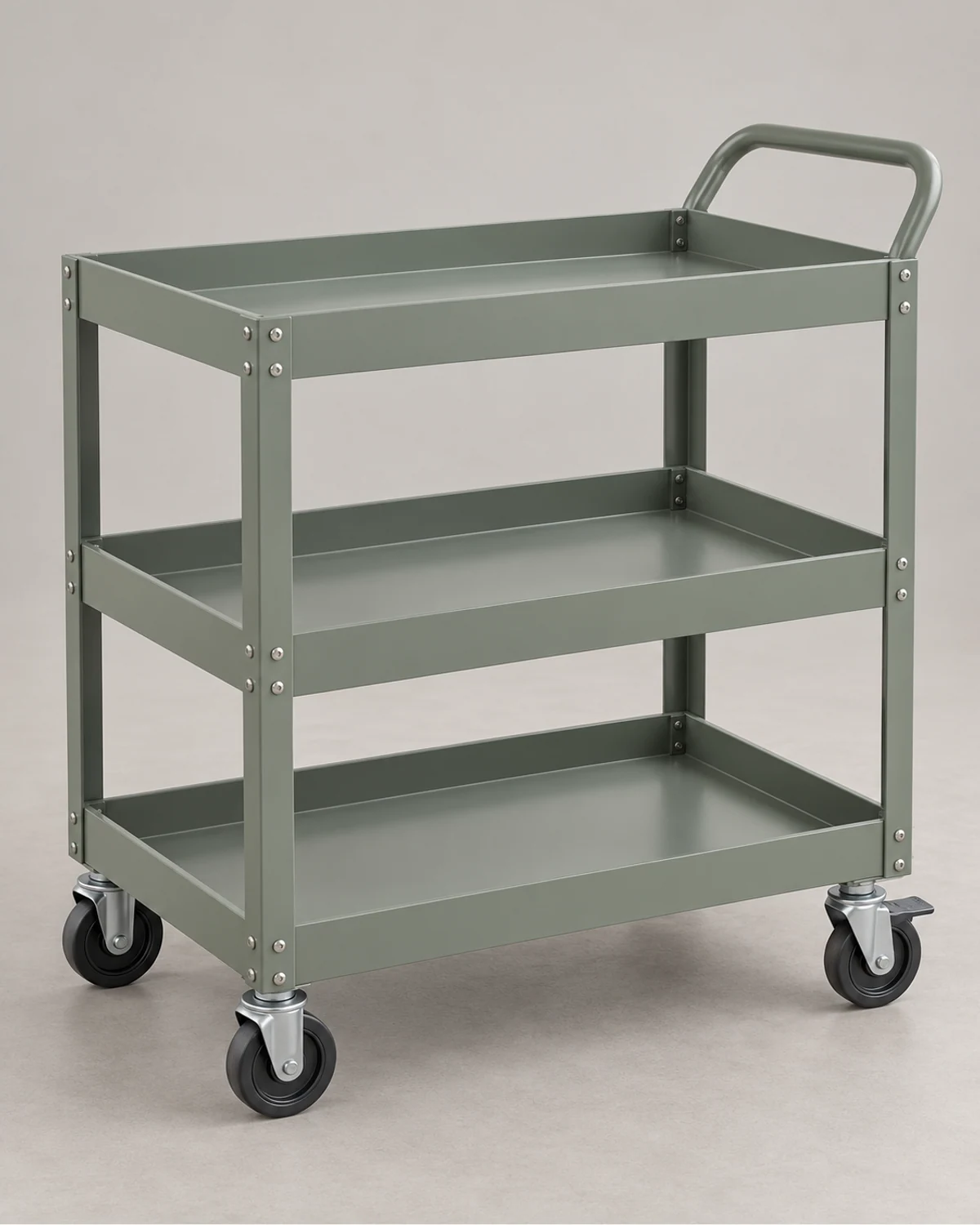
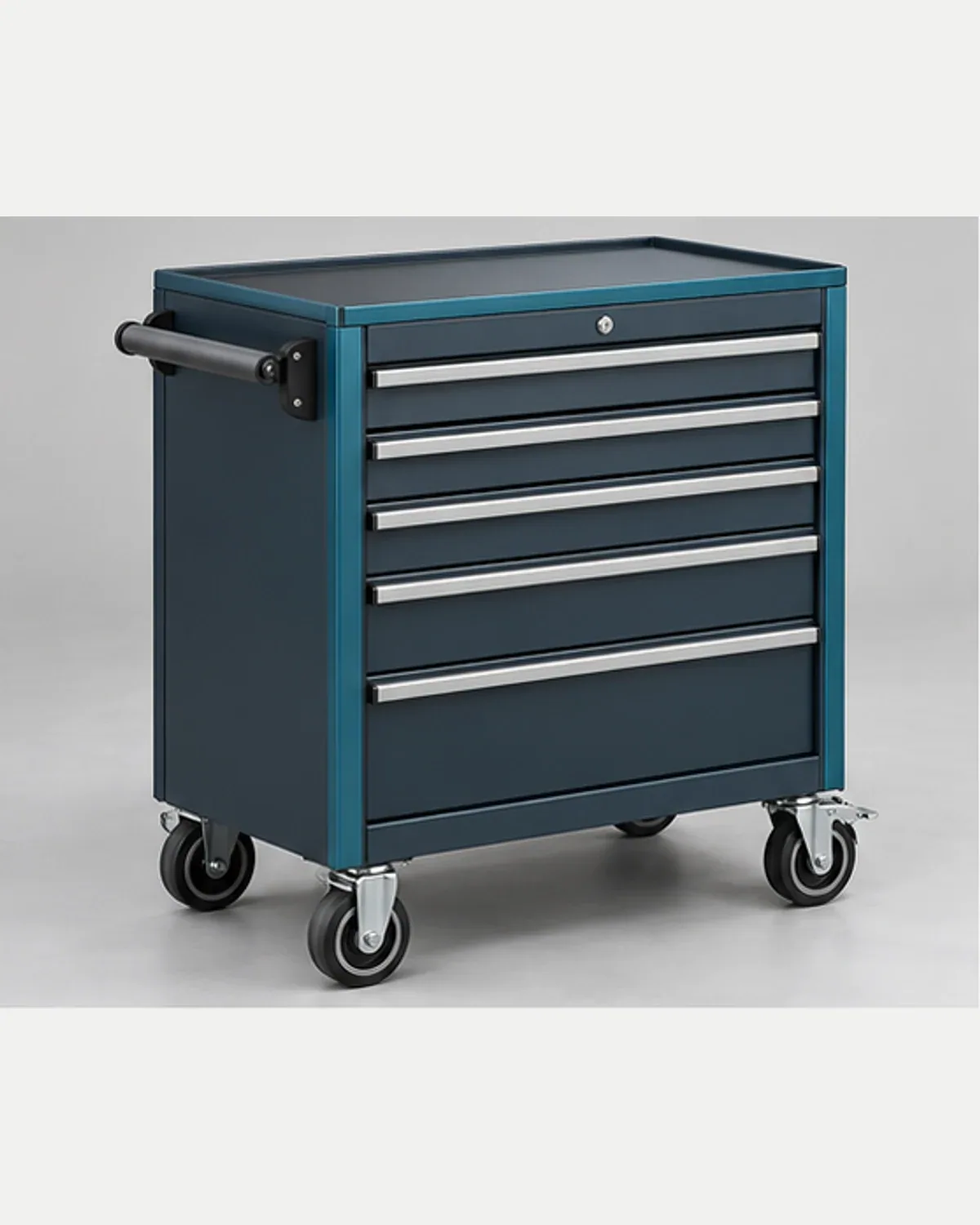
A tool cart needs review in more than one operating state. Moving it between work areas and retrieving tools while it is parked are different tasks. An importer comparing workshop storage proposals should describe both, rather than assume that a mobile product name confirms stability, easy movement or convenient drawer access. This technical comparison organizes the questions for a specific proposed configuration; it does not provide a universal safety assessment or a verified load rating.
Describe the movement task
Record where the cart is expected to travel and the kinds of access or floor questions the project team has identified. Explain what will be stored during movement and who is responsible for reviewing the operating conditions. Do not prescribe a handling method from a product image or assume that a proposal suits every workshop route.
Ask the supplier to identify the movement, handle and castor arrangements it proposes for the selected configuration. Where a formal operating or performance requirement applies, state it and request relevant evidence. Keep those records connected to the actual proposal rather than transferring a statement from another cart or a stationary tool cabinet.
Separate normal movement from freight handling
Daily movement within a workshop and moving a packaged product during delivery are different discussions. The buyer should identify both needs and ask for the relevant information, without treating a proposed operating accessory as confirmation of a transport-handling arrangement.
Review the parked access task
Show where the cart will stand during tool retrieval. Include nearby work surfaces, doors and circulation routes that affect drawer access or the position of the user. Describe which tools are retrieved frequently and whether accessories remain attached during use.
Ask about the operating information relevant to the proposed drawer and parking arrangement. A photograph of open drawers does not establish safe use, internal load conditions or the features included in an individual order. Product-specific dimensions, materials, castor details and performance remain To be confirmed before a commercial description can state them as facts.
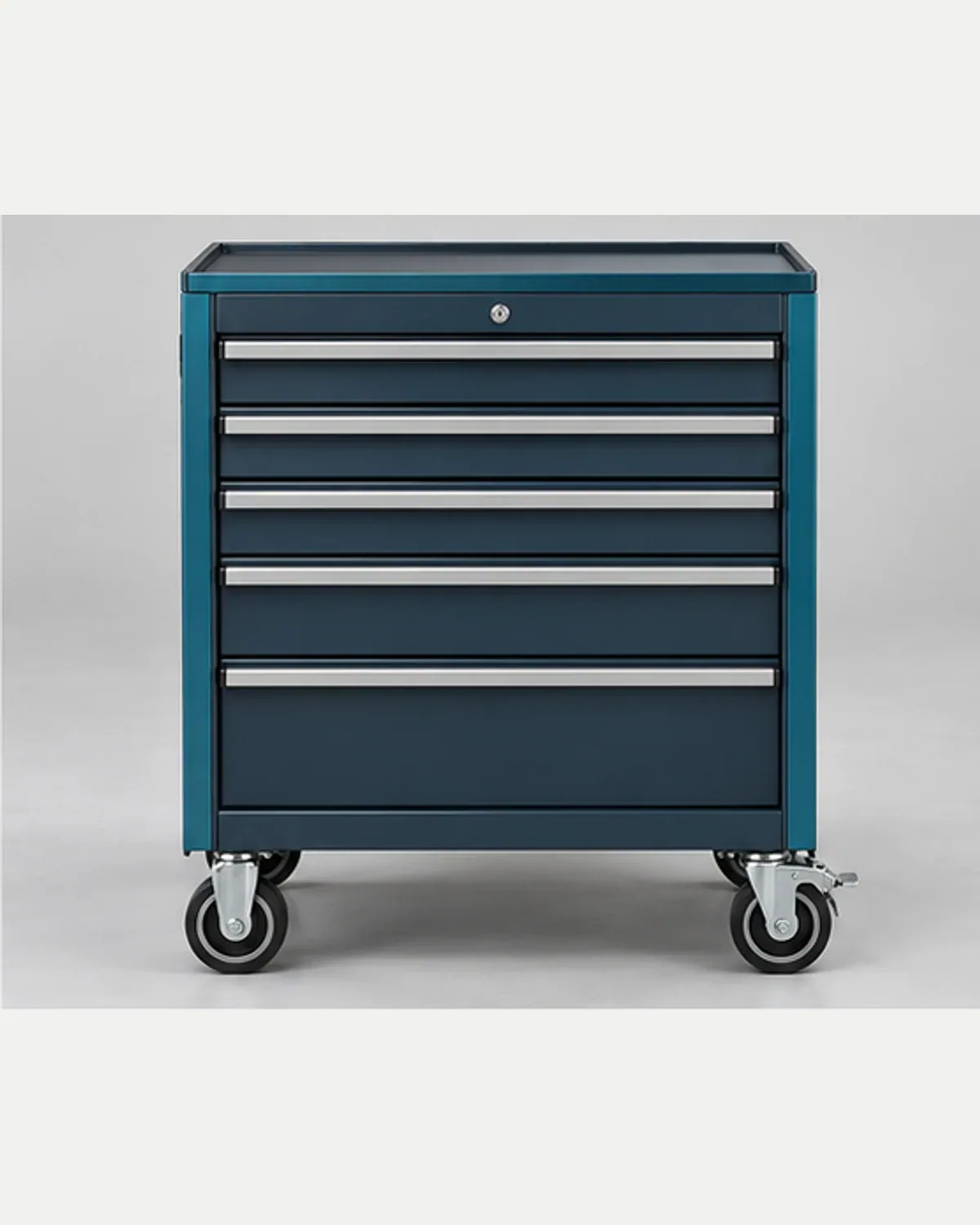
Compare the states in a review table
| Review topic | Moving state | Parked retrieval state |
|---|---|---|
| Location | Route and known access questions | Work area and user position |
| Stored items | Intended condition during movement | Retrieval and return routine |
| Accessories | Proposed handle and castor details | Proposed parking and drawer arrangements |
| Evidence | Relevant operating information | Configuration-specific access and performance evidence |
| Acceptance | Responsible review role | Responsible review role and open checks |
Use the table to prevent one successful observation from answering every question. A buyer who is satisfied with drawer layout still needs the movement proposal reviewed, and acceptance of a movement arrangement should not conceal an unresolved retrieval-space problem.
Keep product choices and options traceable
The Rolling Tool Cabinet Cart and Mobile Workshop Tool Trolley are separate candidate references. Ask for the proposed drawer, accessory and movement arrangements rather than assuming their names describe equivalent products. Use the specialty cabinet category to keep the shortlist connected to the intended storage job.
For industrial and warehousing applications, the buyer should identify which workplace conditions and review requirements apply. A generic candidate image or range description does not establish suitability for an individual process. Record why a proposed option is relevant and what evidence remains outstanding. Keep separate inventory notes for movement and parked use. If the buyer expects tools or accessories to be removed before moving the cart, make that operating assumption explicit for the review owner.
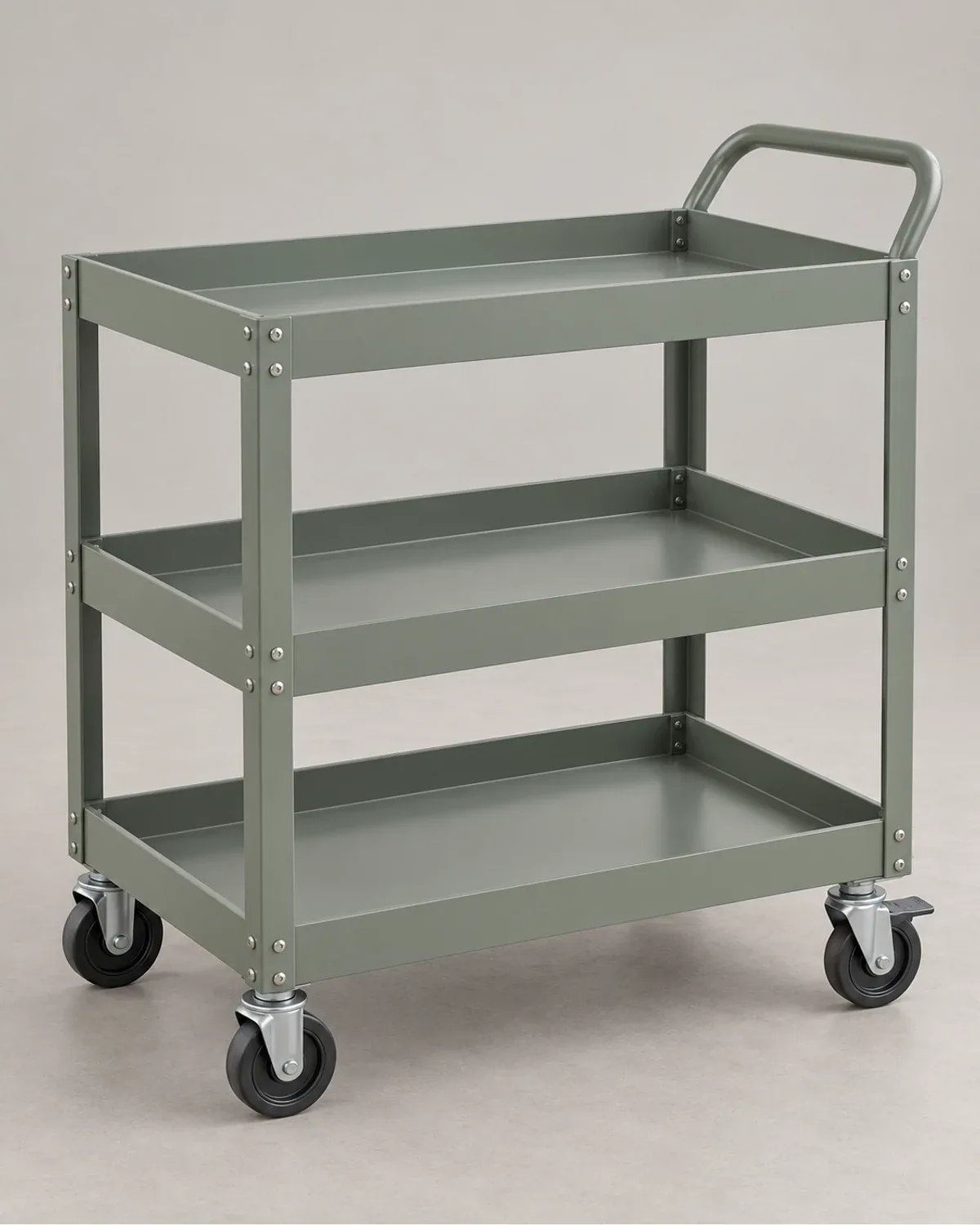
Review changes across both operating states
An OEM/ODM request for another drawer layout, handle, accessory or working surface may affect both movement and parked use. Provide a marked reference and explain the task behind the change. Ask the respondent to identify what needs a revised drawing, sample or other review before the configuration is treated as agreed.
Send the comparison table, tool inventory, candidate references, estimated quantities and destination to the quotation team. Ask for a response that states the proposed arrangement and distinguishes confirmed details from assumptions and optional work. The result should support a clear purchasing discussion without turning the word mobile or heavy-duty into an unsupported performance guarantee.
Buyer FAQ
Does a mobile cart name prove suitability for a workshop route?
No. Describe the route, stored items and operating conditions, then ask for the proposed configuration and relevant product information. The appropriate review should consider actual use rather than transfer assumptions from another cart or product image.
Why review drawer access separately from movement?
They involve different positions and tasks. The buyer needs to understand where users stand, how tools are retrieved and what parking arrangement is proposed, as well as how the cart is expected to move between locations.
What should happen after an accessory change?
Ask which movement, access and packing assumptions are affected. Keep the changed reference with the proposal and identify any drawing, sample or evidence review needed before applying an earlier acceptance decision to the altered configuration.