A tool cabinet RFQ should identify the tools, access pattern and receiving work behind the order. For importers and OEM/ODM buyers, the following request fields help expose differences between proposals before a price is accepted.
A tool cabinet inquiry is more useful when it explains the work being supported, not just the appearance of a storage unit. An overseas distributor may be developing a workshop range, while a project buyer may need tools allocated to particular maintenance tasks. Both need a configuration that can be described, checked and received consistently. This guide helps importers, wholesalers and OEM/ODM procurement teams prepare that discussion. It does not establish the dimensions, drawer capacity, material thickness or certification of any candidate product; those specifications remain To be confirmed.
Build a practical inventory of the tools
Group the items that will be stored by use, shape and frequency of access. Distinguish loose tools, cases, consumables and equipment that needs its own storage arrangement. Describe bulky items and any protective inserts that must fit within a drawer. Where the inventory is still developing, identify the representative items that should be used for sample review. An inventory gives the supplier a reason for a proposed drawer layout and helps the buyer recognize when a visually attractive arrangement does not answer the actual storage problem.
Record the usable opening and access route
Ask about internal space, drawer travel and access to the rear of the drawer. Handles, rails and partitions may affect the usable arrangement. Show where the cabinet will stand and how users will approach it. Include nearby doors, work surfaces and walkways in the discussion. If more than one cabinet will be installed, describe how they should work together rather than checking each footprint in isolation.
Choose between stationary storage and a mobile unit
Explain whether tools remain at a fixed workstation or move between jobs. For a stationary cabinet, discuss the installation and operating information needed for the proposed location. For a mobile unit, describe the floor, movement route and how the unit will be parked while drawers are in use. Request details of the proposed movement and locking arrangements. Do not assume that a familiar product name proves stability, safe working load or suitability for a particular workshop task.
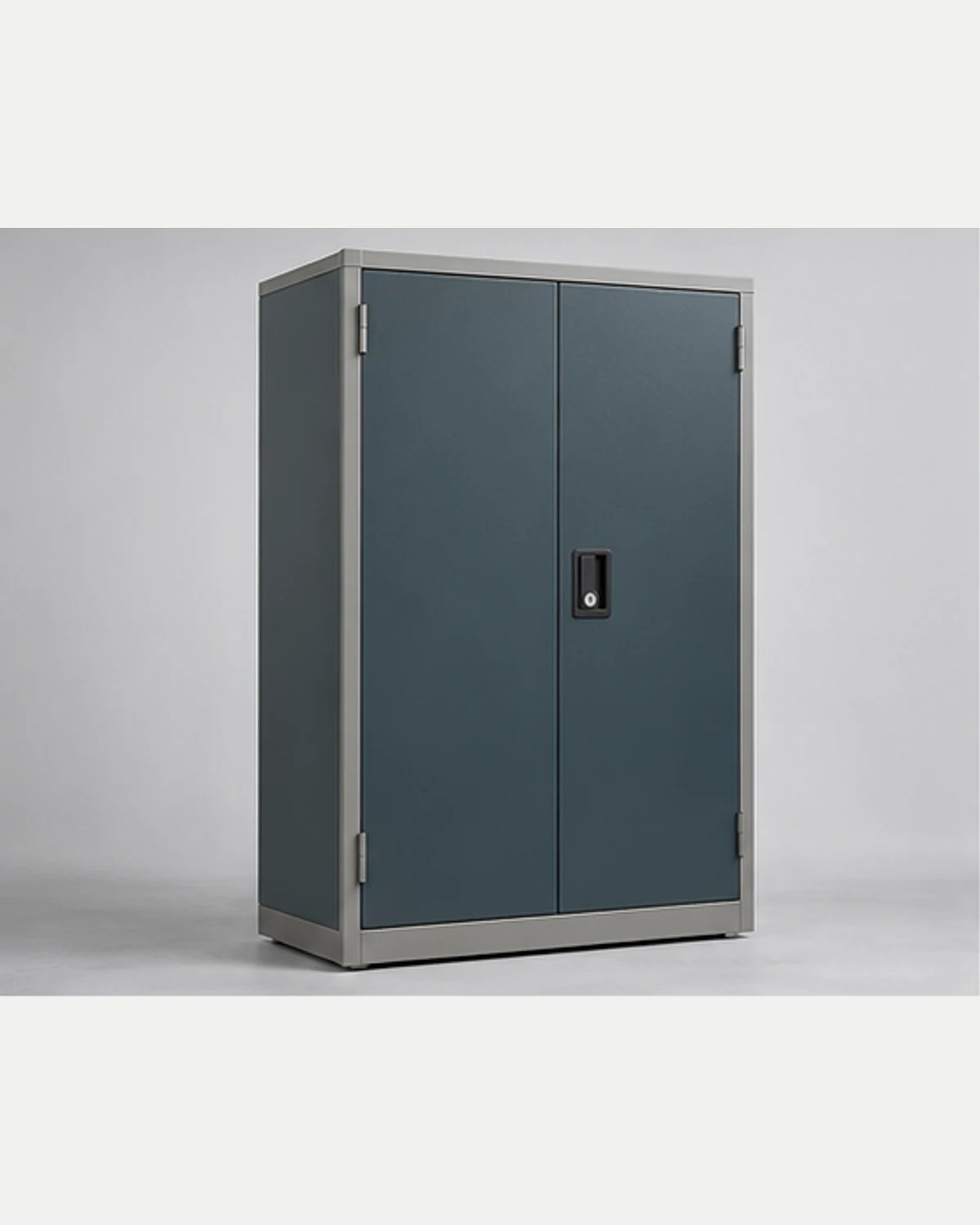
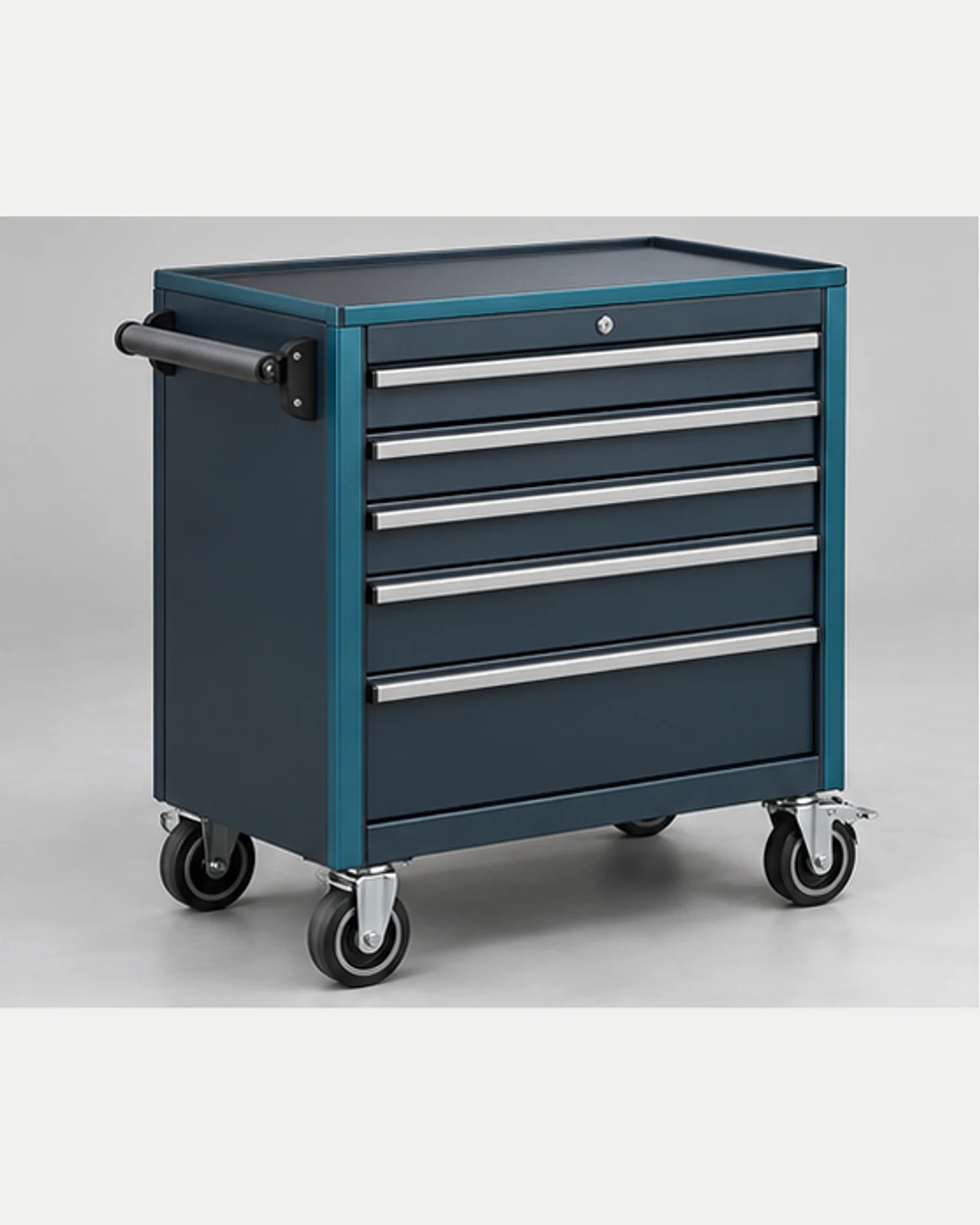
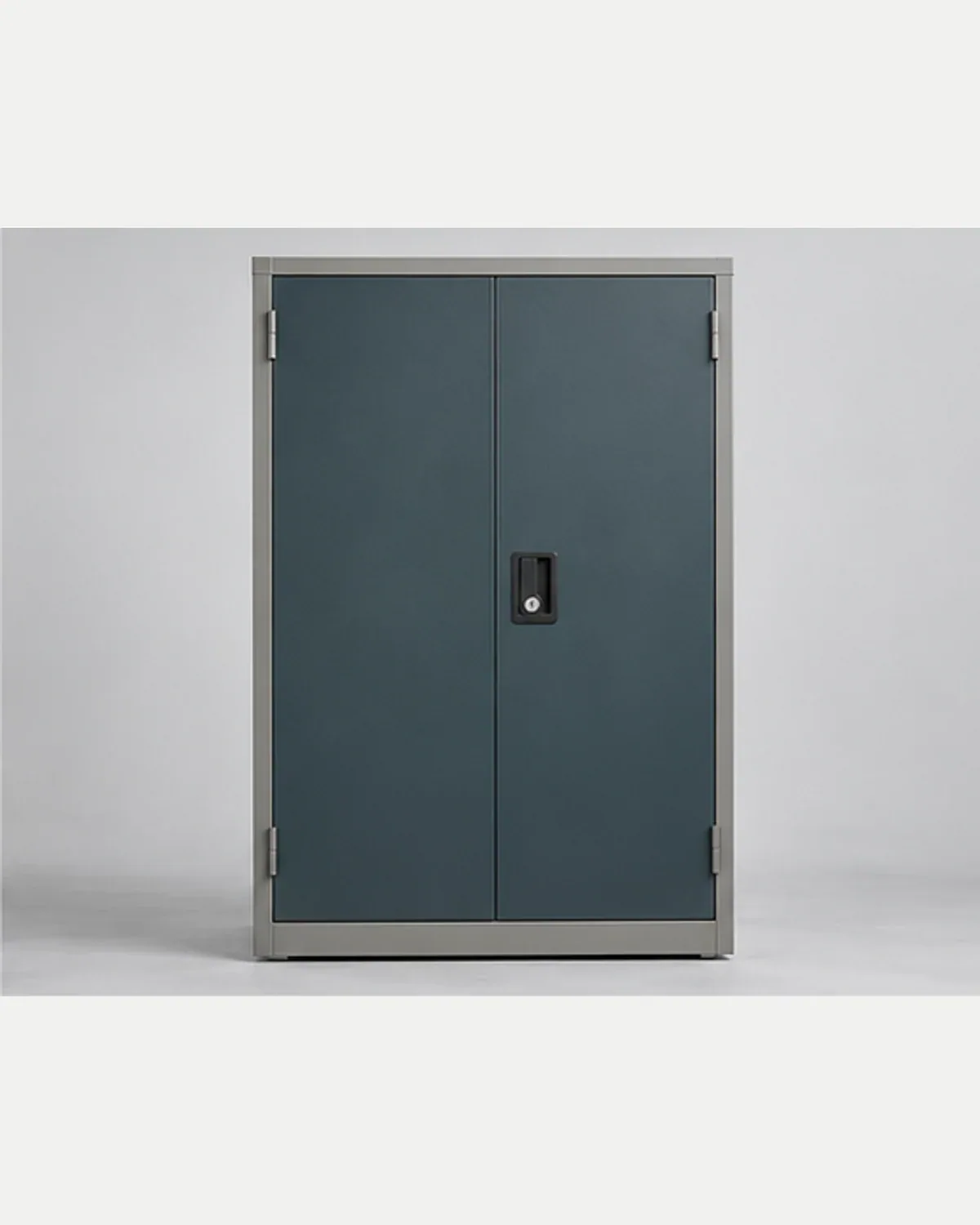
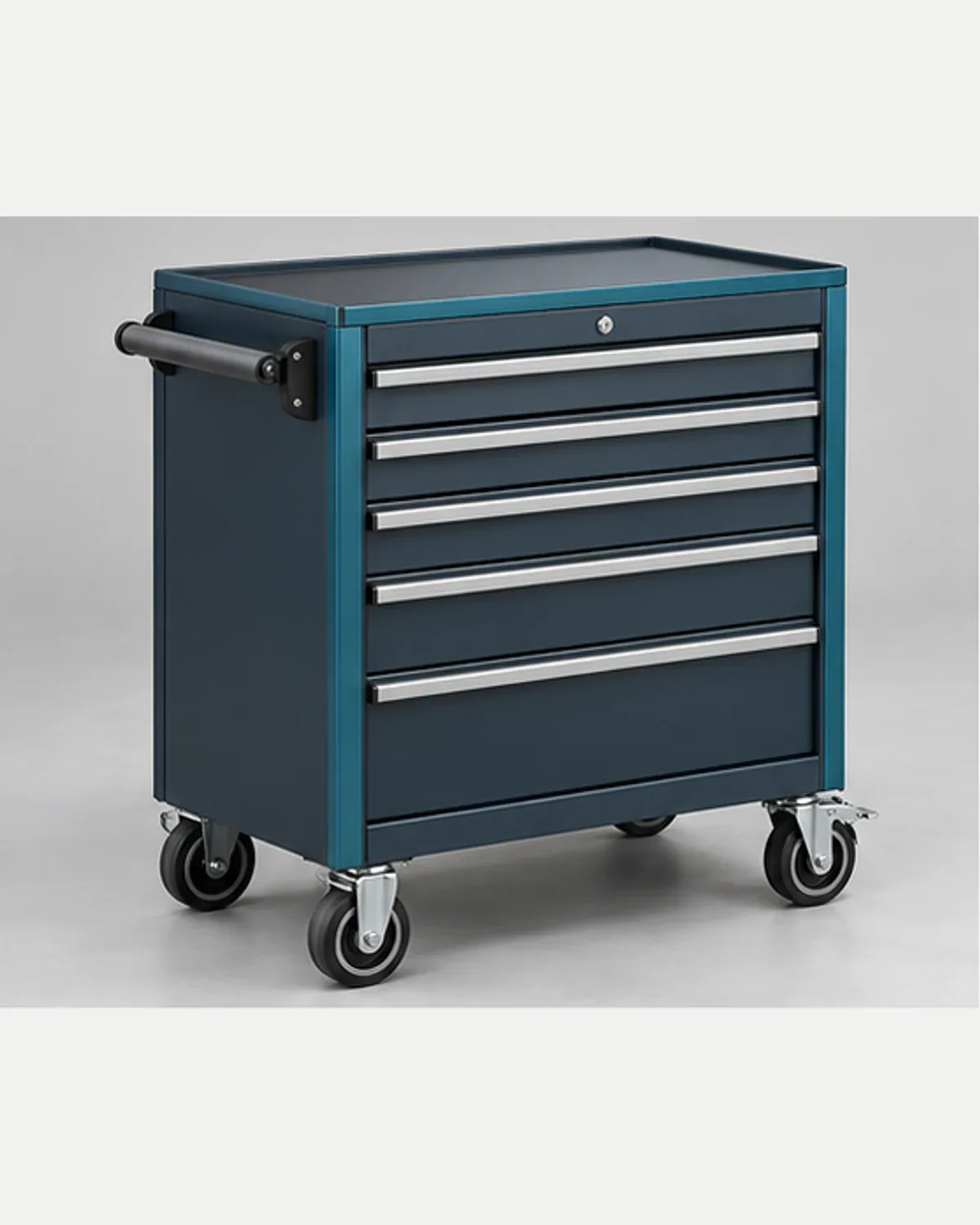
The Industrial Tool Cabinet and Rolling Tool Cabinet Cart are different candidate starting points for this conversation. Ask for a configuration-specific proposal and supporting information. A distributor should also consider how replacement accessories, instructions and product identification will be managed across the intended range. Availability and compatibility need confirmation instead of being inferred from the candidate images.
Specify drawers and accessories as a system
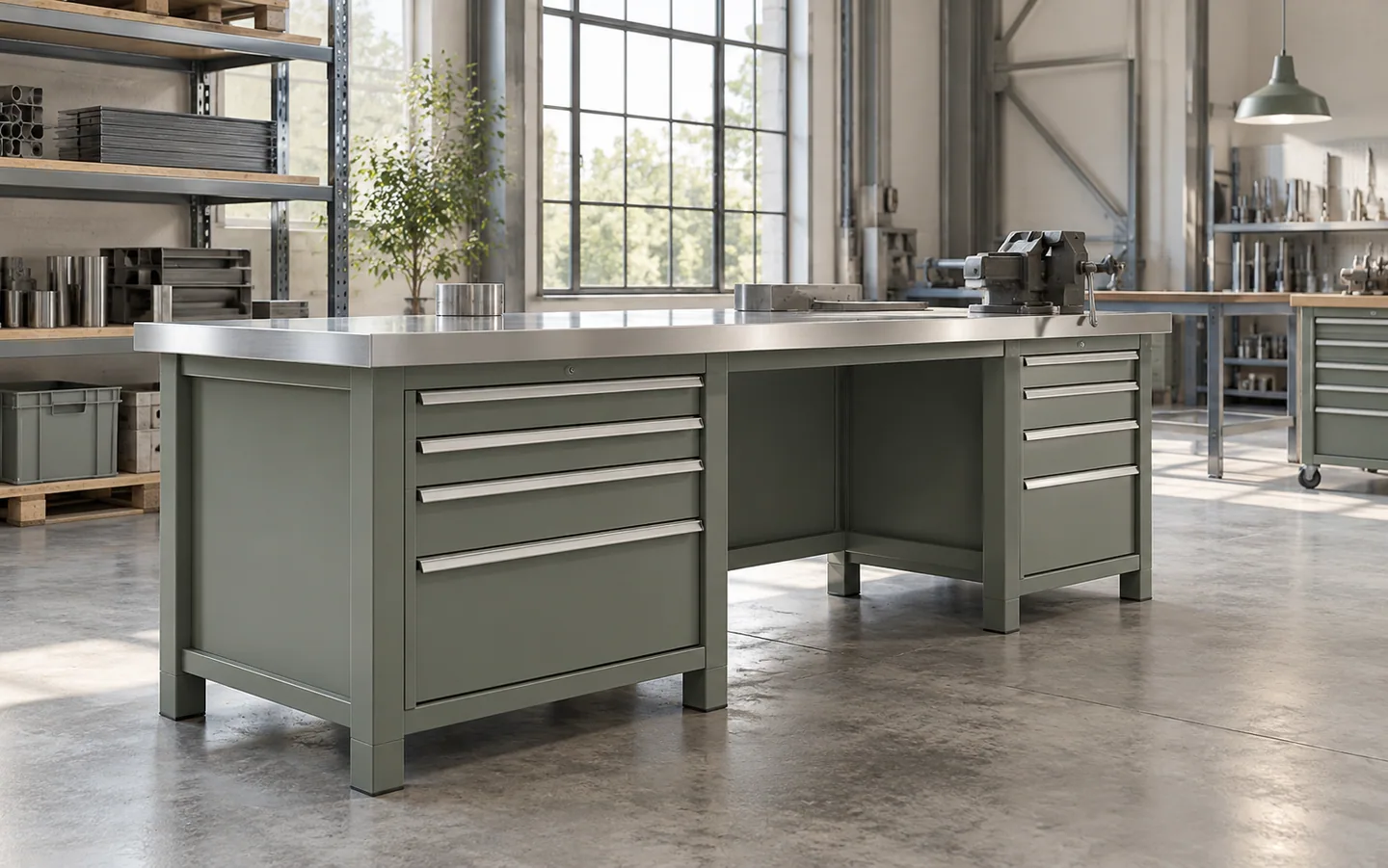
Identify which tools need immediate access and which can be stored less prominently. Discuss the proposed drawer arrangement, dividers, liners and accessory locations with the supplier. When a buyer requests a load rating, it should be linked to the actual drawer, rail arrangement, use conditions and supporting evidence. Do not copy a figure from another brand or apply a generic cabinet rating to every drawer configuration. Make clear whether an accessory is essential, optional or a proposal for later evaluation.
For OEM/ODM purchasing, provide a marked drawing or a clear reference image with an accompanying explanation. State which features are functional requirements and which are appearance preferences. Ask the supplier to highlight changes needed for manufacture, assembly or packing. Record accepted revisions before requesting a final quotation so that both parties work from the same proposed solution. An attractive rendering is not a substitute for approval of the working arrangement.
Plan access control and identification
Describe who can open the cabinet and who is responsible for shared tools. Ask about the proposed lock arrangement, key identification and how replacement access will be managed. Where cabinets will be assigned by department or task, consider appropriate labels and documentation. Avoid placing personal information into a supplier brief unless it is necessary and approved. A cabinet lock should be described as an access feature, without an unsupported claim about security certification or resistance to a specific threat.
Identify the markings that should remain visible after delivery. Product references, order references and accessory lists can help the receiving team connect a unit to its approved configuration. If branding is requested, agree artwork approval and the places where the mark will appear. A change in a brand panel or label must not obscure operating information that the buyer expects to receive with the product.
Agree a review plan before discussing final acceptance
Define what the buyer will check during sample or reference approval. Useful topics include drawer operation, alignment, finish appearance, edges, fitting of accessories and the handling instructions for the selected configuration. Ask how any formal inspection requirement will be documented. A proposed inspection plan should identify responsibilities and evidence, rather than offering a broad assurance that every possible quality concern is covered. Specify the required outcome and ask the supplier to confirm what can actually be demonstrated.
General warehouse storage guidance highlights the importance of storage condition, capacity limits and clear access. It provides context for buyer questions; it is not a test certificate for a tool cabinet. The project team should confirm the standards and operating requirements relevant to its own workplace. Keep that assessment separate from a sales description or an illustrative product image.
Check the assembly and packing proposal
Ask whether the selected cabinet or trolley is proposed as assembled or as a knock-down option. Different models can require different arrangements. Establish which parts are fitted before shipment and which tasks remain with the receiving team. Request a packing and accessory list that reflects the chosen configuration, including instructions for any agreed destination assembly. A packing change should be reviewed for its effect on handling, protection, receiving checks and installation work.
For mixed orders, identify how cabinets, castors, handles, inserts and other components will be matched. Discuss carton marking and how the receiver should report shortages or visible damage. Confirm the destination, transport arrangement and required documents with the relevant logistics parties. The common export documents guide can help distinguish document roles, but it does not determine all requirements for an individual shipment or destination.
Turn the selection into a comparable RFQ
Bring the inventory, application description, proposed layout, accessory needs, finish references, quantity and destination into one request. Ask the supplier to identify assumptions, optional items and details that remain unresolved. Separate the product quotation from any requested development, sample, packing or logistics work so the buyer can understand the scope being compared. Avoid approving a substitution solely because it looks similar; confirm how the revised proposal affects the agreed use and review requirements.
Explore the wider specialty steel cabinet category and the industrial and warehousing applications when assembling a coordinated purchasing list. Share the brief with the procurement contact team for clarification. The purpose of this preparation is a clear purchasing discussion, a documented configuration and an agreed next step, with unsupported claims and unresolved specifications kept out of the order commitment.
Copy-ready tool cabinet RFQ worksheet
| RFQ field | What the buyer supplies | What the proposal should clarify |
|---|---|---|
| Application | Tool groups and work location | Proposed drawer and cabinet arrangement |
| Mobility | Fixed or moving use and floor route | Castors, handles and parking method |
| Accessories | Insert, liner and divider needs | Included and optional components |
| Evidence | Requested drawings and inspection criteria | Model-specific records to be supplied |
| Shipment | Quantity, destination and receiving plan | Packing, assembly and document scope |
Use a separate line for each proposed tool cabinet or cart. Record product references, requested quantities, destination, optional accessories, sample needs and any buyer budget as inputs, not as confirmed supplier terms. In an OEM/ODM order, attach a revision-controlled layout and mark which changes need approval. Ask each respondent to identify exclusions and information still needed. Send the worksheet with your tool inventory when you request a mixed tool storage quotation.
Buyer FAQ
How should a buyer describe tools before requesting a cabinet quote?
Group tools by size, use and access frequency, identify bulky cases or inserts, and explain whether the storage stays at a workstation or moves between tasks.
Does a heavy-duty product name establish drawer capacity?
No. Ask for the proposed drawer and rail configuration, the conditions attached to any rating and suitable evidence for that specific proposal. Do not transfer another product rating.
What packing details matter for a mixed tool storage order?
Confirm the assembly arrangement, component identification, accessory list, protective packing and receiving responsibilities for each selected configuration before accepting a packing proposal.