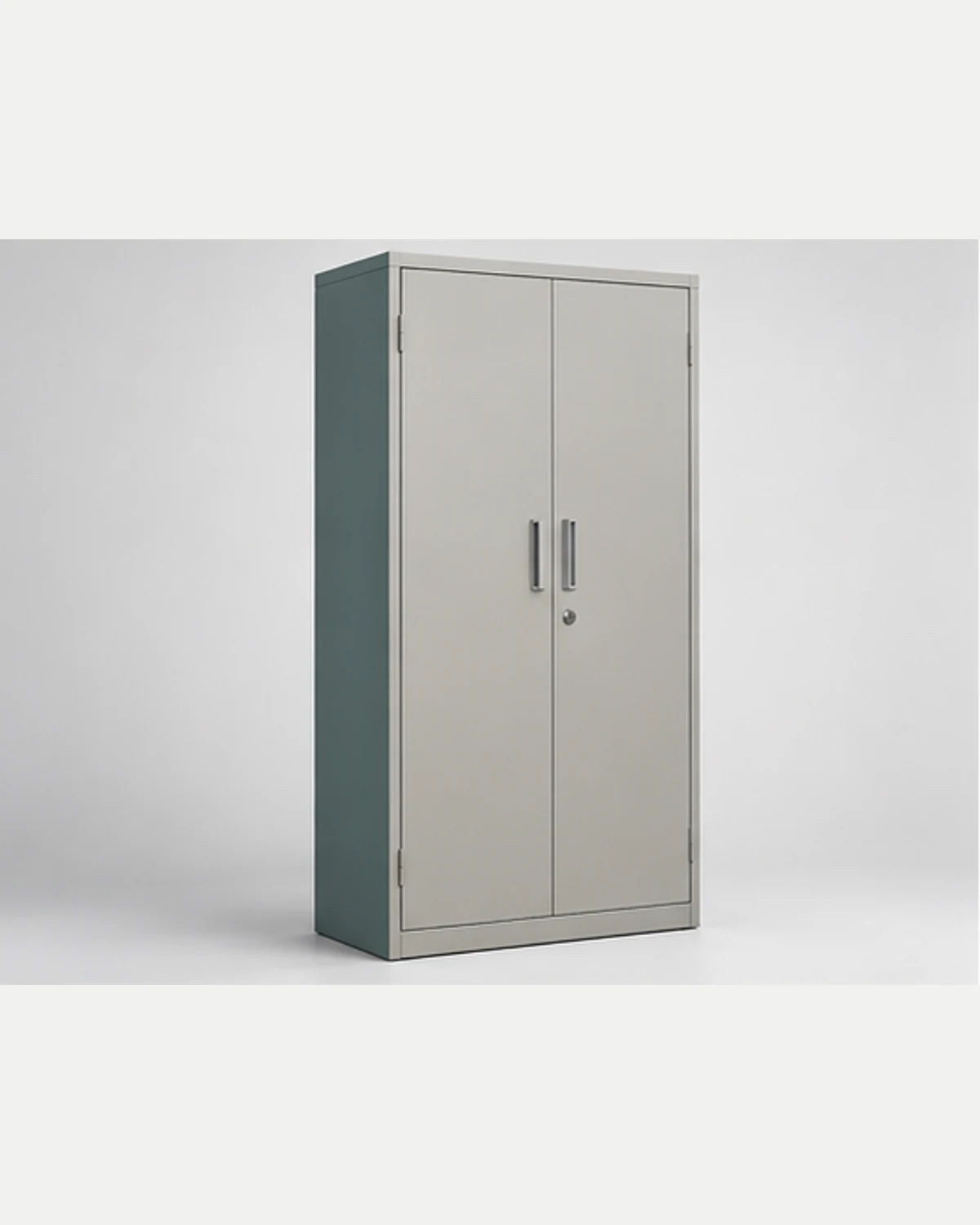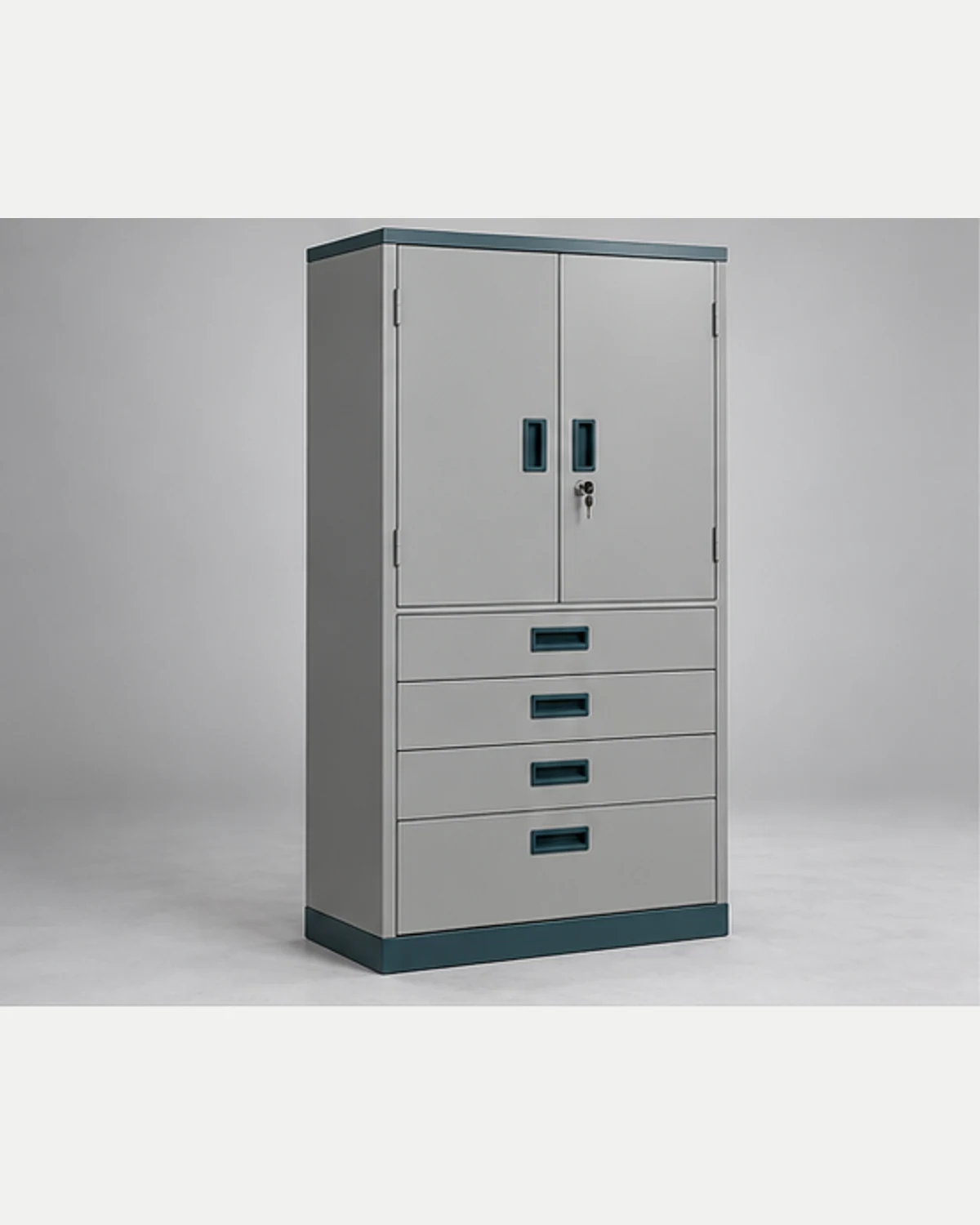
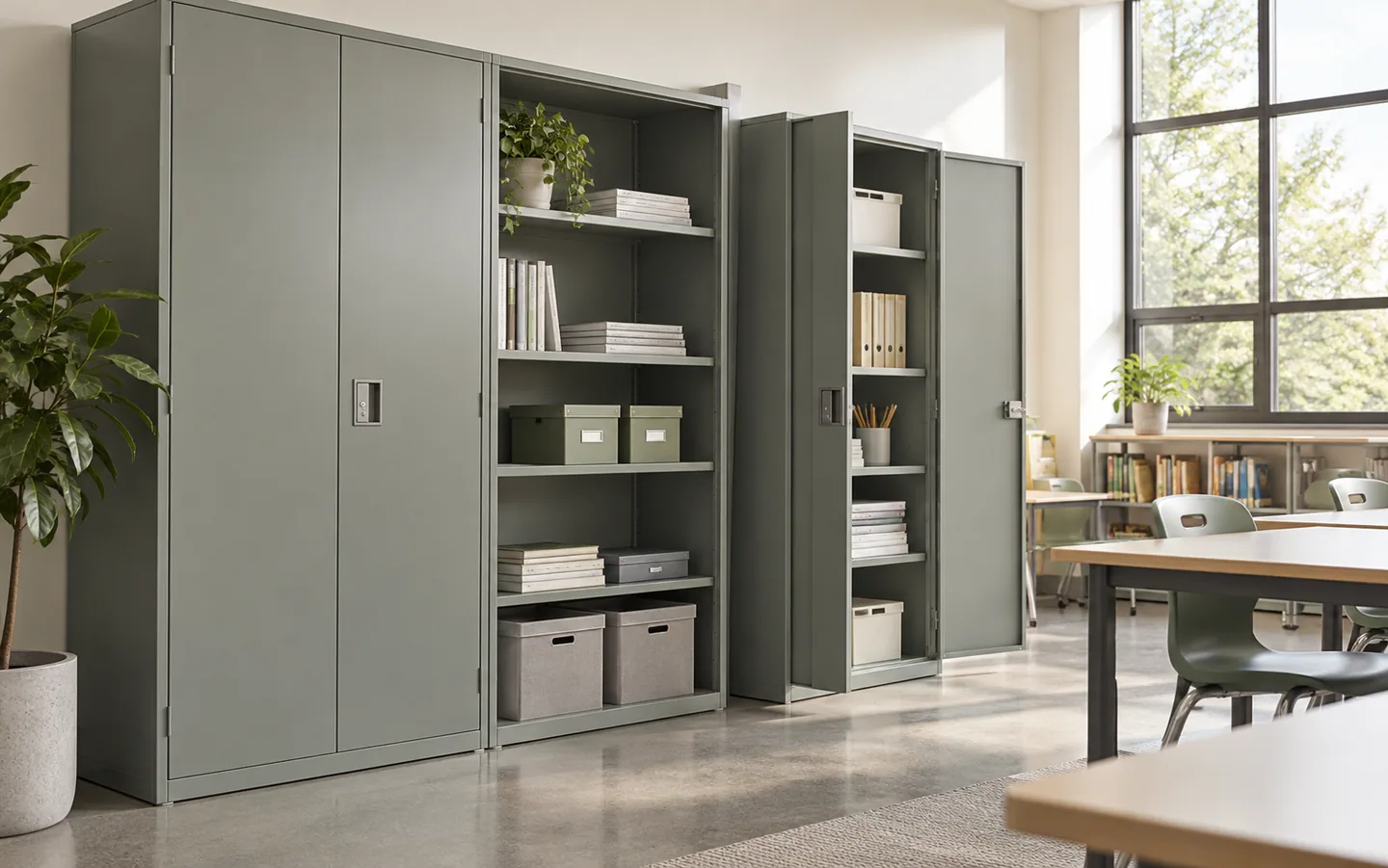
An office storage cabinet is easier to specify when the buyer begins with the items it must hold. Shelves that appear evenly arranged in a picture may not suit folders, stationery boxes, equipment cases or supplies used throughout the day. This RFQ checklist helps a wholesaler or project buyer turn that inventory into a proposed layout. It separates useful storage requirements from unverified measurements and makes unanswered questions visible before quotations are compared.
Build an item inventory with a purpose
Group stored items by physical envelope, access frequency and handling method. Describe the item as it will be stored, including its box, label or protective case. Avoid relying on a generic category such as office supplies when the actual mix is known. Where the mix is still being developed, identify representative items for a drawing discussion or sample review.
Record which items must remain together and which can be separated into different zones. A regularly used box may need a different location from material retained for occasional access. This is a buyer workflow decision, not a reason to assume a particular shelf capacity. The supplier should identify the configuration it proposes to address the stated arrangement.
Note the retrieval space
Explain how users remove an item and where they stand during retrieval. A box that fits when stationary may require more useful opening space to be lifted or turned. Ask for the proposed internal arrangement and the relevant door opening information instead of treating overall cabinet dimensions as proof of convenient access.
Use an inventory-to-shelf request table
Add an item reference to each row in the buyer's own working copy. Keep the proposed shelf layout and its supporting evidence separate from the request. Model-specific dimensions, adjustment details and load ratings remain To be confirmed.
| Planning field | Information from buyer | Response or evidence requested |
|---|---|---|
| Item envelope | Representative stored item including its container | Usable shelf space in the proposed arrangement |
| Access pattern | Frequent or occasional retrieval | Proposed position and access explanation |
| Grouping | Items that must stay together | Shelf or compartment allocation |
| Adjustment | Expected changes in stored items | Available adjustment arrangement to confirm |
| Performance | Any applicable formal requirement | Evidence for the selected shelf configuration |
| Receiving | Delivery location and installation owner | Packing and assembly proposal |
This table is useful only if exceptions are recorded. When an item cannot be accommodated as requested, ask whether another arrangement, cabinet size or product type should be considered. Do not quietly change the buyer's inventory to make an unconfirmed cabinet appear suitable.
Compare configurations without assumed ratings
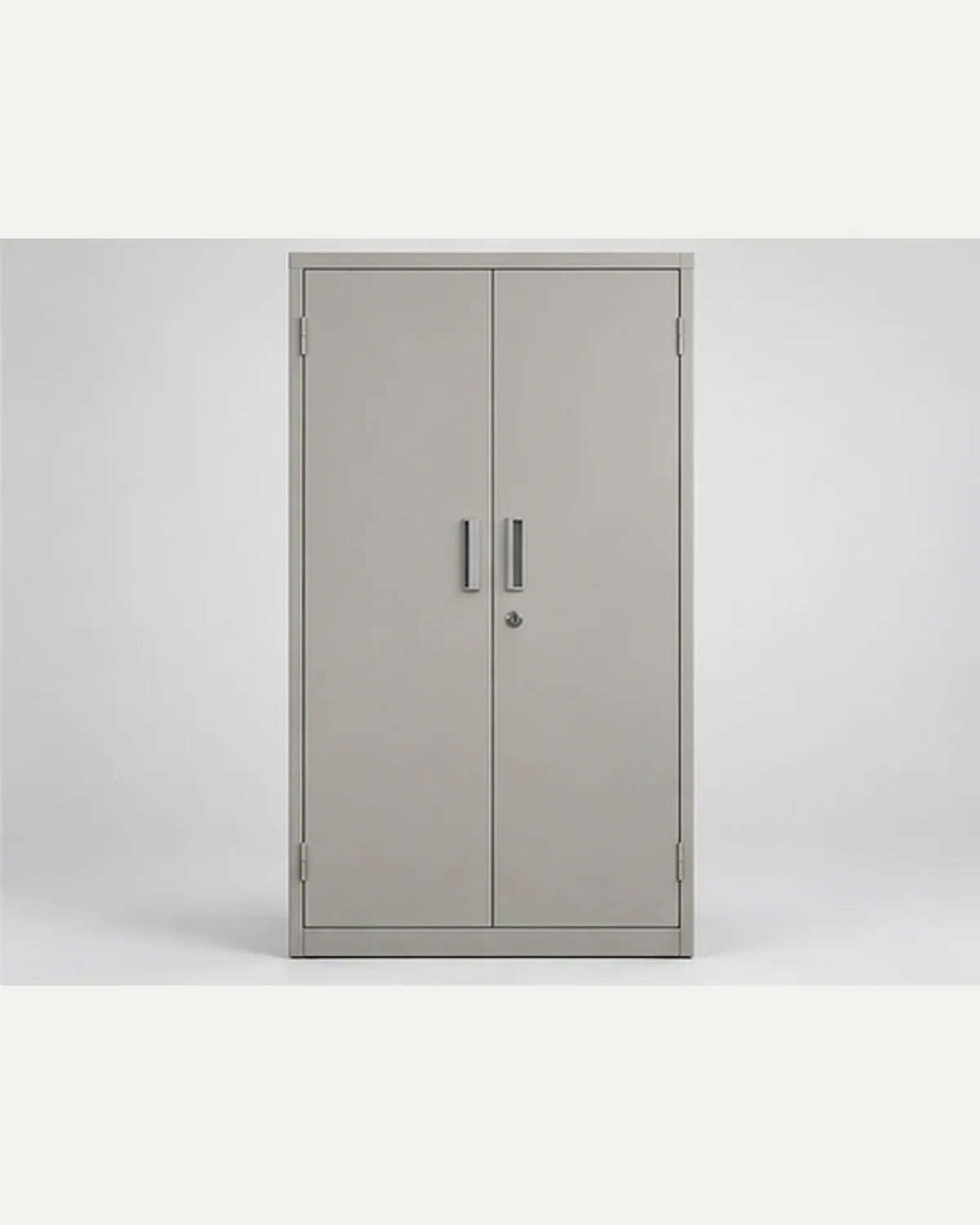
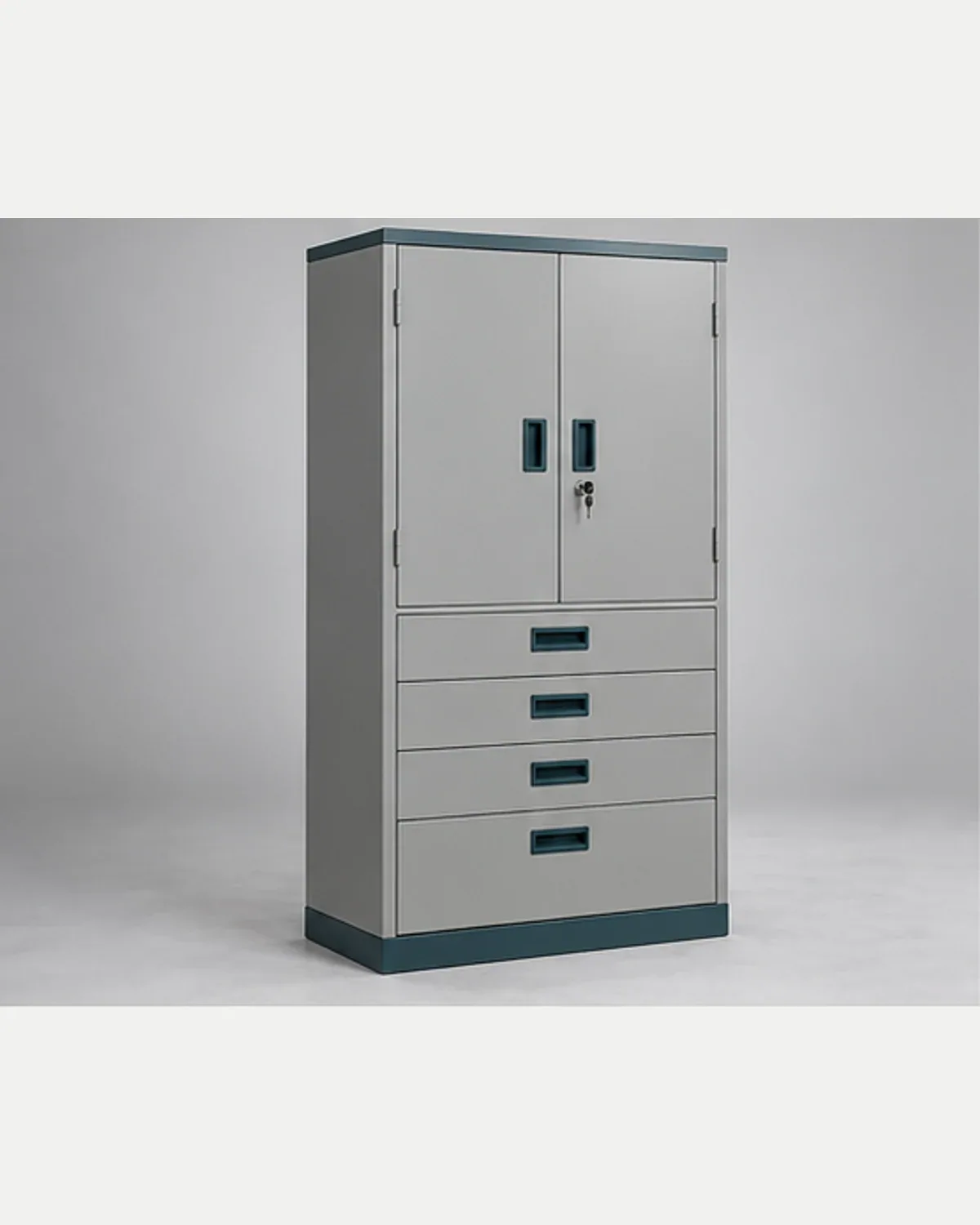
Use the Adjustable-Shelf Steel Cabinet as one candidate reference and the Drawer-and-Door Combination Cabinet when the storage task includes distinct functions. The names describe candidates, not verified shelf loads or an included accessory package. The steel storage cabinet category can support a shortlist with clearly different roles.
Ask the supplier how any stated shelf performance relates to the proposed construction and loading conditions. Where the project has formal requirements, agree the evidence needed for the exact configuration. A general claim attached to another product or another arrangement should not be transferred to the selected cabinet merely because the finish or exterior looks similar.
Control variants in a bulk purchase
A distributor may need a small number of practical layouts rather than many poorly documented variations. Identify which differences matter to customers and which can be managed as confirmed options. Record the internal layout with the model reference so that a repeat request does not depend on memory or an informal product photograph.
For OEM/ODM work, supply a marked reference and explain the storage problem behind each requested change. Ask for a revised drawing and identify the approval owner. A proposed extra shelf, partition or accessory may affect usable space, assembly or packing; its feasibility and effect need confirmation before the change is included in an order.
Ask for a complete quotation response
Send the inventory worksheet with candidate references, estimated quantity, finish requirements and destination. Ask for an itemized proposal showing included fittings, optional items, packing and unresolved specifications. Clarify who will check the configuration on receipt and what documents or instructions the receiving team expects.
Use the corporate office application page to organize related storage needs across the project. The procurement team can receive a combined request with separate product lines. The objective is an understandable storage proposal and a documented approval path, not an unsupported promise that a cabinet can hold any office item in any arrangement.
Buyer FAQ
Should a buyer specify a shelf count first?
Begin with the stored items and how they are retrieved. A shelf count can be part of the request, but it does not establish useful space or suitability. Ask the respondent to explain the proposed allocation against the buyer's inventory.
Can one load statement cover every layout?
Do not assume that it can. Ask how the statement relates to the exact shelf arrangement, conditions of use and relevant supporting evidence. Treat a different shelf, fitting or layout as a change that may require another review.
What helps repeat orders stay consistent?
Keep the approved internal drawing, option list, sample references and revision identifiers with the product reference. A repeat quotation should state the configuration being offered and identify changes rather than simply refer to the last photograph.