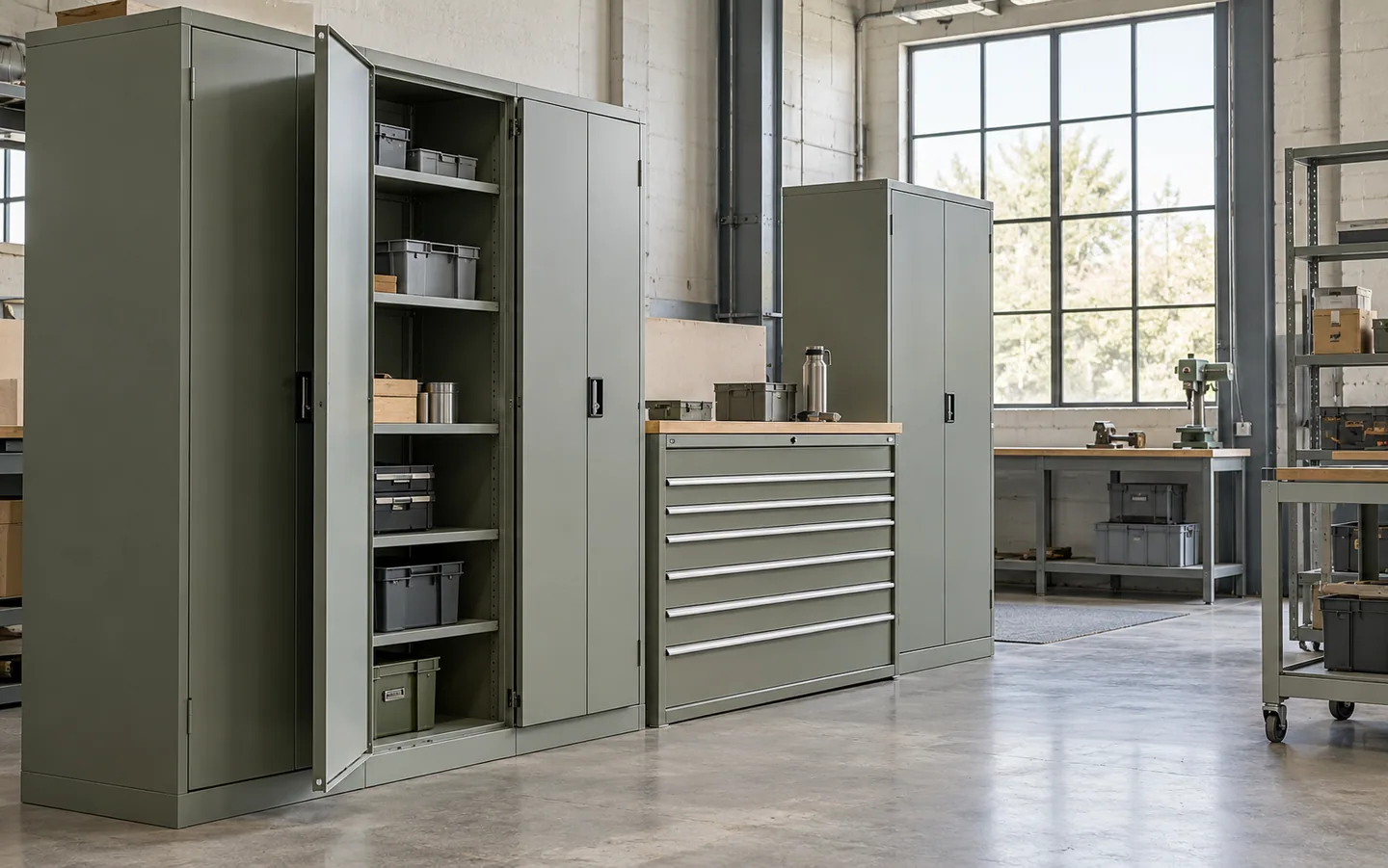
A specialty steel cabinet name can suggest a job, but it cannot by itself establish a protection level, certification or suitability for regulated use. For overseas importers, the purchasing task is to separate ordinary storage functions from claims that need specific evidence. This guide provides an evidence request framework. It does not recommend an unverified application or turn a candidate catalog listing into confirmation that a product meets a particular standard.
Write the intended storage job plainly
Describe what will be stored, how it is accessed and where the cabinet is intended to stand. Keep sensitive operational information out of an initial inquiry when a non-sensitive functional description can explain the requirement. Identify the buyer's technical or compliance review owner where specialized requirements may apply.
Separate ordinary features, such as a proposed compartment or access arrangement, from protection or performance expectations. A buyer can ask for a required outcome without asserting that the candidate already provides it. If the requirement is unresolved, the inquiry should say so instead of allowing a broad product name to fill the gap.
Ask what a claim refers to
For a proposed performance statement, request the product reference, configuration, supporting record and scope to which it applies. The buyer needs to understand the connection, not merely receive an impressive-looking document. Do not copy another brand's specification or a record for a different construction into the selected candidate's description.
Use an evidence-before-claim checklist
| Claim or question | Information to request | Buyer review action |
|---|---|---|
| Product identity | Proposed model and configuration | Match it to the purchasing reference |
| Ordinary function | Drawing and proposed fittings | Check the intended storage routine |
| Performance statement | Relevant supporting record and scope | Have the appropriate owner assess applicability |
| Configuration change | Differences from the reviewed arrangement | Identify evidence needing another review |
| Intended application | Buyer requirements and use conditions | Resolve suitability questions before commitment |
| Public description | Facts proposed for publication | Publish only statements supported for that scope |
Keep a requested record distinct from a reviewed and accepted one. Receipt alone does not demonstrate validity or applicability. The purchasing team should record who assessed it, what conclusion was reached and which limitations remain. Also record the document reference and whether a proposed product change requires the evidence owner to reassess its applicability.
Distinguish candidate examples from approved uses
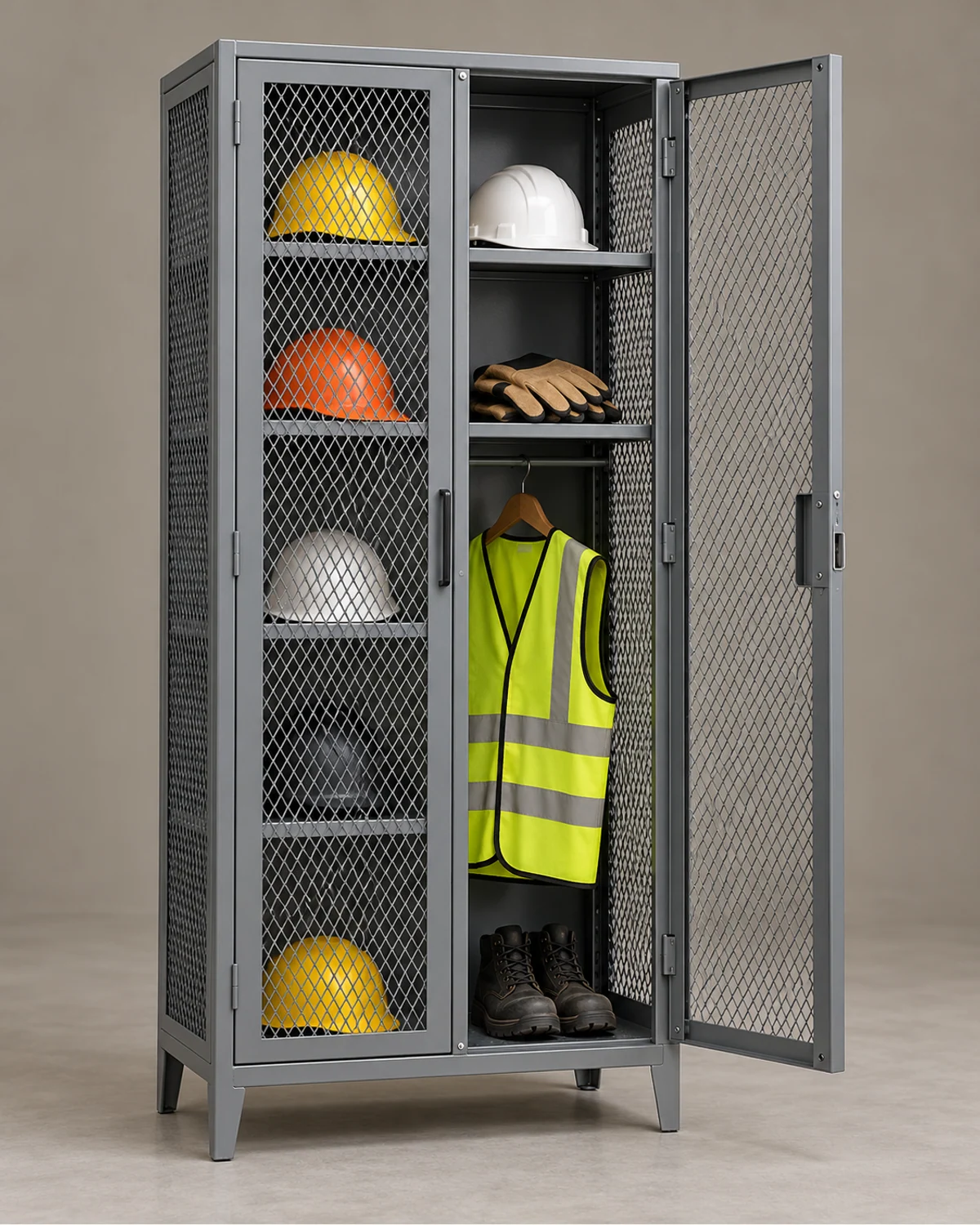
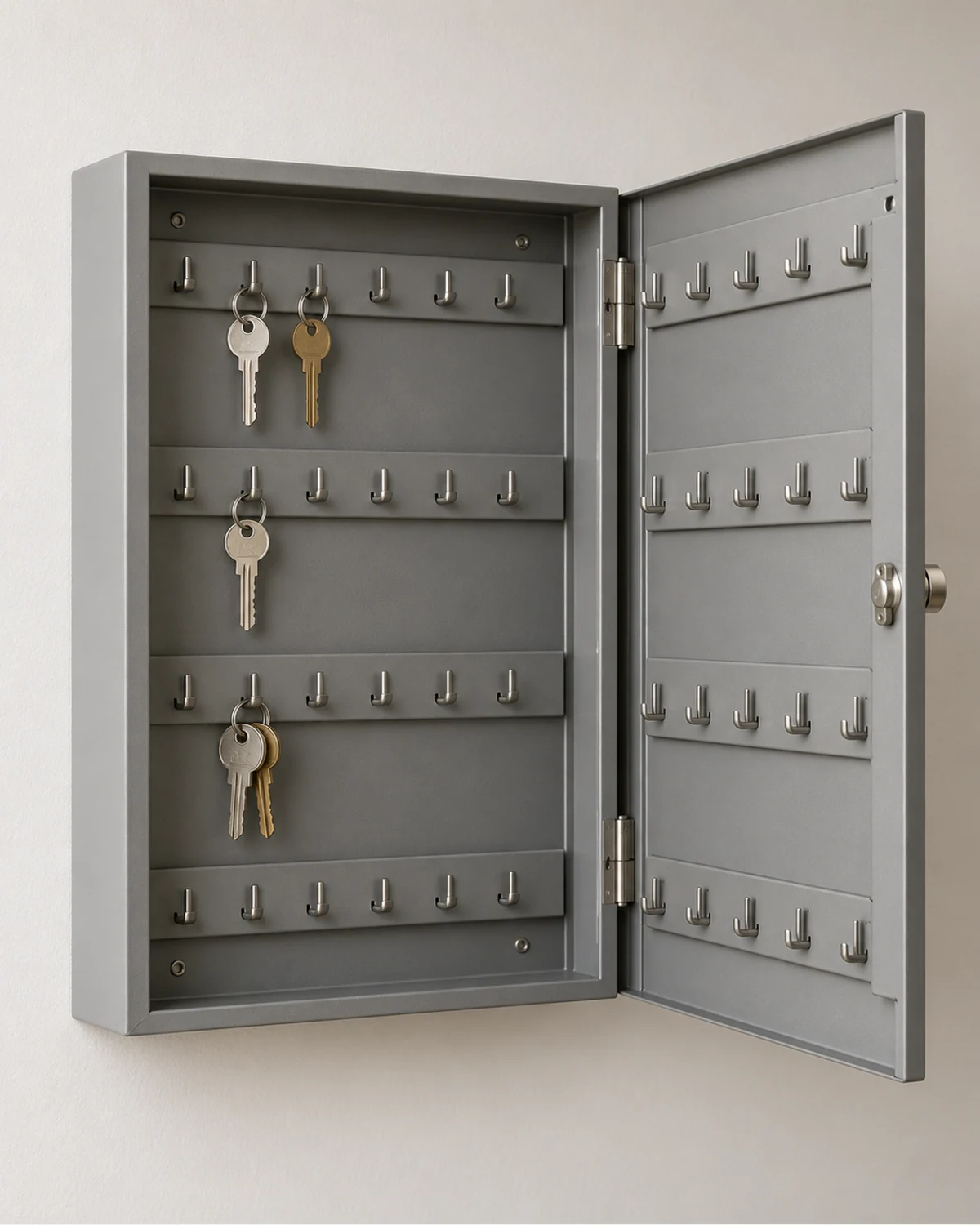
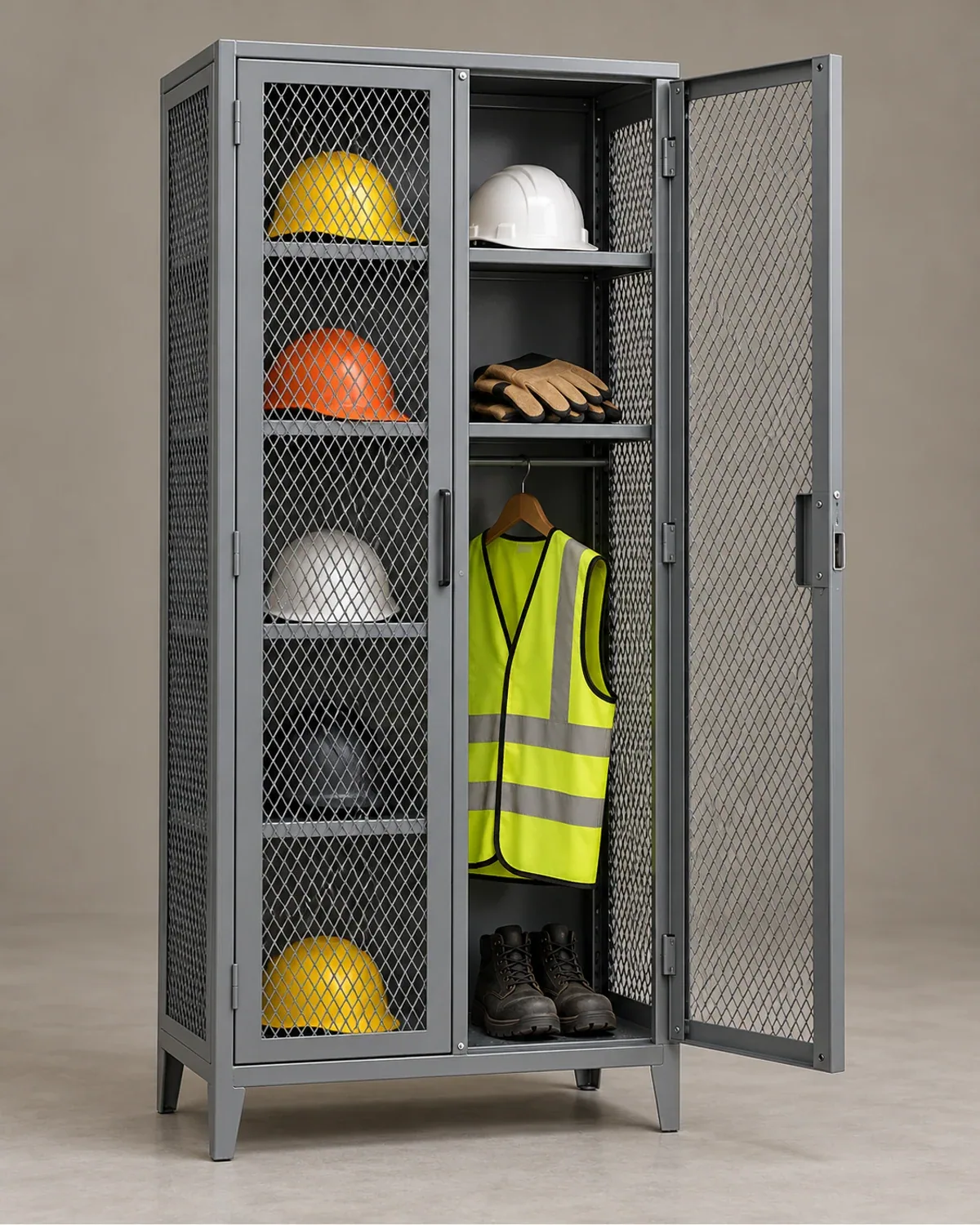
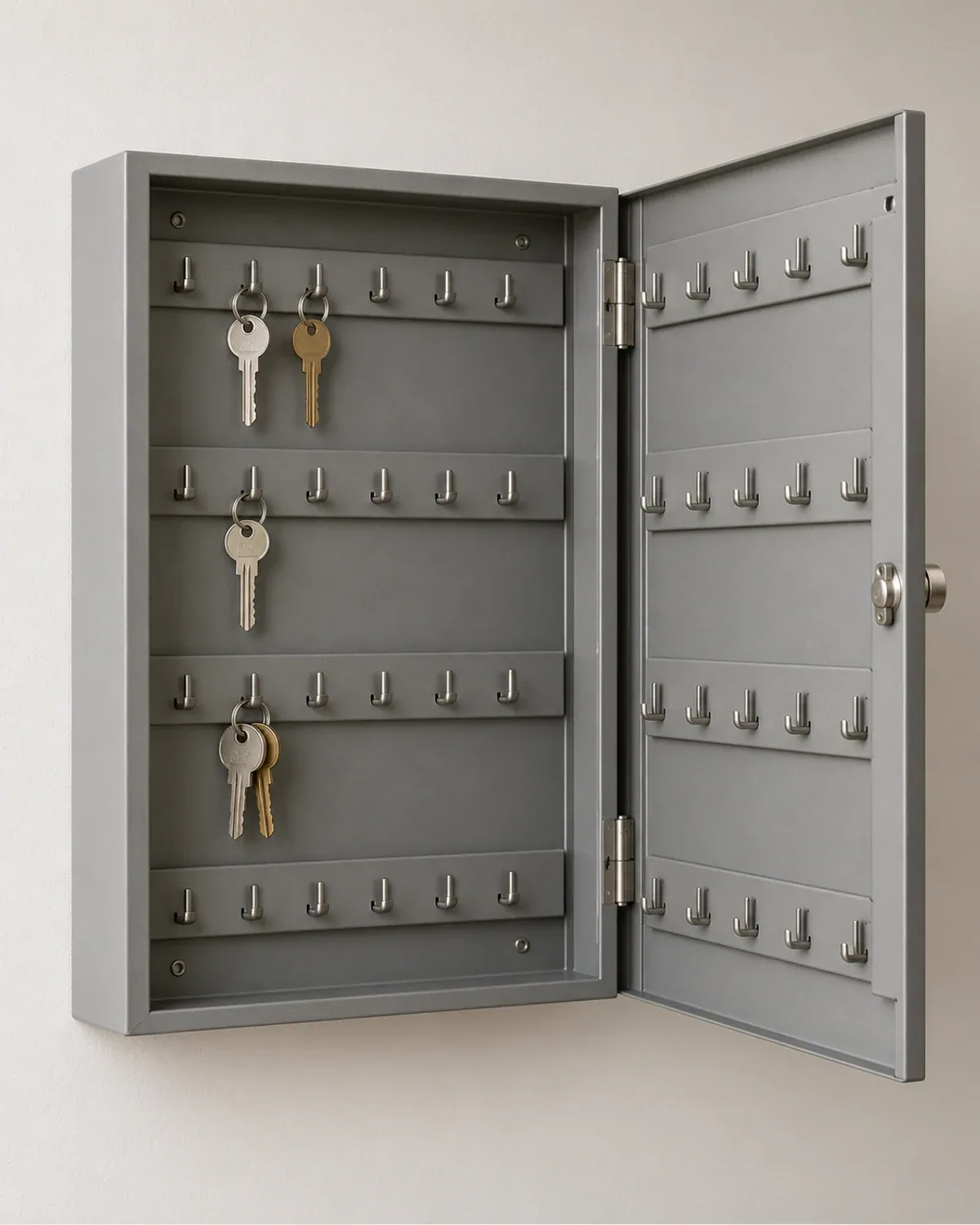
The PPE Storage Cabinet and Key Management Cabinet identify different candidate discussions. Their names do not confirm protective properties, specialized environmental performance or an approved access system. Ask for the proposed arrangement and the evidence relevant to the buyer's intended application.
Use the specialty steel cabinet category as a shortlist, not a list of independently certified solutions. Where a name could be misunderstood as a broad assurance, the distributor's description should explain the confirmed function and the boundary of what is still unverified.
Keep option and customization changes visible
An OEM/ODM change can create a proposal different from the configuration described in an earlier record. Ask what the changed drawing, material requirement, fitting or access arrangement means for the evidence being offered. Do not assume that a document automatically covers every finish, size or accessory in a product family.
For industrial and warehousing applications, identify the applicable buyer requirements and appropriate reviewers before treating a proposed cabinet as suitable. Product dimensions, material details, load or protection ratings, certifications and commercial conditions remain To be confirmed unless valid evidence supports a specific statement.
Compare responses by evidence completeness
Ask respondents to identify unsupported fields and proposed next steps. A complete-looking response should not be rewarded for making claims that have not been substantiated. The buyer can compare what is documented, what needs clarification and what falls outside the proposed scope.
Send the intended-use brief, evidence checklist, candidate references, estimated quantities and destination to the procurement team. Request a response tied to those references. The aim is a defensible decision and a careful public description, rather than a fast quotation that turns an ambiguous cabinet label into a promise neither party has verified.
Buyer FAQ
Does a lock or strong-looking construction establish a protection rating?
No rating should be inferred from appearance or the presence of a fitting. Identify the required claim and ask for evidence connected to the exact proposed configuration. Have its applicability reviewed by the appropriate responsible role.
Is a supplier document automatically sufficient evidence?
Receipt is only the start of review. Check product identity, configuration, scope and relevant limitations, then record the review outcome. A document that relates to another product or a different arrangement should not silently support the selected candidate.
Can a distributor publish a claim while evidence is pending?
Do not present an unverified claim as a product fact. Keep the description limited to supported information and clearly mark unresolved specifications. Requested evidence, preliminary proposals and a completed human review are different stages in the approval process.