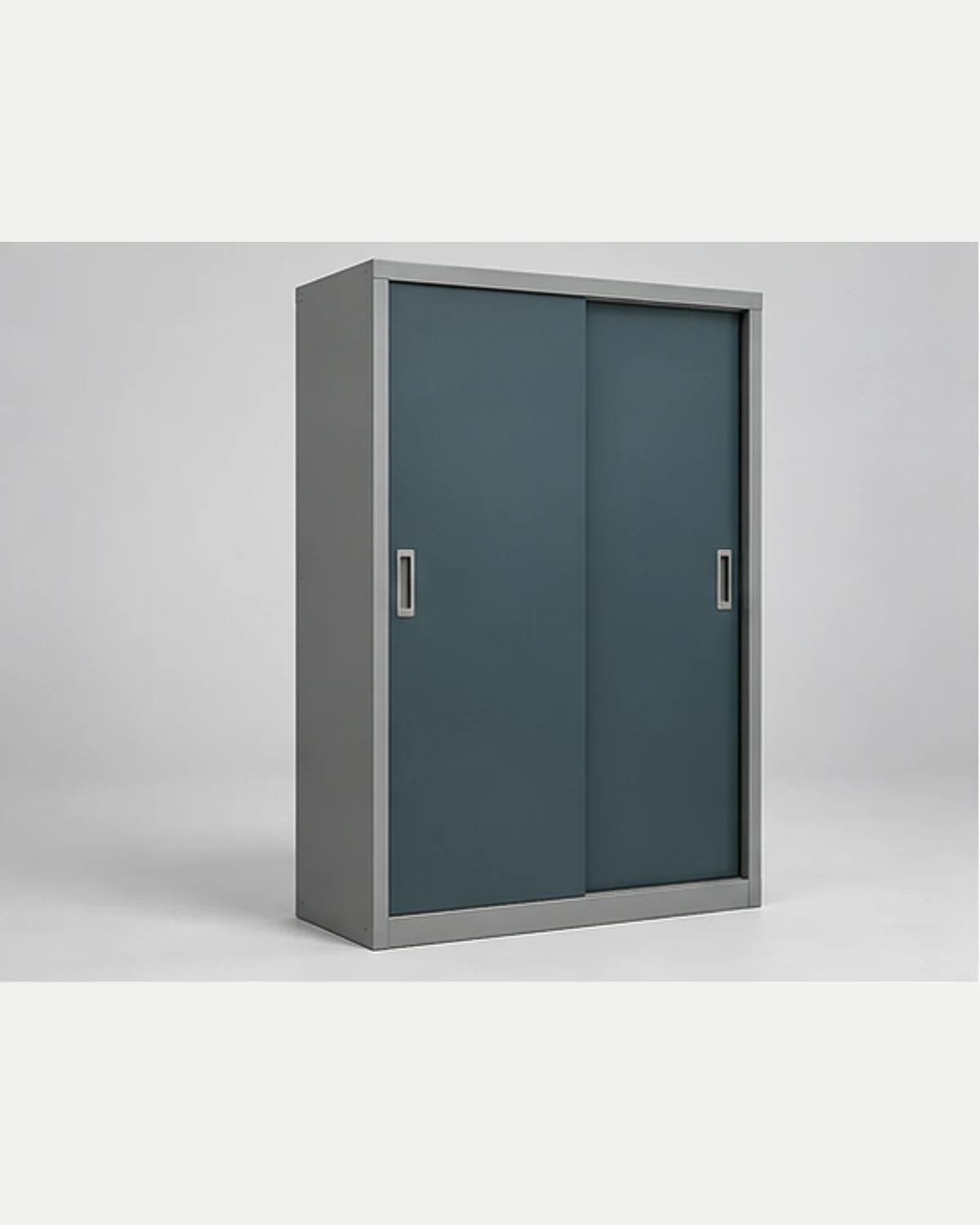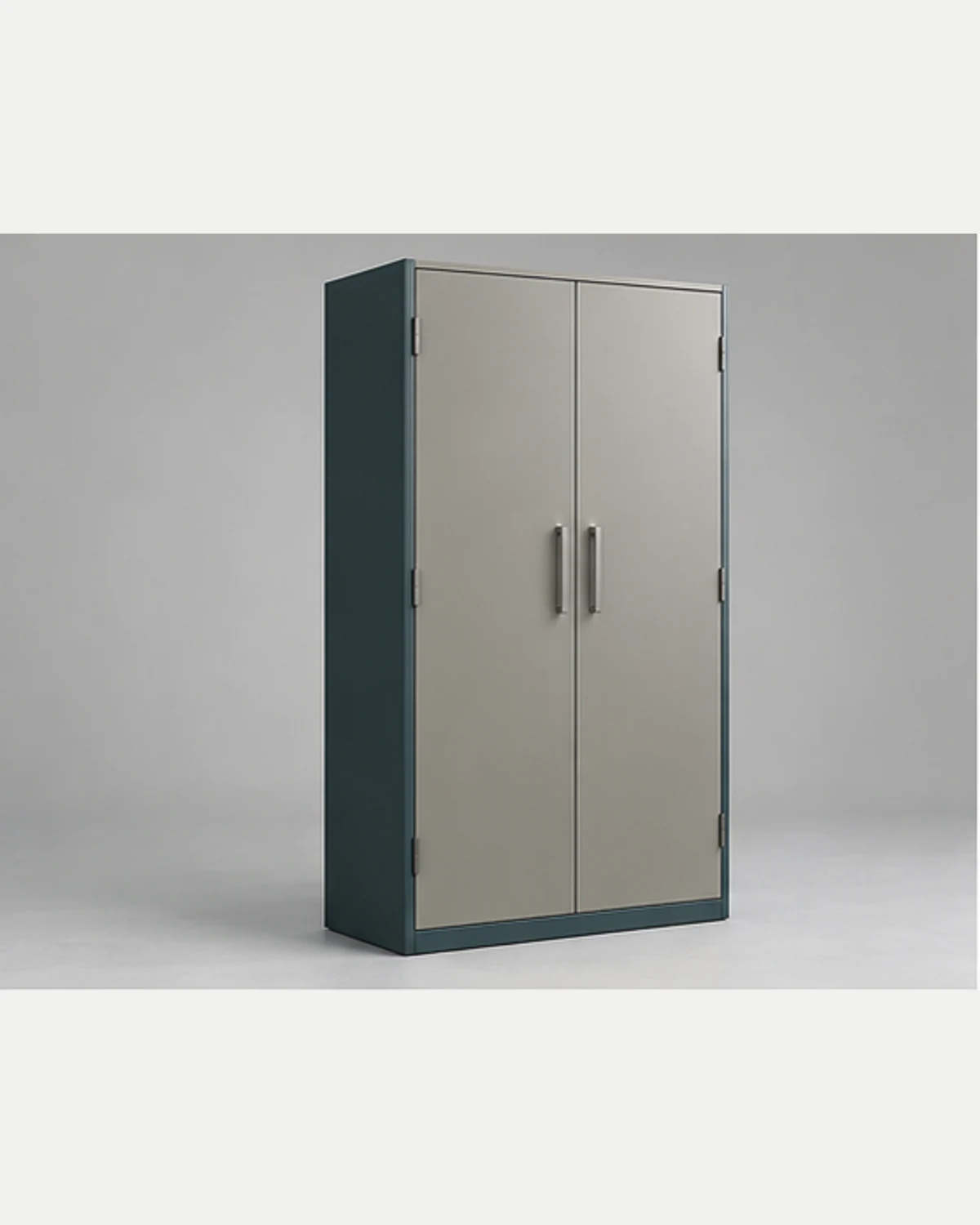
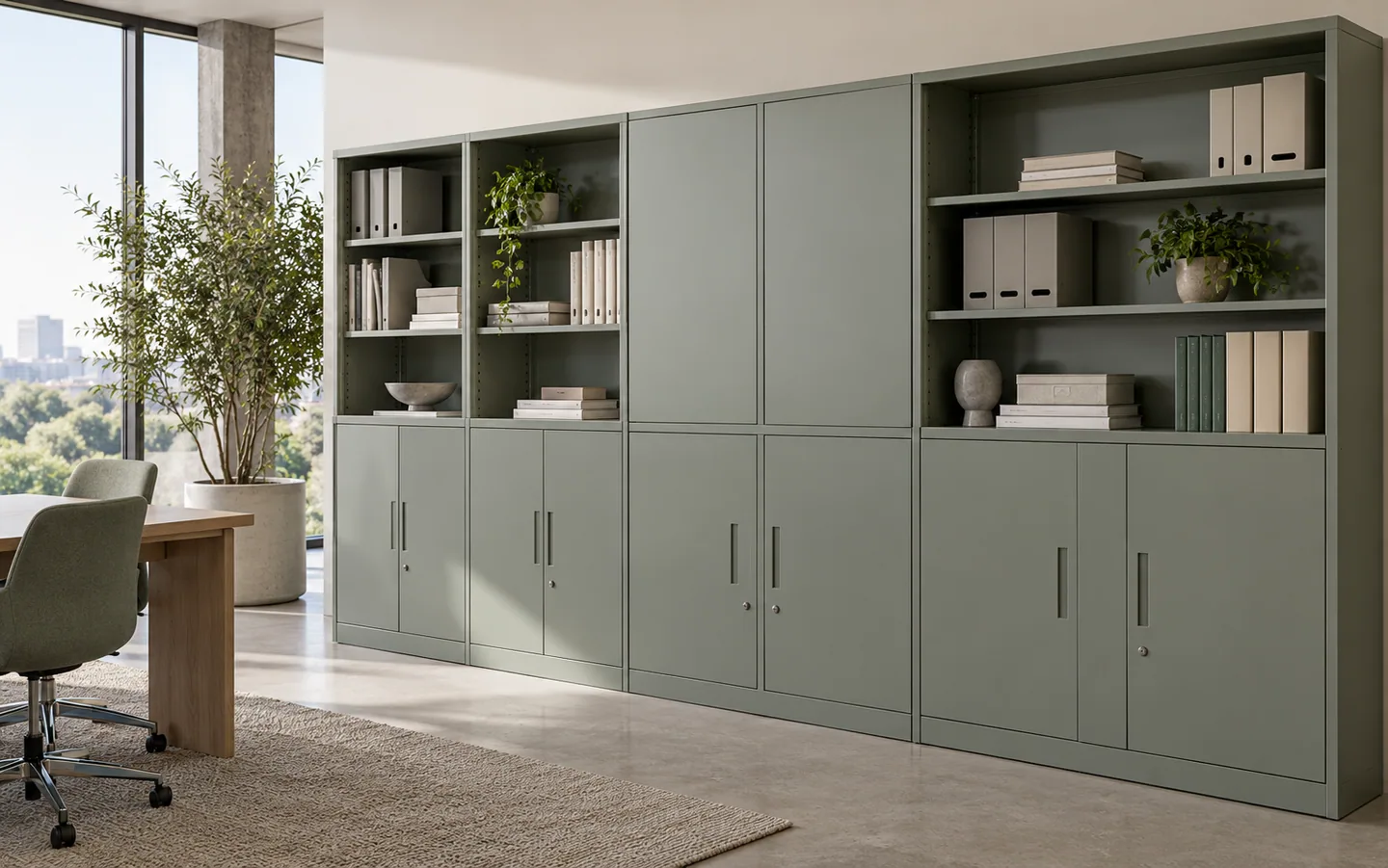
Sliding and swing cabinet doors should be compared through the access task at the intended location. A buyer may be concerned about a constrained approach area, the usable opening or the way stored items are retrieved. None of those questions is resolved by declaring one arrangement universally space-saving or better. This technical comparison helps importers evaluate actual proposals, with model dimensions, hardware, internal clearances and operating requirements still To be confirmed.
Draw the approach and retrieval routine
Identify where the cabinet will stand and how users approach it. Mark nearby furniture, doors and circulation routes that may affect the operating space. Describe which items are retrieved frequently and whether a user needs to remove or turn a bulky container. A floor-plan symbol for a cabinet does not show all of that activity.
Ask for the actual opening information proposed for each candidate. Do not assign a generic width, depth or movement envelope to an entire family. The buyer should understand how the selected arrangement works in the location rather than rely on an unrelated product drawing or an attractive room scene.
Look at the opening, not only the door movement
Ask which parts of the internal arrangement can be reached during the intended retrieval task. A buyer concerned about approach space still needs to review usable access to shelves and stored items. Treat these as connected but separate questions when comparing the proposals.
Compare the proposals using a common item set
| Access question | Sliding-door proposal | Swing-door proposal |
|---|---|---|
| Approach | Identify the proposed operating space | Identify the proposed operating space |
| Usable opening | Show how stored items are reached | Show how stored items are reached |
| Bulky item | Review insertion and retrieval | Review insertion and retrieval |
| Shared area | Consider nearby routes and users | Consider nearby routes and users |
| Hardware | Confirm proposed tracks, hinges or fittings | Confirm proposed tracks, hinges or fittings |
| Review record | Connect evidence to the exact reference | Connect evidence to the exact reference |
Do not prefill the matrix with an assumed winner. Where the buyer lacks information, request a drawing or sample discussion. The useful result is an explanation of why a proposed arrangement fits a defined task, not a broad marketing statement detached from the actual cabinet and room.
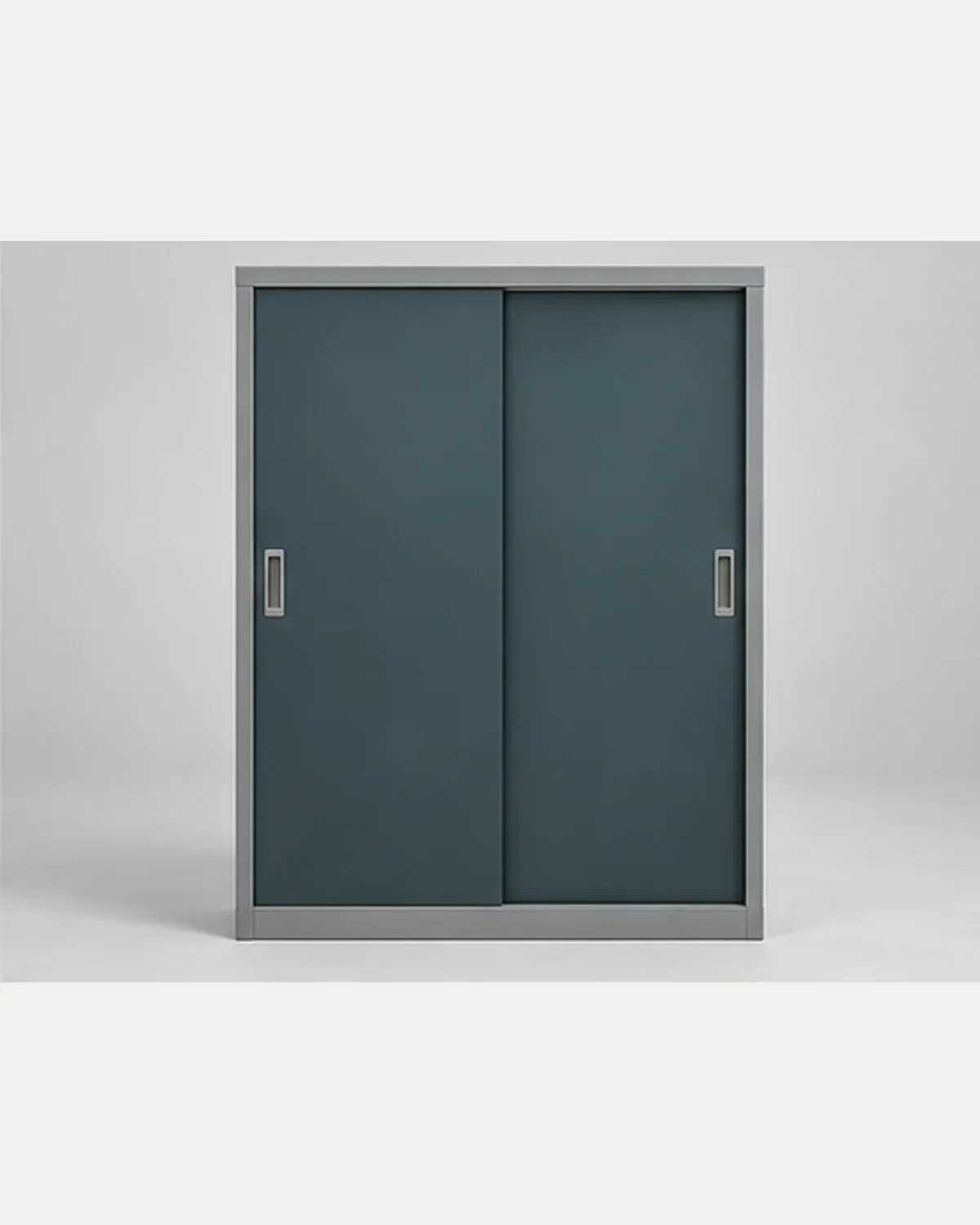
Keep storage needs visible during the comparison
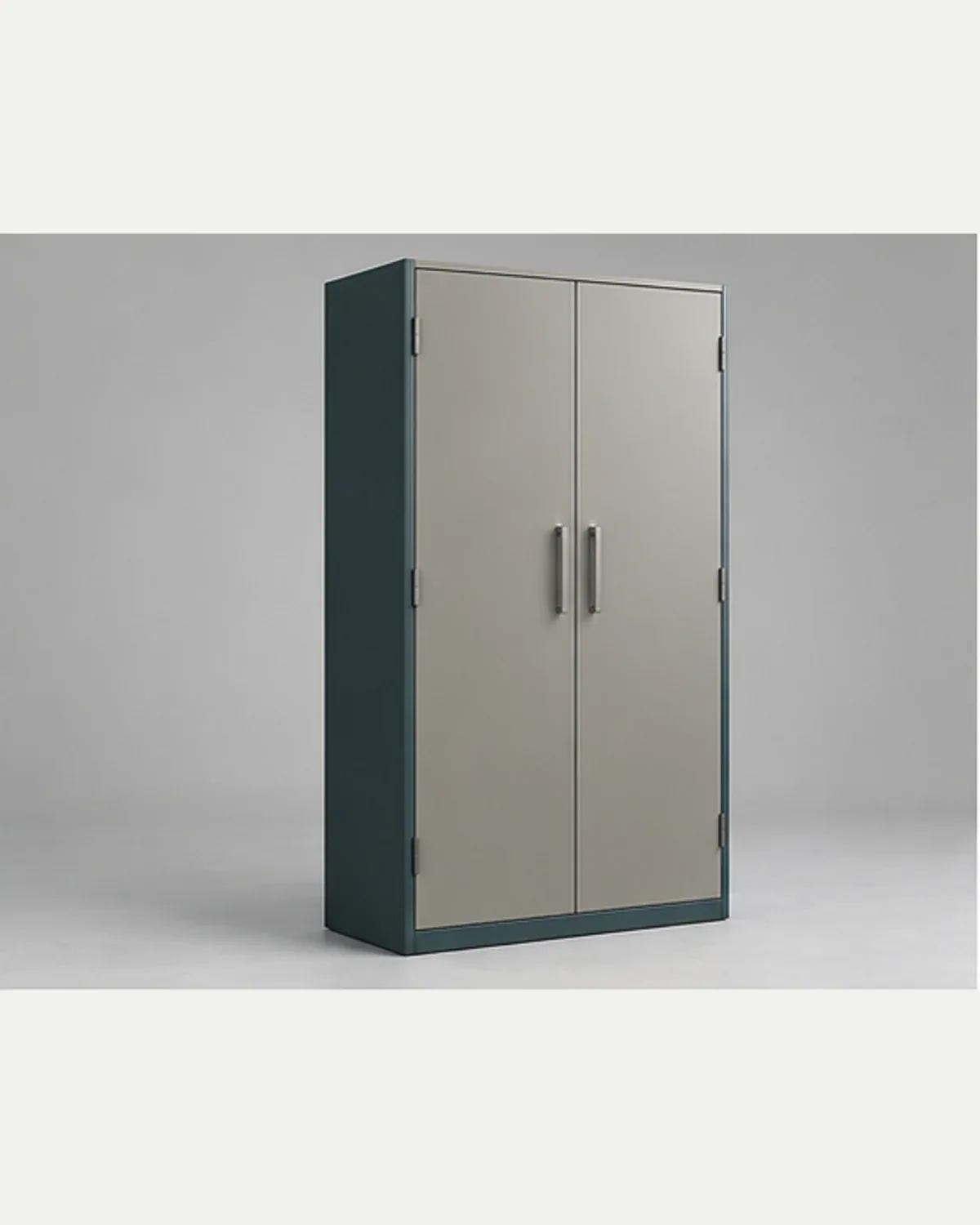
The Sliding-Door Steel Cabinet and Double-Door Steel Storage Cabinet are candidate references rather than confirmed equivalent offers. Ask for the proposed shelf arrangement and usable internal information alongside the opening details. Similar exterior proportions do not establish that the storage functions or included fittings match.
Review the steel storage cabinet category to identify meaningful alternatives. If a proposal changes the intended storage layout, ask the buyer to review that change explicitly. A door-style preference should not quietly override an essential requirement for the stored items or their access routine.
Consider operation and future clarification
Ask what relevant operating and care information is proposed for the selected arrangement. Identify any questions about access, hardware or replacement information that matter to the buyer's intended use. Do not invent a durability, maintenance or service promise in order to make the comparison appear complete.
For corporate office applications, keep room-specific decisions with their location references. A style accepted in one room should not automatically become the default in a different access arrangement. Distributors can reuse the comparison method while still requiring a relevant product and application review for each proposed variant.
Compare quotation scope after the access review
Ask respondents to identify the configuration, hardware, finish reference, packing proposal and any excluded work. For an OEM/ODM change, provide a marked reference and explain the access problem being addressed. Request clarification of its effect on the proposed opening and internal arrangement before treating the modified product as approved.
Send the room sketch, item set, comparison table, estimated quantities and destination to the procurement team. The resulting proposal should make assumptions and unresolved matters clear. Price can then be compared against an understood storage and access scope, rather than against a slogan about door style.
Buyer FAQ
Are sliding doors always the better option in a small office?
No universal conclusion should replace review of the actual cabinet, room and retrieval task. Compare approach space and usable opening using the buyer's items, then record why the selected proposal addresses that location's requirements.
Does choosing a door style settle the shelf layout?
No. Ask for the proposed internal arrangement and confirm how stored items are inserted and retrieved. Opening questions and shelf-allocation questions should remain visible together rather than allowing an appearance preference to decide both without review.
What should be compared after a customized opening request?
Identify the revised reference, proposed hardware and affected internal arrangement. Ask what drawings, samples or operating information need another review. Keep pricing and packing connected to the current configuration rather than the earlier unmodified candidate.