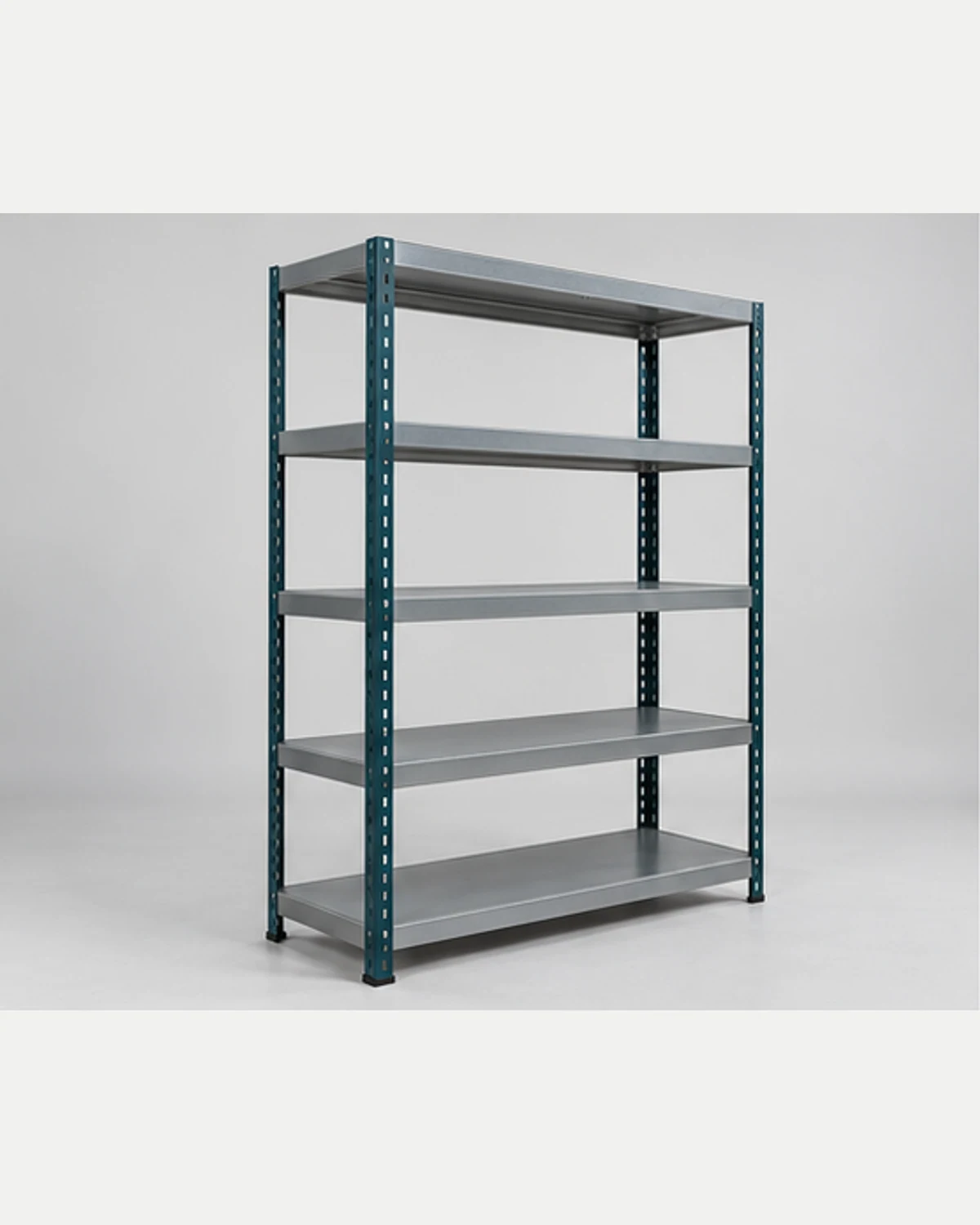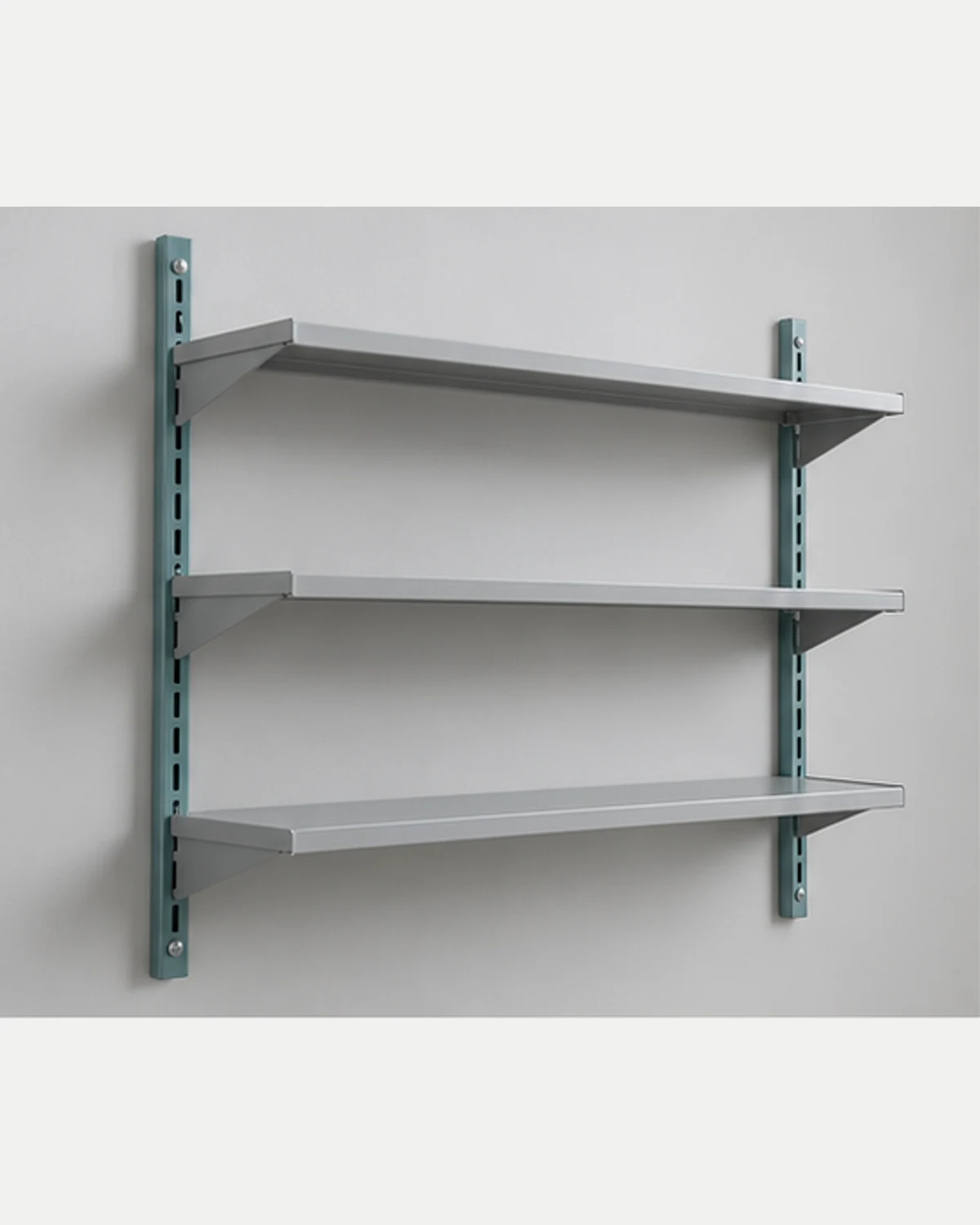

Steel shelving installation questions belong in procurement before the product reaches the site. A buyer needs to know what information the proposal relies on, who reviews the actual location and which instructions apply to the selected configuration. This guide helps importers prepare that discussion. It does not provide a structural design, a universal fixing method or a load assessment for an unknown room. Those decisions need the relevant product information and competent assessment of the actual conditions.
Establish who owns the site information
Ask the project team to identify the role responsible for the room layout and installation conditions. Record available drawings, relevant obstructions, access routes and known limitations. Describe what the stored items will be and how staff expect to use the shelving. The purpose is to give the supplier and site reviewer a common basis for identifying questions, not to transfer an unexamined room sketch into an approved installation plan.
Keep the information current when the proposed layout changes. A different position, shelf arrangement or use can raise different questions. The buyer should know which assumptions the proposal uses and which matters remain outside the supplier's confirmed scope. An installation responsibility should be named explicitly rather than left between purchasing, facilities and a destination contractor.
Ask for the selected configuration's information
Request the instructions and relevant evidence for the exact proposed arrangement. Do not use a document from another product simply because both are described as steel shelving. Record the reference and revision so that product information can be checked against the drawing, quotation and receiving record.
Use a pre-order responsibility checklist
This checklist identifies decisions and evidence; it is not a set of installation instructions. Product-specific dimensions, capacities and fixation requirements remain To be confirmed.
| Question | Information owner | Evidence or decision needed |
|---|---|---|
| What will be stored? | Buyer or end user | Item inventory and operating routine |
| What is proposed? | Supplier proposal owner | Configuration and relevant product information |
| Is the location suitable? | Competent site reviewer | Assessment of the actual conditions |
| Who performs installation? | Buyer project coordinator | Agreed scope and responsible organization |
| Who accepts completion? | Authorized project role | Inspection and handover requirements |
| What changed? | Drawing or change-control owner | Current revision and affected approvals |
Do not mark a field complete because the cabinet or rack looks substantial. The checklist should identify the actual information reviewed and the role accepting the relevant decision. Where a question is outside a respondent's scope, record who will resolve it.
Review storage and operation together
Describe how items are placed, retrieved and replenished. Ask the site reviewer and the supplier which product information is relevant to those conditions. A generic phrase such as office documents can conceal different item weights, handling patterns and access needs, so use representative records without publishing an invented rating.
Consider how the installation will be kept identifiable after handover. The buyer may need the approved configuration, instructions and applicable operating limits available to the people responsible for the location. Ask what information can be supplied and who will maintain the project record. Do not imply a maintenance or inspection service that has not been agreed.
Avoid unreviewed substitutions
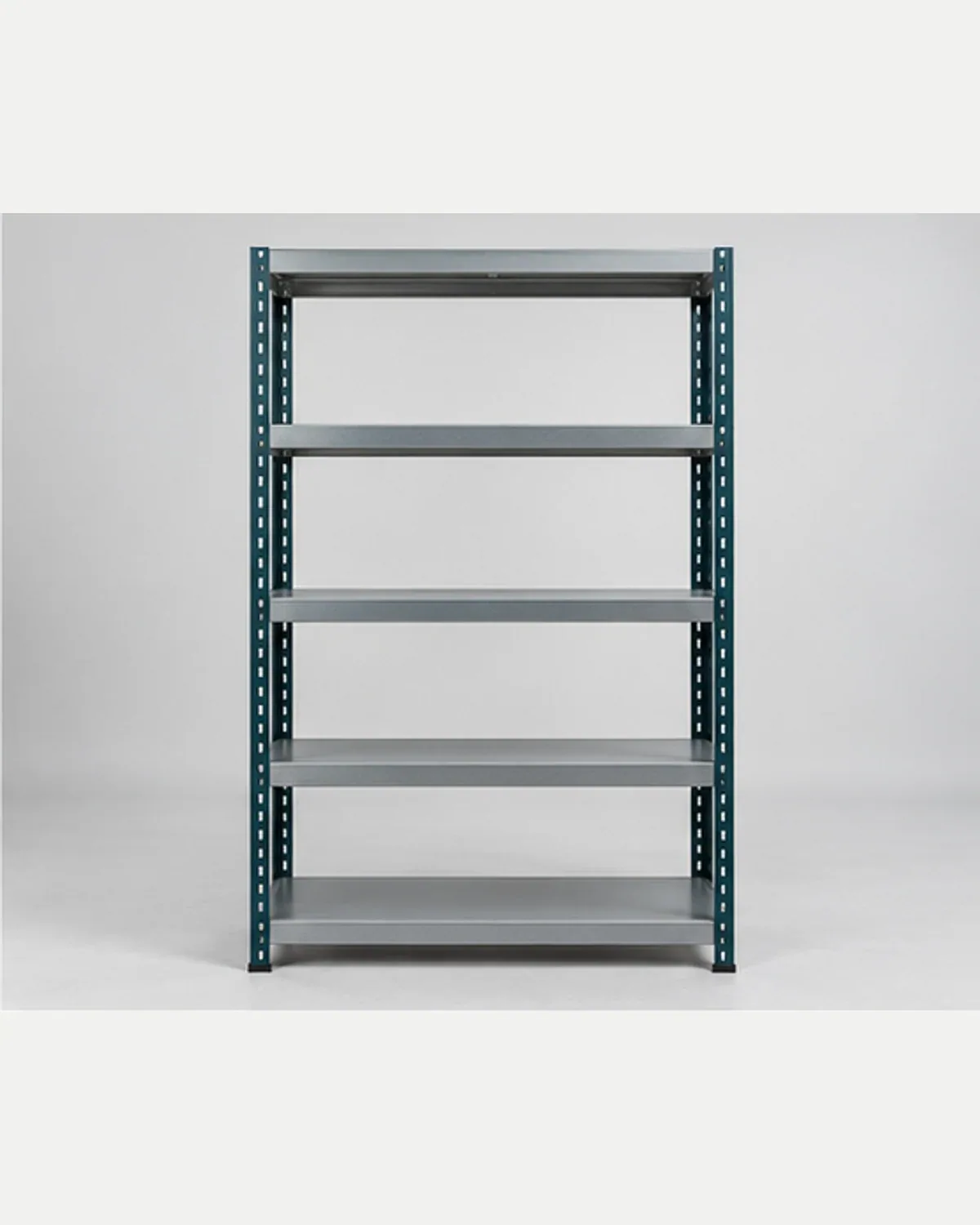
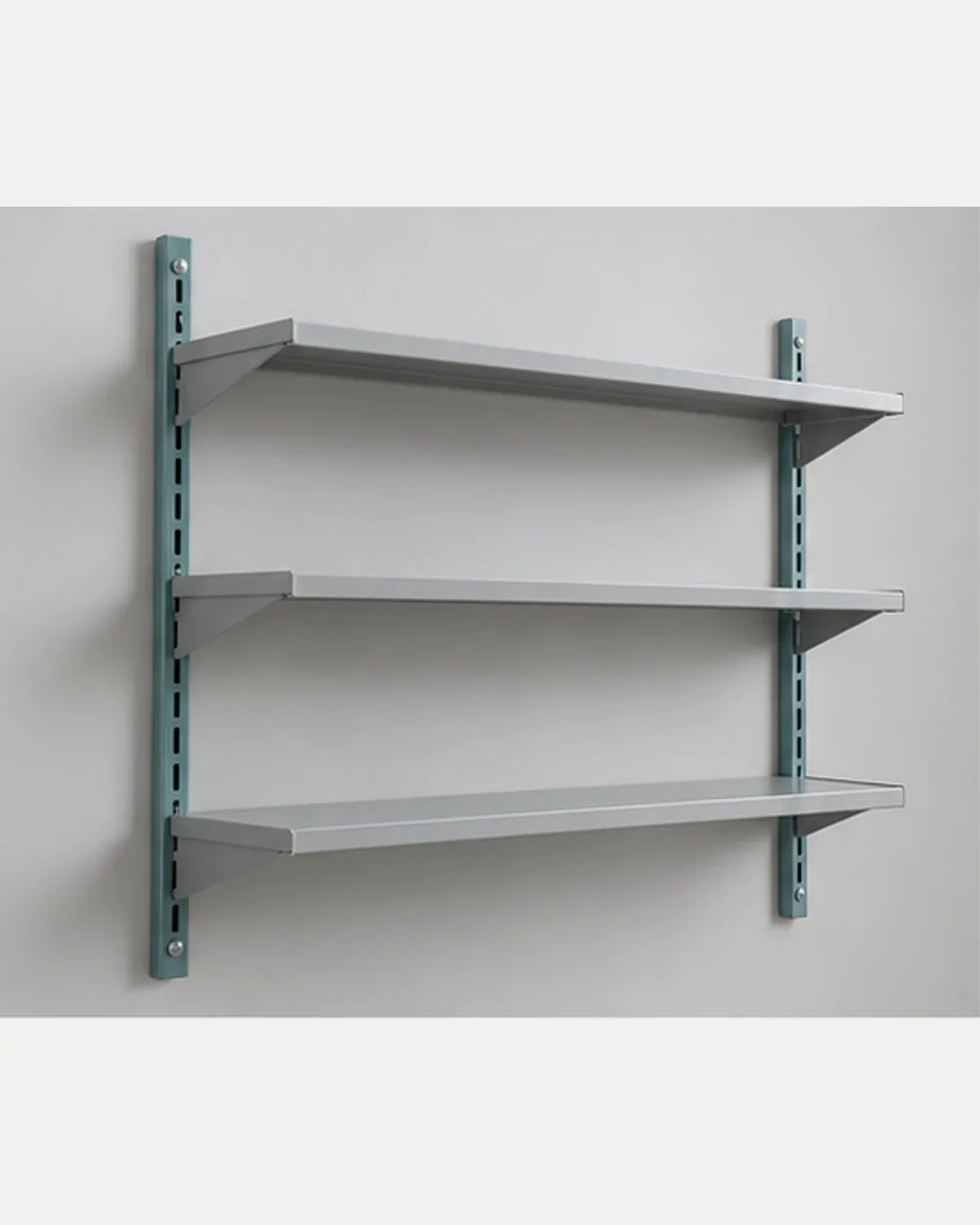
The Boltless Shelving Rack and Wall-Mounted Steel Shelves are different candidate references. A substitution between arrangements can change the questions that need review. The shelving category should be used for shortlisting, not as evidence that every option shares an installation method.
For an OEM/ODM proposal, identify the requested change and why it is needed. Ask whether the existing product information and review conclusions remain applicable. A changed layout, component or accessory should not inherit an earlier approval without considering the effect on use and installation.
Put approval boundaries in the purchasing brief
For an industrial or warehousing project, send the item inventory, site information, proposed product references and intended installation responsibilities to the procurement team. Ask for a response that identifies the proposed scope, available information and unresolved questions. Commercial quantities and destination requirements should be recorded separately from the technical acceptance decision.
The buyer can then plan the required reviews before confirming an order. The desired result is a traceable proposal and a clear division of responsibilities. It is not a broad assurance that a storage product is safe in every room, can accept any load or can be installed using an assumed common method.
Buyer FAQ
Can a buyer choose a fixing method from a product picture?
No method should be inferred from a picture. Obtain the selected configuration's information and have the actual installation conditions reviewed by the appropriate competent role. The purchasing brief should identify that responsibility rather than prescribe a generic solution.
What if the supplier does not provide site installation?
Make the boundary explicit. Ask what product information is available and identify who reviews the location, arranges installation and accepts completion. Coordination does not automatically mean that every service is included in the product quotation.
Does a revised shelf arrangement need another review?
Ask which earlier assumptions and records are affected. A change to the configuration or intended use may require updated product information or site review. Record the decision before transferring an old approval to the changed proposal.