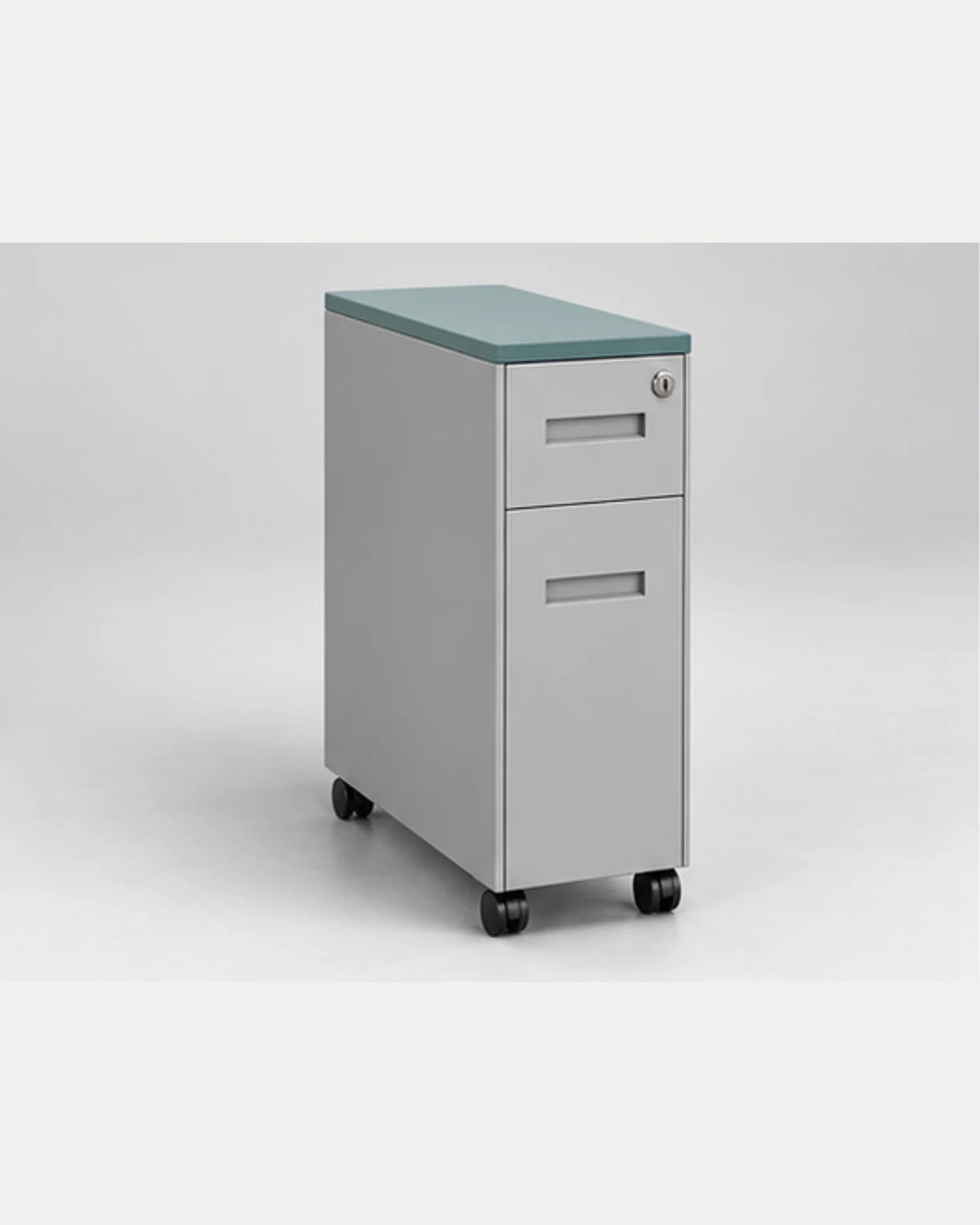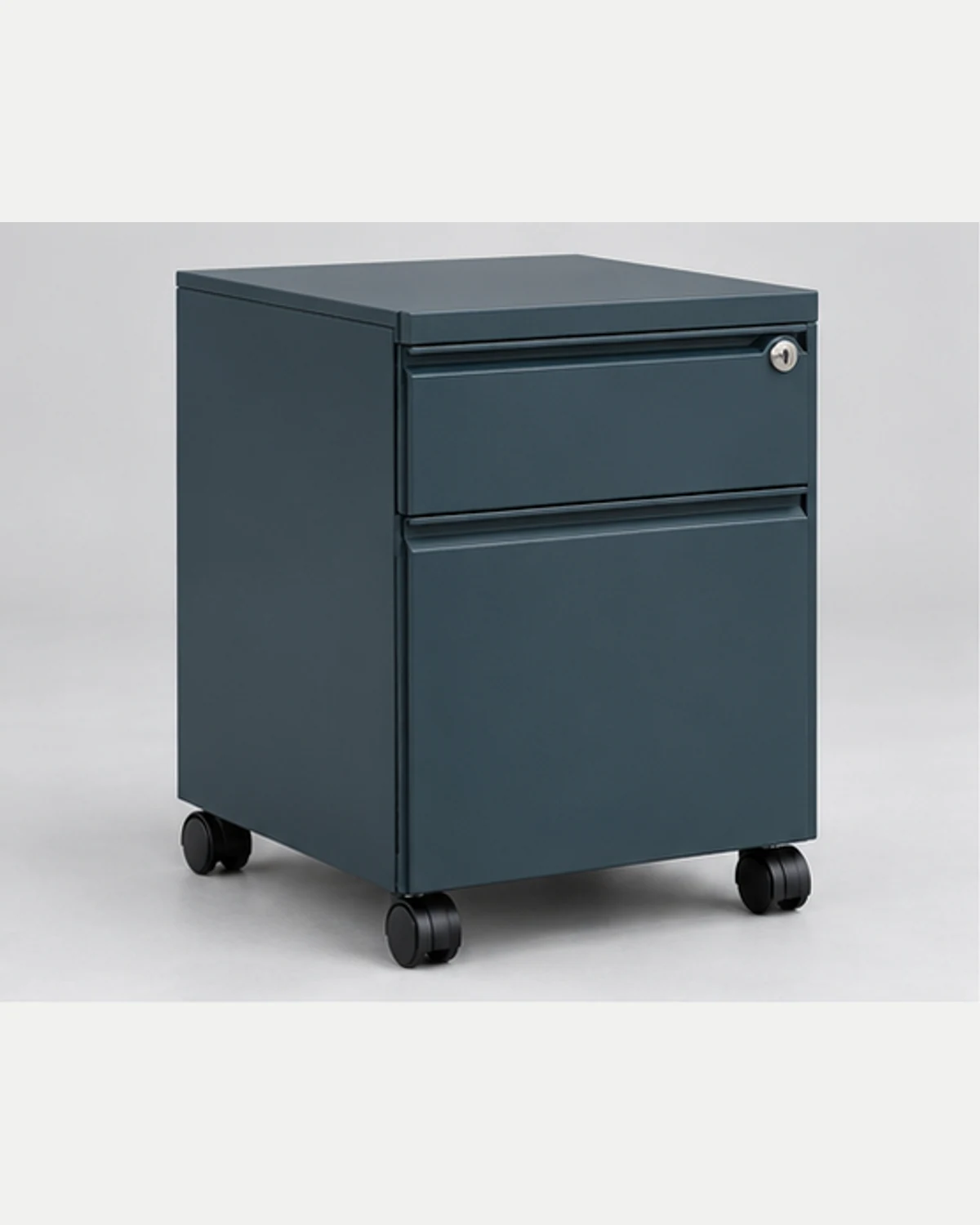
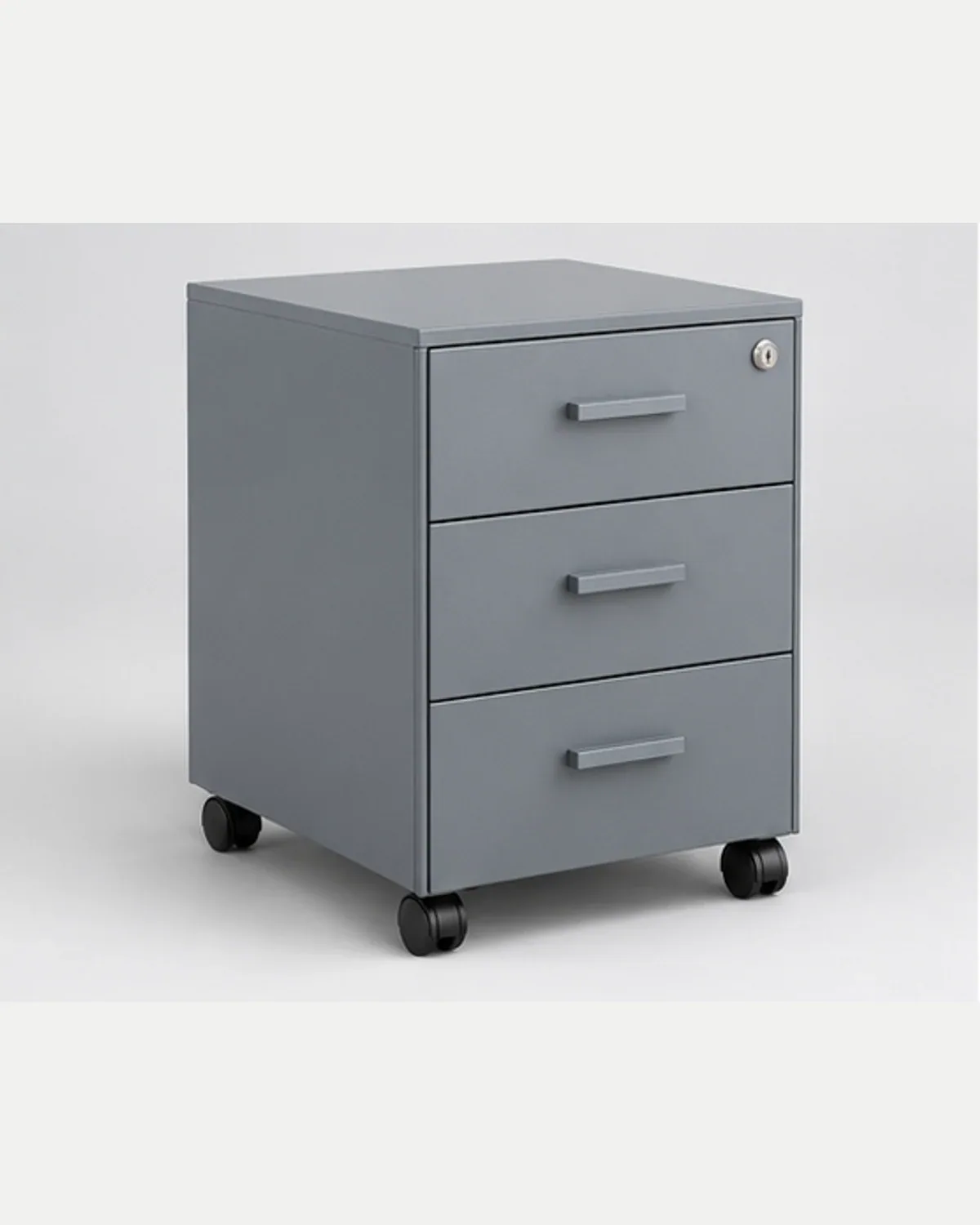
A mobile pedestal range can become difficult to manage when drawer layouts, locks, castors and finishes are treated as informal options. For a distributor, the challenge is to define a small set of understandable configurations and describe them consistently. This matrix focuses on range architecture rather than the separate question of fitting a cabinet under a particular desk. Candidate specifications, included fittings and the availability of each option remain To be confirmed.
Give every variant a distinct job
Start by naming the storage task each proposed variant serves. Personal stationery, working files and mixed office items may call for different drawer arrangements. Record the intended user and access pattern without claiming that a proposed configuration has already been validated for every customer situation.
Ask whether a requested difference changes the usable layout, movement arrangement, access policy or appearance only. This helps the buyer decide which differences need separate references and descriptions. Avoid creating a long catalog of variants that cannot be distinguished by a useful customer decision or supported by clear product information.
Keep names separate from confirmed factory models
A catalog reference can help identify a candidate, but it should not be presented as a confirmed factory model when that connection is unresolved. Keep the product name, catalog identity and proposed supplier reference as distinct fields until the order information has been checked.
Complete a configuration matrix
The matrix can be expanded with the buyer's own proposed variants. It contains questions to resolve rather than a predetermined package of standard hardware.
| Configuration layer | Decision to make | Record required |
|---|---|---|
| Drawer function | Stationery, files or a mixed arrangement | Internal layout reference |
| Access | Individual or shared key administration | Proposed lock option and limits |
| Movement | Expected movement and parking routine | Proposed castor arrangement |
| Appearance | Which finish and hardware references apply? | Current sample or appearance record |
| Range identity | Does the change create a separate variant? | Catalog and proposal references |
| Receiving | What must the destination team prepare? | Packing and component information |
Use an unresolved status where an option has not been confirmed. A blank field should not later be interpreted as a standard feature simply because a similar illustration appears elsewhere in the range.
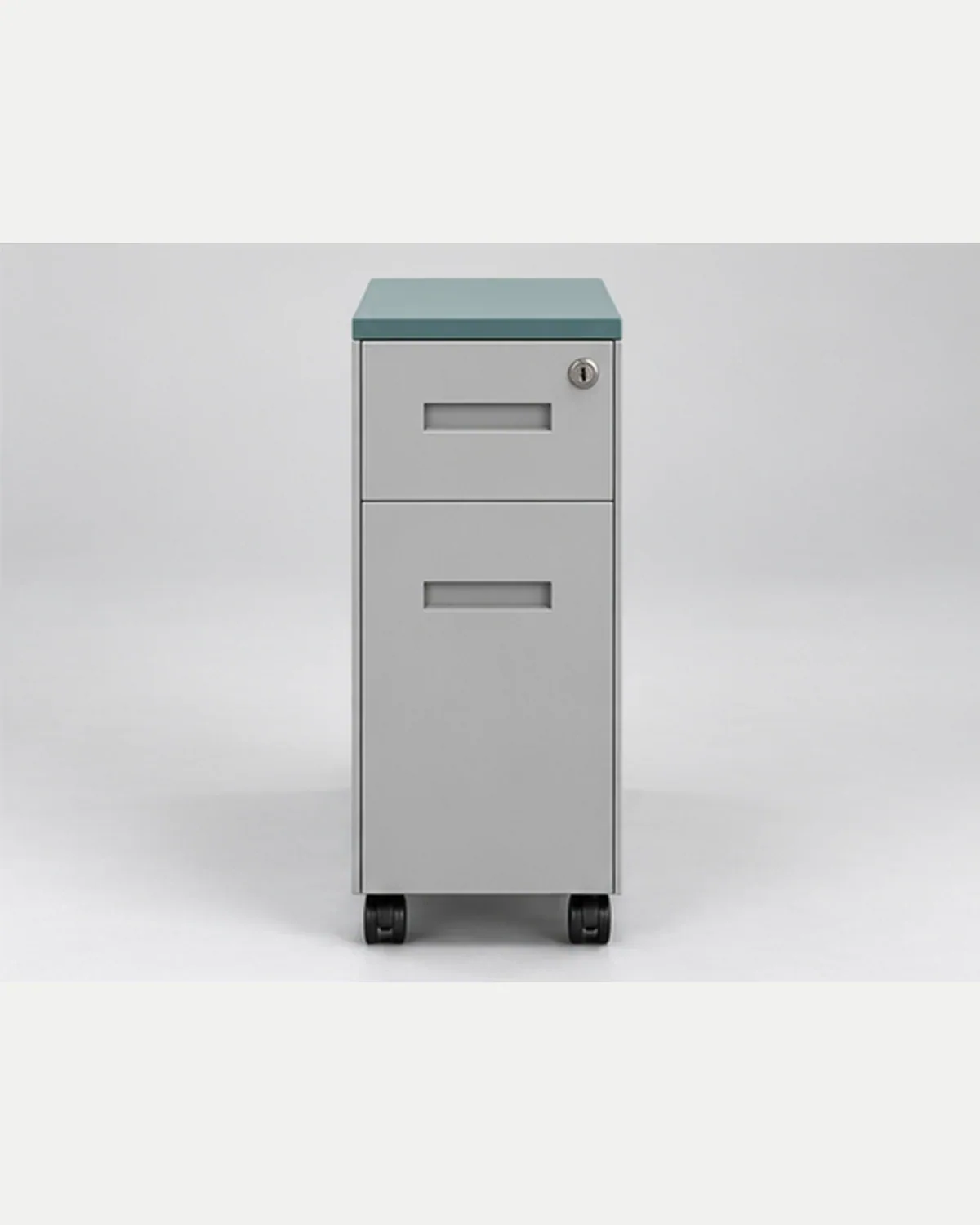
Use candidate products to test range boundaries
The Slim Mobile Pedestal and Hanging-File Mobile Pedestal suggest different buying discussions. Request the actual proposed internal arrangement and relevant usable space before deciding how they should be positioned in the range. The mobile pedestal category remains a shortlist of candidates, not a verified option configurator.
When a buyer requests another combination, compare it against the matrix. If the difference changes the drawer function or operating arrangement, request an updated proposal instead of treating it as a minor label change. Where formal performance evidence is needed, connect it to the specific proposed configuration rather than the family name.
Manage bulk and repeat-order information
A bulk quotation should identify quantities by variant, not only a combined pedestal total. Ask the respondent to state included options, exclusions and any unresolved commercial conditions for each line. If sample work or customized fittings are requested, keep their scope visible alongside the proposed product.
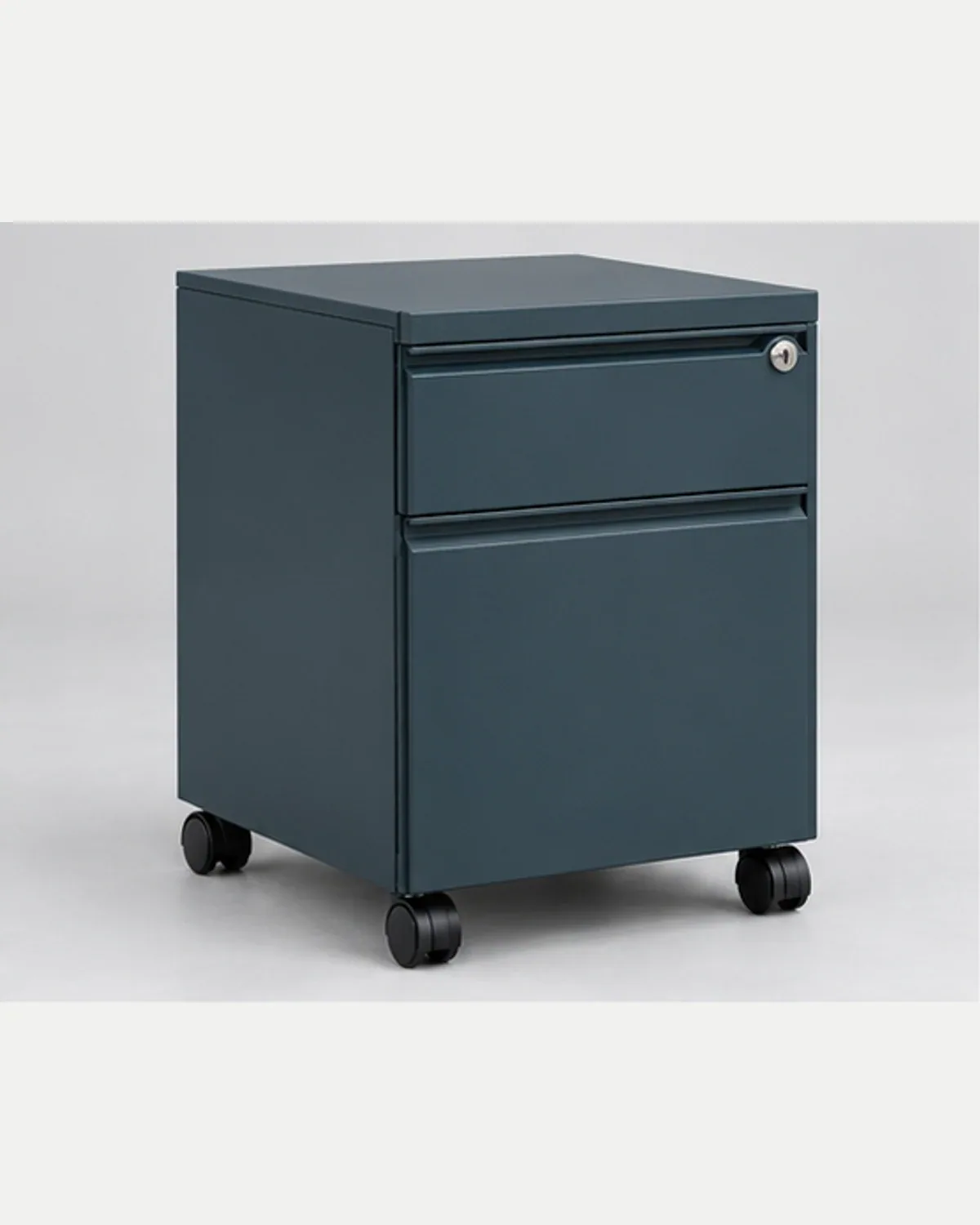
For repeat purchasing, retain the matrix and its revision identifiers with the order record. The buyer can then ask whether the proposed configuration is unchanged and what differences require review. Do not depend on a small sales photograph to establish the lock arrangement, internal fitting or destination preparation work for a later batch.
Keep project fit as a linked review
Range planning does not replace desk compatibility review. For a corporate office project, link the chosen variant to the desk layout and access requirements used by the project team. Keep any unresolved clearance question separate from acceptance of the range description.
Send the variant matrix, candidate references, quantities and destination to the procurement team. For OEM/ODM changes, add marked drawings and identify the buyer's approval owner. Ask for a response that preserves the variant boundaries and highlights combinations needing further discussion. This makes the range easier to quote and review without turning proposed options into unsupported supply commitments.
Buyer FAQ
When does an option need a separate variant reference?
Consider whether it changes the storage function, access arrangement, operating conditions or information needed to order and receive the product. The buyer should be able to distinguish meaningful configurations without relying on an informal description or a shared image.
Can a distributor advertise every combination in the matrix?
The matrix is a planning tool, not confirmation of availability. Ask the supplier which combinations can be proposed and what drawings, sample reviews or commercial information are needed before a particular configuration can be described as available.
How does this differ from checking desk clearance?
This worksheet defines the range and its configuration boundaries. Desk clearance is a location-specific fit question. A well-identified variant still needs review against the actual desk and operating space before it is approved for a project.