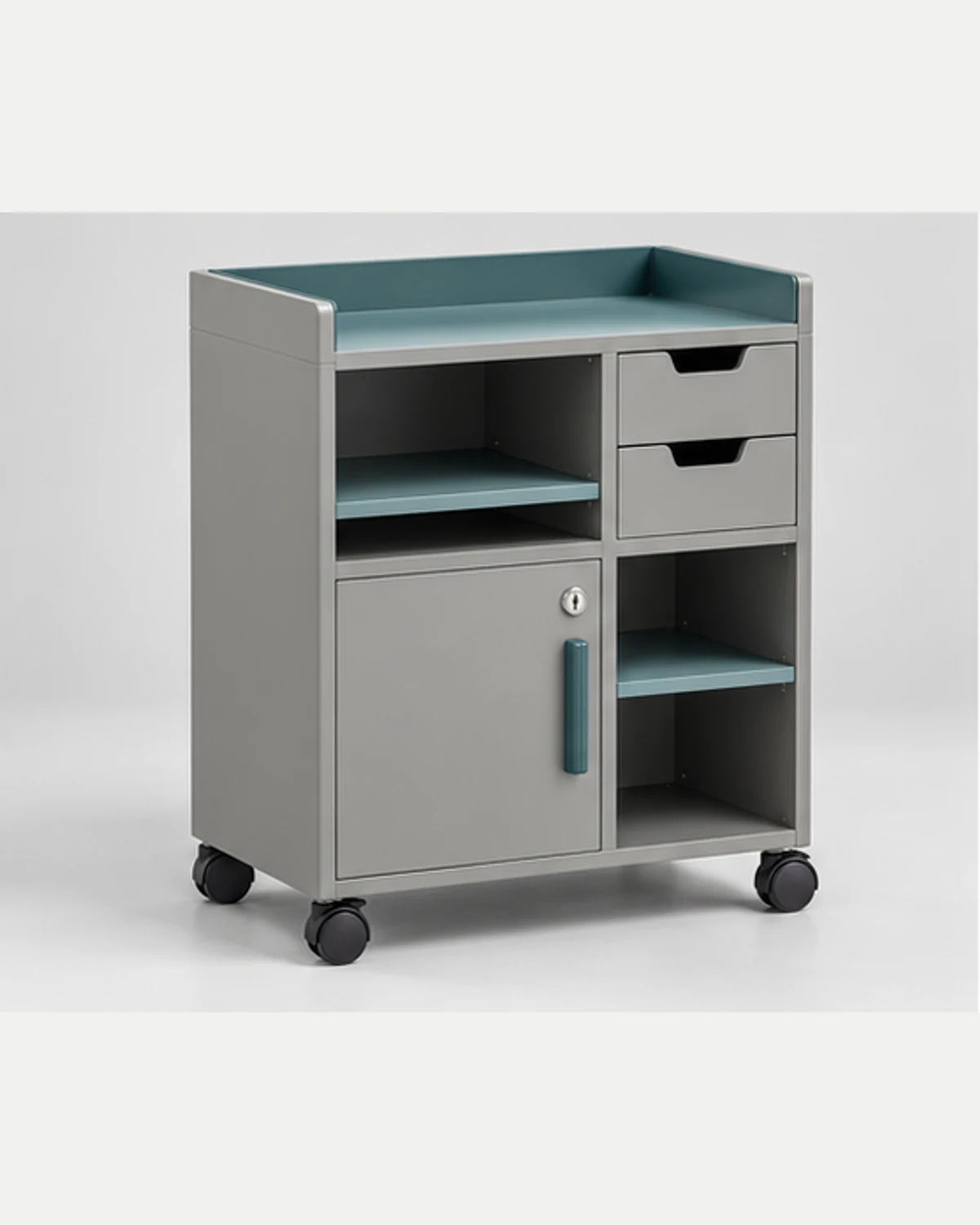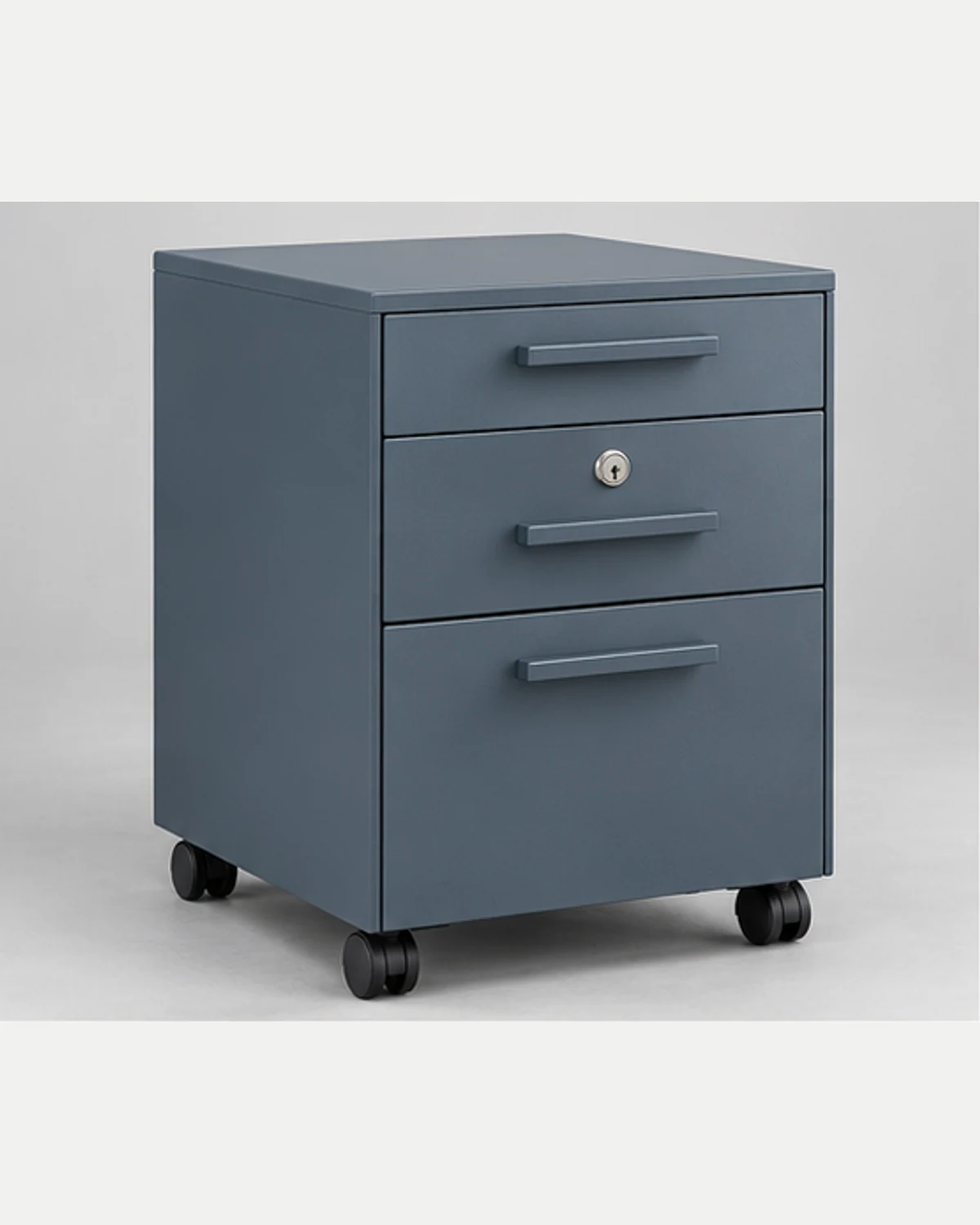

Pedestal carton receiving is an information problem as well as a handling task. A project team needs to identify what arrived, which workstation or zone it belongs to and what preparation remains before use. For an importer supplying mixed office furniture, these questions should be included when packing is discussed. This guide provides a receiving record, not a universal carton specification or an unverified promise about damage prevention.
Work backwards from the final location
Ask the buyer how pedestals will move from the receiving point to their intended offices. Identify whether deliveries are stored centrally, distributed by zone or received directly at final locations. The receiving schedule should connect each proposed product reference to the buyer's location references without exposing unnecessary personal information.
Describe any access or preparation questions the project team has already identified. Ask what handling and packing information will accompany the selected configuration. Product size, carton dimensions, weight, packing quantities and assembly arrangements remain To be confirmed. Do not copy those fields from another pedestal or infer them from an illustration.
Decide who performs each check
The role signing for packages may not be the role approving the assembled or prepared product. Record what each receiving step demonstrates. This avoids treating the presence of cartons as confirmation that every accessory and operating requirement has been checked.
Prepare the receiving worksheet
Use the worksheet as a record of observations and open actions. It should not prescribe unsafe handling methods or replace the relevant instructions and site assessment.
| Receiving stage | Record to check | Issue to clarify |
|---|---|---|
| Arrival | Order and package identifiers | Does the reference match the expected delivery? |
| Package condition | Visible observations before opening | What evidence should be recorded? |
| Component check | Product and accessory list | Are items or instructions unresolved? |
| Preparation | Agreed destination fitting responsibilities | Who performs and reviews the remaining work? |
| Location handover | Zone and workstation references | Has the correct configuration reached its location? |
| Open issues | Observations linked to product references | Who owns the next clarification? |
Ask the supplier to explain how its proposed carton and component identifiers can support this record. Keep the information aligned with the current order revision, particularly when similar variants share a finish or general appearance.
Separate an observation from its cause
The receiving team should record what it can actually observe. A damaged package, a missing accessory reference and an operating concern are different issues. Link the record to the relevant product line and supporting information without immediately assigning an unsupported cause or claiming that the entire delivery is acceptable.
Agree how clarification will be requested and which records should accompany it. Do not invent a replacement policy, compensation promise or response deadline that has not been agreed. The procurement team can ask for the applicable process during quotation review, before a discrepancy becomes an urgent question at the receiving point.
Confirm the proposed preparation arrangement
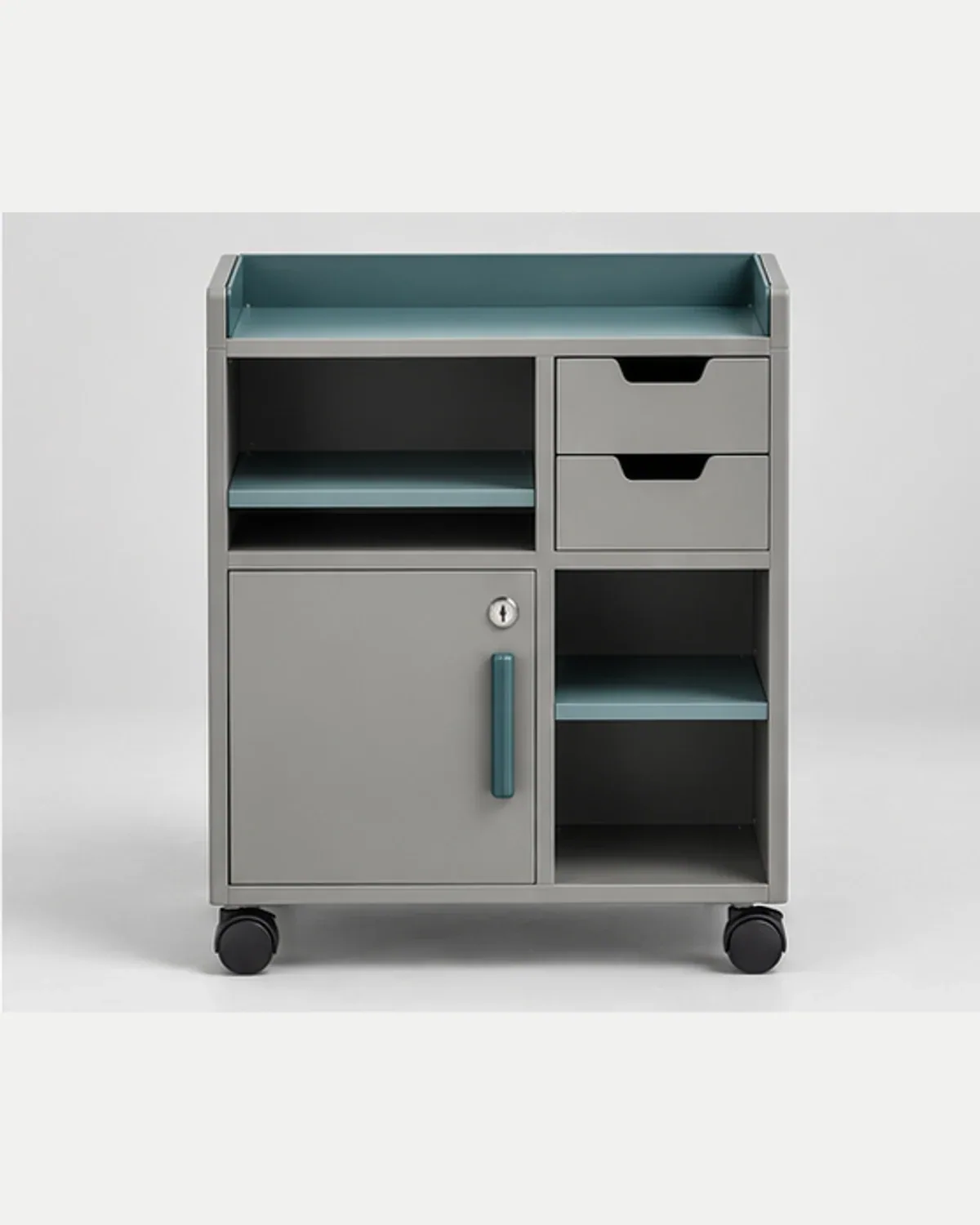
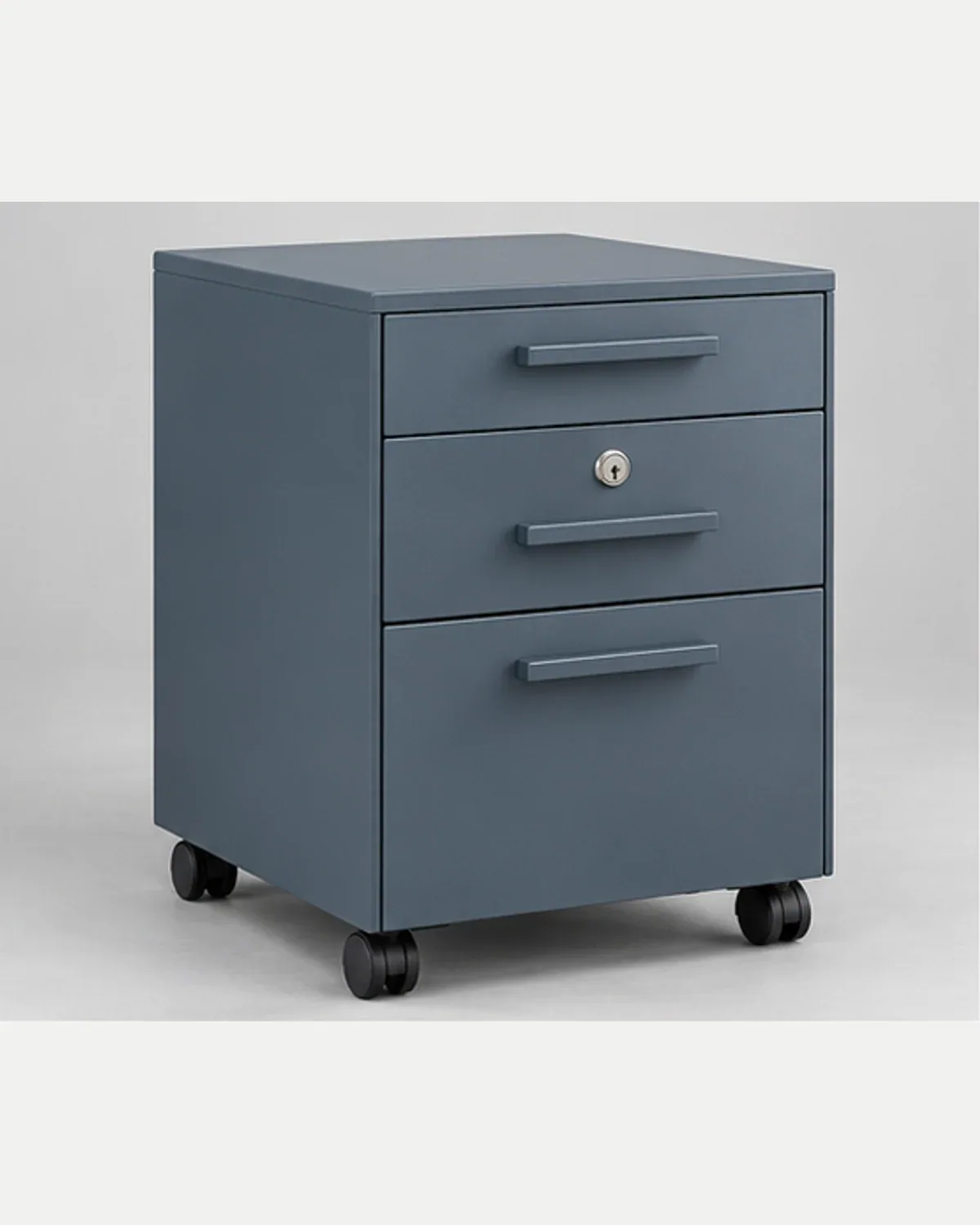
The Mobile Office Caddy and Lockable Mobile Pedestal are distinct candidate references. Ask which components, fittings and instructions would accompany each proposed configuration. The mobile pedestal range does not establish a common packing or assembly method for every product.
Where castors, handles or another fitting are proposed for destination installation, identify the responsible party and the required information. Product preparation and site suitability are separate questions. If an OEM/ODM change affects a component or packing arrangement, request confirmation of the receiving implications before approving the change.
Build the packing discussion into the RFQ
For a corporate office project, provide the intended delivery sequence, location references and proposed product quantities. Ask for a packing proposal and accessory identification approach that reflect the actual order mix. Where documents must match a project schedule, explain the relationship the buyer wants to maintain.
Send the receiving worksheet and unresolved questions to the quotation team. Request a proposal that identifies included preparation information, packing assumptions and responsibilities left with the receiving organization. A useful quotation makes these boundaries visible so that the buyer can plan the destination work instead of discovering it only after the cartons arrive.
Buyer FAQ
Does signing for cartons complete product acceptance?
Not necessarily. Agree what the arrival record confirms and which component, preparation or operating checks remain. Different people may own those decisions, and the purchasing record should preserve the distinction rather than treat every signature as complete acceptance.
What should a buyer request for separately packed fittings?
Ask how fittings will be identified against the product references, what list accompanies them and which instructions or review steps are proposed. Confirm the arrangement for the selected configuration instead of assuming that another model's packing approach applies.
What makes a receiving issue easier to resolve?
An observation tied to an order line, package identifier and relevant supporting information is more useful than an unexplained complaint. Agree the clarification process and responsibilities before ordering, without inventing an outcome or time commitment on the supplier's behalf.