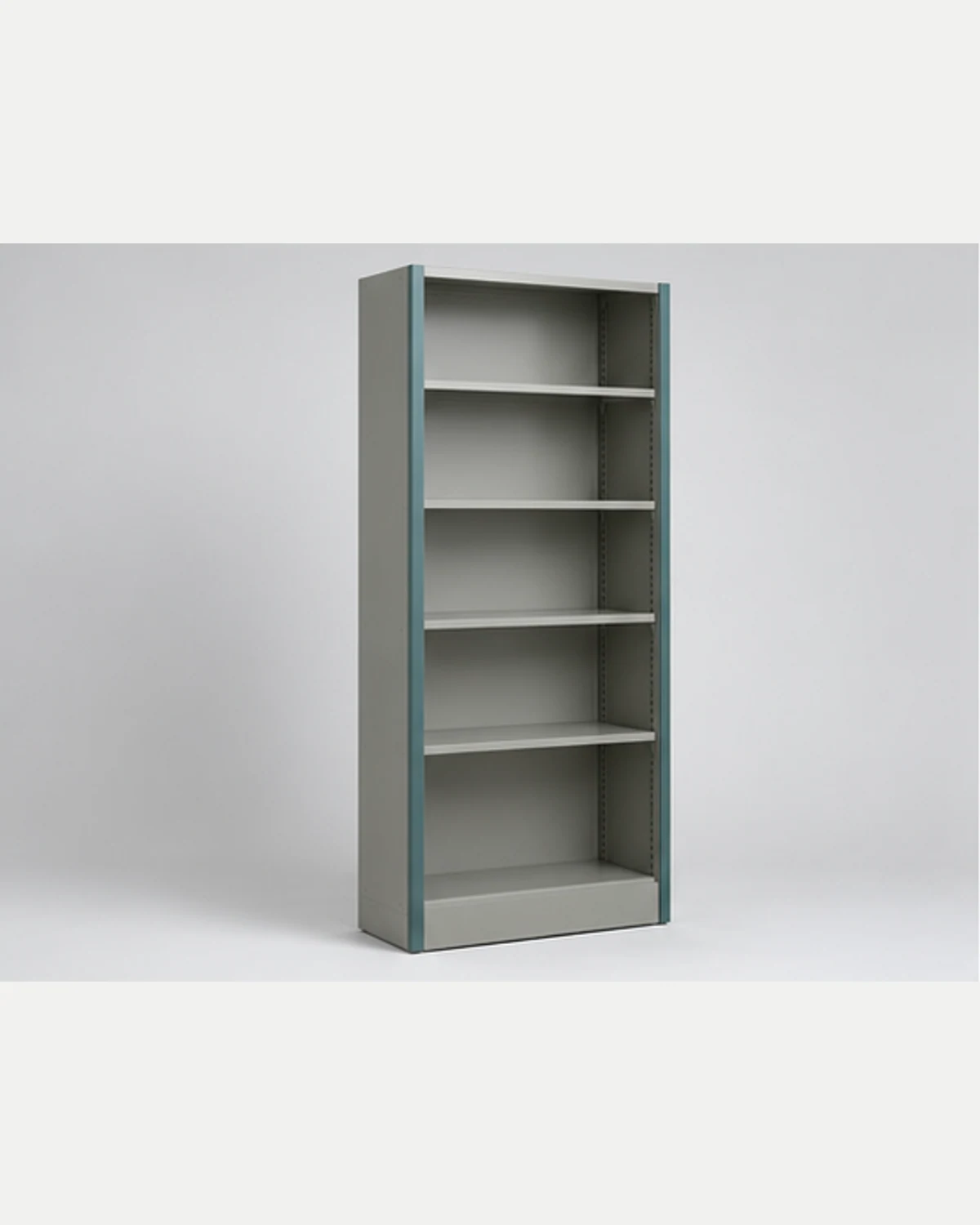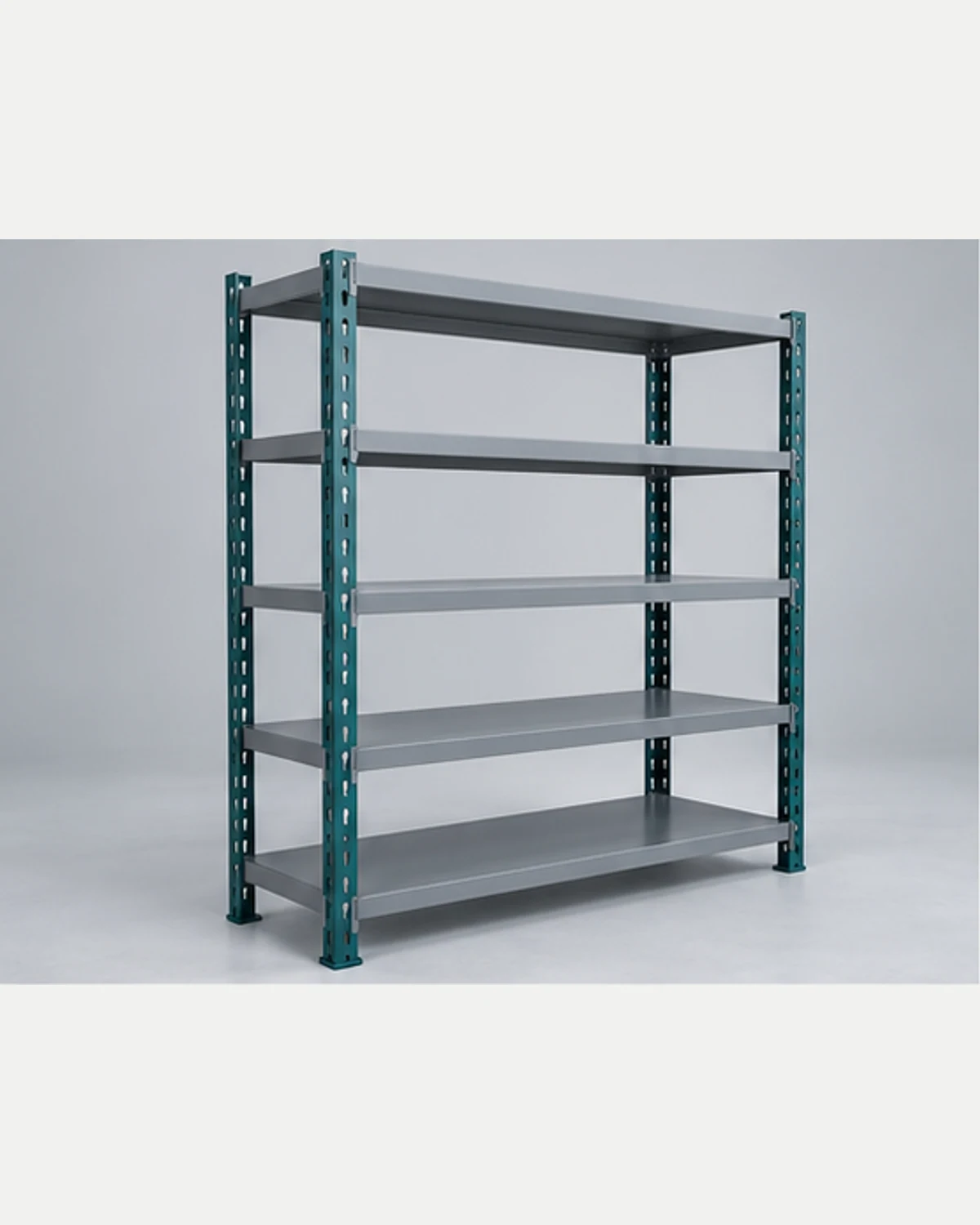

Usable office shelving space is defined by the items and the way people retrieve them, not by an attractive arrangement of empty shelves. For an importer or project procurement team, the practical selection task is to document what must fit, what must remain accessible and which details need confirmation for the proposed configuration. This inventory worksheet supports that discussion without publishing an assumed load limit or transferring another product's dimensions to a candidate.
Describe items in their stored condition
Record representative files, boxes, books or supplies with the containers and labels they use in practice. Group items that need to remain together. Identify which are retrieved frequently, which are replenished in batches and which are stored for occasional access. A single description such as general office storage can conceal several different shelving jobs.
Where the inventory is incomplete, choose representative items for review and record the limits of that sample. The buyer should know whether a proposal addresses the whole planned collection or only an initial set. Avoid silently expanding a limited fit check into a promise that every future office item can be stored in the same arrangement.
Include the movement needed for retrieval
Ask how an item will be removed, held and returned. The stored envelope may be different from the space required to lift or turn a box. Record nearby desks, doors and circulation routes when they affect access. Request a proposed arrangement and the relevant internal information rather than assuming useful space from overall cabinet dimensions.
Translate the inventory into shelf questions
The worksheet provides a bridge between the buyer's items and a supplier proposal. Complete it with actual buyer references, not hypothetical product specifications.
| Inventory question | Buyer record | Proposal to review |
|---|---|---|
| Item envelope | Representative item and container | Usable shelf arrangement |
| Retrieval | Frequent or occasional access routine | Position and opening-space explanation |
| Grouping | Items stored together | Proposed zones or divisions |
| Future change | Known changes to the collection | Adjustment options to confirm |
| Performance | Applicable requirement and approval owner | Configuration-specific evidence |
| Site | Location and relevant obstructions | Installation questions and responsibilities |
If the proposed arrangement cannot meet a requirement, record the exception. Ask whether another configuration or a different storage type should be considered. A worksheet loses its value when the inventory is quietly reinterpreted to match a preferred product picture.
Distinguish shelving from other storage jobs
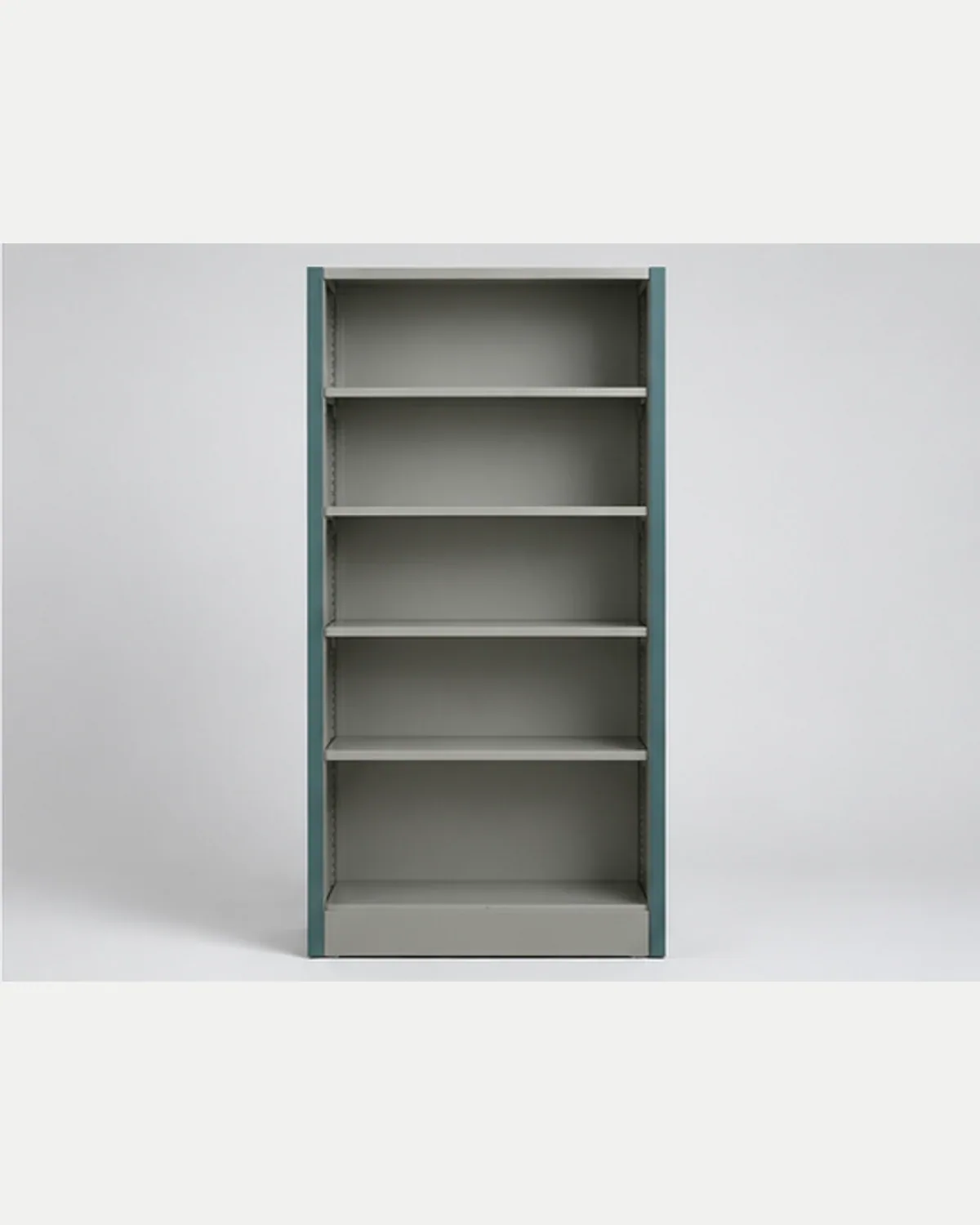
The Open Steel Office Bookcase and Adjustable Steel Shelf Rack are candidate starting points with potentially different intended applications. Confirm the actual proposed arrangement, instructions and evidence before drawing conclusions from their names. The shelving and bookcase category supports a shortlist, not an automatic substitution rule.
If the buyer needs enclosed or allocated personal storage, identify that requirement separately. A general shelving proposal may not answer an access-control or compartment-allocation need. Keeping these jobs distinct makes the RFQ easier to compare and reduces pressure to describe one storage configuration as suitable for every office activity.
Keep site and performance questions open until reviewed
Ask who will assess the actual location and review the product's proposed installation arrangement. Loading, fixation and stability should not be inferred from a concept image or the word steel. Request information and evidence relevant to the selected configuration, and identify any specialist review required by the project team.
General warehouse storage guidance can provide background for storage questions, but it is not a model certificate or a design for the buyer's site. Product-specific capacities, dimensions and installation requirements remain To be confirmed. Do not turn a general guide into a substitute for the applicable instructions and competent site assessment.
Send a focused selection request
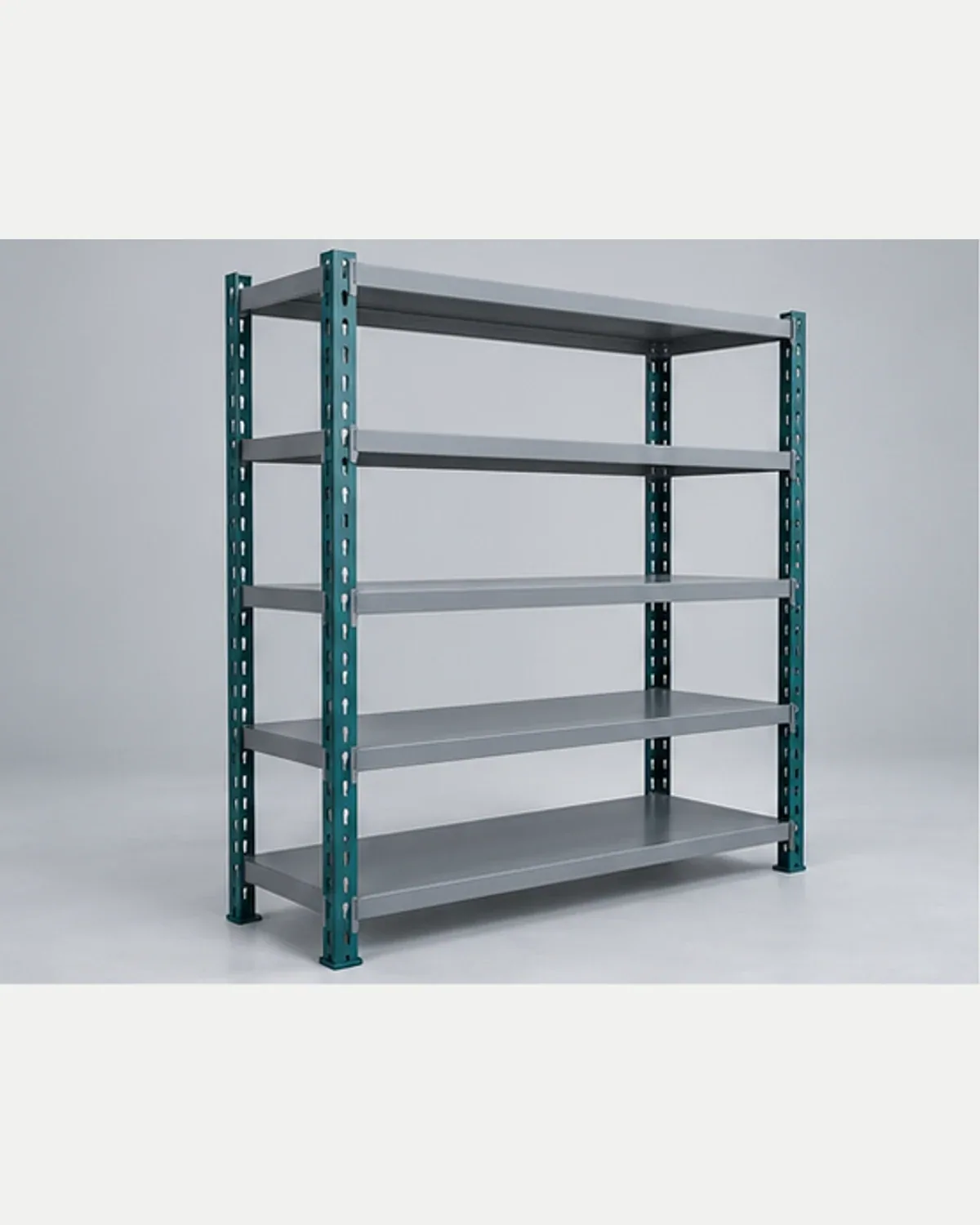
For industrial or warehousing applications, describe which items are handled and how access differs from ordinary office reference storage. For a bulk range, identify the proposed configuration boundaries and separate product quantities. Add OEM/ODM drawings where a change is requested and explain the storage problem behind it.
Send the completed inventory worksheet, candidate references and destination to the procurement team. Ask for a response showing usable arrangement, exclusions and unresolved questions. The desired outcome is a shortlist that can be checked against real items and a clear approval path, not a broad claim based on empty-shelf photography.
Buyer FAQ
Can overall shelf dimensions establish usable storage space?
Not by themselves. Ask for the proposed usable arrangement and consider containers, labels, divisions and the movement needed to remove items. The buyer's actual inventory and retrieval routine should be part of the fit review.
Is an adjustable arrangement automatically suitable for future items?
No future suitability should be assumed. Describe the changes the buyer expects and ask what adjustment arrangement is proposed. A later change in the stored items or relevant requirement may need a new configuration or evidence review.
Should load requirements be left out of an early inquiry?
State the relevant purchasing requirement when it is known, but do not invent a product rating. Ask for configuration-specific evidence and identify who reviews the site and operating conditions before the proposal is accepted.