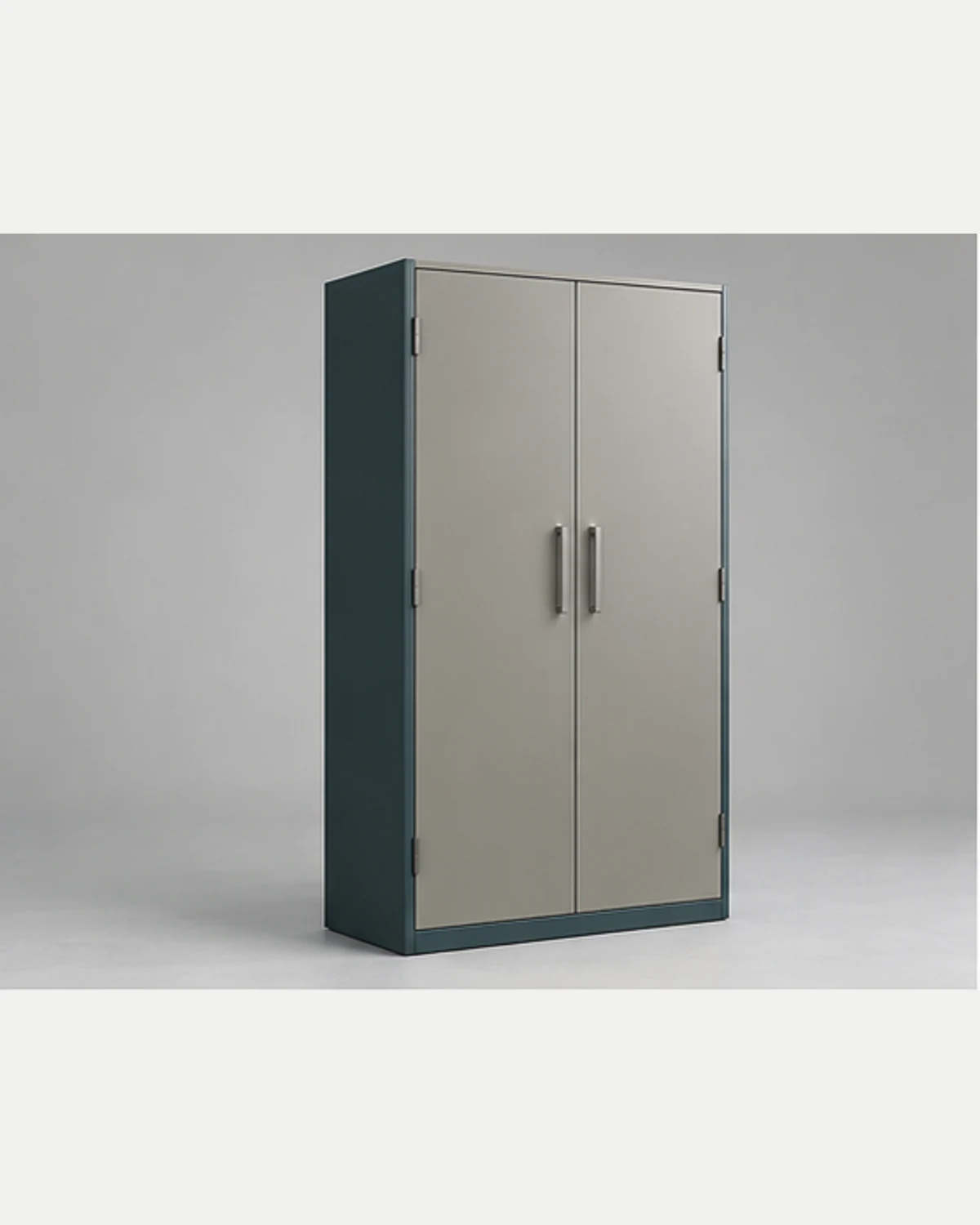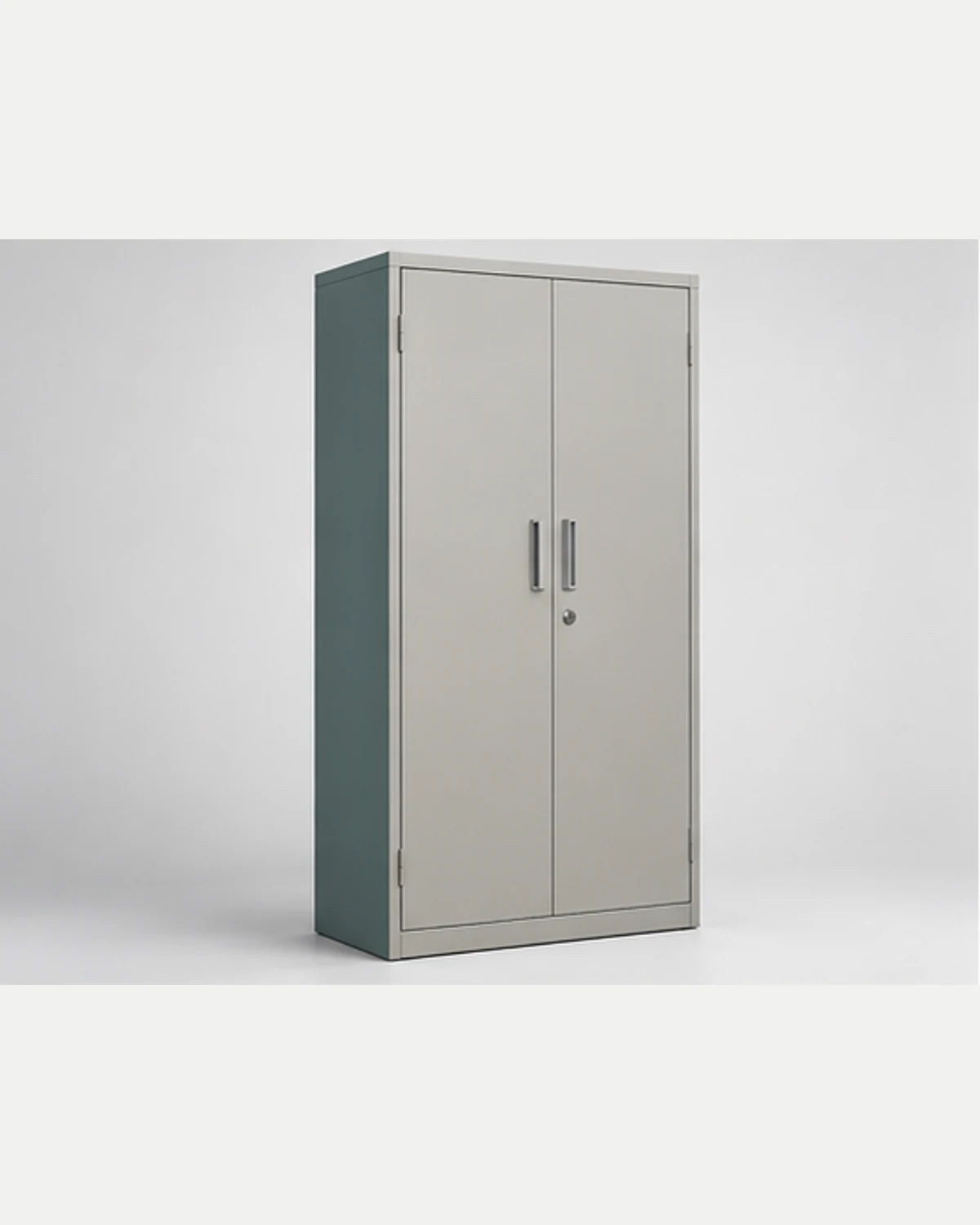
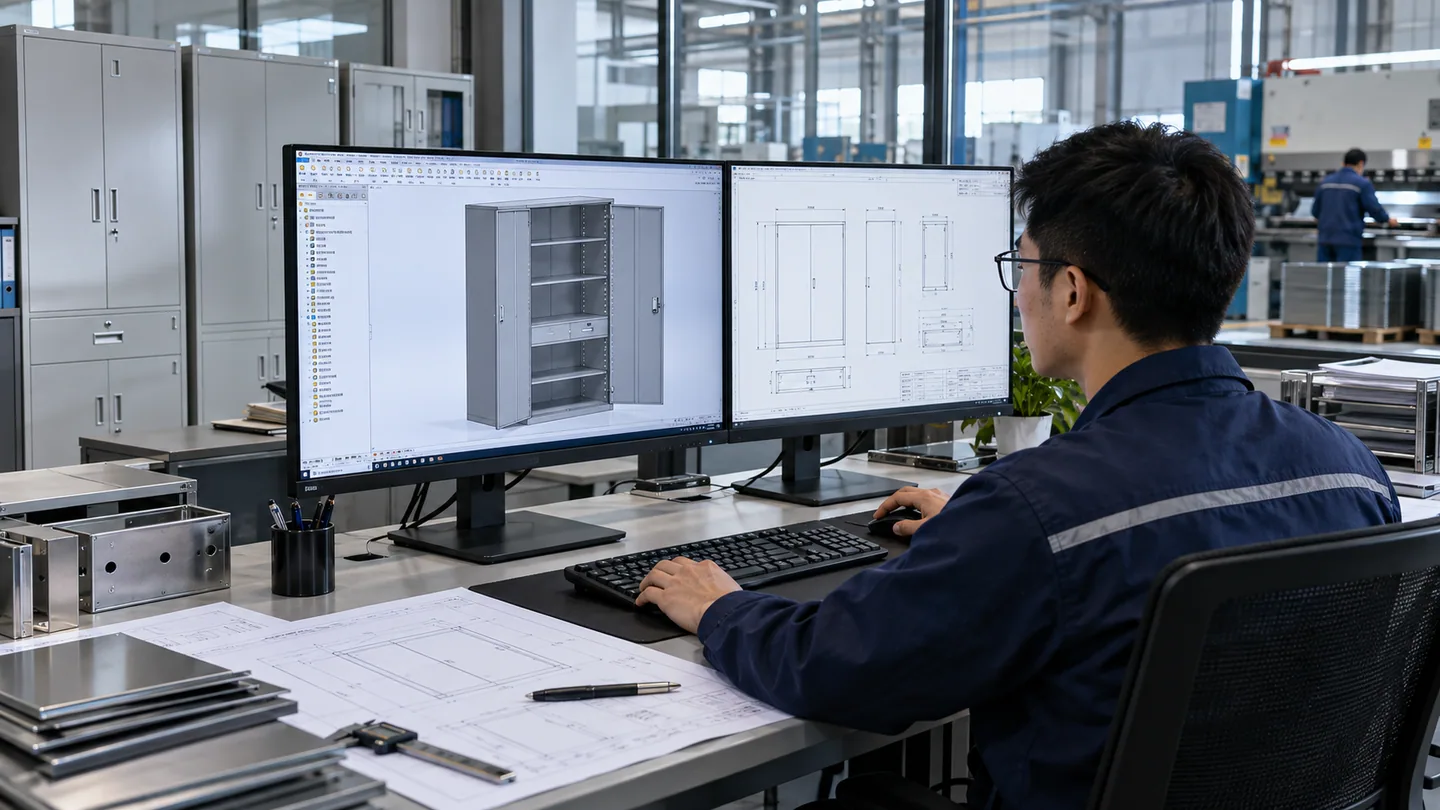
An OEM steel cabinet project can lose clarity when drawings, reference images and quotation revisions no longer describe the same proposal. The buyer needs a controlled record of what was requested, what was proposed and which changes have been accepted. This guide focuses on drawing revision and approval work, rather than repeat a general explanation of OEM and ODM. It does not assume every requested feature can be manufactured or that a particular production facility or equipment set is available.
Establish a single current design basis
Identify the product candidate, intended use and the buyer's essential requirements. Keep a current reference list covering drawings, appearance samples, functional questions and any agreed exclusions. A photograph can help communicate a concept, but it should not silently override a marked drawing or become evidence of an unverified dimension.
Ask each party to use the same reference and revision when discussing the proposal. Retain superseded material as history while clearly identifying what is current. The buyer should know which documents form the quotation basis and which are only discussion inputs. This distinction prevents a useful design conversation from being mistaken for acceptance of every detail.
Separate requirements from proposed solutions
Describe the storage or operating problem behind a change. A buyer may need a different access routine without knowing the best manufacturing arrangement. Ask the respondent to identify its proposal, feasibility questions and required reviews instead of treating the initial sketch as a confirmed manufacturing instruction.
Use a change-control log
| Change field | Record to keep | Decision needed |
|---|---|---|
| Origin | Buyer requirement or proposal reference | Why is the change requested? |
| Affected item | Product, drawing and current revision | Which configuration is changing? |
| Consequence | Open function, appearance or packing questions | What needs another review? |
| Commercial scope | Proposed pricing or work implications | What is included or excluded? |
| Approval | Authorized role and reviewed reference | What exactly has been accepted? |
| Handover | Updated order and receiving references | Which teams need the new information? |
The log should make uncertainty visible. A change can be under discussion, awaiting evidence or accepted for a defined purpose. Do not use a single vague status to imply that design, pricing, sampling and delivery commitments have all been confirmed together.
Review the effect across the order
A change to a door, shelf, handle or internal fitting may raise questions beyond appearance. Ask which operating information, sample references, packing proposal or assembly assumptions need to be reconsidered. The buyer does not need to guess the manufacturing consequence; it needs the respondent to identify the effect and the evidence or decision required next.
Keep the proposal tied to the configuration that was actually reviewed. If only one aspect is accepted, record that boundary. Approval of an appearance reference, for example, should not automatically settle an unresolved internal arrangement or a commercial exclusion. Model-specific specifications and supply conditions remain To be confirmed until the relevant order review is complete.
Keep candidate identities traceable
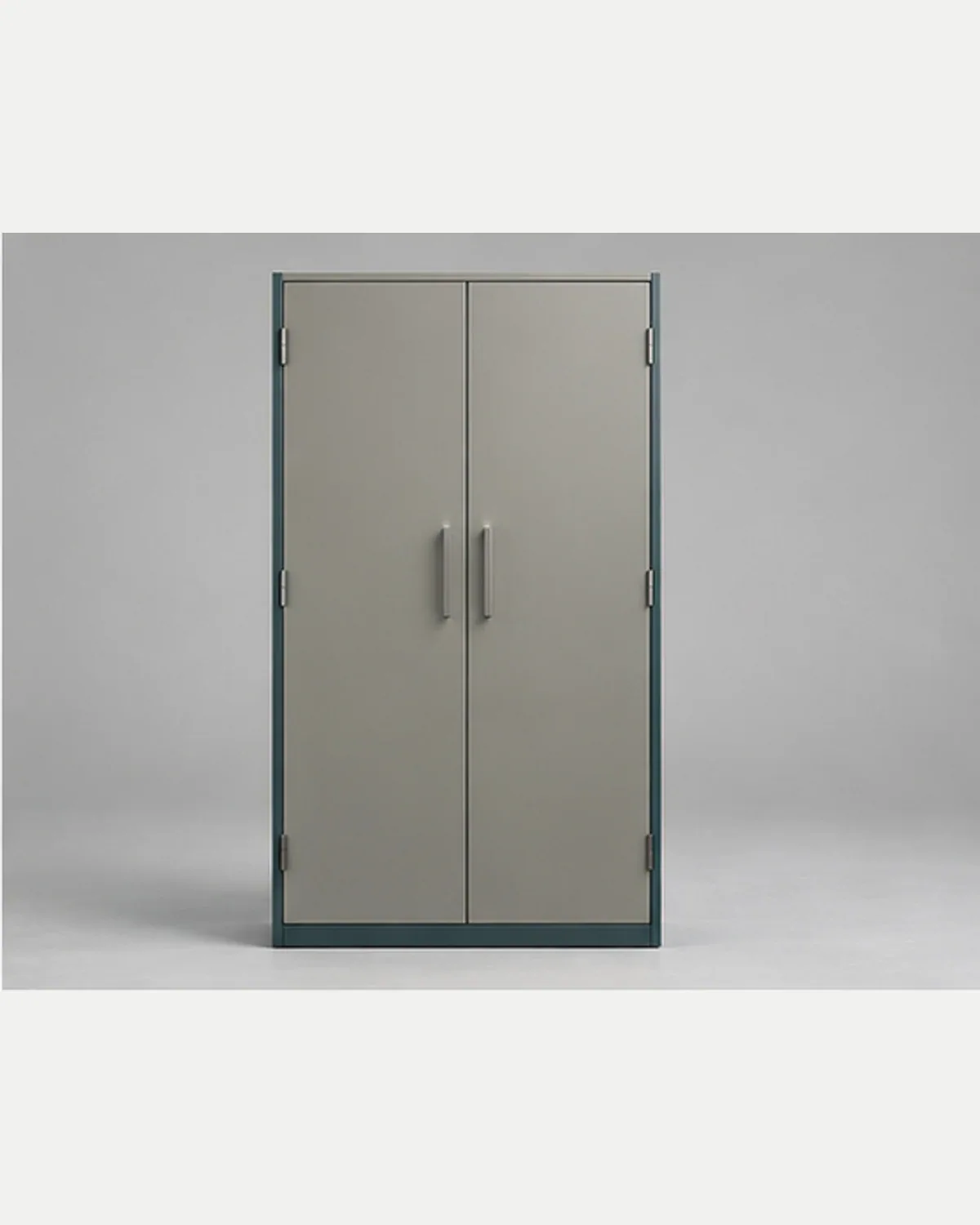
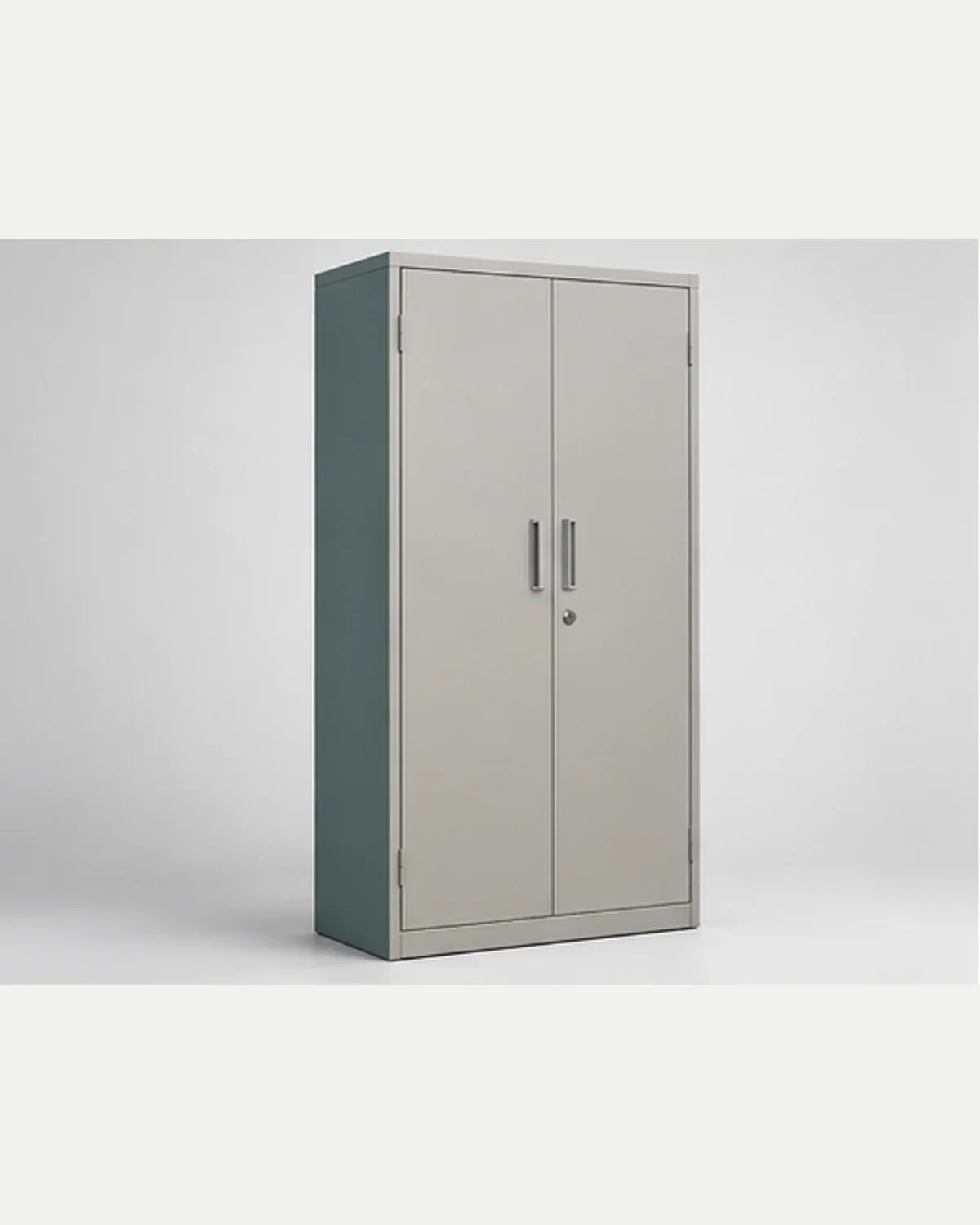
The Double-Door Steel Storage Cabinet and Adjustable-Shelf Steel Cabinet can provide references for a customization conversation. Their names and concept images do not prove the details of a proposed OEM version. Use the storage cabinet category to identify the starting point, then record the differences in the controlled proposal.
For commercial projects, a product change can also affect room allocations and the buyer's receiving information. Identify who checks those connections. Manufacturing and order coordination can support the discussion without implying ownership of every production resource or responsibility for unrelated destination work.
Close the loop before order confirmation
Ask for a quotation revision that identifies the current configuration and accepted scope. Record which earlier assumptions are replaced and which remain unchanged. If a new sample or supporting record is needed, keep it as an open approval item rather than describe the revised product as fully verified.
Send the change log, marked references, proposed quantities and destination requirements to the procurement team. Request clarification of the next review step and any unresolved commercial conditions. The useful result is a consistent set of design, quotation and order references, with an approval trail that another team can understand without reconstructing a long informal message history.
Buyer FAQ
Does sending a revised drawing authorize manufacture?
Not automatically. State the purpose of the issue and the decisions still required. A drawing sent for discussion or quotation should remain distinct from the reference accepted for an agreed order scope by the authorized buyer role.
Should old references be deleted after a change?
Retain them as controlled history while clearly identifying the current basis. The important point is to prevent superseded references from being mistaken for active instructions, not erase the record of how the proposal and approval decisions developed.
What makes a change request easier to review?
Explain the requirement, mark the affected references and identify the decision owner. Ask the respondent to describe feasibility questions, related consequences and the evidence or sample work needed before accepting the changed configuration and commercial scope.