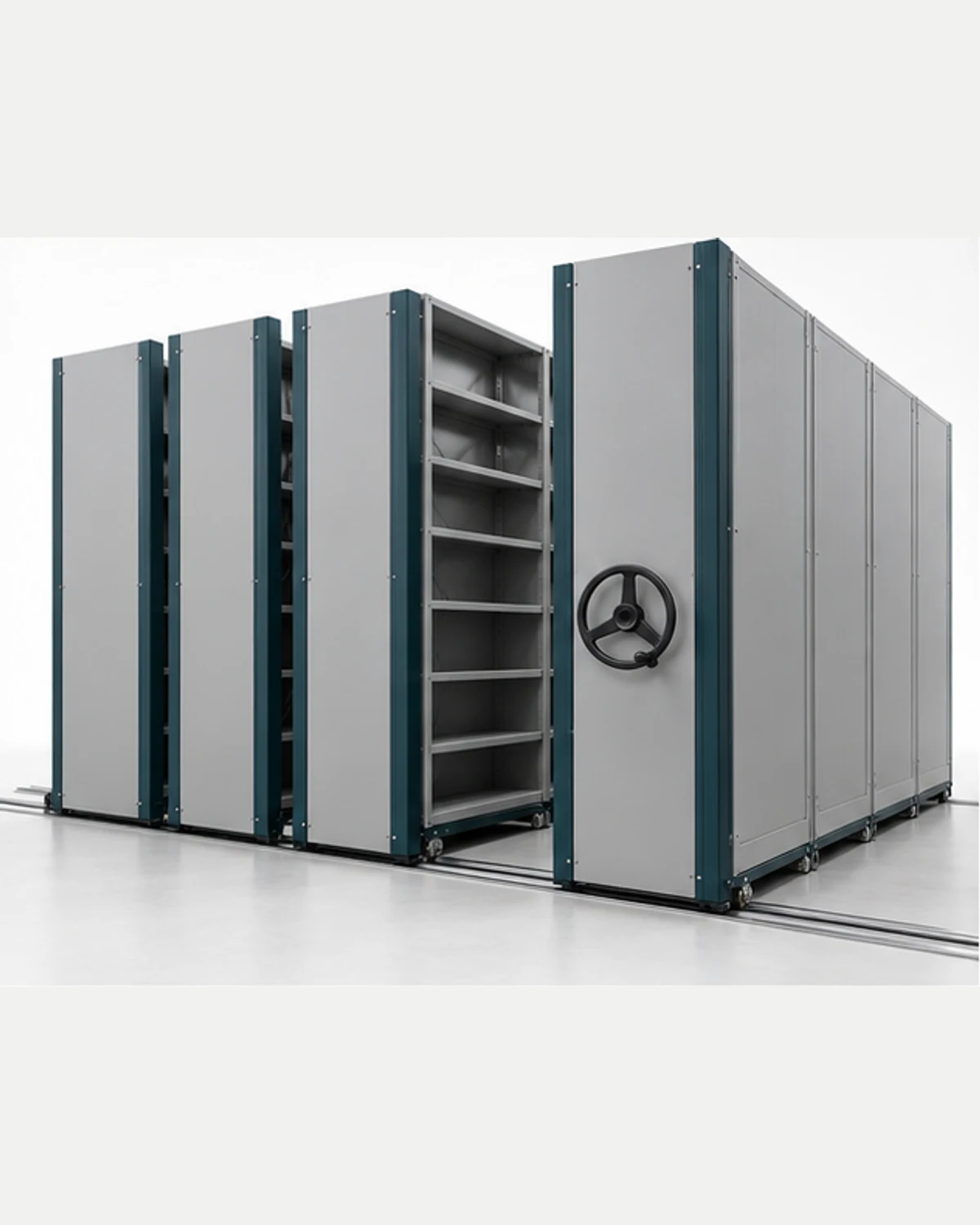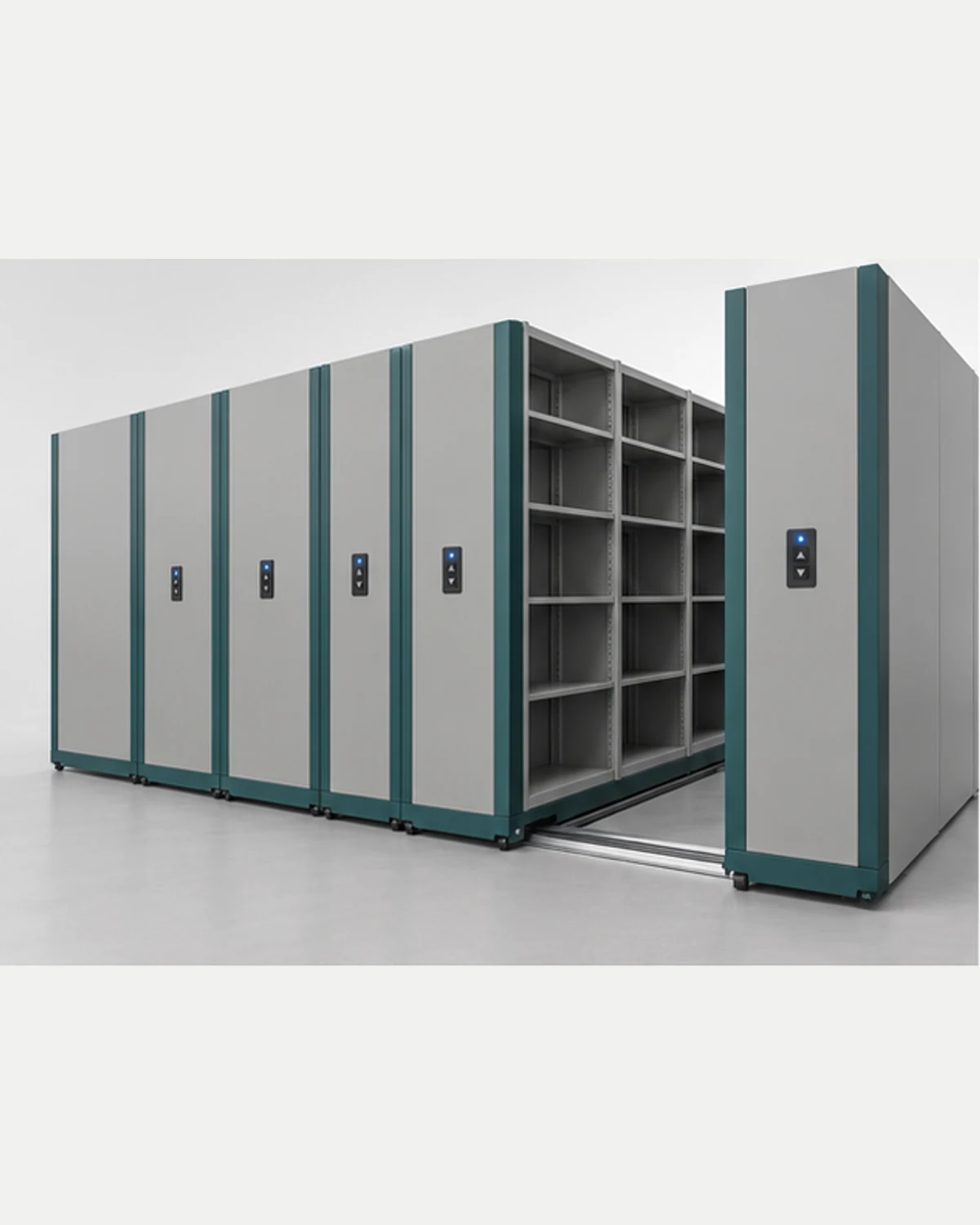
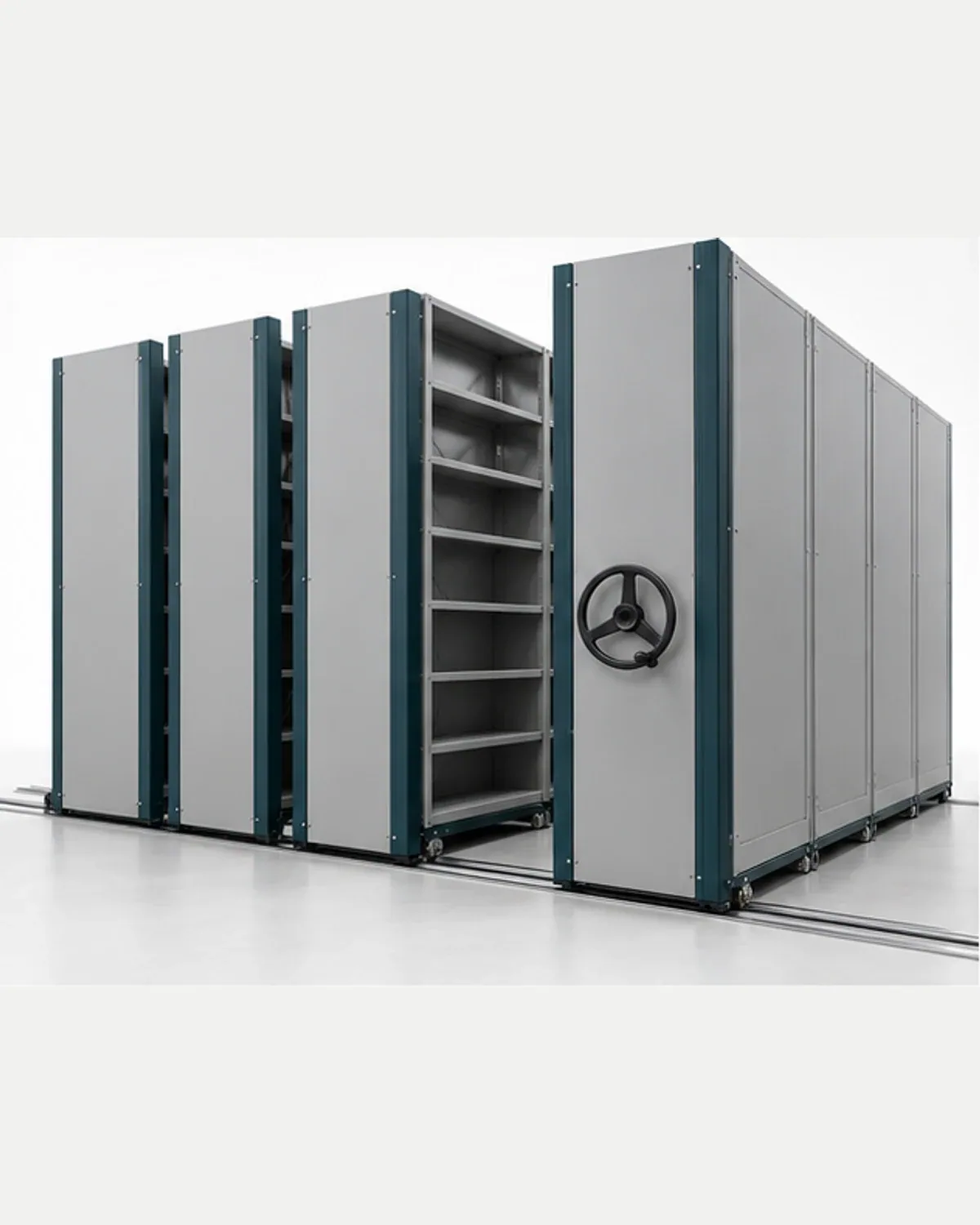
A mobile archive storage inquiry should begin with a site-survey brief, not a promise about how much space a system will save. The buyer needs to describe the collection, the room and the people who will review the proposal. This RFQ format helps importers and public-sector procurement teams organize those inputs. It does not establish floor suitability, prescribe installation work or confirm that a candidate system is appropriate for an unassessed location.
State the purpose and limits of the survey
Explain what the project team wants the survey to clarify: storage arrangement, access, configuration choices or questions for a specialist assessment. Identify the roles providing information and accepting decisions. A request for a quotation should not leave the supplier to assume that structural, building or other site approvals have already been completed.
List the information available and the information still missing. Where drawings are preliminary, label them accordingly and identify the current revision. Avoid providing sensitive records or access details that are unnecessary for the physical planning discussion. Non-sensitive room references and representative container descriptions can usually explain the initial storage task.
Separate a survey input from an approval
A room measurement, a photograph and an item inventory are inputs. Their presence does not by itself mean that a proposed layout is suitable. Record who reviews the actual site conditions and which further evidence or permissions the project team needs before accepting a configuration. Ask how survey notes and photographs will be dated and connected to the current layout revision.
Prepare the site-survey request fields
| Survey topic | Buyer information | Question for the proposal |
|---|---|---|
| Room | Available drawings and current layout | What additional site information is needed? |
| Access | Relevant routes and known obstructions | How will access be reviewed? |
| Collection | Formats, containers and retrieval routine | What storage arrangement is proposed? |
| Controls | Desired operating and access functions | Which options and evidence require review? |
| Site assessment | Responsible competent role | Which approvals remain unresolved? |
| Installation | Buyer and destination-party responsibilities | What work and information are included? |
Use the respondent's answer to identify the next information request. Do not turn an unanswered survey field into a default product feature or a presumed site condition. The resulting record should make assumptions easier to challenge, not make the initial proposal appear more certain than it is.
Describe the collection and its access routine
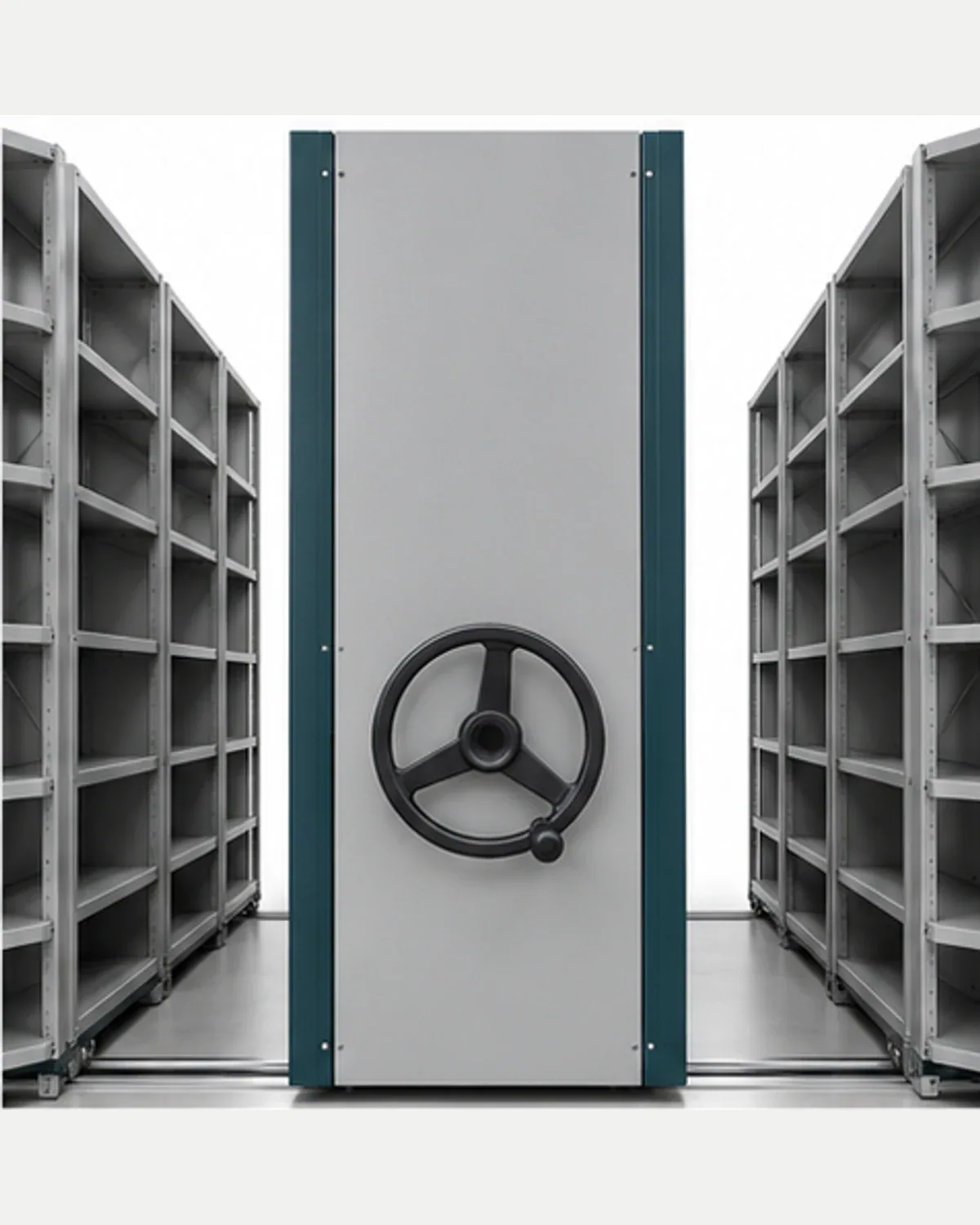
Include representative boxes, files and other formats in their stored condition. Explain how material is retrieved and returned, and which groups need to remain together. Where the expected collection is changing, describe the known direction of change rather than ask for an unlimited future-capacity promise.
Ask the respondent to connect the proposed arrangement to these collection assumptions. If an alternative layout changes how users find or handle records, the buyer should review that operating change. A product proposal should not quietly redefine the records team's access routine in order to match a preferred configuration.
Keep candidate system choices open
The Manual Mobile Shelving System and Electric Mobile Shelving System are different candidate references. Their names do not confirm controls, safety features, electrical scope or suitability for a specific site. Ask for the proposed configuration and the information relevant to the required functions.
The archive storage category can support shortlisting while the survey questions are being resolved. For government and public-sector applications, identify any documented procurement requirements and the approval process. Do not imply public-sector endorsement or a verified delivery case merely because those applications are discussed.
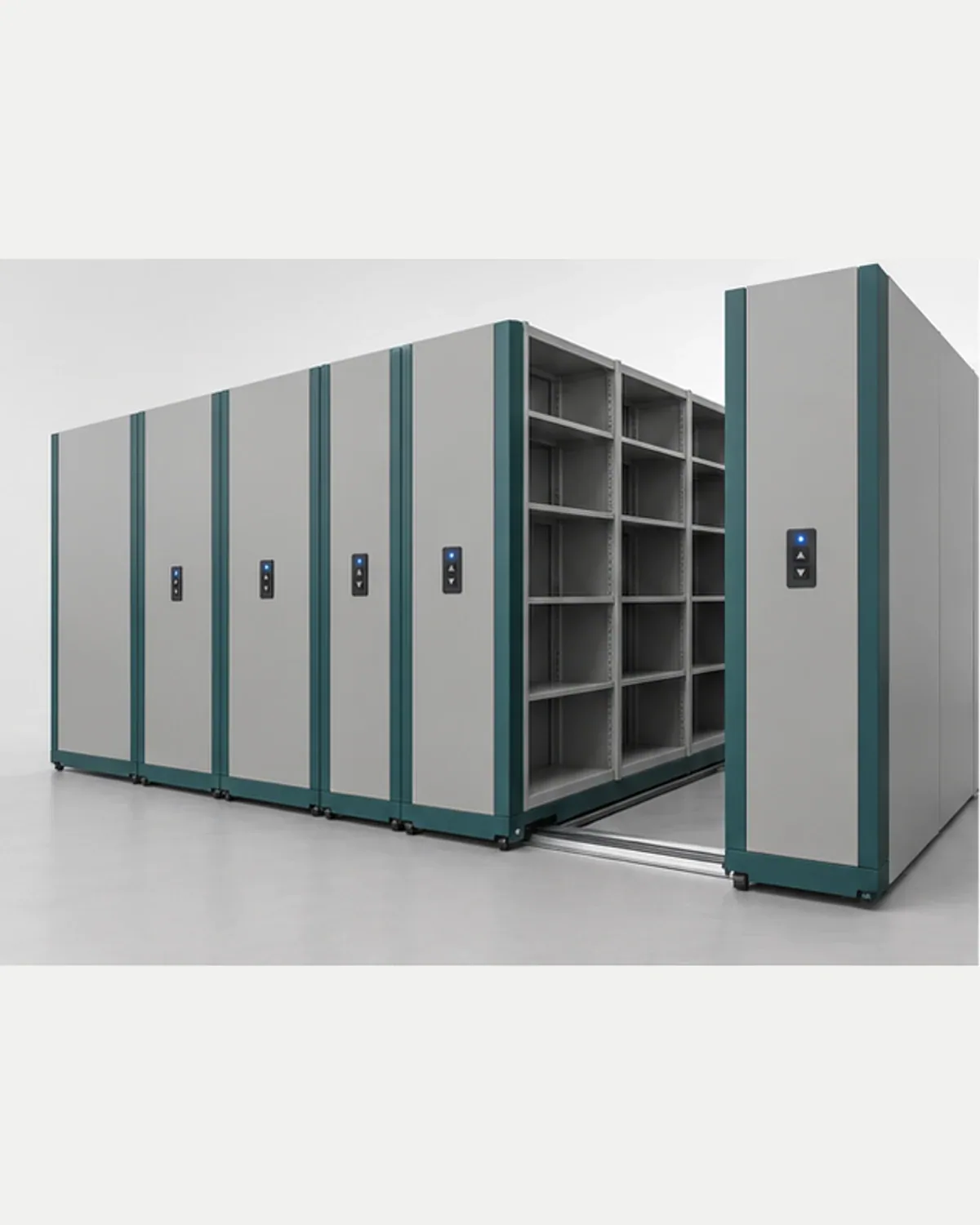
Turn the survey record into a controlled RFQ
After the relevant information is gathered, identify which references form the quotation basis. Keep open assessments, alternative proposals and exclusions visible. Request estimated product quantities and destination details as commercial inputs, while leaving configuration dimensions, capacities, installation and performance requirements To be confirmed through the appropriate reviews.
For OEM/ODM changes, attach marked references and explain the storage or access problem each change addresses. Send the survey worksheet to the procurement team and ask for a response listing required clarifications, proposed scope and next approval steps. The objective is a defensible information trail rather than a persuasive but unsupported space-saving claim.
Buyer FAQ
Can a mobile archive quote be based on room area alone?
A room area does not describe the collection, routes, obstructions or relevant site conditions. Provide the available information and identify competent review responsibilities. Ask what additional survey inputs are needed before accepting a proposed configuration.
Does an electric system name confirm its operating features?
No included control, function or installation scope should be assumed from a name. State the required outcomes and ask for the exact proposal and supporting information. Relevant equipment and site questions need review by their appropriate approval owners.
Should a preliminary layout be used for order confirmation?
Keep preliminary and approved references distinct. Identify the current drawing, open assessments and decisions required before acceptance. A quotation basis can be documented without treating every preliminary assumption as an agreed order specification.