
A locker project is not complete when the cartons arrive. The buyer still needs to connect cabinet references to locations, confirm the agreed preparation work, hand over keys and record unresolved items. For an importer coordinating a phased facility order, these steps should be planned before the quotation becomes an order. This guide concentrates on allocation-to-handover records rather than promising a delivery period or describing an unverified installation service.
Establish location references before packing is approved
Create a location schedule using rooms, zones or other non-sensitive references that the receiving team can recognize. Link the proposed cabinet configuration to each location and identify differences in compartment arrangement, finish or key policy. The purpose is to prevent a mixed delivery from becoming a collection of visually similar units with no clear destination.
Keep the schedule connected to the current drawing and quotation references. When a layout changes, identify which product lines and receiving instructions are affected. A project team should not assume that an email changing a room allocation has automatically changed product identification or the supplier's packing plan.
Distinguish a desired date from a confirmed commitment
Record the buyer's target receiving sequence and the conditions needed at the site. Ask the respondent to identify the proposed arrangements and open dependencies. Product availability, production timing, transport and delivery commitments remain To be confirmed through the specific order discussion.
Define the handover records
Use the following table to assign records to responsible roles. It is a coordination tool, not a statement that the supplier performs every listed task.
| Handover record | Buyer planning question | Information to agree |
|---|---|---|
| Location schedule | Where does each reference belong? | Current zone and product identifiers |
| Receiving record | Who checks the delivered packages? | Packing references and discrepancy method |
| Preparation record | What work remains before use? | Proposed assembly or installation responsibilities |
| Key register | Who receives the approved key groups? | Identification and authorized handover routine |
| Completion list | Which issues remain unresolved? | Evidence, responsible role and next action |
Do not treat a delivery signature as proof that all product and installation questions have been resolved. Agree what each record demonstrates and which later checks remain. This distinction is especially useful when deliveries reach a central receiving area before cabinets move to their final locations.
Identify the product mix clearly
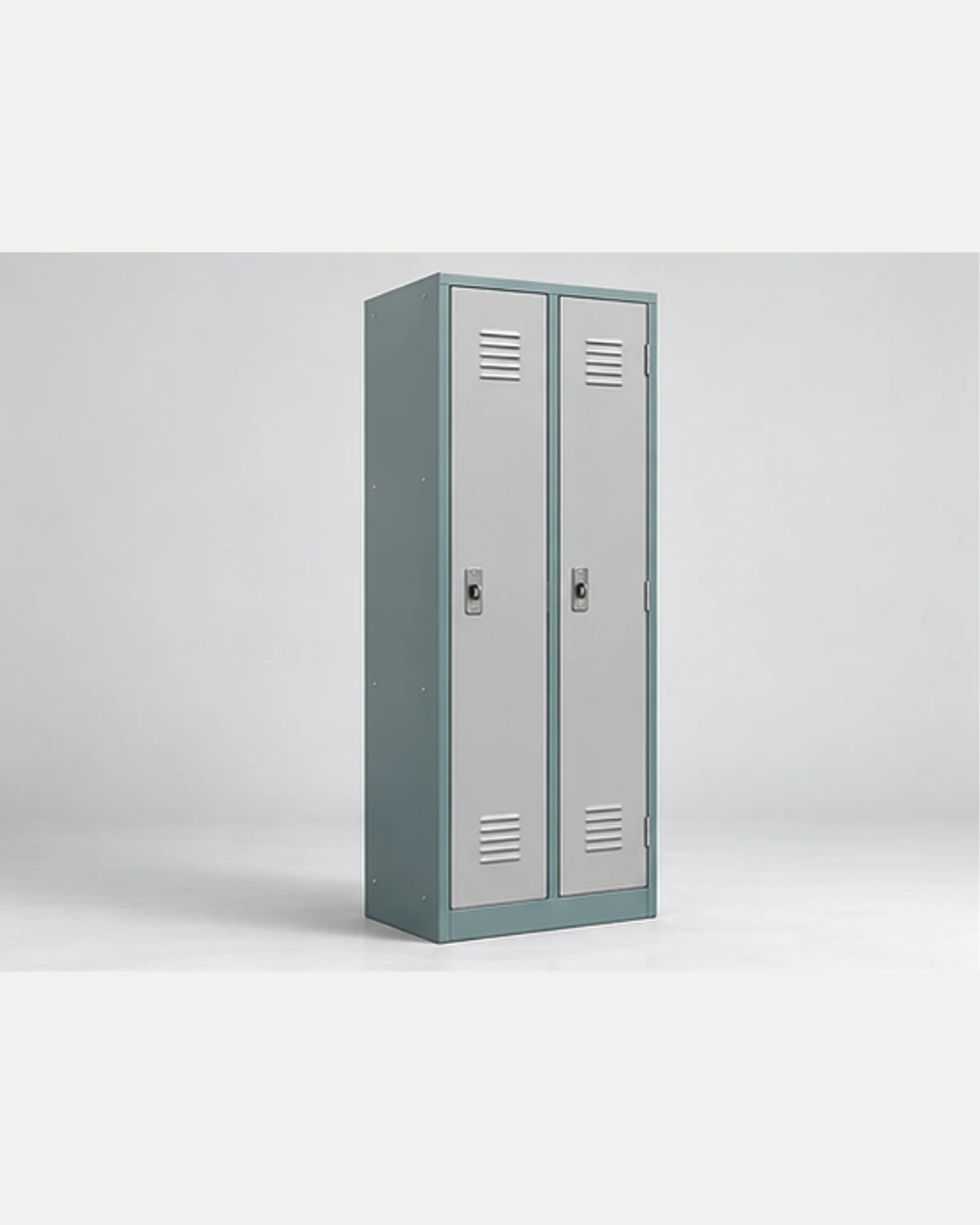
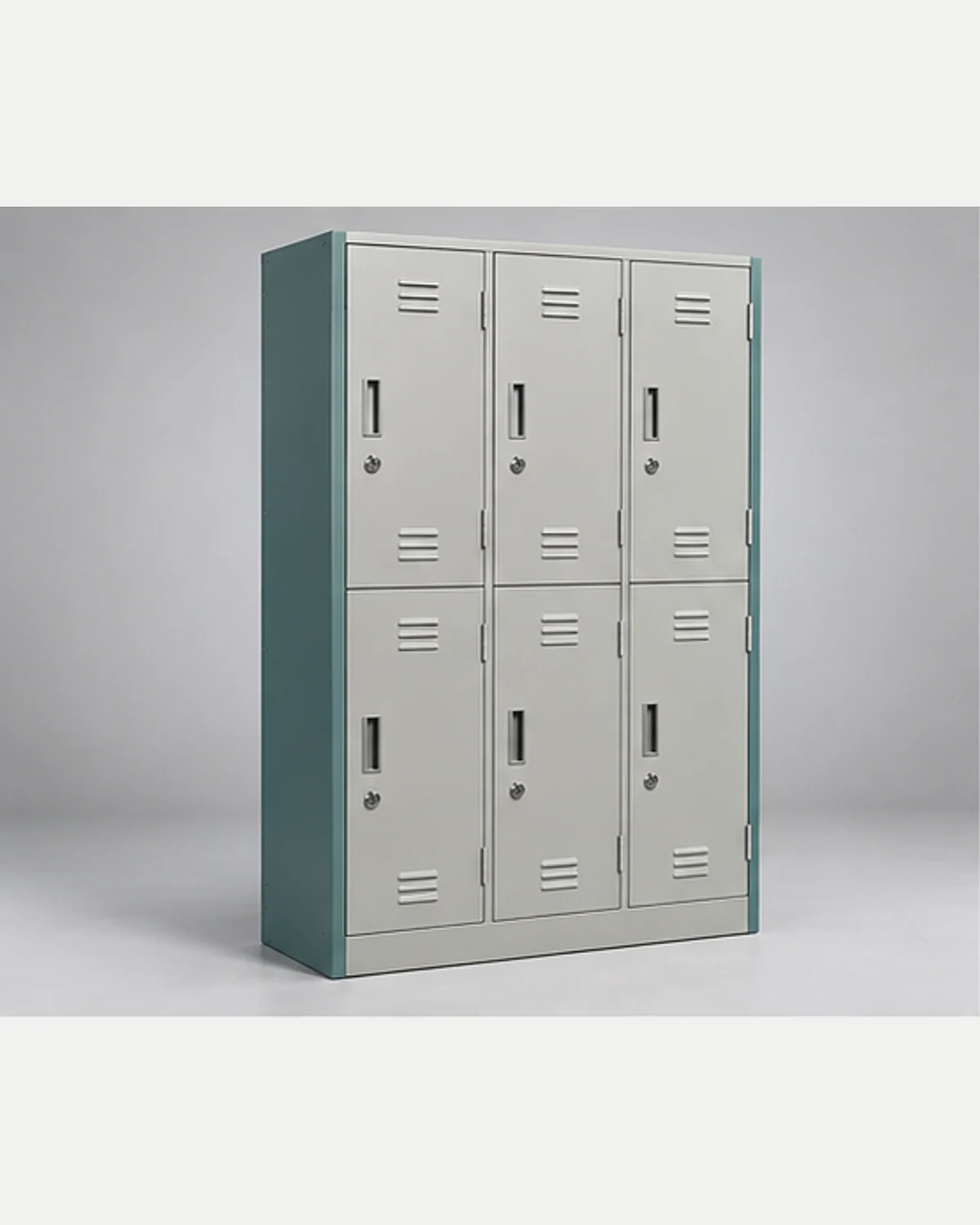
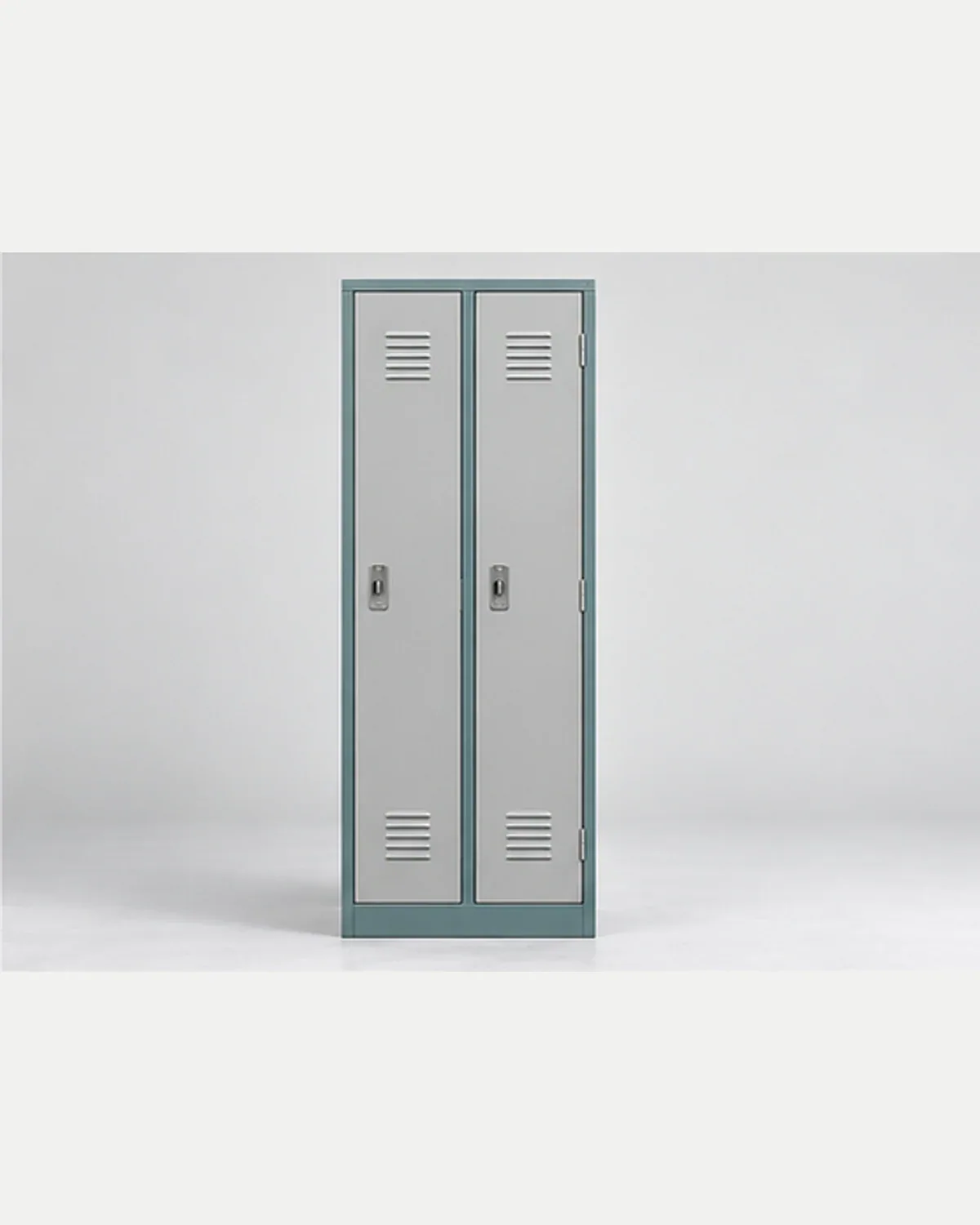
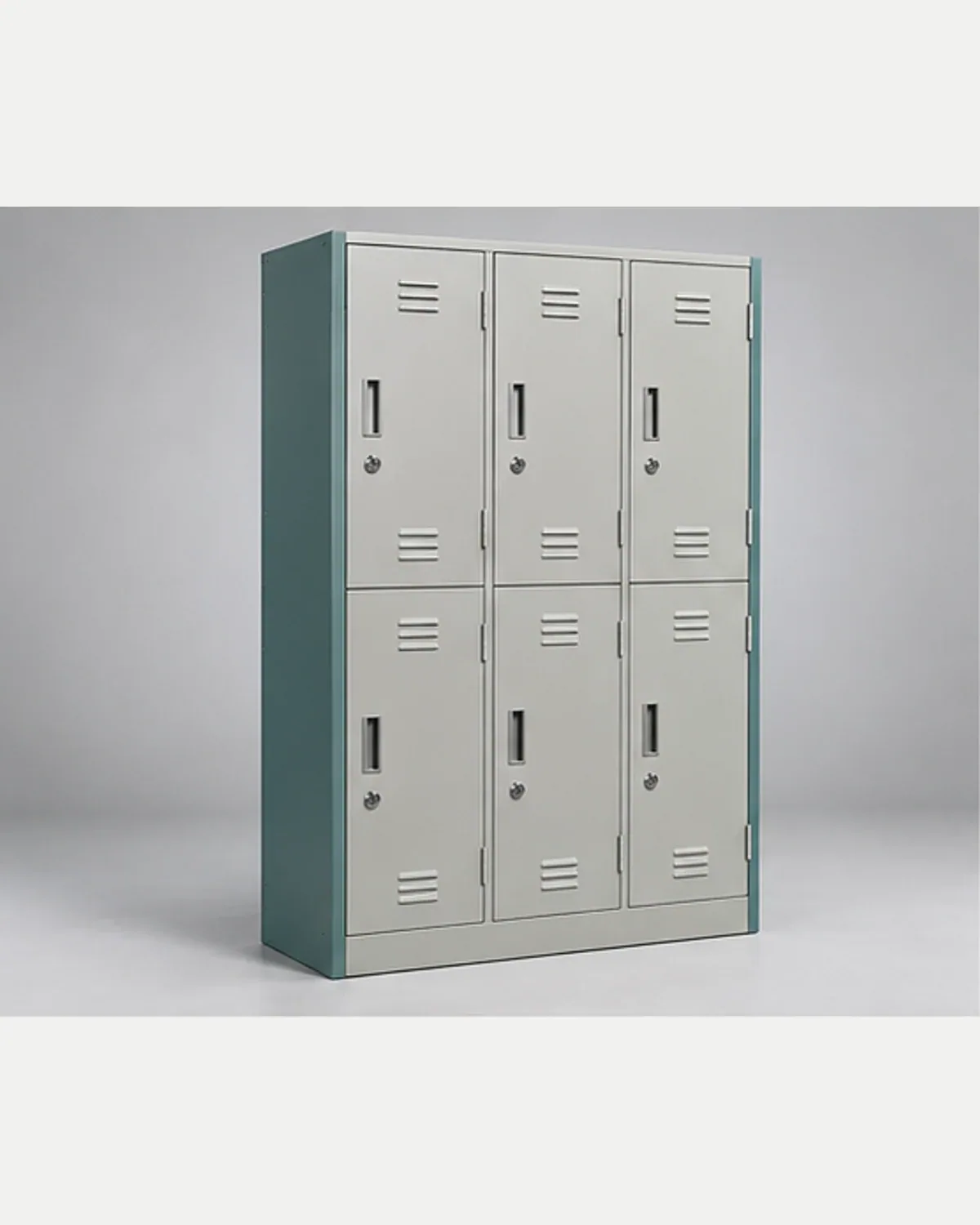
Consider the Two-Door Metal Locker and Six-Door Metal Locker as different candidate references when developing an allocation schedule. Confirm their actual internal layouts and proposed options before using them in an order. The locker category supports shortlisting, but it does not establish common packing or installation arrangements for every model.
For a training facility, the buyer may have different user groups or access routines by zone. Record these differences without sending unnecessary personal information. Ask the supplier to identify how the proposed product and key references can be connected to the buyer's location schedule.
Plan receiving without assuming destination resources
Describe access to the delivery point, available receiving arrangements and any restrictions the project team has identified. Ask what packing, handling information and accessory lists are proposed. Where assembly or site installation is involved, identify who reviews the relevant instructions and actual site conditions.
An OEM/ODM feature can change the preparation work or the way components are identified. Request confirmation of the effect before approving an altered configuration. Avoid assuming that a change to a lock, number plate or internal fitting is only cosmetic. Keep the accepted revision connected to the current order and receiving records.
Make exceptions easy to discuss
Agree a method for recording shortages, visible damage, incorrect references and unresolved operating questions. The receiving record should identify what was observed and which product line is affected, without jumping to an unsupported cause. Ask how clarification will be coordinated, but do not invent a replacement guarantee or response deadline that is absent from the agreement.
Send the location schedule, candidate references, quantities and destination requirements to the project quotation team. Request a proposal showing which preparation and delivery tasks are included and which remain with the buyer or another party. Clear responsibilities support a useful handover discussion even while model details and commercial terms are still pending.
Buyer FAQ
Is a carton label the same as a final location assignment?
Not necessarily. Agree how supplier package references connect to the buyer's room or zone schedule. The receiving team needs a documented mapping, especially where cartons arrive centrally and are later distributed to several locations.
Who should approve the key handover routine?
The buyer should identify an authorized role for access administration. Ask the supplier what key grouping and identification can be proposed for the selected configuration, then agree how those references will be checked and handed over.
What should remain on a completion list?
Record unresolved product references, missing information and agreed checks still to be performed. Identify the next action and responsible role. Do not close an issue merely because packages arrived or a general delivery document was signed.