A locker RFQ should separate two different questions: how access is administered and what conditions the stored items require. A buyer may want a convenient key arrangement and a particular ventilation proposal, but neither should be inferred from a generic picture. This brief helps importers and OEM/ODM procurement teams request configuration-specific information while keeping operating policy, product functions and any formal performance assessment distinct.
Complete the access-policy part first
Describe who receives access, who manages spare keys and how compartments are reassigned. Use non-personal role labels rather than a sensitive list of named users. Identify whether the buyer is considering individual keying, grouped access or another arrangement. Ask the respondent to state what can be proposed for the selected model, including limitations and any information still required.
Record the identifiers that need to remain associated with the cabinet, compartment or key group. The project team should decide how those references will be controlled at delivery and during future changes. A product order should not contain an accidental promise that every possible replacement or access option is already supported.
Keep a lock feature separate from a security claim
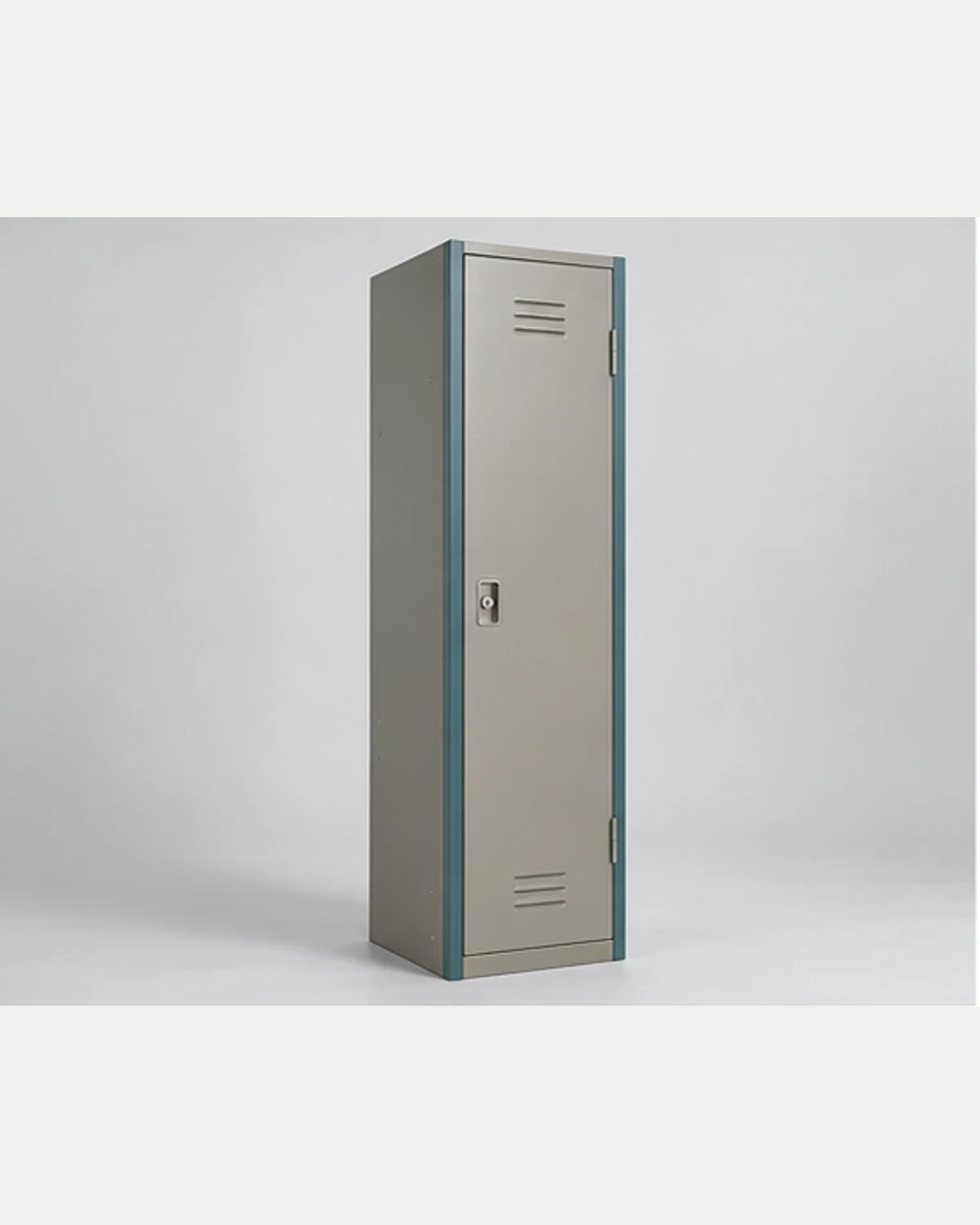
A proposed lock arrangement is not evidence of a security rating, protection against a particular threat or suitability for regulated storage. Where the project needs a specific claim, identify that requirement and request relevant product-specific records. Do not use a photograph of a lock as a substitute for the evidence review.
Describe the stored-item environment
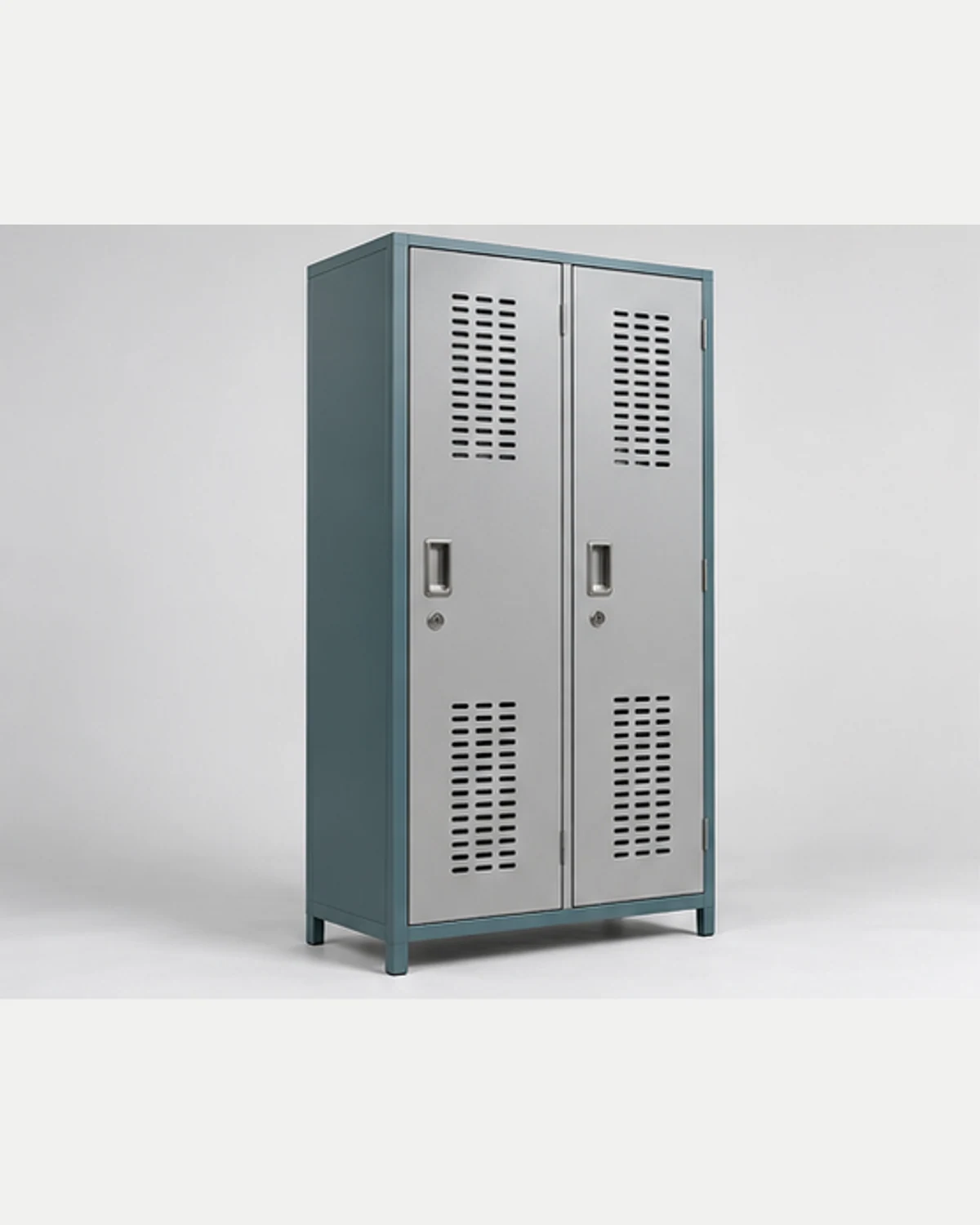
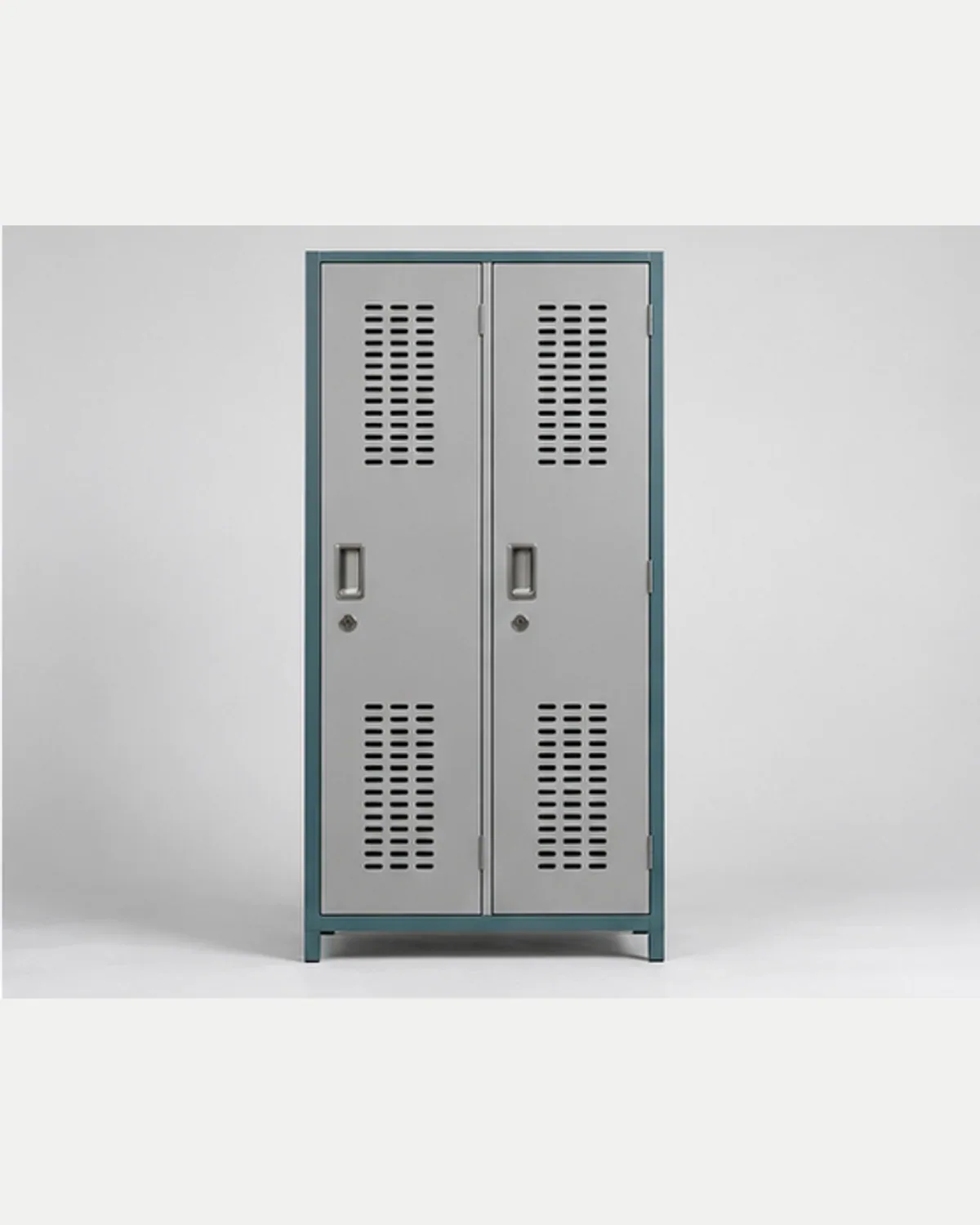
State what will be stored, where the locker will stand and whether the facility has particular conditions or cleaning routines to consider. Ask the supplier to describe the ventilation arrangement it proposes and what information is needed to assess it. Do not convert the presence of openings into an unverified claim about airflow, drying, hygiene or suitability for a medical application.
The buyer may need advice from the relevant facility professionals where environmental or specialized-use requirements apply. The RFQ can record those questions and assign an approval owner, without pretending to supply that assessment itself. Model-specific materials, finish details and functional performance remain To be confirmed.
Use separate requirement and response fields
The following table can be copied into the inquiry. Add references to drawings or item descriptions where useful, but avoid confidential access codes or sensitive site information in an initial supplier request.
| Topic | Buyer input | Supplier response requested |
|---|---|---|
| Allocation | Individual or shared routine | Proposed compartment and access arrangement |
| Key administration | Spare-key and reassignment policy | Feasible key options and exclusions |
| Identification | Cabinet and compartment references | Labeling or numbering proposal |
| Stored items | Representative items and conditions | Questions affecting the proposed arrangement |
| Ventilation | Required outcome and approval owner | Proposed openings and evidence to review |
| Acceptance | Applicable inspection requirements | Model-specific records and sample scope |
Keep an unanswered performance question open. A procurement worksheet becomes misleading if an unknown field is marked accepted merely because the proposed cabinet looks similar to a familiar product.
Compare the right candidate configurations
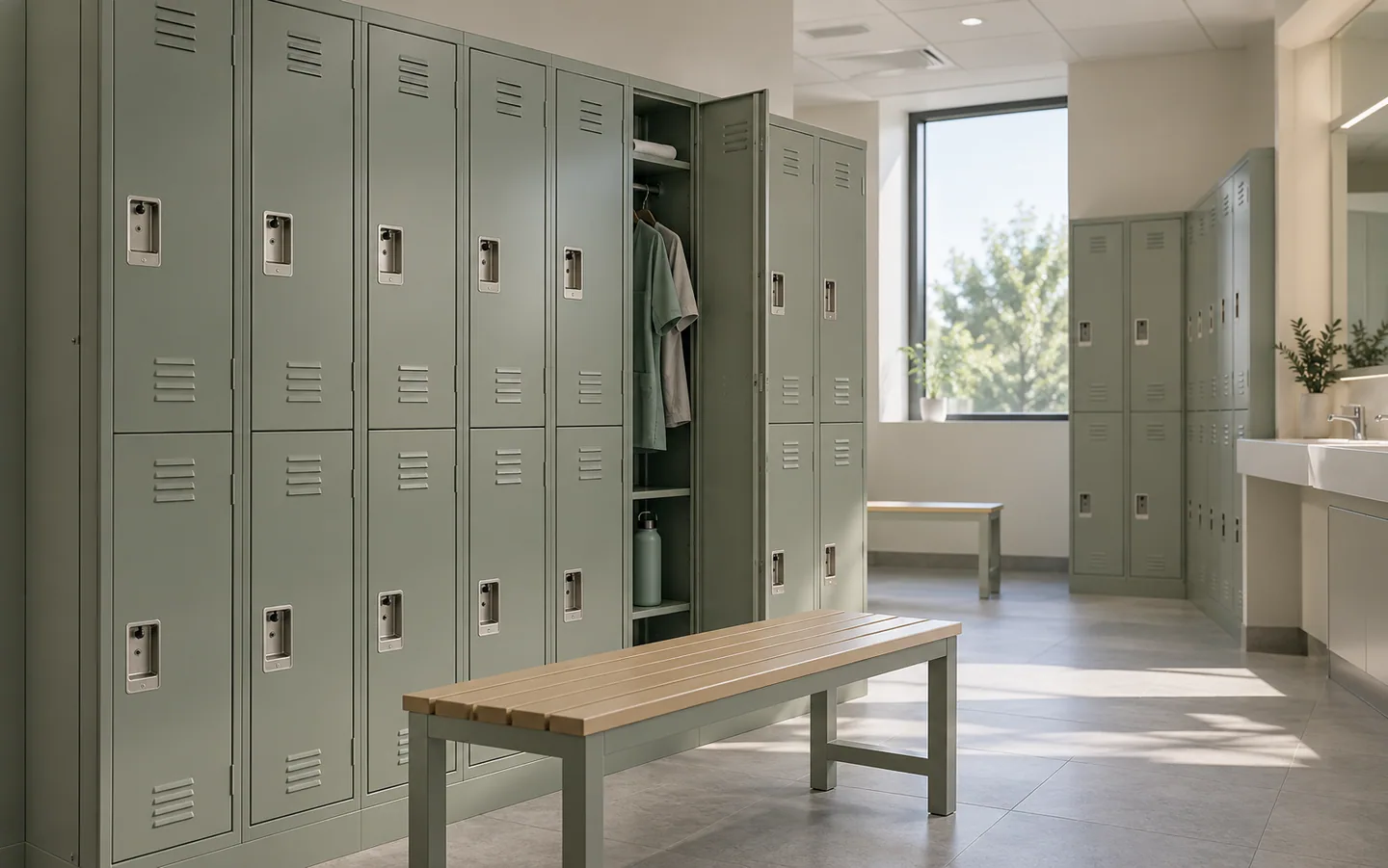
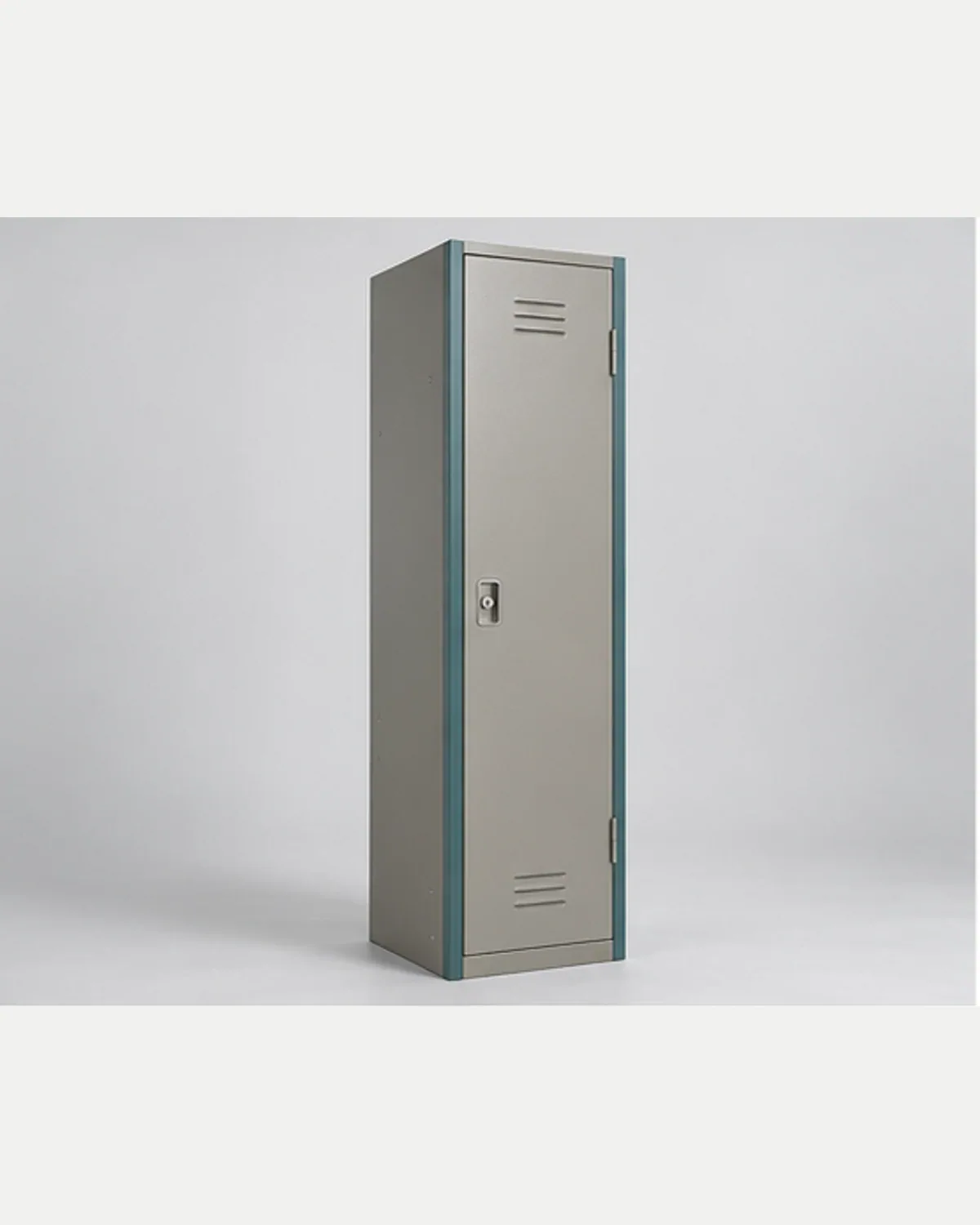
The Ventilated Metal Locker is a candidate for discussing openings and storage conditions. The Locker with Hanging Rail provides a different functional reference. Neither name confirms a lock package, ventilation result or usable internal arrangement. Review the locker category and tie each response to an identified proposal.
For education and training procurement, record how allocation changes between groups and where spare keys are handed over. Other facilities may have different requirements. The important point is to make the intended routine explicit instead of transferring a configuration approval from an unrelated use.
Carry the requirements into the quotation
For a bulk order, separate product lines where key arrangements, internal layouts or identification requirements differ. Attach an OEM/ODM reference with changes marked and explain the purpose of each change. Ask for a drawing or sample review where appropriate and state who will approve it.
Send the completed fields, estimated quantities and destination to the procurement contact team. Request a quotation that identifies included functions, optional proposals and unresolved matters. Ask how the agreed key and compartment references will appear in the order and receiving information. The result should be a traceable proposal, not an implied security or environmental guarantee.
Buyer FAQ
Do visible ventilation openings prove a locker suits damp clothing?
No result should be inferred from an image or a product name. Describe the stored items, facility conditions and required outcome, then ask what arrangement and evidence should be reviewed for the proposed model and application.
Should the buyer send actual key codes with an RFQ?
Avoid sensitive access information in an early sourcing request. Describe the desired key-management policy and identification scheme using non-sensitive references. Any later information exchange should be limited to what the agreed order and authorized parties require.
Can a buyer combine lock and ventilation approval into one tick?
Keep the subjects distinct. The access policy, proposed hardware, stored-item conditions and any formal performance requirement may have different approval owners and supporting evidence. A single general acceptance statement can conceal an unresolved requirement.