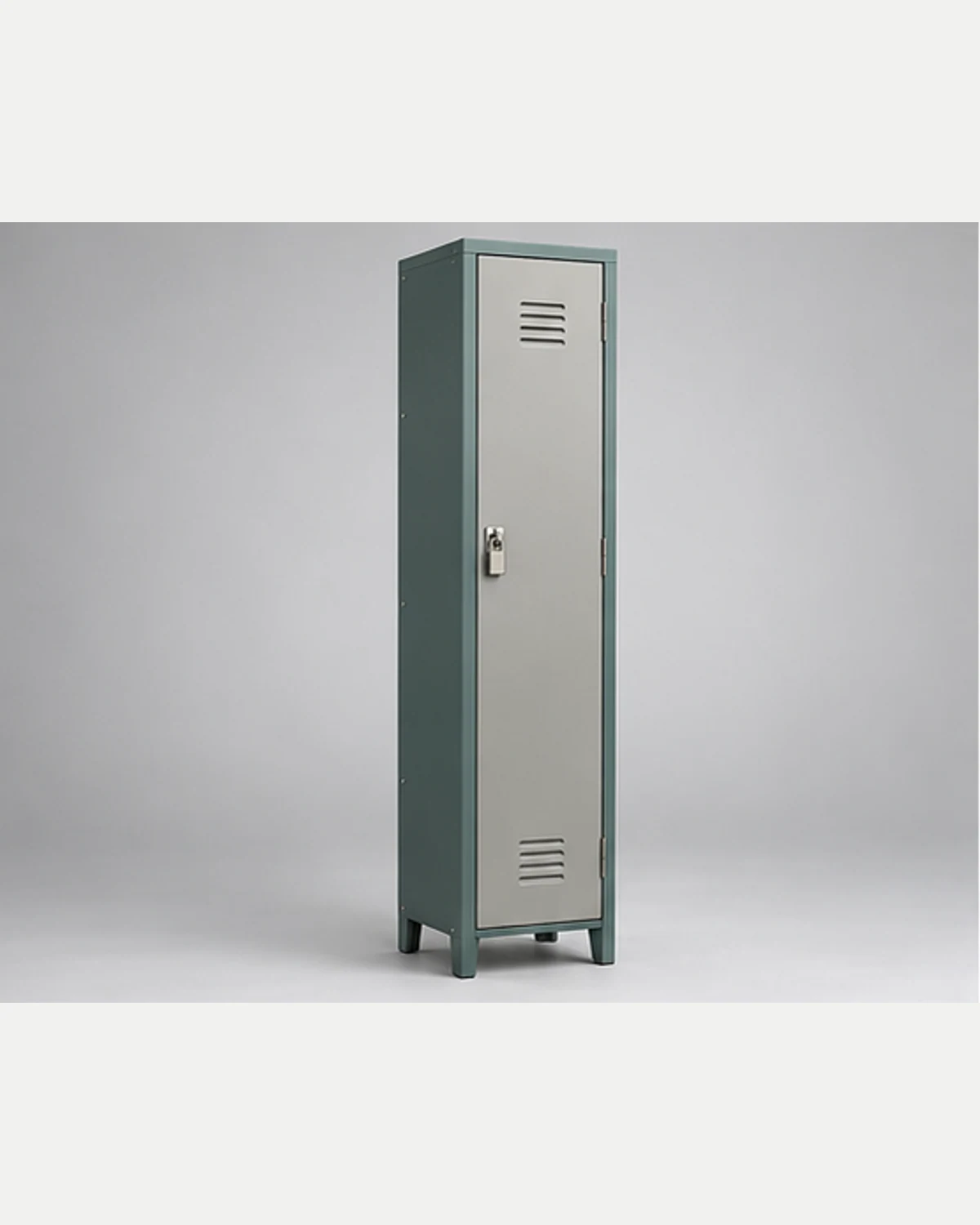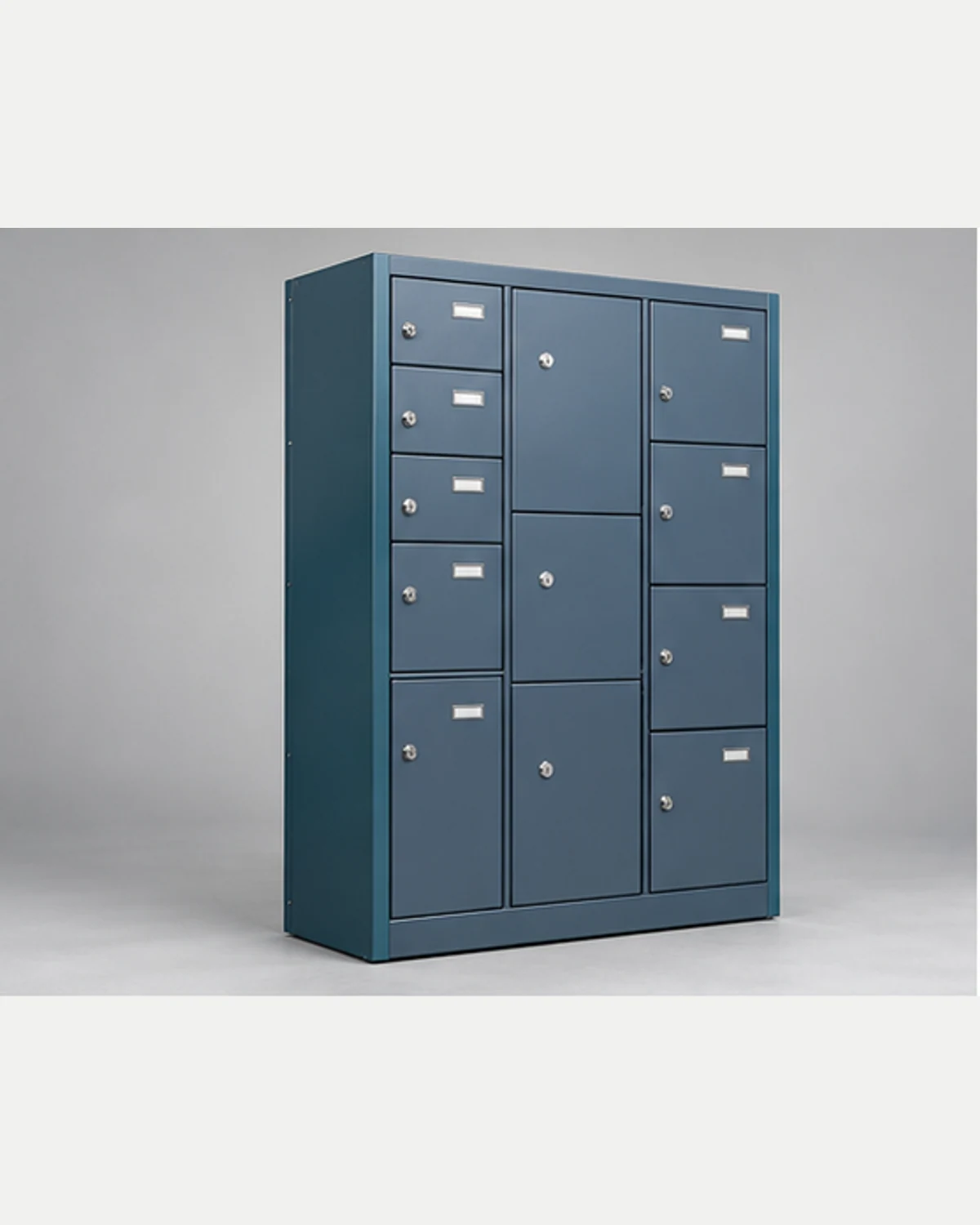

Locker compartment planning begins with allocation: who uses the storage, what they bring and whether the same compartment is assigned permanently or shared. Door count alone cannot answer those questions. For a distributor or a buyer supplying a training facility, the purchasing task is to translate user groups into a manageable set of candidate configurations. This application guide provides an allocation method without assuming internal dimensions, ventilation performance or an available lock package.
Describe the users without collecting unnecessary personal data
Group users by the way storage is used rather than by names. Permanent staff, visiting trainees and changing shifts may need different allocation routines. Record whether a compartment remains assigned to the same role, is cleared between users or supports another agreed pattern. Use role descriptions and estimated demand so that a supplier can understand the application without receiving confidential staff records.
List the items expected in each group, including bags, clothing and any required hanging arrangement. Note items that should not be combined. Where the buyer has not decided on a policy, mark it as open. A product proposal cannot resolve an undefined allocation rule merely by providing more doors or a visually attractive cabinet front.
Distinguish capacity planning from product performance
The buyer can estimate how many allocated spaces the project needs. That estimate does not verify a compartment's usable volume, load limit or protective function. Request the relevant internal arrangement and supporting information for the selected candidate before treating it as suitable for the user items.
Build an allocation worksheet
Use the worksheet to organize product lines for discussion. Each group can be linked to one or more locations, but a common user label should not hide different storage needs.
| Allocation field | Project decision | Information needed from the proposal |
|---|---|---|
| User group | Permanent, visiting or shared use | Candidate arrangement for the stated routine |
| Stored items | Bags, clothing and other item envelopes | Usable compartment and hanging details |
| Access policy | Individual issue or shared administration | Lock and key proposal to confirm |
| Location | Assigned room or receiving zone | Installation and handling questions |
| Identification | Required compartment references | Proposed numbering or labeling arrangement |
| Change allowance | Known future allocation changes | Variant or option boundaries |
Assign a buyer owner to unresolved allocation decisions. If a proposed cabinet changes the way users share space, ask the project team to approve the operational change instead of treating it as a supplier-only substitution.
Shortlist by the storage job
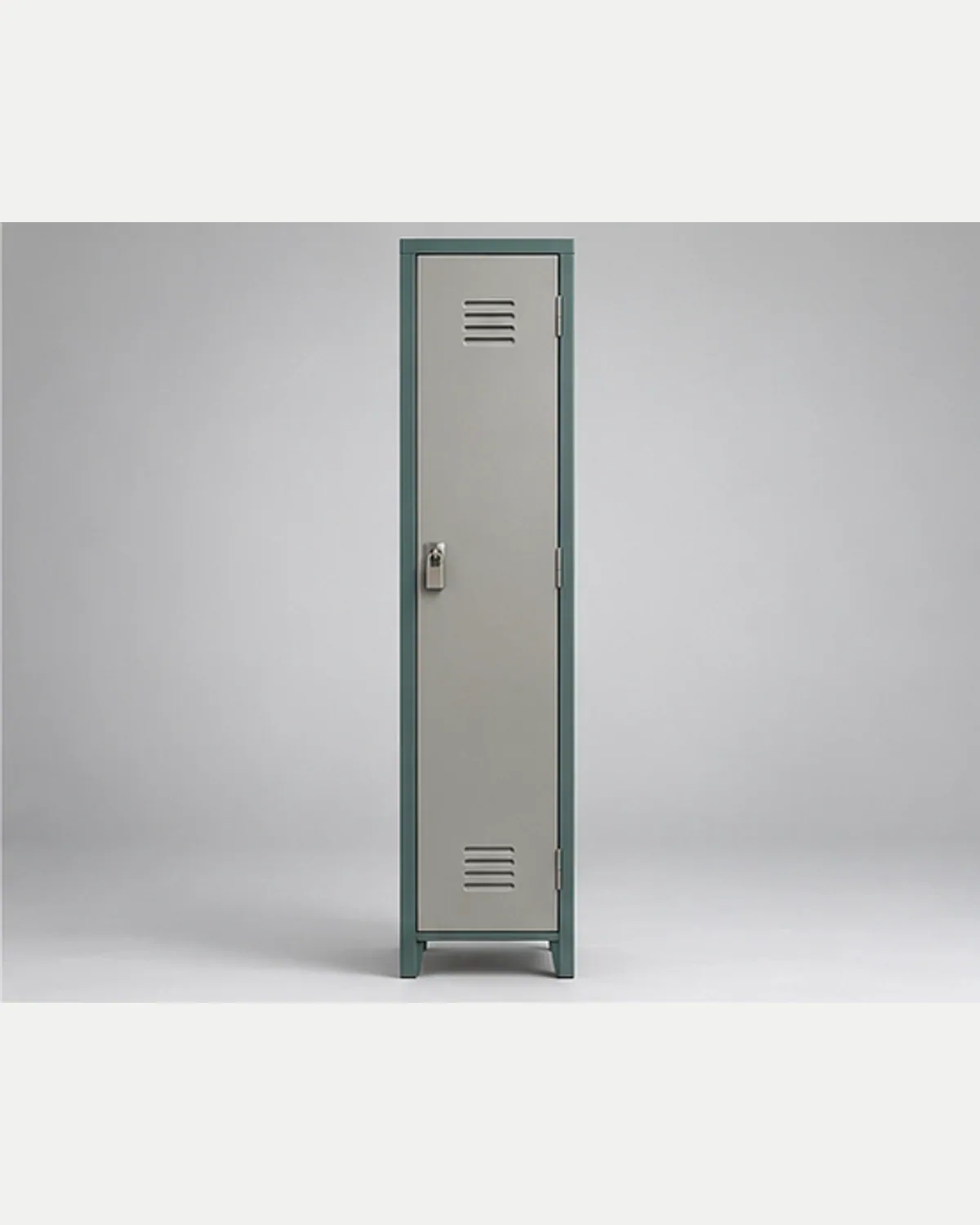
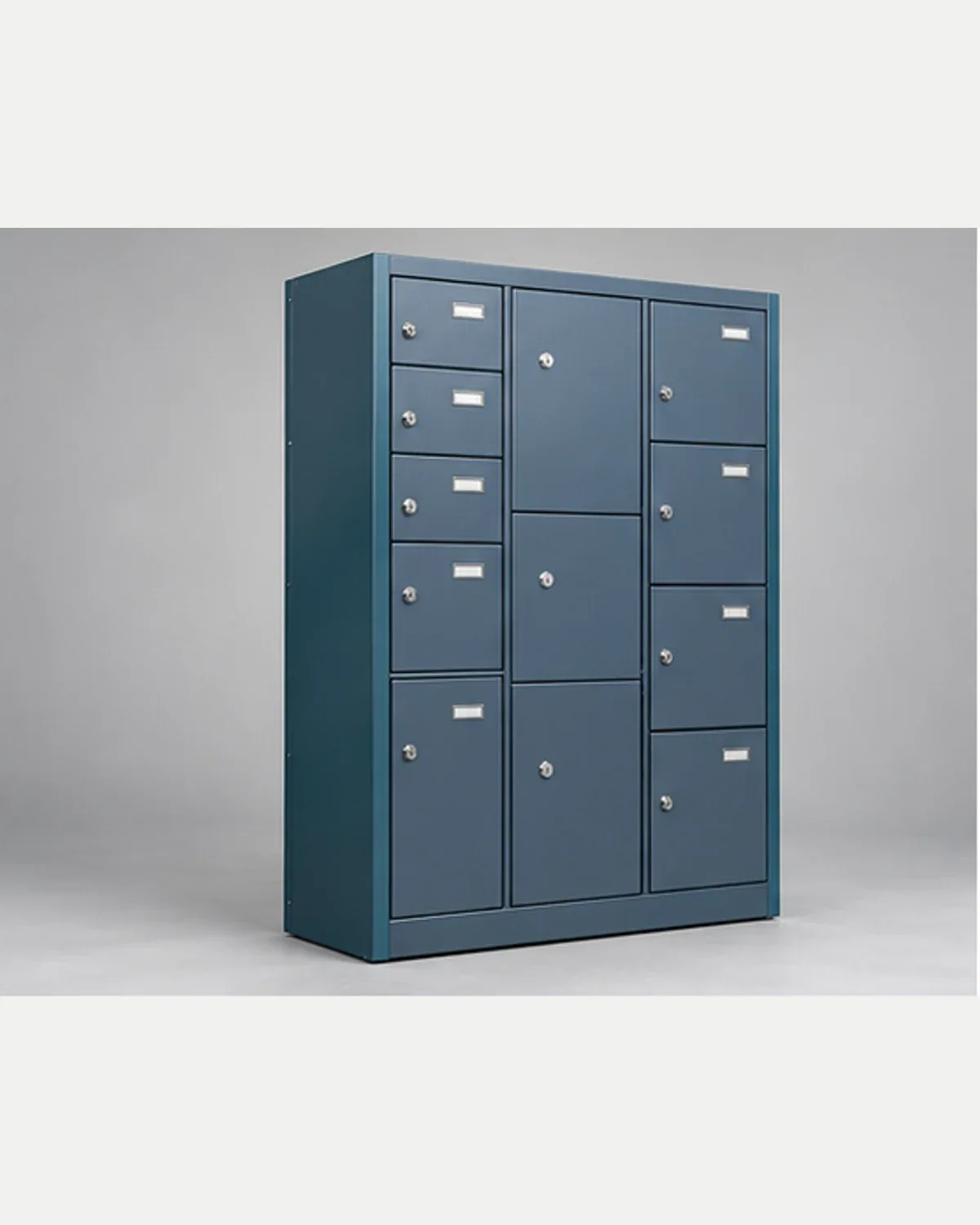
The Single-Door Metal Locker and Multi-Compartment Parcel Locker illustrate different candidate discussions. Their names do not establish internal clearances, access technology or suitability for a particular item. Use the metal locker category to identify candidates, then ask for a proposal linked to the allocation worksheet.
For education and training settings, distinguish personal storage from room supplies and project equipment. Combining these jobs can make an initial quantity appear simple while producing an inconvenient allocation after installation. Describe the actual use and ask whether separate configurations or storage types should be considered.
Keep a distributor's variant list manageable
A wholesaler may want several compartment arrangements, but each meaningful difference needs a traceable reference. Record the proposed internal arrangement, lock option and identification method for each variant. Do not advertise every finish or fitting as available until the supplier has confirmed the proposal and its commercial conditions.
When the same range is offered to different facilities, retain the allocation assumptions with the quotation. A configuration considered for shared trainee use should not silently become the default for permanent staff clothing storage. The buyer can reuse a planning method without reusing an unverified suitability conclusion.
Coordinate identification and receiving
Ask how cabinet references, compartment identifiers and key groups will connect to delivery zones. If destination fitting or assembly is proposed, identify the responsible party and the information that team needs. Product construction, packing, fixation arrangements and site suitability remain To be confirmed for the selected models and locations.
For OEM/ODM requirements, attach a marked layout with clear labels and explain the allocation problem behind each change. Send estimated quantities, locations and destination details to the procurement team. Request a response identifying proposed configurations, exceptions and decisions still needed from the buyer. This supports a realistic order discussion without making unsupported claims about a locker family or the people using it.
Buyer FAQ
Should the buyer select a door count before making an allocation plan?
Door count can be a starting preference, but it should be tested against user groups, stored items and access routines. The project may need a mix of arrangements, with usable internal space confirmed for each candidate rather than assumed from the cabinet front.
Can the supplier decide how users share lockers?
The supplier can propose a configuration, but the buyer should approve the allocation policy and its effect on users. Document unresolved operational questions so that a product substitution does not quietly change how the facility intends to manage storage.
What information is useful without a named user list?
Role groups, estimated allocation needs, stored-item references, access rules and location codes are usually more relevant to early product selection. Avoid sending personal records where a non-personal planning description can communicate the same purchasing requirement.