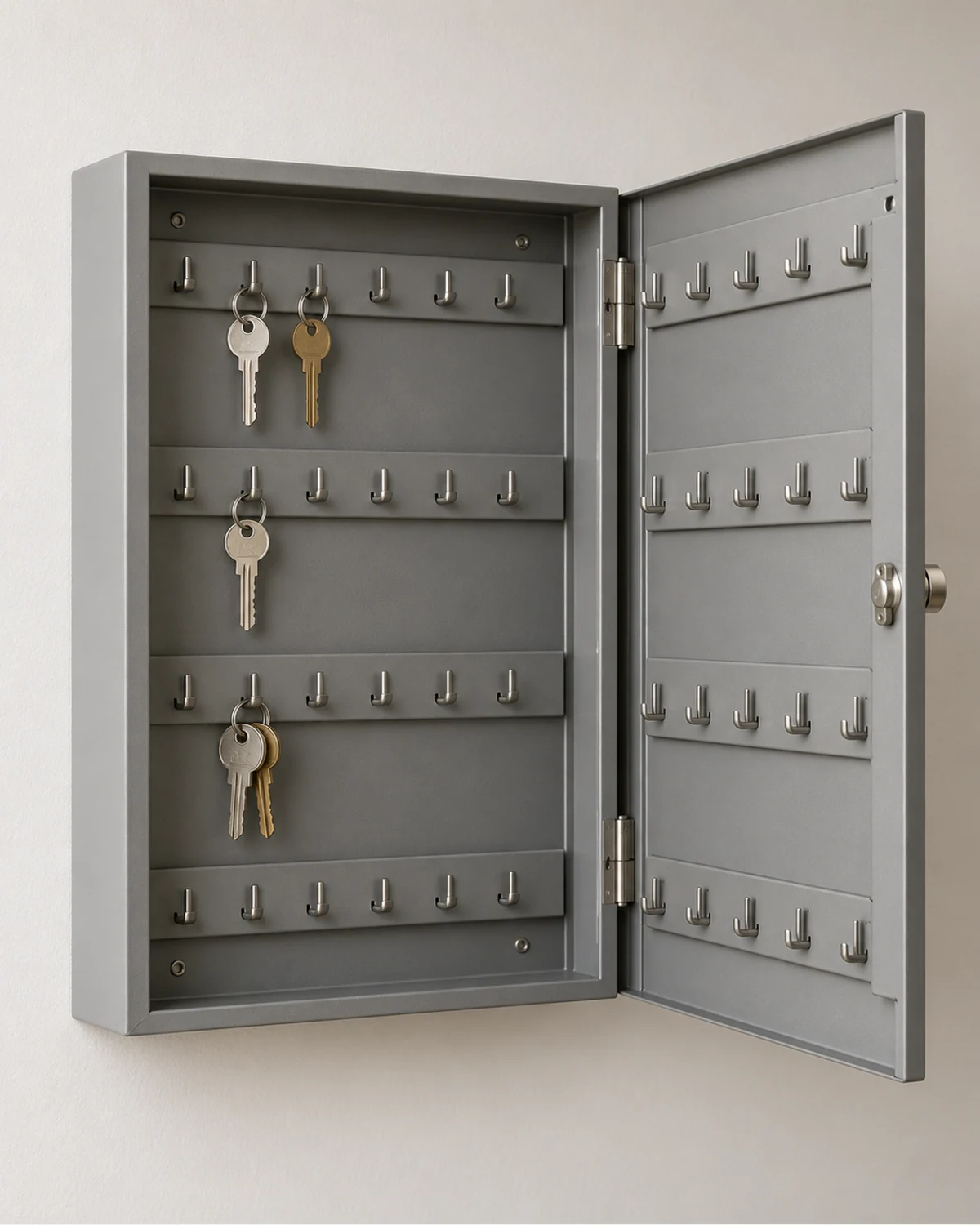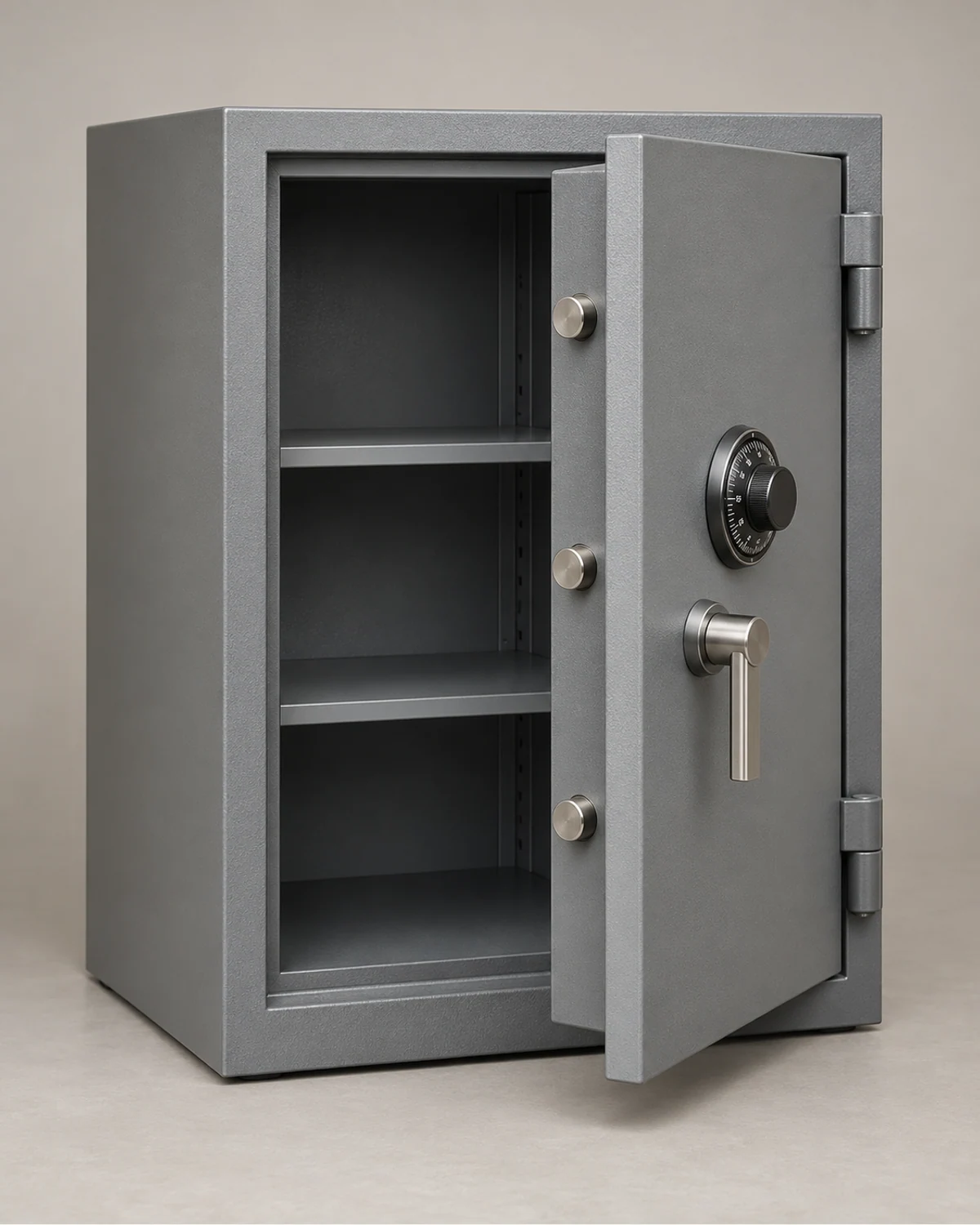
Physical key cabinet selection should begin with the allocation routine and the information the buyer needs to maintain. A cabinet with visible hooks or a lock does not by itself provide a complete key-management process or a verified protection rating. This guide helps importers and project buyers describe the physical storage requirement without exposing sensitive key codes, access details or personal records in an early supplier inquiry.
Make a non-sensitive inventory description
Group the keys by the way they are issued, returned and retained. Use generic role and item references where they can explain the purchasing need. The supplier normally does not need a map connecting actual keys to sensitive doors or locations just to discuss a cabinet arrangement. Keep real access codes and detailed security information outside an ordinary sourcing brief.
Describe relevant physical features of the stored items, including tags or containers that affect the usable arrangement. Ask which proposed cabinet and fittings can address that envelope. Do not assume that a hook count, product image or category label establishes fit for every key, tag or administrative routine.
Identify the process owner
The buyer should state who authorizes issue, who maintains the register and who handles exceptions. These are responsibilities within the buyer's operation unless another specific service has been agreed. Product selection should support that process rather than pretend the cabinet alone determines access permissions or verifies the identity of its users.
Use an allocation worksheet
| Allocation question | Non-sensitive buyer input | Proposal to review |
|---|---|---|
| Stored items | Representative key and tag envelope | Usable internal arrangement |
| Grouping | Categories of issue and retention | Proposed physical allocation |
| Identification | Required generic reference method | Label or tag arrangement to confirm |
| Cabinet access | Authorized-role policy | Proposed lock and access feature |
| Issue routine | Return and exception workflow | Information needed for physical selection |
| Evidence | Any required performance claim | Supporting records and review owner |
The worksheet is not a security plan or a completed register. It helps the buyer explain the physical requirement and decide which product questions remain. A non-sensitive sample can often communicate the fit question without disclosing actual access relationships.

Distinguish ordinary functions from protective claims
Ask for the proposed lock, internal fittings and relevant product information. Keep any security or other performance requirement separate and request appropriate configuration-specific evidence. Do not infer a protection level, audit capability or electronic function from the presence of a lock or a name in a candidate catalog.
Where the buyer's application has specialized requirements, identify the appropriate responsible reviewer. This purchasing guide does not establish compliance or recommend an unverified use. Model dimensions, materials, included fittings, protective properties and commercial conditions remain To be confirmed before they can be stated as agreed product facts.
Compare the right candidate storage jobs
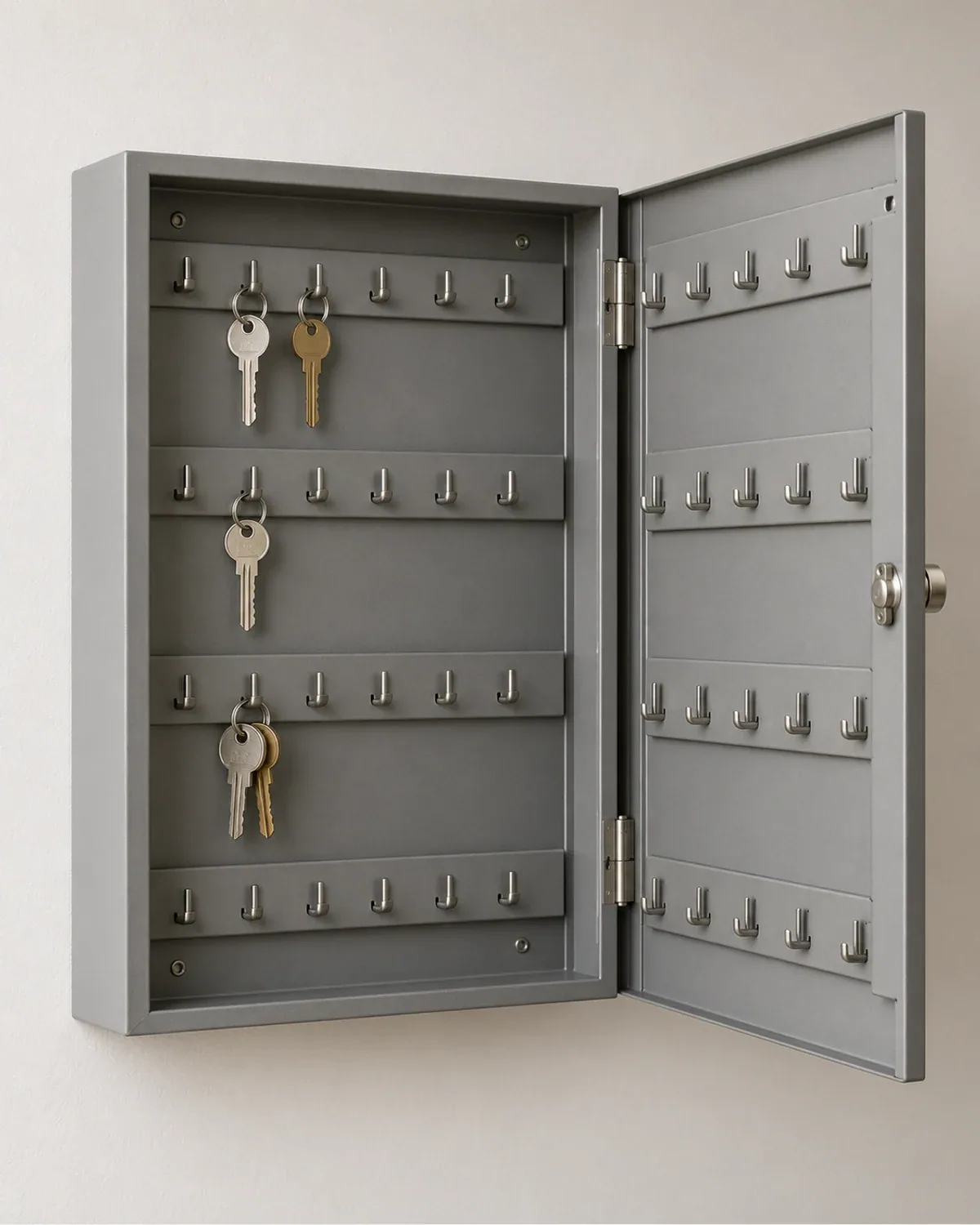
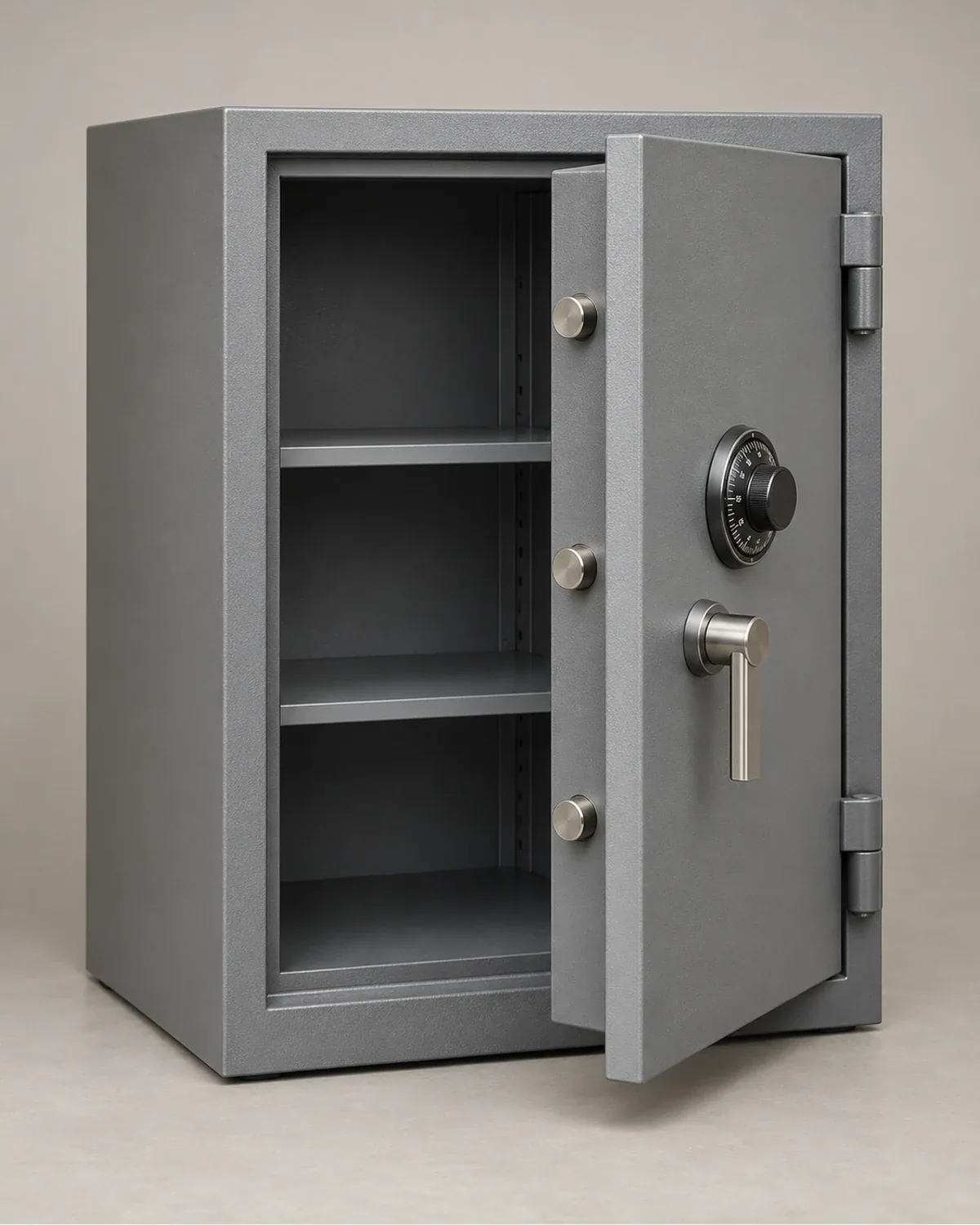
The Key Management Cabinet can provide a candidate reference for the physical allocation discussion. A Security Safe Cabinet represents a different candidate conversation and should not be treated as equivalent merely because both can be associated with controlled access. Neither name confirms a security rating or a complete management system.
Use the specialty steel cabinet category to keep the shortlist connected to the actual requirement. For commercial projects, describe non-sensitive location references and the buyer's approval responsibilities. Avoid turning an illustrative application into a claim about a real customer project or a verified security installation.
Keep changes and repeat orders traceable
For an OEM/ODM request, mark the proposed internal arrangement and explain which allocation problem the change addresses. Ask what drawings, sample review or supporting information are required. Keep any accepted change linked to the product reference and the relevant appearance or accessory record.
Send the allocation worksheet, representative non-sensitive item description, candidate references, estimated quantities and destination to the procurement team. Ask for a response distinguishing included functions, options, exclusions and unverified claims. The result should be a clearer physical storage proposal, not an unsupported assurance that a cabinet will manage every access risk on the buyer's behalf.
When keeping the procurement record, separate ordinary configuration information from the buyer's sensitive operating register. The teams preparing quotations and receiving furniture can work with controlled generic references. Any later exchange of genuinely sensitive information should follow the buyer's authorized process and be limited to the parties and purposes that require it.
Buyer FAQ
Should a buyer send real key codes with the initial inquiry?
Avoid unnecessary sensitive information. Describe representative physical items, generic allocation groups and the required cabinet functions. A supplier can discuss a candidate arrangement without receiving a detailed map of actual access codes, people or protected locations.
Does a cabinet lock establish a security rating?
No rating or specialized protective property should be inferred from a lock or a candidate name. State the required claim separately and request relevant evidence for the exact proposal. Have its applicability reviewed by the appropriate responsible role.
Can the cabinet replace an issue-and-return process?
Do not assume that it can. The buyer should define authorization, identification, return and exception responsibilities. The physical arrangement can be reviewed against that routine, but an ordinary product description does not establish a complete access-management service.