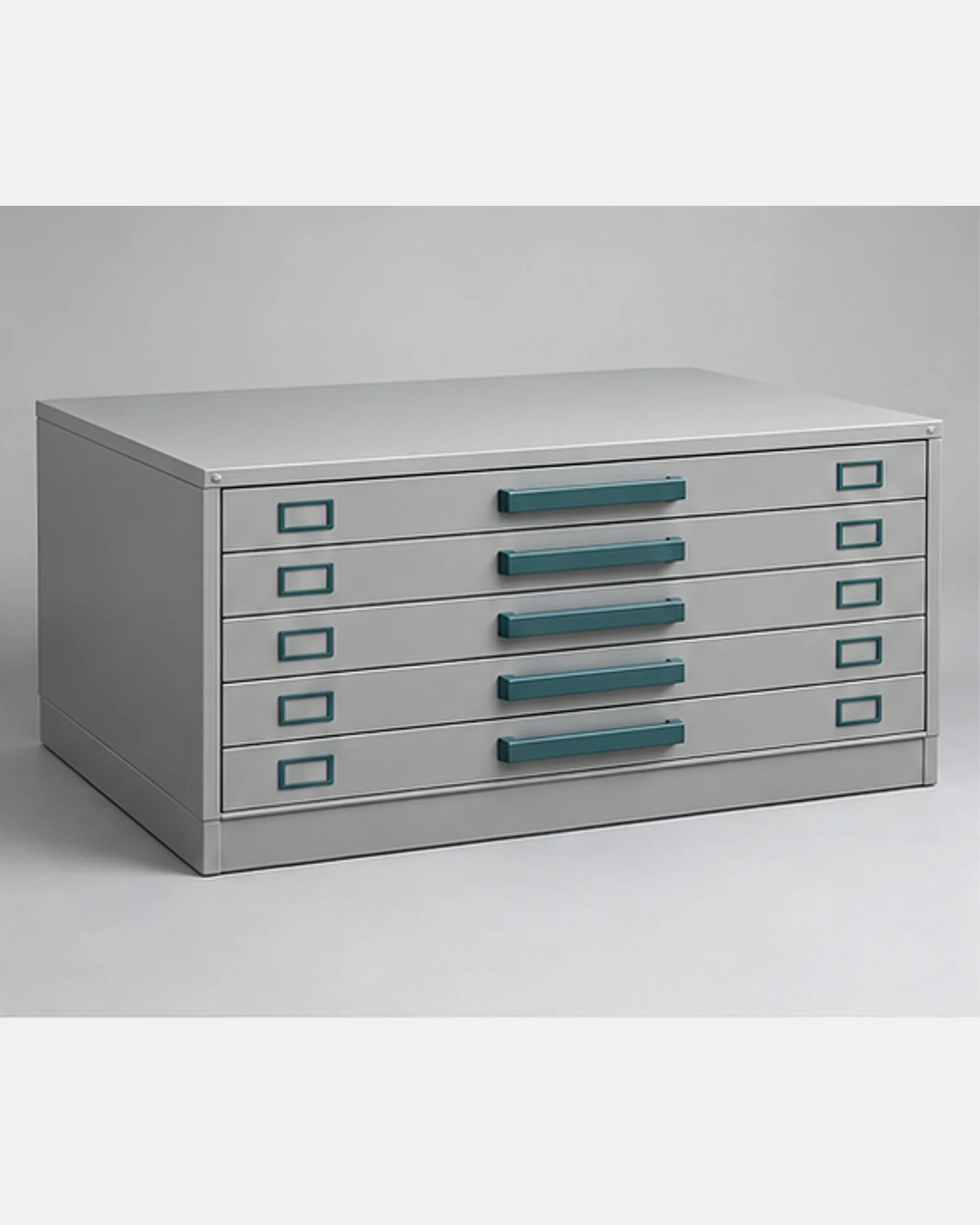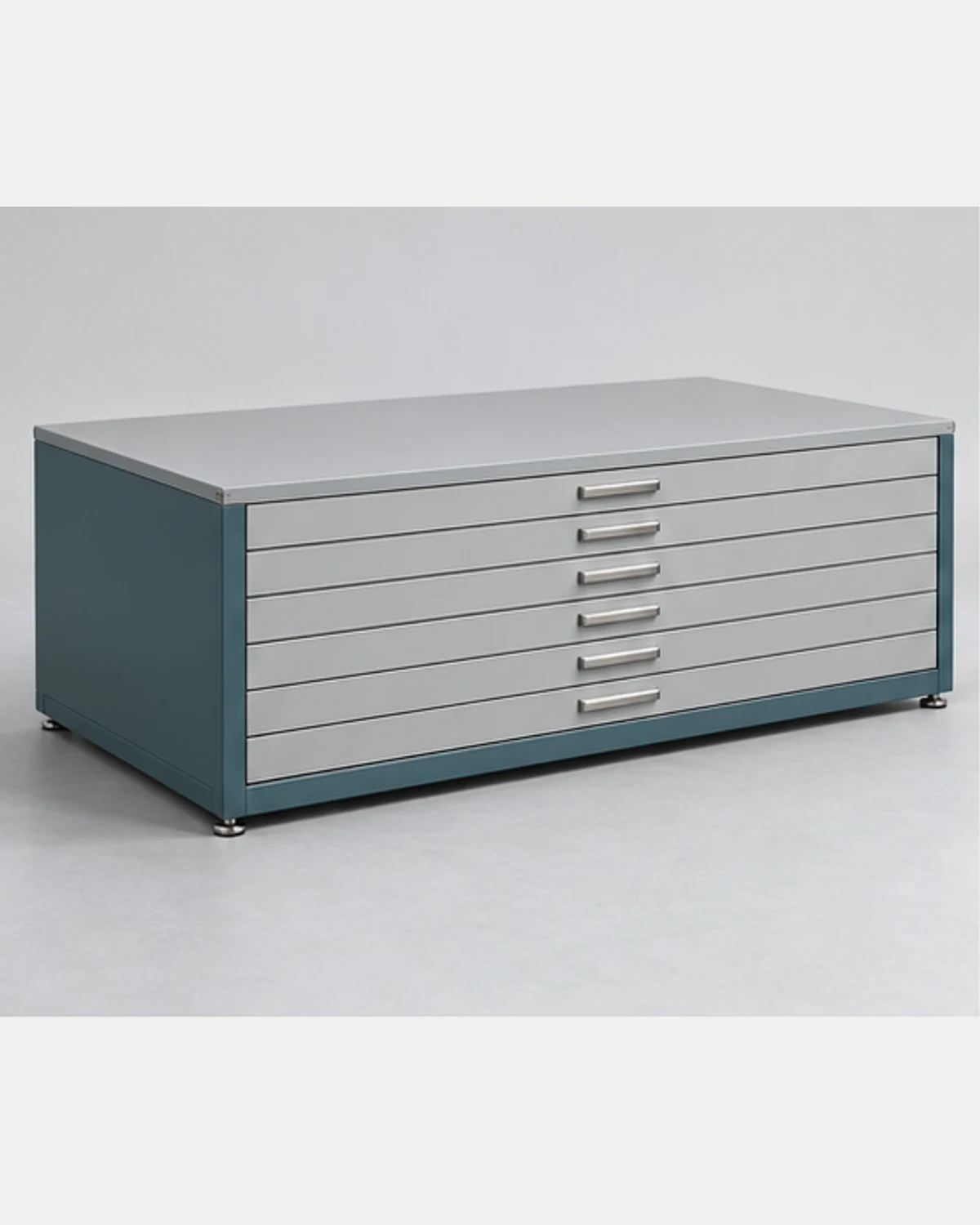
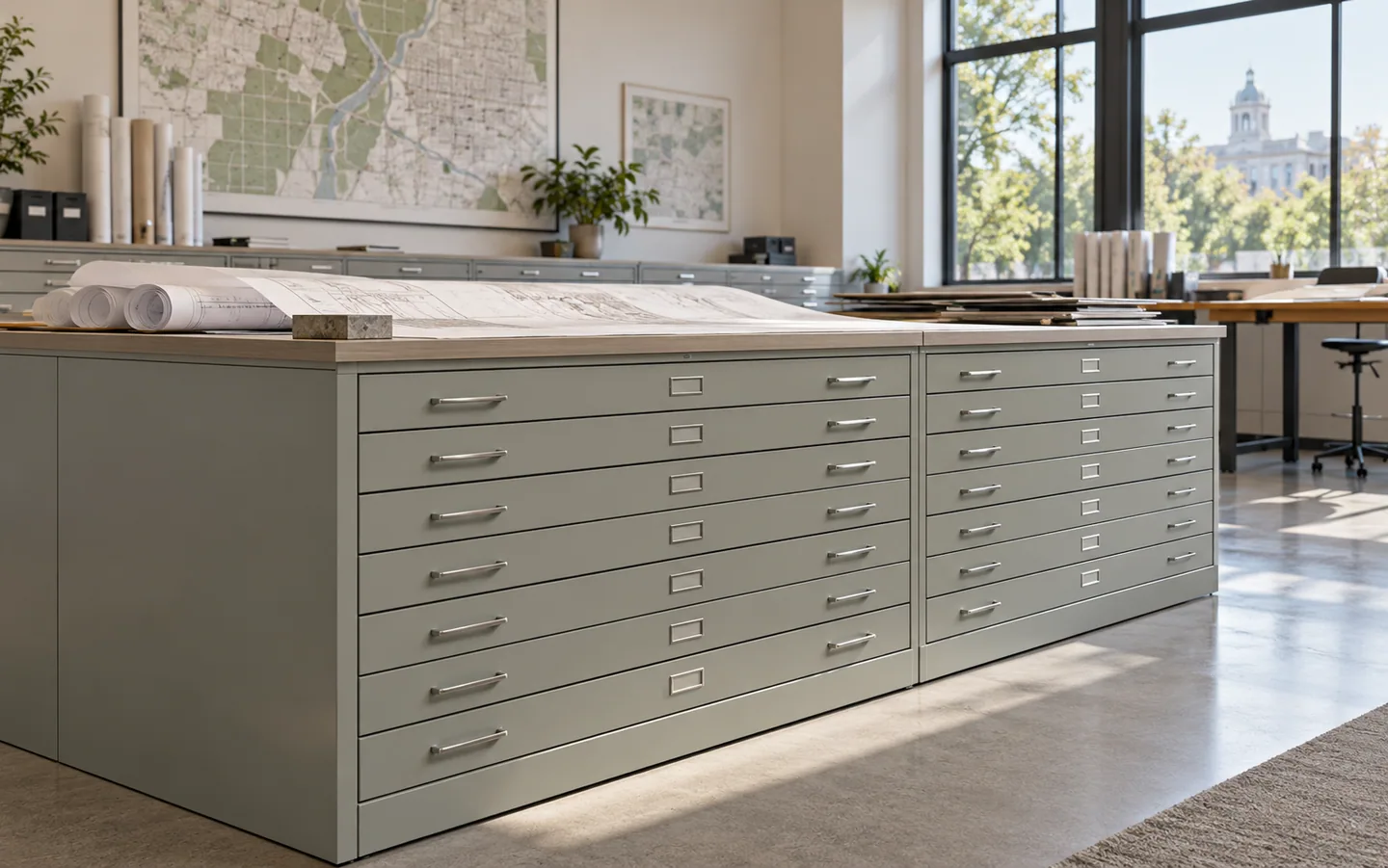
Flat file cabinet purchasing starts with the way drawings are identified, removed, reviewed and returned. A wide drawer in a catalog image does not establish that a particular drawing format will be supported or that users can retrieve it conveniently. For an importer or project buyer, the useful brief describes the document workflow before selecting a candidate. This guide provides a retrieval worksheet without promising preservation performance or inventing internal dimensions for an unconfirmed model.
Describe the document in its stored condition
Identify representative drawing formats and include any folders, sleeves or other housing used in practice. Note whether material is stored individually, grouped by project or organized in another arrangement. Use blank examples or non-sensitive references where they can communicate the physical requirement without exposing confidential project information.
Ask the document team which items are active and which are retained for occasional reference. The handling routine may differ between those groups. Record the changes reasonably expected in the collection, but do not turn an initial fit review into a promise that every future format will suit the same cabinet. Where an item falls outside the proposed arrangement, keep that exception visible.
Include the supporting envelope
The drawing sheet is not always the whole stored item. A protective folder, sleeve or identification tab can affect useful space and retrieval. Ask for the actual internal arrangement proposed for the selected cabinet and review the representative item in that condition rather than compare only nominal paper labels.
Walk through retrieval and return
Describe how a user identifies the right drawer, supports the document during removal and places it for review. Include the area around the cabinet and any nearby working surface. A drawer may accommodate an item when stationary while still raising questions about turning, handling or returning it in the intended location.
Ask the buyer to identify who maintains drawer labels and document-location records. A furniture proposal cannot resolve an undefined revision or refiling policy. Keep the physical storage discussion connected to that policy, without making the supplier responsible for records-management decisions it has not agreed to perform.
Use a drawing-retrieval worksheet
| Workflow question | Buyer input | Evidence or arrangement to review |
|---|---|---|
| Stored envelope | Drawing and its folder or sleeve | Usable drawer arrangement |
| Identification | Non-sensitive project and drawer references | Proposed label or indexing location |
| Removal | Typical retrieval routine | Opening and handling-space review |
| Review surface | Where the document is examined | Relationship to the proposed cabinet location |
| Return | Person or role maintaining filing order | Agreed allocation and refiling routine |
| Change | New formats or revised housing | Conditions requiring another fit review |
Use the worksheet to distinguish physical fit, convenient access and document administration. A positive answer in one field does not settle the others. Record which reference or sample supports the conclusion and which questions still require a proposal or buyer decision.
Shortlist candidates by the intended job
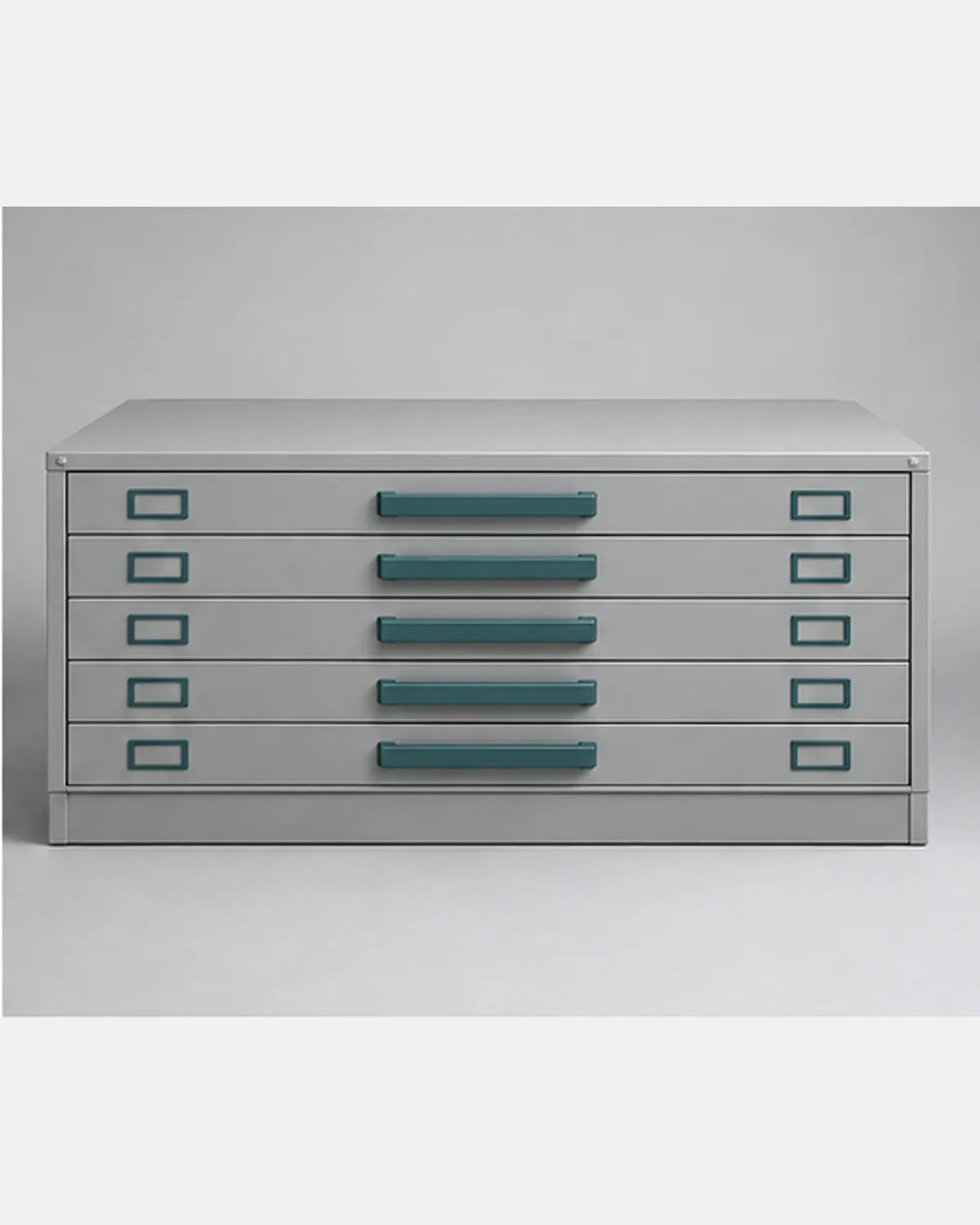
The Flat File Cabinet and Flat File Cabinet for Drawings are candidate references from different catalog contexts. Ask for the actual proposed internal arrangement and applicable product information. Their names do not establish equivalent drawer sizes, load limits, fittings or preservation properties.
Review the filing cabinet category with the drawing workflow in mind. For government and public-sector applications, identify the buyer's records requirements and approval responsibilities. Do not infer official endorsement, certification or a verified delivery case from the fact that a document-storage application is discussed.
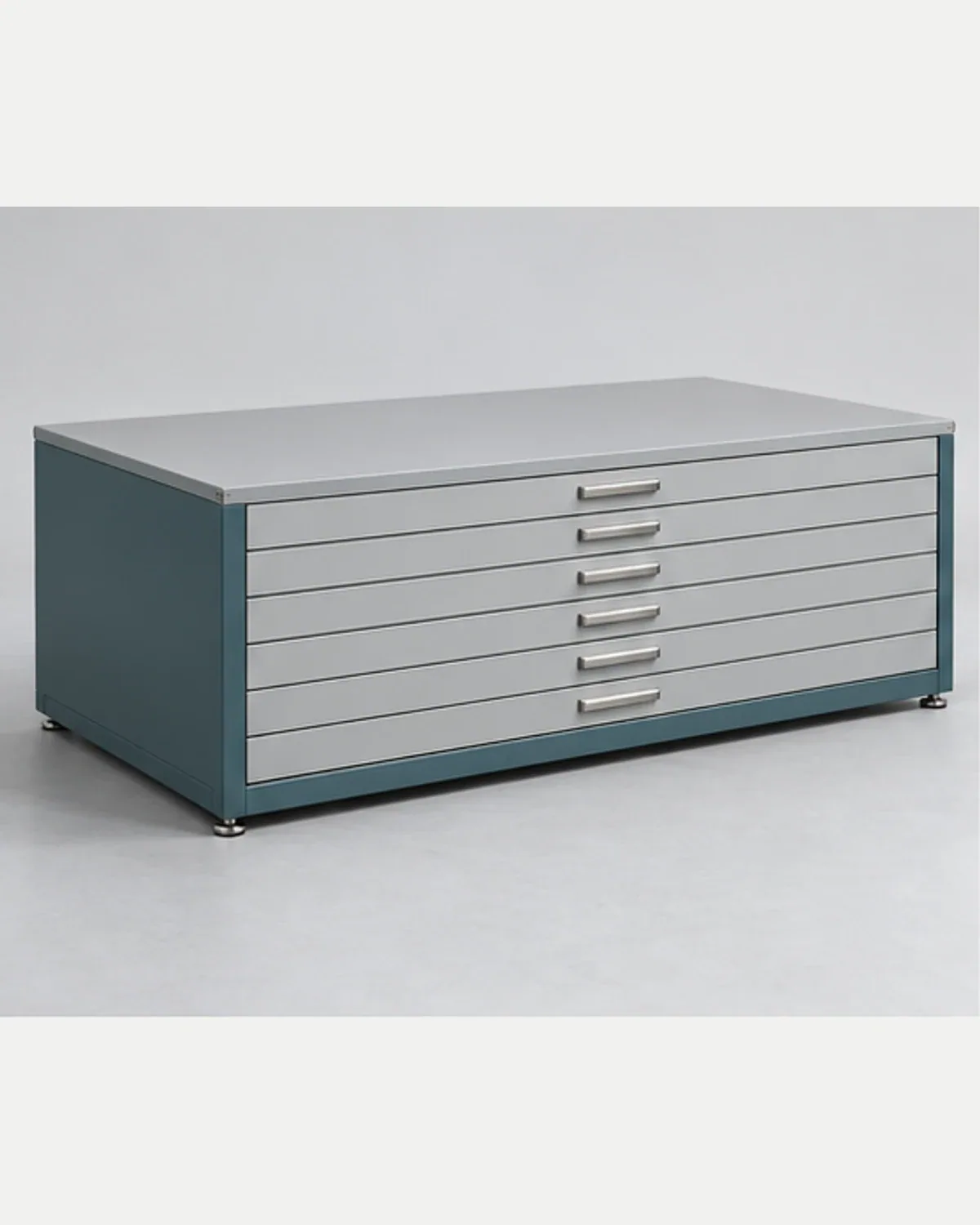
Put the reviewed reference into the quotation
For a bulk purchase, identify quantities by proposed configuration and location rather than request an unexplained cabinet total. Ask the respondent to state the included fittings, finish reference, proposed packing and unresolved specifications. Any formal preservation or performance requirement should be identified separately with the relevant review owner and evidence request.
For OEM/ODM changes, attach a marked arrangement and explain the document problem behind it. Ask whether a revised drawing or sample review is needed. Model-specific dimensions, material details, load ratings and commercial terms remain To be confirmed. Send the worksheet and candidate references to the procurement team and request a response tied to the same document and configuration references.
Keep the accepted drawing reference and any limitations with the purchasing file. A later change in folders, handling routine or cabinet configuration should be checked against that record. This makes a repeat request easier to review without treating a familiar exterior image as proof that the original fit conclusion still applies.
Buyer FAQ
Can a paper-format name confirm drawer fit?
Not by itself. Include the folder, sleeve or other housing used with the drawing and request the proposed usable drawer arrangement. Review insertion, support and retrieval rather than rely only on a nominal format or an external cabinet drawing.
Does flat storage establish archival protection?
No preservation claim should be inferred from a product name or layout. Identify the collection's requirements and ask for relevant information and competent review. Ordinary furniture selection and a formal preservation assessment answer different purchasing questions.
What helps a repeat order remain consistent?
Retain the document reference, approved configuration, relevant sample or drawing and any limitations of the review. Ask a later quotation to identify changes explicitly before transferring the earlier fit decision to another proposed cabinet.