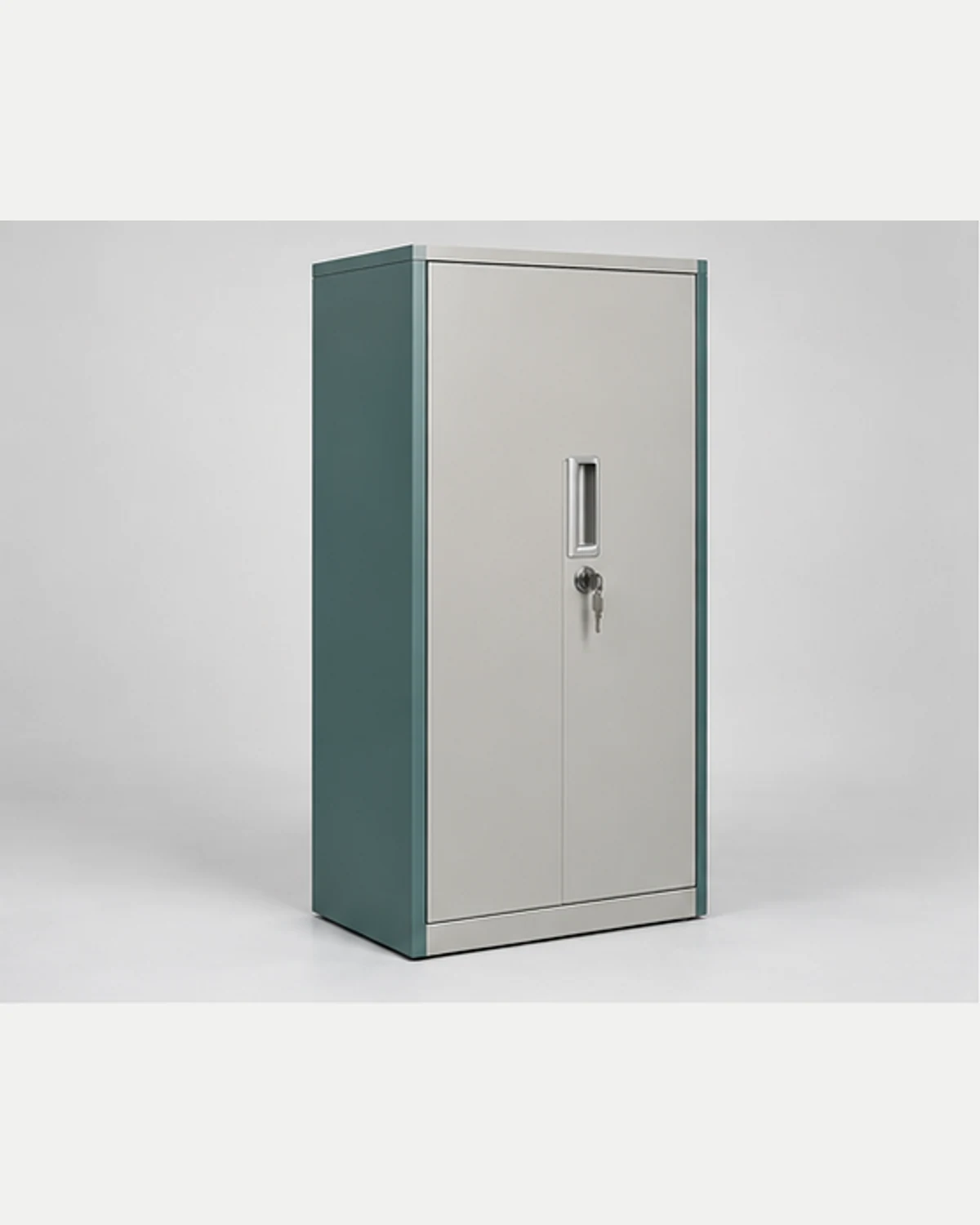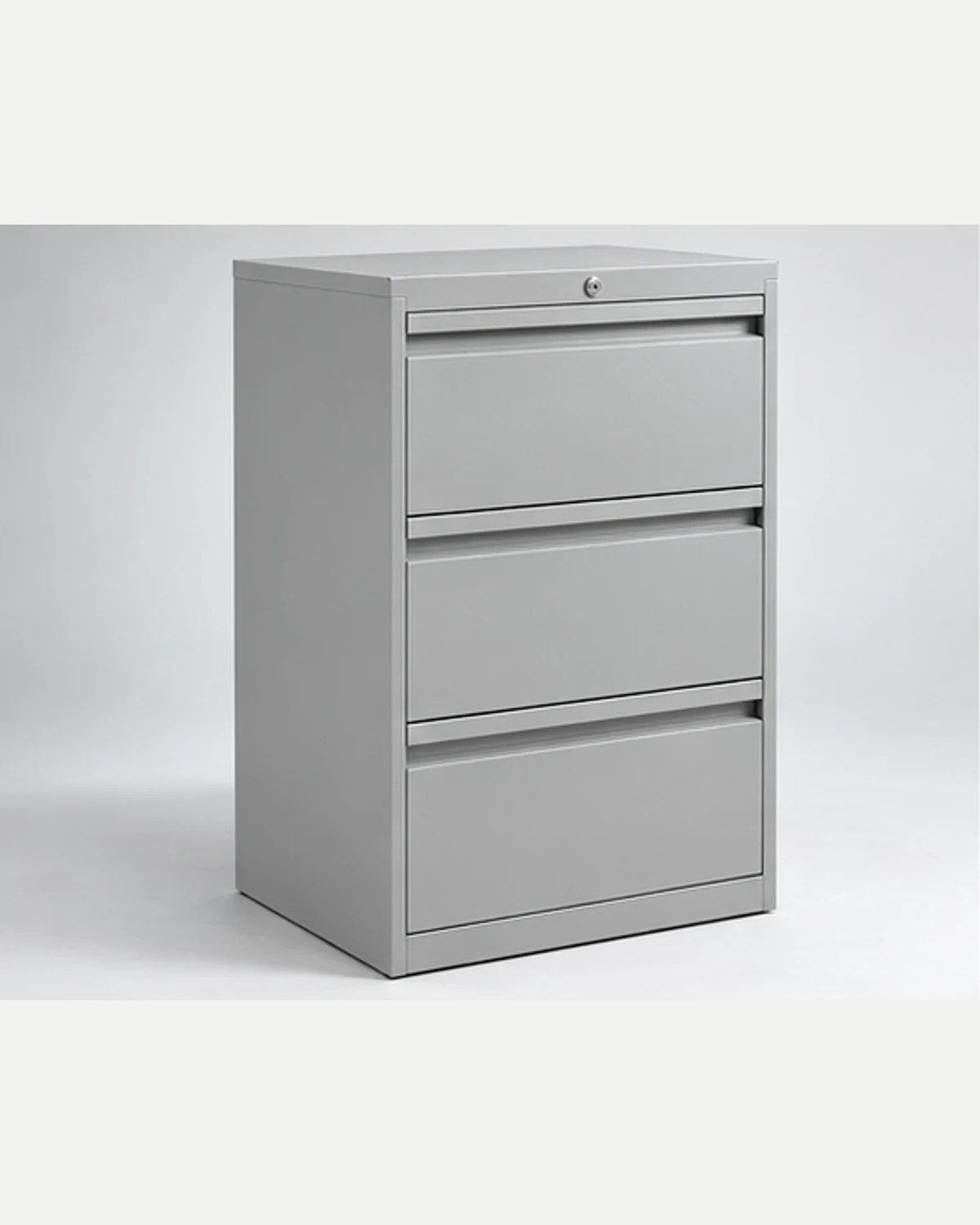

A filing cabinet supplier proposal should be evaluated by the evidence and scope it provides, not by an invented ranking of suppliers. For an importer, a useful scorecard makes incomplete answers and exclusions visible before commercial totals are compared. This selection tool uses qualitative review states rather than claim a measured probability of performance. It can organize a procurement decision without turning an unsupported specification, a polished image or a confident sales statement into proof.
Define comparable purchasing lines
Start with candidate references, intended filing functions and the quantity requested for each configuration. Ask the buyer to identify the essential requirements and which details remain open to proposals. A fair comparison needs respondents to understand the same storage task, key policy, appearance reference and destination assumptions.
Keep buyer requirements separate from the proposed answer. If a respondent suggests a different layout or excludes an item, record that difference instead of silently rewriting the request to make the offers look identical. A useful alternative can still be considered, but it should be evaluated as a clearly described alternative.
Use review states with explicit meaning
Use states such as documented, clarification needed and outside proposed scope. Describe what evidence supports each state. Do not give an unanswered field a favorable result merely because the supplier is familiar or its quotation total is attractive. The scorecard is a record of review, not an endorsement or an automatic purchasing decision.
Apply the evidence scorecard
| Review area | Evidence to look for | Decision or open action |
|---|---|---|
| Product identity | Configuration and candidate reference | Match the offer to the inquiry line |
| Filing function | Proposed usable arrangement | Review folder and retrieval needs |
| Fittings | Lock, handles and accessory list | Identify included and optional items |
| Performance claim | Relevant product-specific support | Assess applicability with the appropriate owner |
| Commercial scope | Quantity, conditions and exclusions | Compare equivalent work and assumptions |
| Receiving | Proposed packing and preparation information | Confirm destination responsibilities |
Add notes for significant exceptions. A summary without the underlying reason can be misleading when another buyer or technical reviewer takes over the file. Retain the supporting references so a changed proposal can be checked against the same basis.
Review product evidence before general assurances
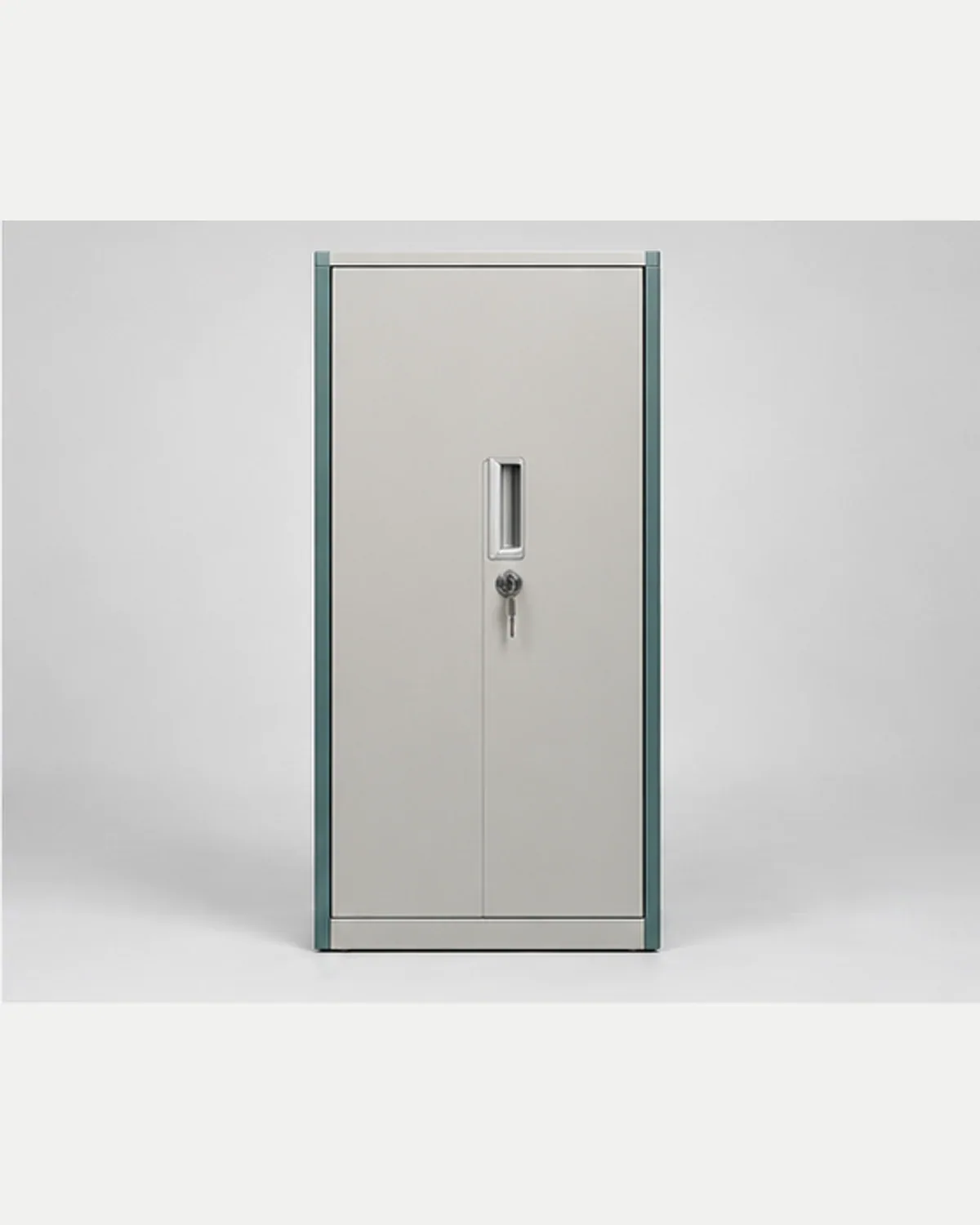
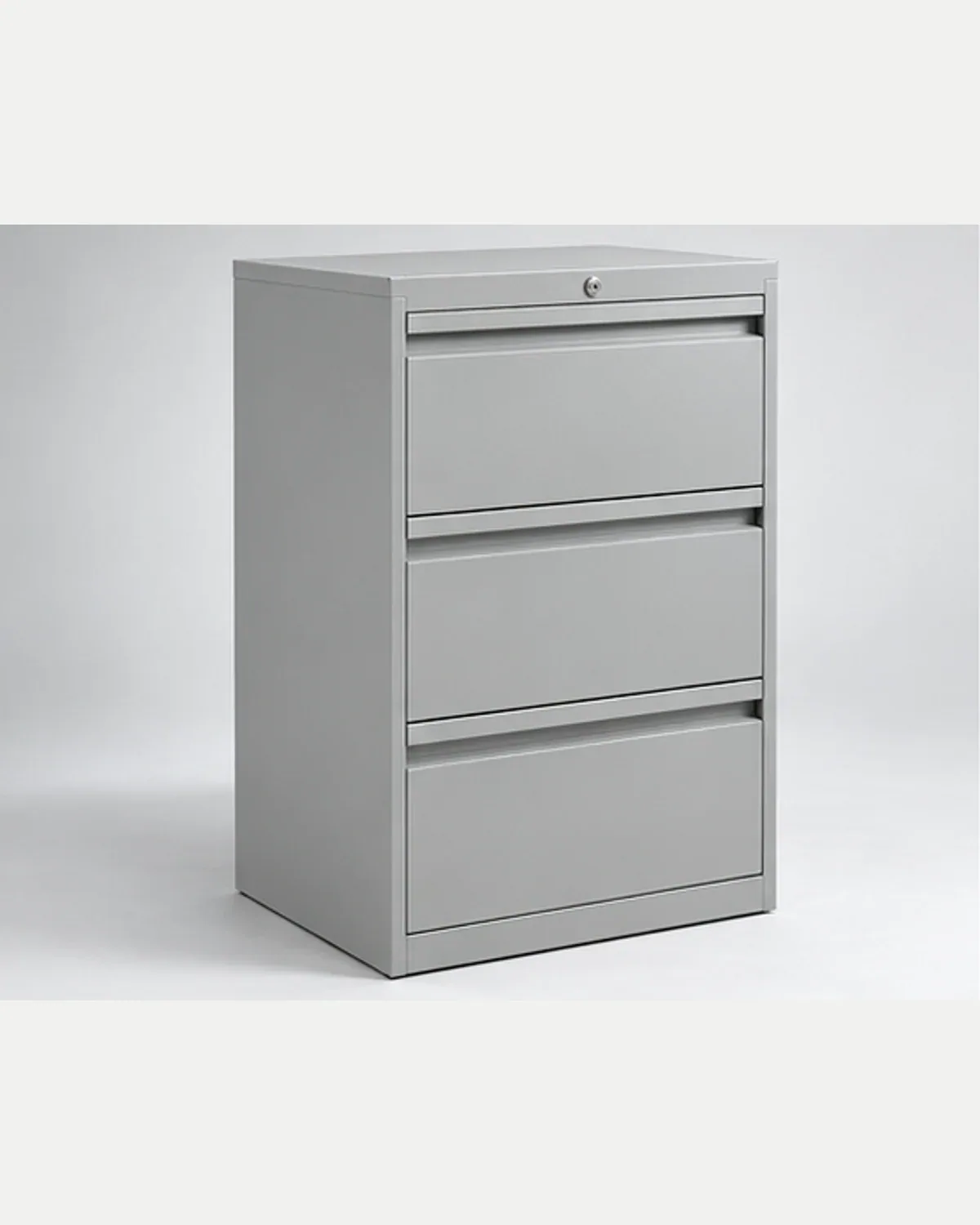
The Lockable Steel Filing Cabinet and Hanging File Cabinet are candidate starting points for different filing requirements. A familiar name does not verify construction, load rating, internal fittings or a specific key arrangement. Ask the respondent to describe the exact proposal and mark unconfirmed fields.
Use the filing cabinet category to retain the shortlist. Where a requirement needs formal evidence, identify the scope and have its applicability reviewed. Do not transfer another brand's data or a record for a different configuration into the scorecard as if it verified the selected product.
Compare commercial conditions without losing exclusions
A quotation may differ in included accessories, requested sample work, proposed packing or destination responsibilities. Ask each respondent to identify those boundaries clearly. The buyer can then understand why totals differ rather than assume that the lowest total includes the same work and evidence.
Estimated quantities, target requirements and destination details are buyer inputs for discussion. MOQ, pricing conditions, delivery commitments and other commercial terms remain To be confirmed. Do not fill missing values with industry assumptions or use this scorecard to make an unsupported promise on a supplier's behalf.
Use the record for the next conversation
For an OEM/ODM proposal, identify changes requiring drawings, samples or another review. Keep the version of the scorecard connected to the current offer. If a supplier resolves an open question, record the new evidence and review outcome rather than merely changing a favorable summary label.
For a corporate office project, connect proposed configurations to the relevant locations and access policies. Send the scorecard, inquiry references and open questions to the procurement contact team. Request a response that addresses the evidence gaps and exclusions. The objective is a clearer, reviewable proposal, not a fabricated best-supplier list or a guarantee about future delivery performance.
Keep the final purchasing decision with the buyer's authorized roles. A technical reviewer may resolve an evidence question without accepting commercial conditions, while procurement may identify a scope difference that needs another product discussion. Record those decisions separately so the final order does not inherit an assumption that no one intended to approve.
Buyer FAQ
Is this a supplier ranking system?
No. It is a way to record proposal completeness, evidence and unresolved scope. It does not measure a supplier's market performance, predict delivery success or create a public ranking without reliable data and an appropriate evaluation process.
Should an incomplete answer always mean rejection?
The buyer should decide whether clarification, another proposal or rejection is appropriate. Record the missing information and its relevance. The important point is to avoid treating an unresolved field as confirmed or concealing it in a summary score.
Can pricing be compared before every detail is confirmed?
Initial commercial discussion can occur with assumptions clearly stated. Before accepting an order basis, identify material differences in configuration, evidence, exclusions and destination work. A comparable total depends on an understood scope, not just matching product names.