
A filing cabinet RFQ becomes easier to compare when the buyer separates drawer functions from the policy for opening them. A description such as lockable office cabinet leaves important questions unanswered: how documents are arranged, who holds keys, what accessories are included and how the proposed configuration will be checked. This request format helps importers and project procurement teams obtain a response tied to their requirements rather than an attractive but incomplete product description.
Define what each drawer must do
Describe the documents and stationery assigned to the cabinet. Include folder orientation, label visibility and any partitions or rails the buyer expects. The purpose is to distinguish the work required from the supplier's proposed solution. If the supplier suggests another arrangement, its response should explain the change and show how the original filing need would be addressed.
Use a consistent candidate reference across the drawing, quotation and sample request. For a distributor, record which differences create distinct variants in the intended range. Different locks or drawer arrangements should not disappear behind an unchanged sales image. All model-specific specifications remain To be confirmed until the relevant proposal and evidence have been reviewed.
Keep requirements and confirmations in separate columns
The buyer states a need; the respondent identifies what is proposed and what still needs clarification. Do not prefill an unanswered response with assumed standard hardware. A clear exception is more useful than a tick that neither party can explain later.
Copy this purchasing worksheet into the inquiry
Attach reference images or drawings where they help explain a requirement. Avoid including confidential documents or a list of named employees when physical folder examples and role descriptions are sufficient.
| RFQ field | Buyer requirement | Supplier response needed |
|---|---|---|
| Filing method | Folder reference and orientation | Proposed internal arrangement |
| Drawer access | Retrieval and opening needs | Drawing or sample demonstration |
| Key policy | Individual, shared or facilities access | Feasible lock and key arrangement |
| Hardware | Handles, labels and required accessories | Included items and optional items |
| Review evidence | Applicable approval questions | Configuration-specific supporting records |
| Delivery scope | Quantity, destination and receiving needs | Packing proposal and exclusions |
Add a responsible buyer contact for open technical questions and identify who can approve a change. Estimated quantity and a desired delivery requirement are inputs for discussion, not a confirmed MOQ or lead time. Ask the respondent to distinguish those commercial conditions from the product configuration.
Describe access control without inventing a security rating
Explain whether the cabinet is allocated to an individual, a department or shared facilities. Ask how spare and replacement keys would be identified and managed for the chosen proposal. If keyed-alike groups or another key arrangement are requested, ask for feasibility confirmation before adding that promise to a distributor catalog.
A lock describes an access feature. Do not infer fire resistance, a security rating or suitability for protected records from the presence of a lock. If the intended application requires a particular performance claim, identify the applicable requirement with the purchasing team and ask for evidence matched to the specific configuration. Keep that assessment distinct from ordinary key administration.
Connect proposed products to the request
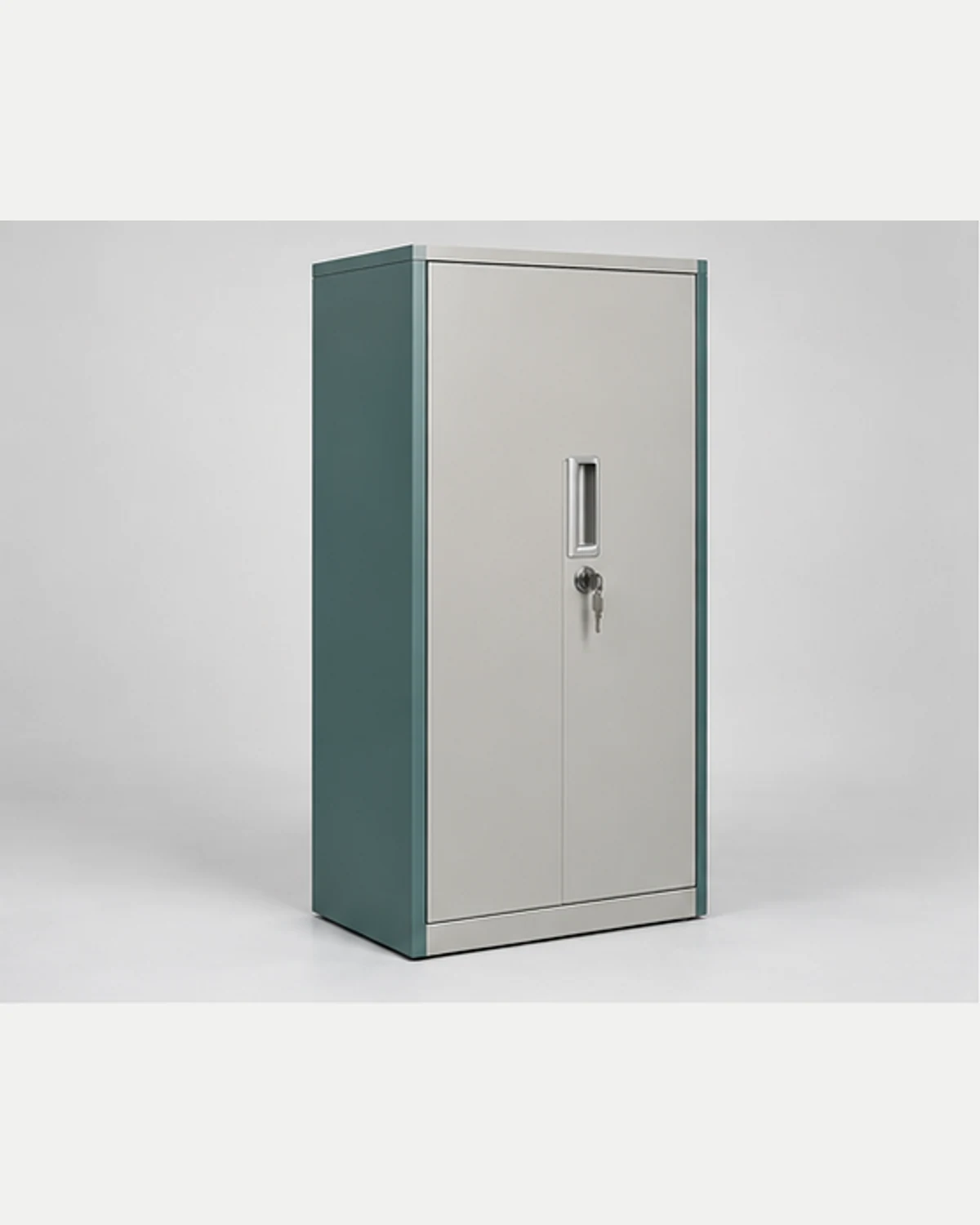
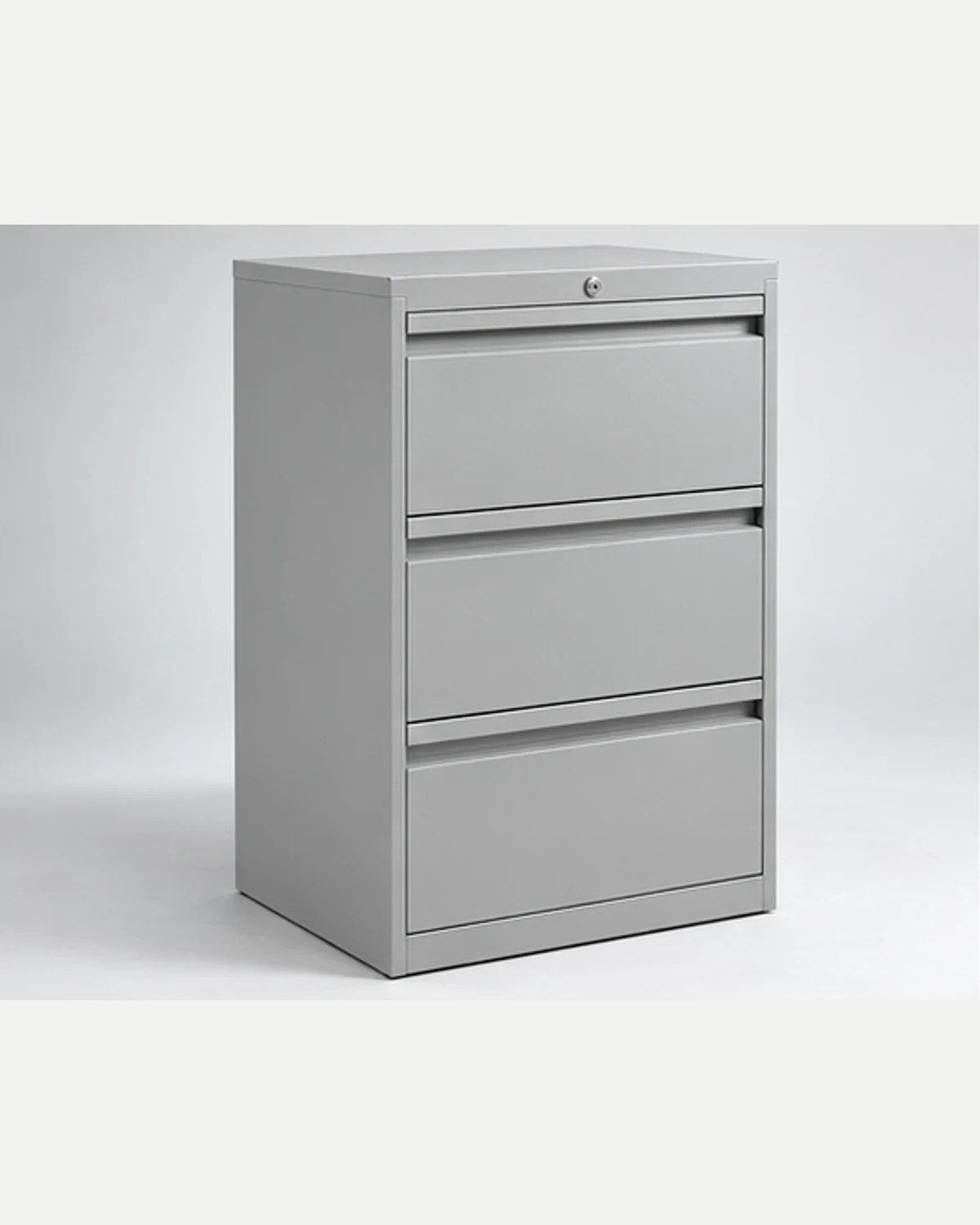
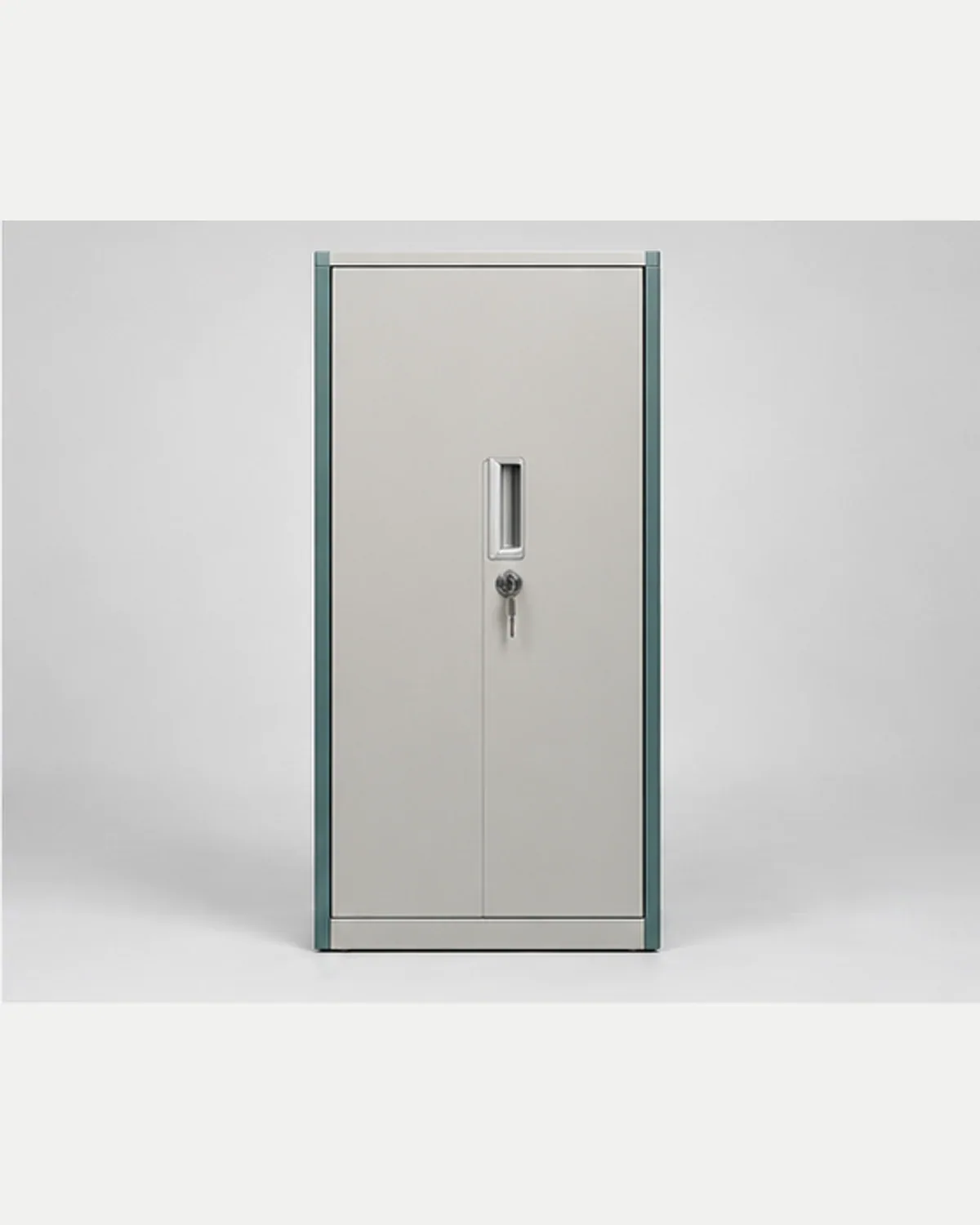
The Lockable Steel Filing Cabinet can serve as a candidate reference for the access discussion. The Hanging File Cabinet helps identify a filing-function discussion. Neither name establishes what fittings are included in an individual order. Review the filing category and record the references selected for supplier clarification.
For an OEM/ODM request, mark the differences from the reference arrangement. Ask for a revised drawing where a change affects the drawer front, internal fittings or key arrangement. Include a change log so that a later price revision is connected to a specific product revision rather than becoming an unexplained new total.
Review responses before comparing totals
Check whether every respondent has answered the same fields. Flag missing drawings, undefined accessories and unconfirmed key arrangements as open issues. Then compare the pricing and packing scope of the proposals that remain relevant. A lower total is not an equivalent offer if it leaves out work or evidence requested in the RFQ.
For a wider office project, identify the locations and any different access policies. Send the worksheet, candidate references and estimated quantities to the procurement contact team. Request an itemized response and a list of unresolved matters. This creates a useful next conversation while keeping unconfirmed specifications and commercial promises out of the initial request.
Buyer FAQ
What should be included with a drawer-layout request?
Provide representative folder information, the desired arrangement and the reason for any internal fittings. Ask for a drawing or sample review showing usable space and access. An external product image cannot answer every filing-function question.
How should a buyer request a shared key arrangement?
Describe the intended access groups and how spare keys will be controlled, without exposing sensitive employee information. Ask the supplier to confirm the feasible arrangement for the selected configuration and identify any limitations or separate approval work.
Does a completed RFQ confirm the product specification?
No. It records the request and provides a common response format. The proposal, supporting evidence, commercial conditions and any required sample approvals still need review before the order documents can state an agreed configuration.