Folder compatibility should be tested before a filing cabinet is selected for a bulk office order. An external cabinet drawing cannot show whether the buyer's folders hang correctly, whether tabs remain visible or whether staff can reach the files at the back. For an importer, the useful result is a repeatable folder test that can accompany each proposed configuration. This worksheet turns the buyer's existing filing method into questions a supplier can answer without inventing dimensions or treating a candidate image as a verified specification.
Gather a representative folder set
Ask the purchasing team to collect examples of the folders actually used. Include the folder body, hanging hooks, tabs and any sleeves that change the usable envelope. A label such as office files is not specific enough: different departments may organize papers differently even when they buy from the same stationery supplier. Describe whether files hang from rails, stand in a drawer or lie flat. Record which arrangement is essential and which could be changed by agreement.
For a distributor, distinguish compatibility needed for the initial sales range from compatibility merely requested by a possible future customer. Otherwise an ambiguous promise can become part of the catalog without a completed test. Keep a reference sample or an approved drawing available to the people checking the proposal. Do not send confidential documents inside the sample folders; blank examples can demonstrate the physical requirement.
Check the complete folder envelope
Include protruding tabs, handles and hanging points when describing the sample. Ask for the internal arrangement proposed for the selected cabinet. Where a supplier suggests an alternative orientation, have the buyer review how users would insert and read the files rather than accepting a statement that the cabinet fits standard folders.
Run the compatibility worksheet
Use the same folder reference across supplier responses. The table records what must be demonstrated, not a universal cabinet size. Model-specific dimensions, rail arrangements and performance remain To be confirmed.
| Check | Buyer reference | Evidence to request |
|---|---|---|
| Hanging direction | Folder hooks and orientation | Proposed rail layout and sample demonstration |
| Usable envelope | Folder including tab | Internal drawing for the selected configuration |
| Retrieval | Typical group of active files | Access demonstration with drawer open |
| Identification | Tab position and reading direction | Photo of the proposed filing arrangement |
| Change control | Approved folder reference | Record connecting the sample to the order |
Record an exception instead of marking an unanswered field as acceptable. If the proposed cabinet requires different folders, the quotation should make that change visible. The importer can then consider the cost and operational effect of replacing stationery before agreeing to the cabinet arrangement.
Inspect access while the drawer is in use
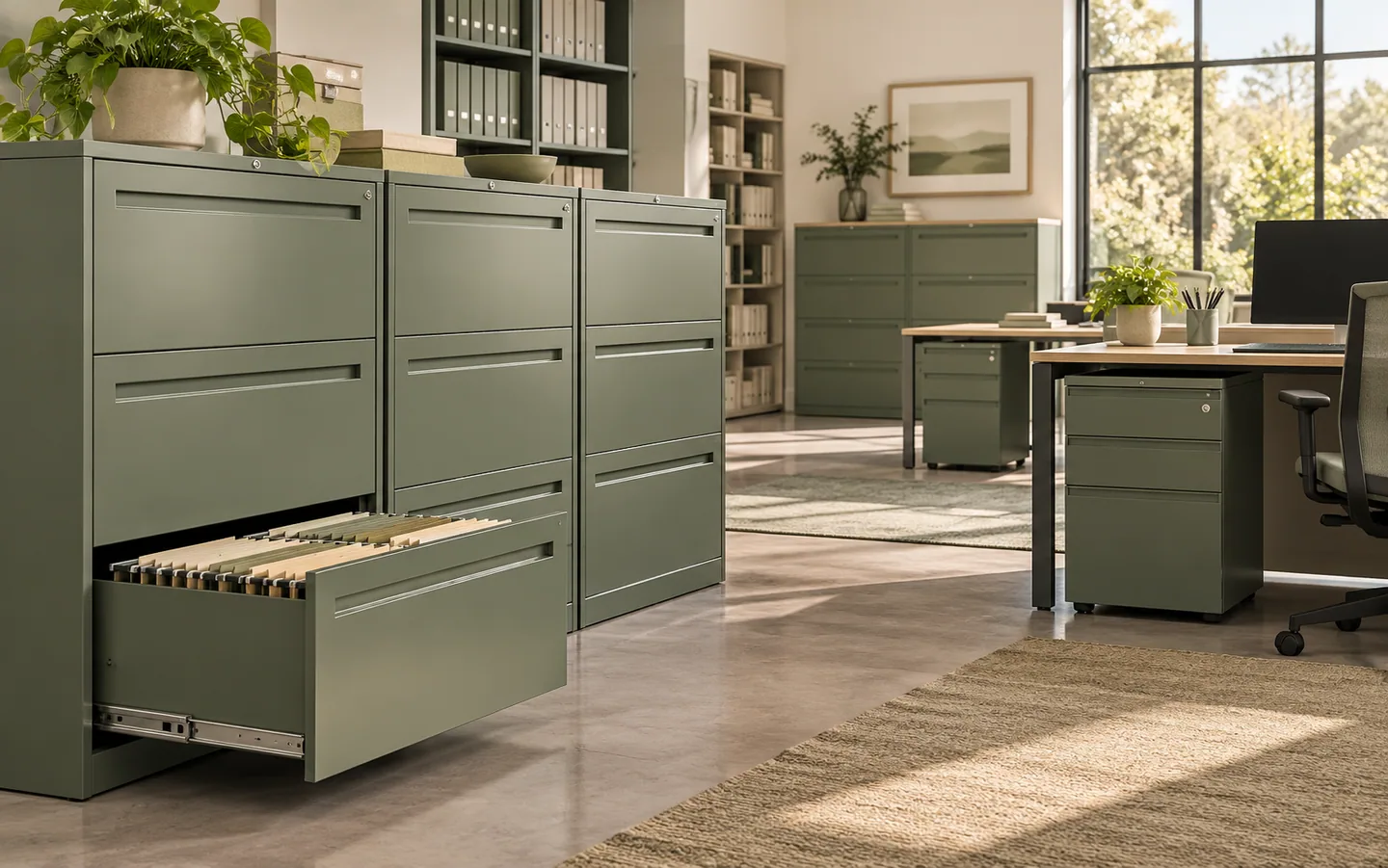
Compatibility includes retrieval, not simply placing an empty folder inside a drawer. Ask the review team to check whether users can read labels, insert papers and retrieve files without disturbing neighboring folders. Describe the expected filing routine and request the supplier's operating information. Do not use this exercise to infer a drawer load rating or a safety assessment; those require separate configuration-specific evidence.
Mark the cabinet's intended position on the room plan. A drawer arrangement that works during a showroom demonstration may still be inconvenient beside a desk or in a shared circulation area. Show the operating position and ask the buyer to confirm access with the drawer open. Where access requirements differ between locations, keep separate approvals instead of applying one conclusion to the entire project.
Link the test to candidate products
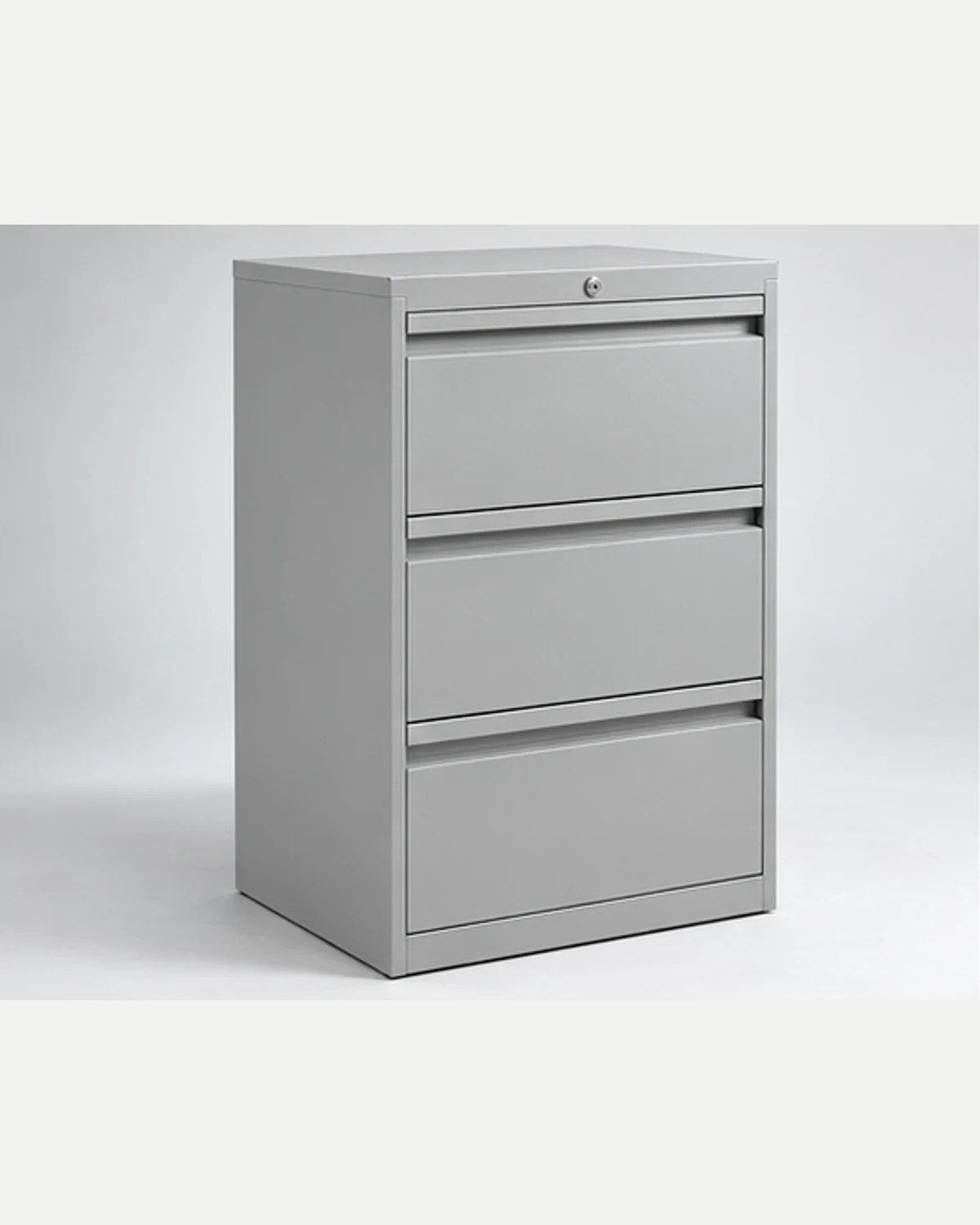
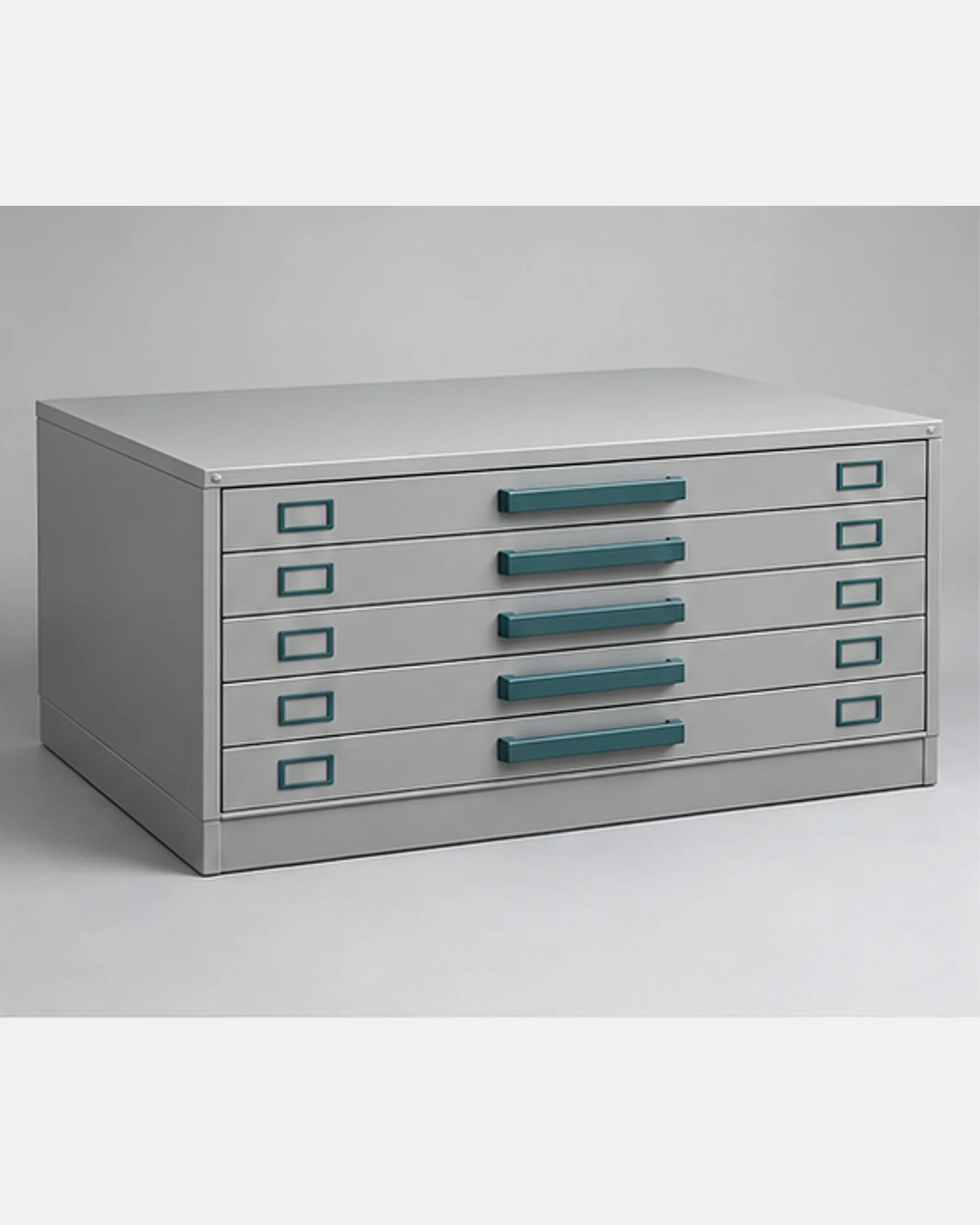
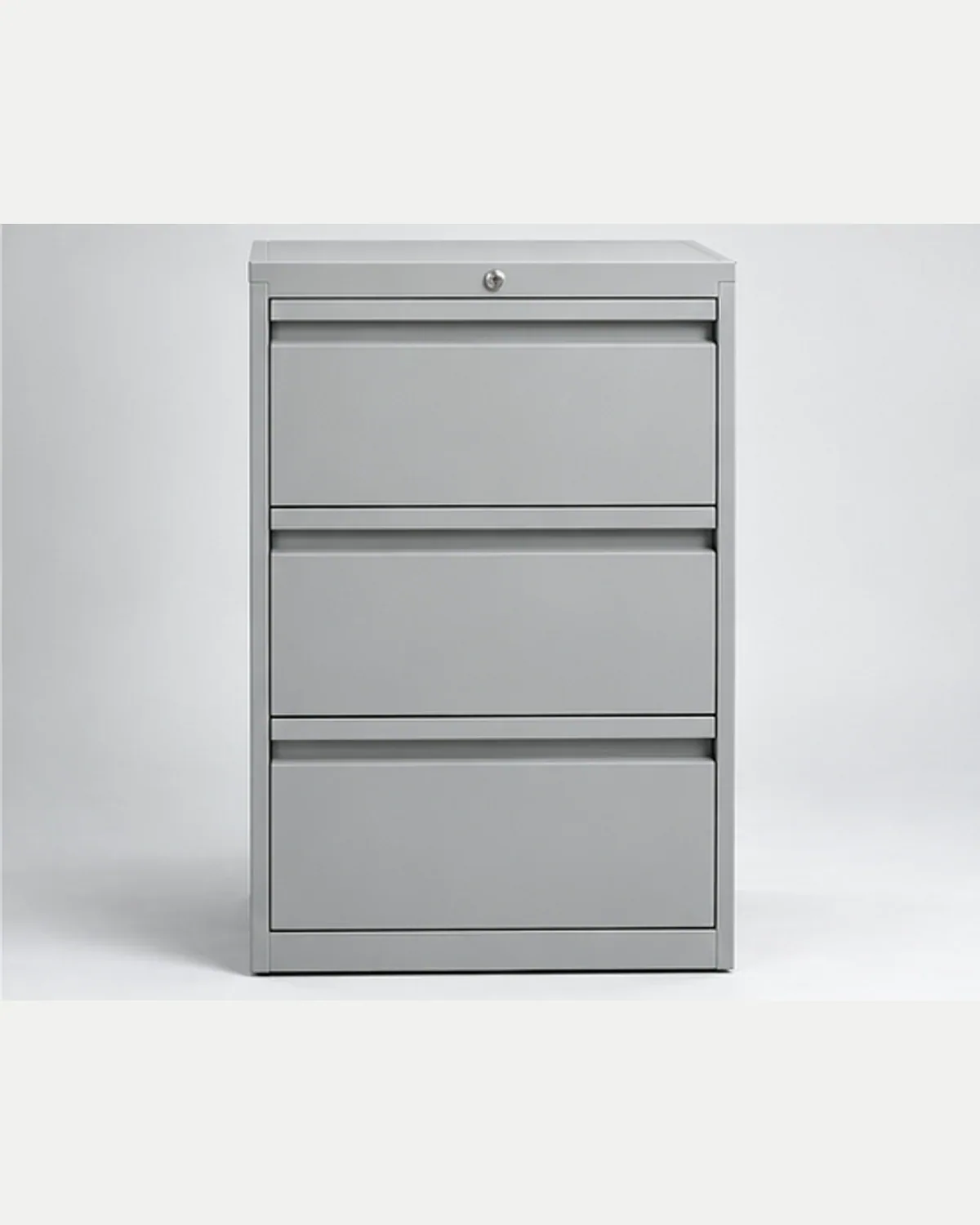
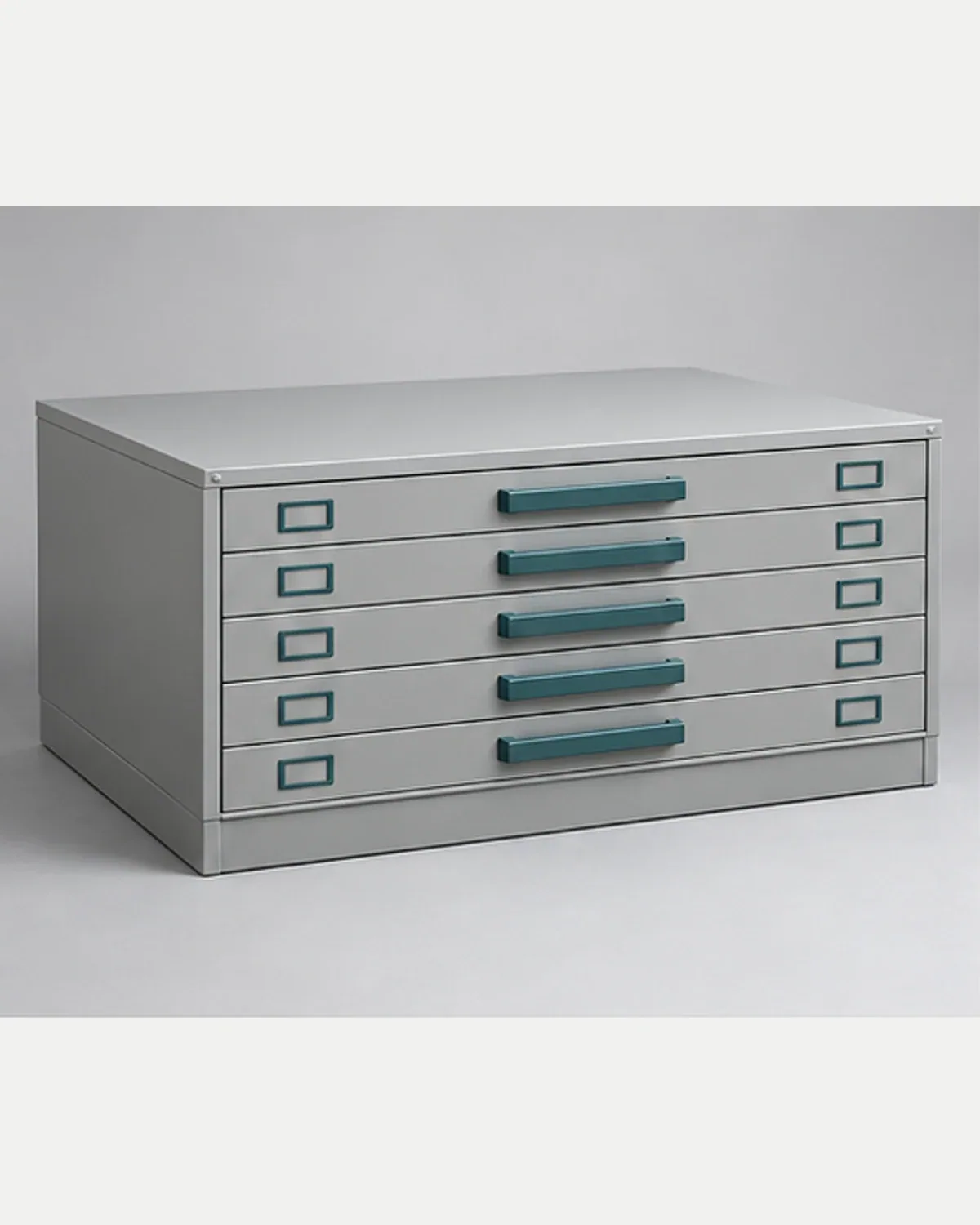
Use the Hanging File Cabinet as a candidate reference when discussing hanging arrangements. A Flat File Cabinet represents a different document-storage discussion and should not be treated as an interchangeable option merely because it also has drawers. Review the filing cabinet category to assemble a shortlist with distinct intended functions.
For OEM/ODM purchasing, request a drawing revision if rail positions or drawer internals are changed. The reference should identify what was reviewed and what remains unresolved. An initial concept image may help explain the request, but the approved configuration needs a traceable description that procurement and the receiving team can both recognize.
Put the test result into the RFQ
Attach the folder reference, worksheet, candidate product references, estimated quantity and destination. Ask the respondent to identify the proposed arrangement, supporting information and any exceptions. For a mixed office project, include the relevant locations from the corporate office solution rather than combining incompatible requirements into an unexplained total.
Send the completed compatibility record to the procurement team and ask for a quotation tied to that reference. Keep price comparison separate from acceptance of a new folder system. A useful response confirms the scope being priced and names the open decisions; it does not turn a sample photograph into a guarantee for every future cabinet variant.
Buyer FAQ
Is an external cabinet size enough to confirm folder compatibility?
No. Ask for the usable internal arrangement and test the buyer's folder, including tabs and hanging points. The external envelope does not establish filing orientation, rail details or access to the rear of the drawer.
What if departments use different folders?
Record separate folder references and identify which cabinet locations use each one. The buyer can then decide whether to standardize stationery or approve distinct configurations, rather than silently transferring one department's test to every office.
Can the same approval be used for a modified drawer?
Only after the effect of the change has been reviewed. Connect the folder reference to the proposed drawing revision and request confirmation that the relevant internal arrangement and operating access have not changed.