Office bookcase purchasing is often driven by a furniture schedule, while the collection that must be stored receives less attention. A shared reference library, current project folders and display material can need different access routines even in the same room. For a project buyer or distributor, a useful layout connects the collection to the people maintaining it. This guide develops that allocation plan without assuming a shelf rating, a particular internal dimension or an included accessory.
Map the collection by its working role
Separate frequently consulted material, retained references and items intended for display. Describe the physical envelope of representative books, binders and protective containers. Note whether items need to remain grouped by team, topic or another non-sensitive reference. The objective is to understand the storage job before assigning a cabinet or bookcase to every wall section.
Ask who adds, removes and returns material. A bookcase used by several departments may need a clear return routine or a reserved area for items awaiting filing. These are operating choices for the buyer. A supplier can propose an arrangement, but the purchasing description should not assume that furniture alone resolves an undefined shared-access policy.
Include known collection changes
Record expected changes without promising that any adjustable arrangement can accommodate all future items. Identify the kinds of change the buyer anticipates and ask which proposed configuration details would need another review. A limited initial inventory should not become an unlimited suitability claim.
Allocate zones before selecting variants
Use the following worksheet to organize bookcase locations and functions. It is particularly useful when several rooms share an appearance scheme but serve different teams.
| Collection zone | Buyer information | Arrangement to review |
|---|---|---|
| Active references | Frequently used formats and access routine | Convenient usable arrangement |
| Retained material | Grouping and retrieval needs | Documented storage allocation |
| Display | Items and desired presentation | Proposed support and visible layout |
| Return area | Responsibility for refiling | Space and identification approach |
| Future change | Known shifts in collection types | Adjustment or variant questions |
| Shared access | Departments and circulation | Location and operating-space review |
Ask the buyer to record the reason for each zone. This helps when a later proposal changes a shelf position or substitutes a different bookcase. A decision tied to a collection function is easier to review than an unexplained instruction to use the same unit everywhere.
Match candidate products to different jobs
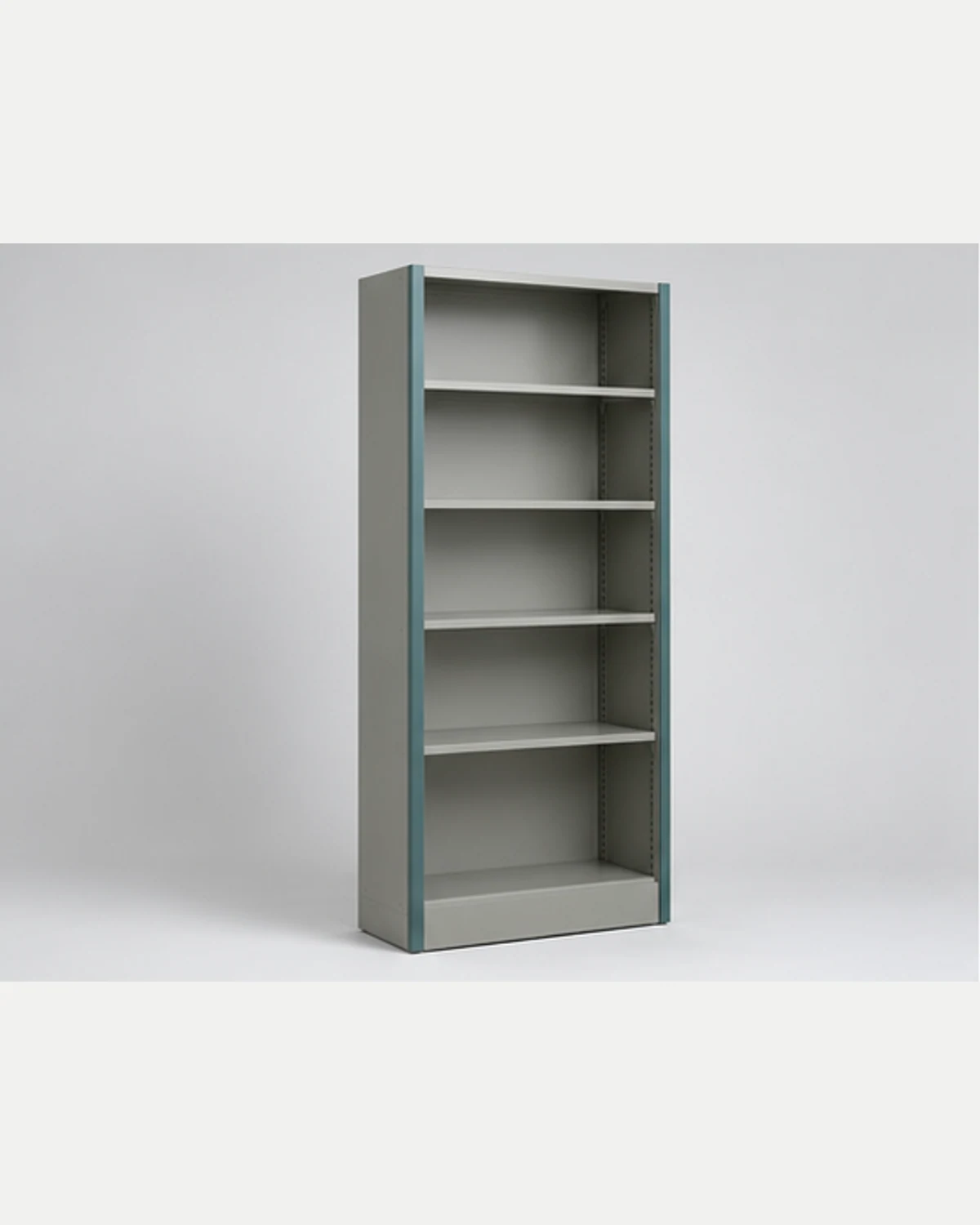
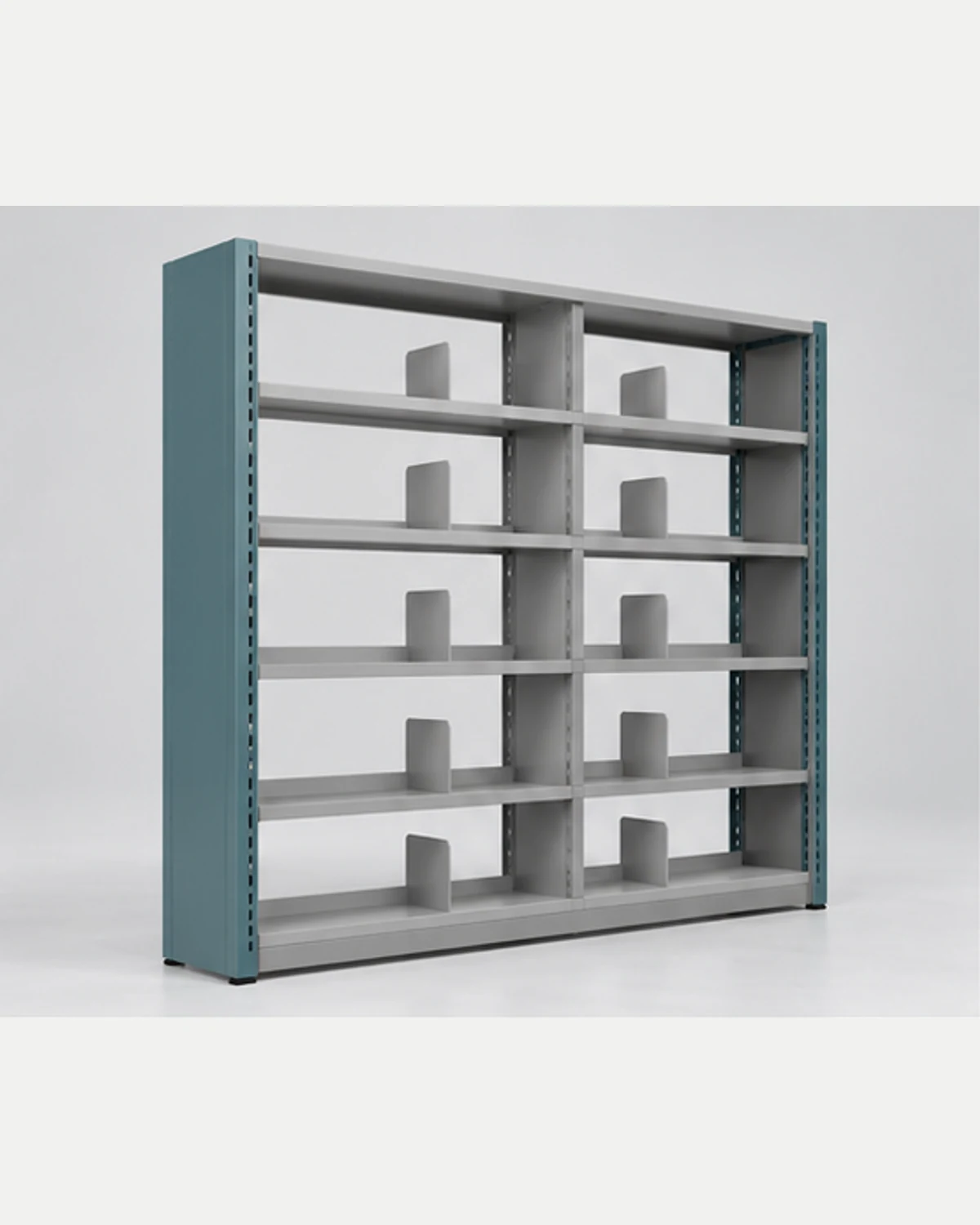
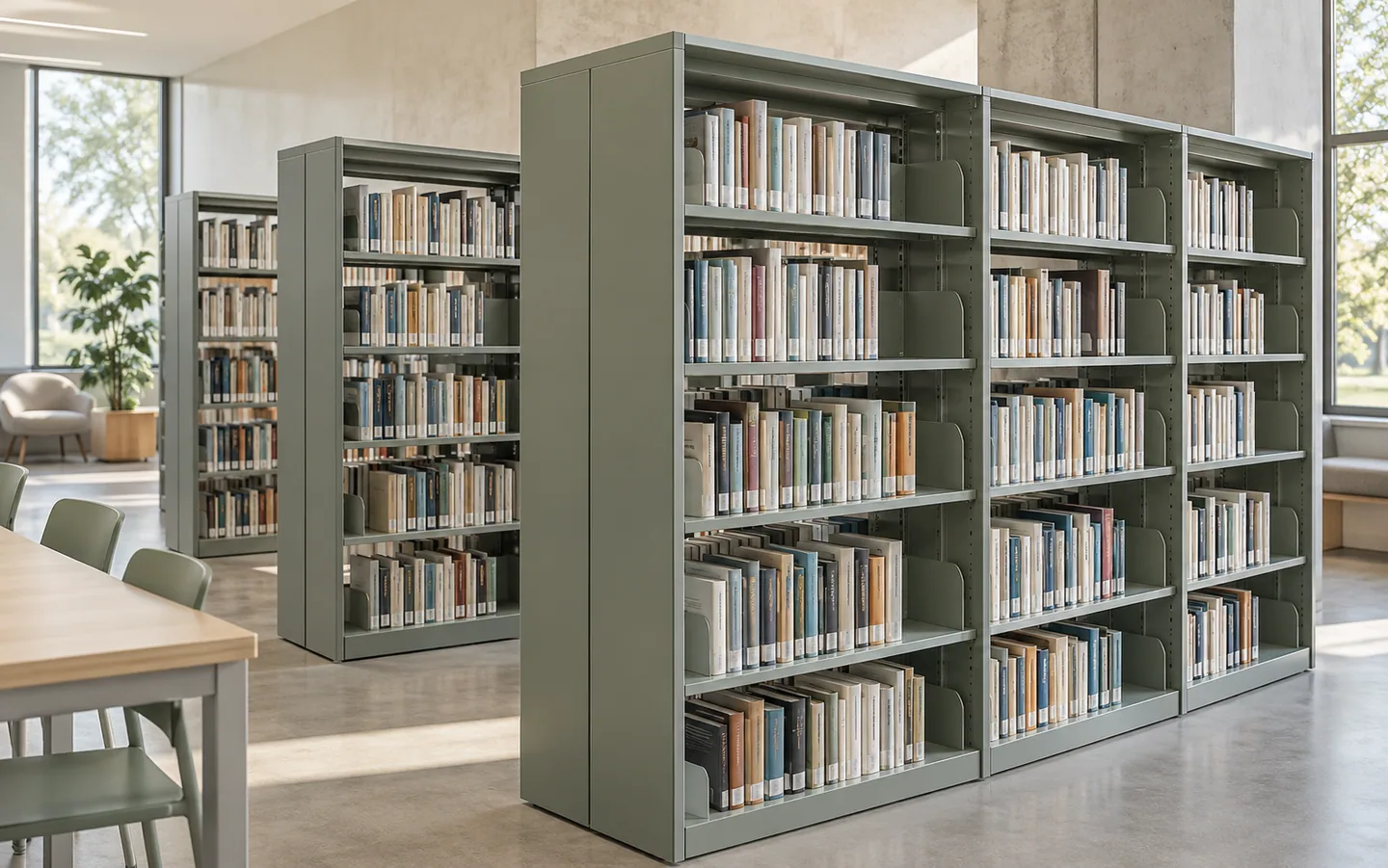
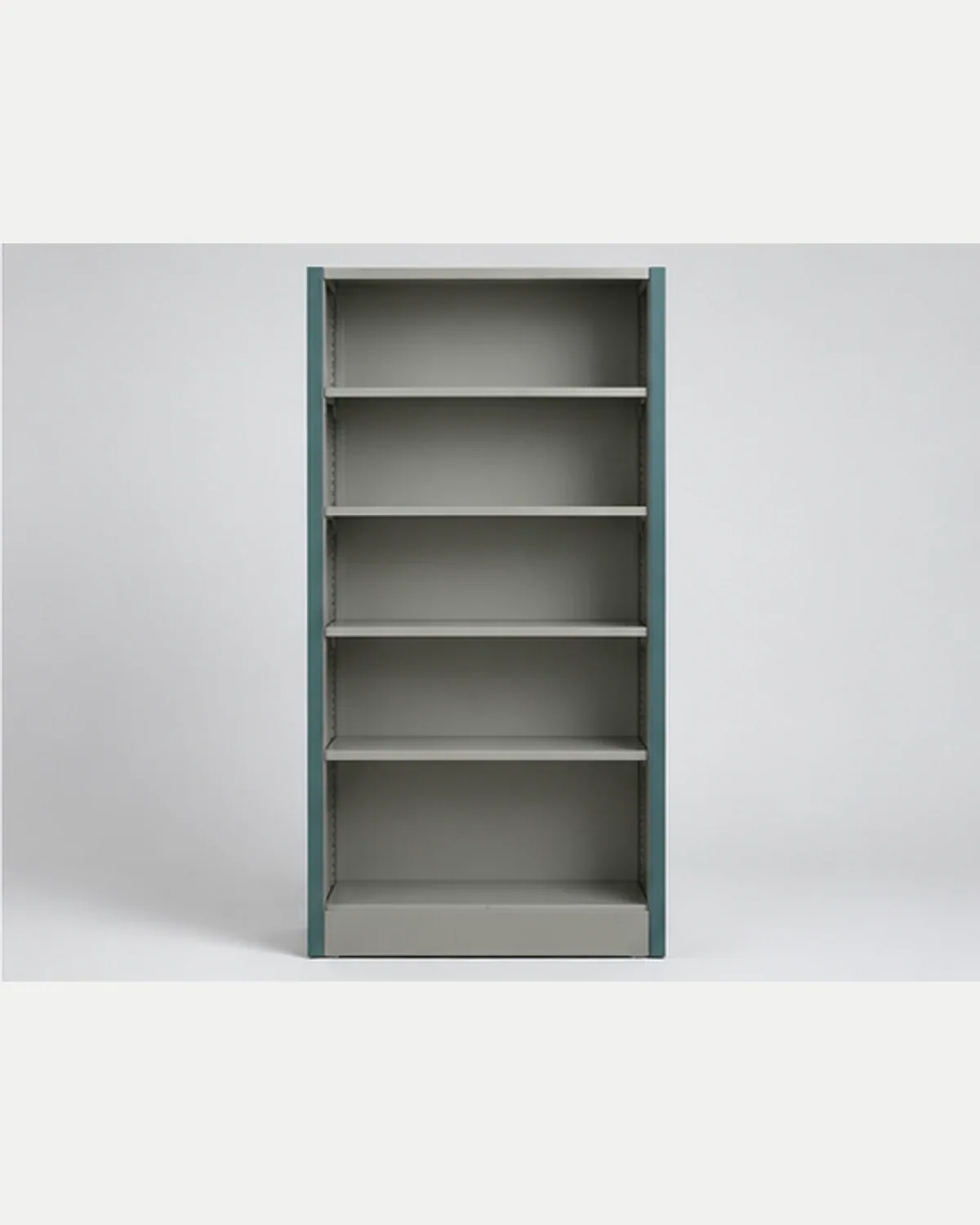
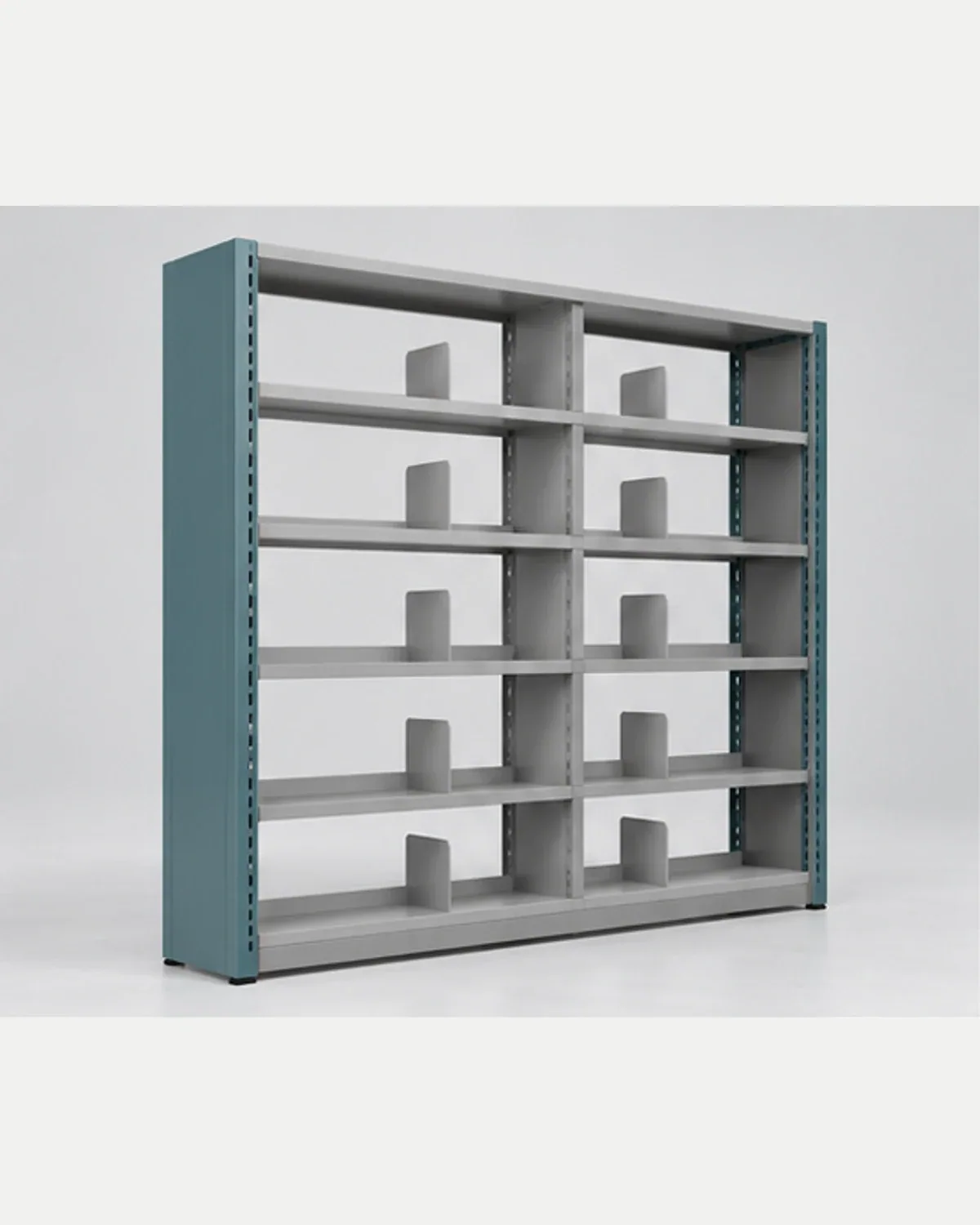
The Open Steel Office Bookcase can be a reference for ordinary office collections, while the Metal Library Bookshelf introduces another candidate discussion. Their names do not establish a particular shelf layout, load capacity or preservation property. Confirm the configuration proposed for the actual collection before describing it as suitable.
Review the shelving and bookcase range to assemble a shortlist. If a need is better described as allocated personal storage, enclosed supplies or another job, keep it distinct rather than forcing it into the reference-book layout. Clear functional boundaries help the buyer compare meaningful alternatives.
Review appearance without losing access requirements
An office may want bookcases to coordinate with desks and other storage. Record the appearance references and the surfaces that matter, while keeping usable space and access questions visible. A uniform finish should not cause every location to receive an identical arrangement when the collection and retrieval needs differ.
For OEM/ODM requests, provide marked layout information and explain which collection problem the change addresses. Ask for confirmation of the proposed internal arrangement and relevant product information. Dimensions, materials, capacities, installation requirements and available finish options remain To be confirmed for the selected configuration.
Prepare a room-based quotation schedule
Use the corporate office solution to organize the wider project and assign bookcase references to locations. Record estimated quantities by proposed variant, together with the destination and receiving requirements. Ask the respondent to identify included components, proposed packing and any remaining preparation or installation responsibilities.
Send the collection worksheet and room schedule to the procurement team. Request a response that shows how each proposed arrangement addresses its assigned function. The useful outcome is a coordinated purchasing list and a manageable review process, not a collection of similar-looking units with no documented reason for their placement.
Buyer FAQ
Is a bookcase layout only a matter of shelf spacing?
No. The buyer should also consider collection groups, retrieval frequency, return routines and the surrounding circulation. Ask for the proposed usable arrangement and review it against representative items instead of relying only on an external product image.
Should shared rooms use exactly the same configuration?
Only if the buyer's storage and operating needs support that choice. A common appearance reference can coexist with different internal arrangements. Keep the reason for each variant with the room schedule so later substitutions can be assessed.
Can a proposal guarantee future collection fit?
Do not assume unlimited flexibility. Describe the changes the buyer reasonably expects and ask which adjustment or variant options can be proposed. New collection types or materially different requirements may need another configuration review.