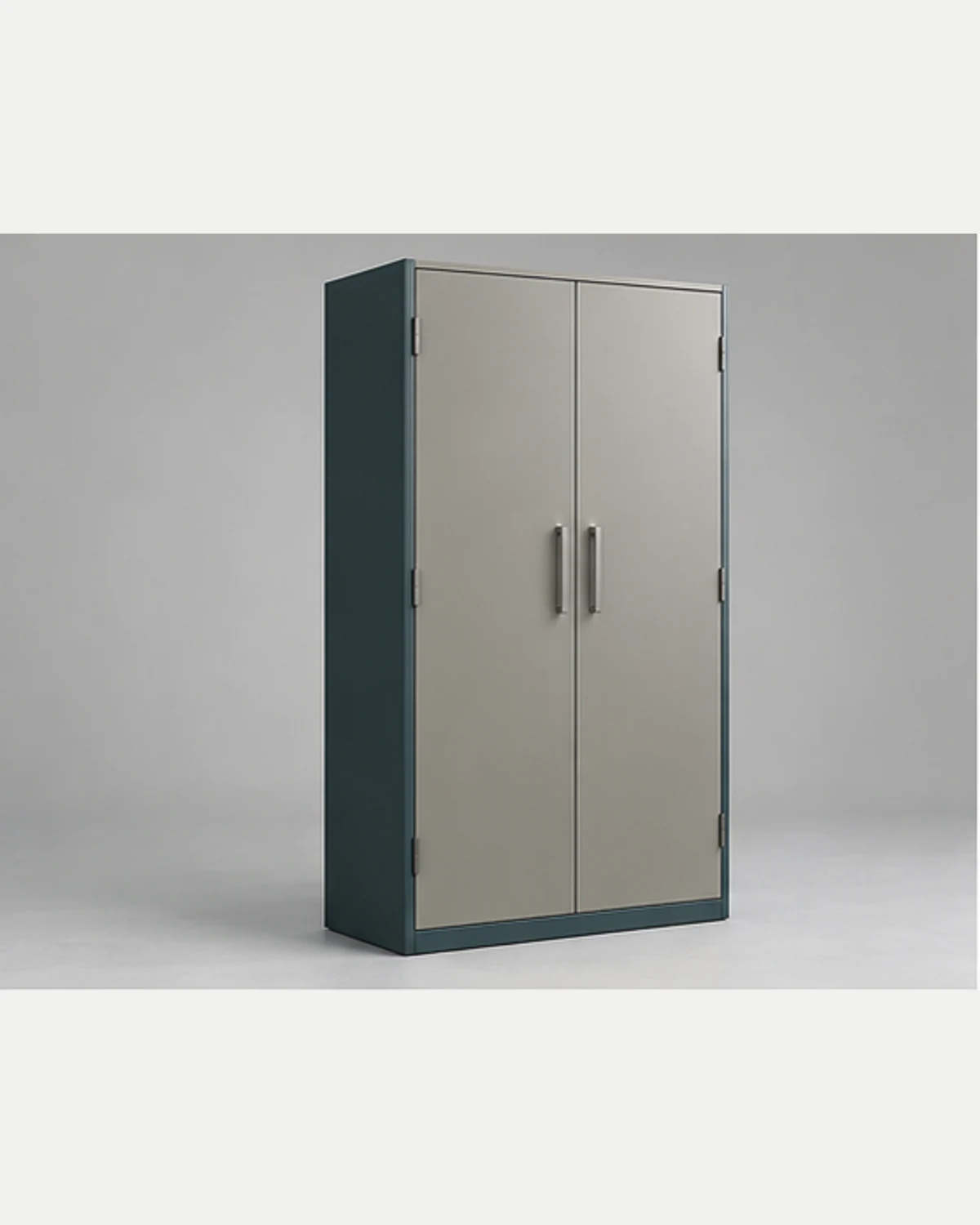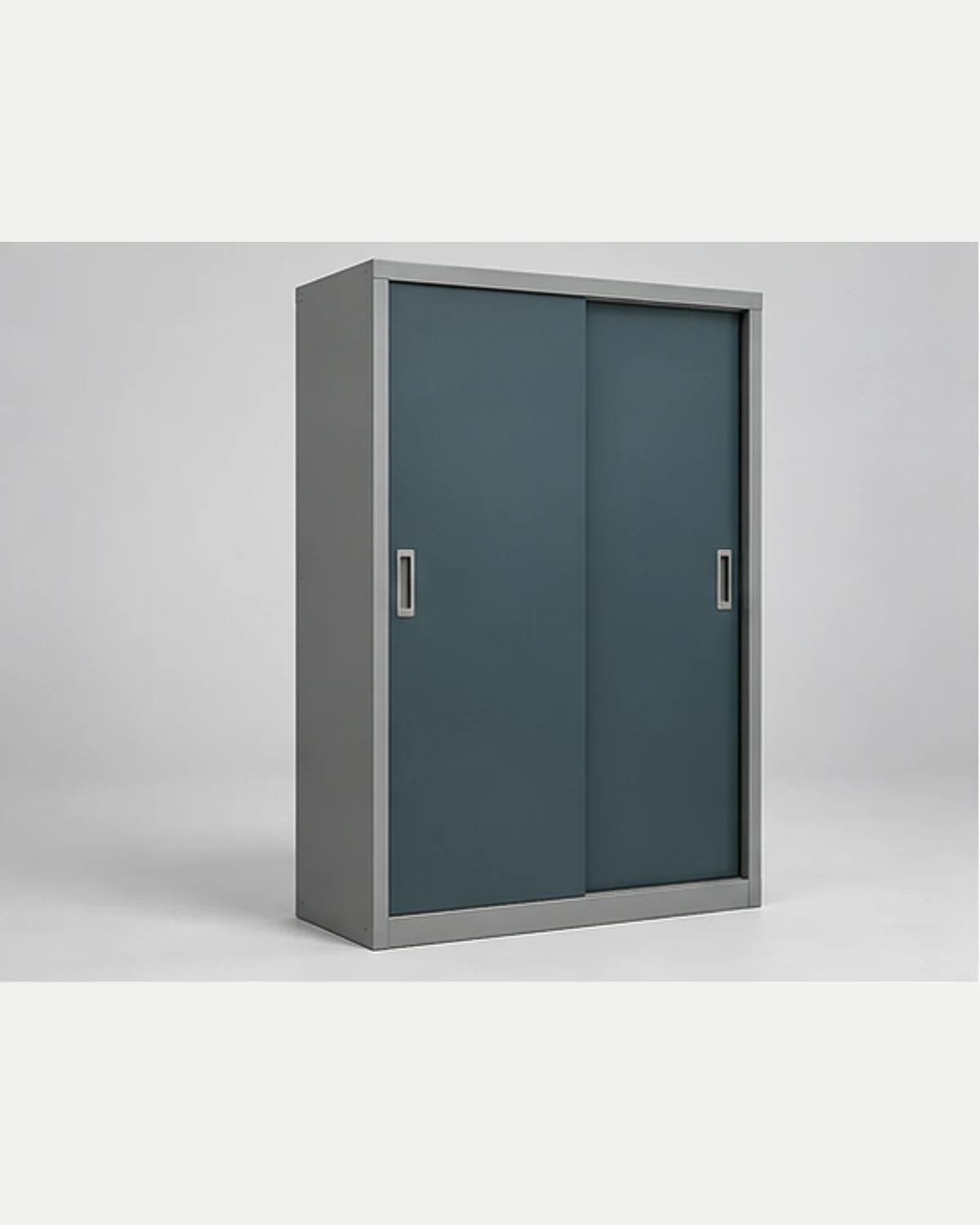

Assembled and knock-down steel cabinet proposals should be compared through the work each arrangement leaves with the buyer. A packing description alone does not establish total purchasing value. An importer needs to consider receiving, destination assembly, component identification, inspection and the responsibilities included in the quotation. This comparison does not assume that every cabinet is available in both forms or that one form always saves freight. The assembly and packing arrangement remains To be confirmed for each selected model.
Trace the work from arrival to use
Draw the buyer's receiving route: unloading location, temporary storage, movement to the room and preparation for use. Identify who performs each task and what information that team needs. A proposal that appears simple at the shipping stage may create destination work that has not been included in the purchasing plan.
For an assembled proposal, ask what items, if any, are fitted separately at the destination. For a knock-down proposal, request the proposed component list and assembly information. Do not infer either arrangement from a product image. Even closely related cabinet references can require separate confirmation when construction, accessories or packing are different.
Separate product assembly from building installation
Putting product components together and agreeing how a cabinet will be positioned or fixed at a site are different questions. Ask who provides the relevant product information and who assesses the actual installation conditions. A quotation should not leave these responsibilities hidden behind an unexplained delivery description.
Compare the complete responsibility matrix
Use the matrix to expose unresolved work rather than fill it with assumed standard services. Add a named organization or role only when that responsibility has been agreed for the order.
| Purchasing question | Assembled proposal | Knock-down proposal |
|---|---|---|
| Arrival condition | Identify separately fitted parts | Identify components and assembly scope |
| Receiving check | Product and accessory record | Component and accessory record |
| Destination resources | Confirm handling and preparation needs | Confirm assembly resources and instructions |
| Packing evidence | Request protection proposal | Request component protection proposal |
| Acceptance | Define checks before use | Define checks after agreed assembly |
The table intentionally avoids carton volumes, assembly times or performance claims. These belong in a confirmed proposal when evidence is available. Procurement can compare the same scope only after both columns have meaningful responses.
Consider the buyer's receiving organization
A distributor with a documented assembly operation may evaluate a proposal differently from a project buyer delivering directly to offices. Describe the actual receiving capability instead of assuming that every consignee can assemble a cabinet. Ask what instructions, identification and accessories are proposed for the chosen configuration.
Where delivery is phased, consider how incomplete sets or mismatched components would be recognized. A receiving plan should explain how product references and component packages are connected. It should also identify how discrepancies will be recorded and clarified, without inventing a supplier replacement guarantee or a response time that has not been agreed.
Review product and packing evidence together
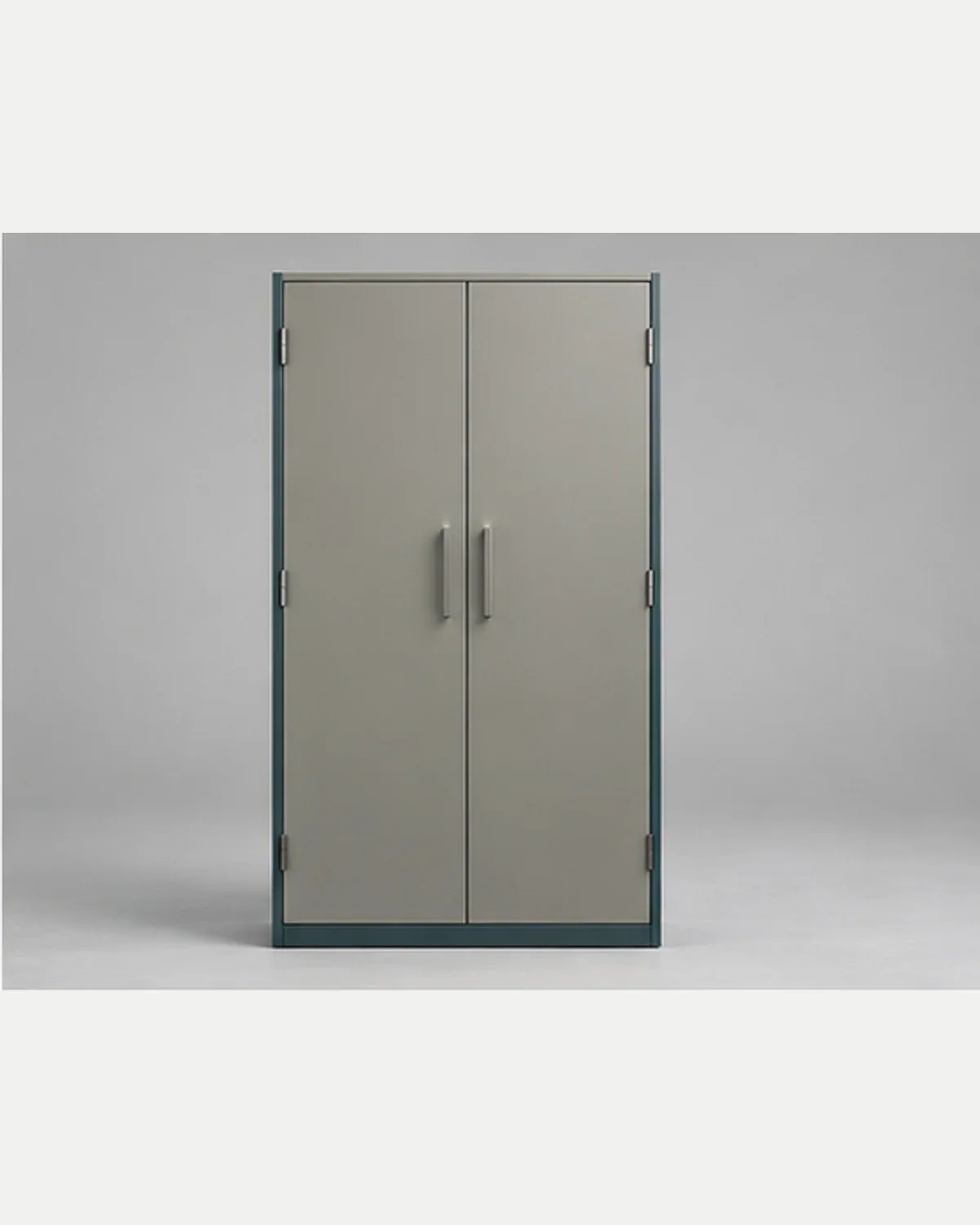
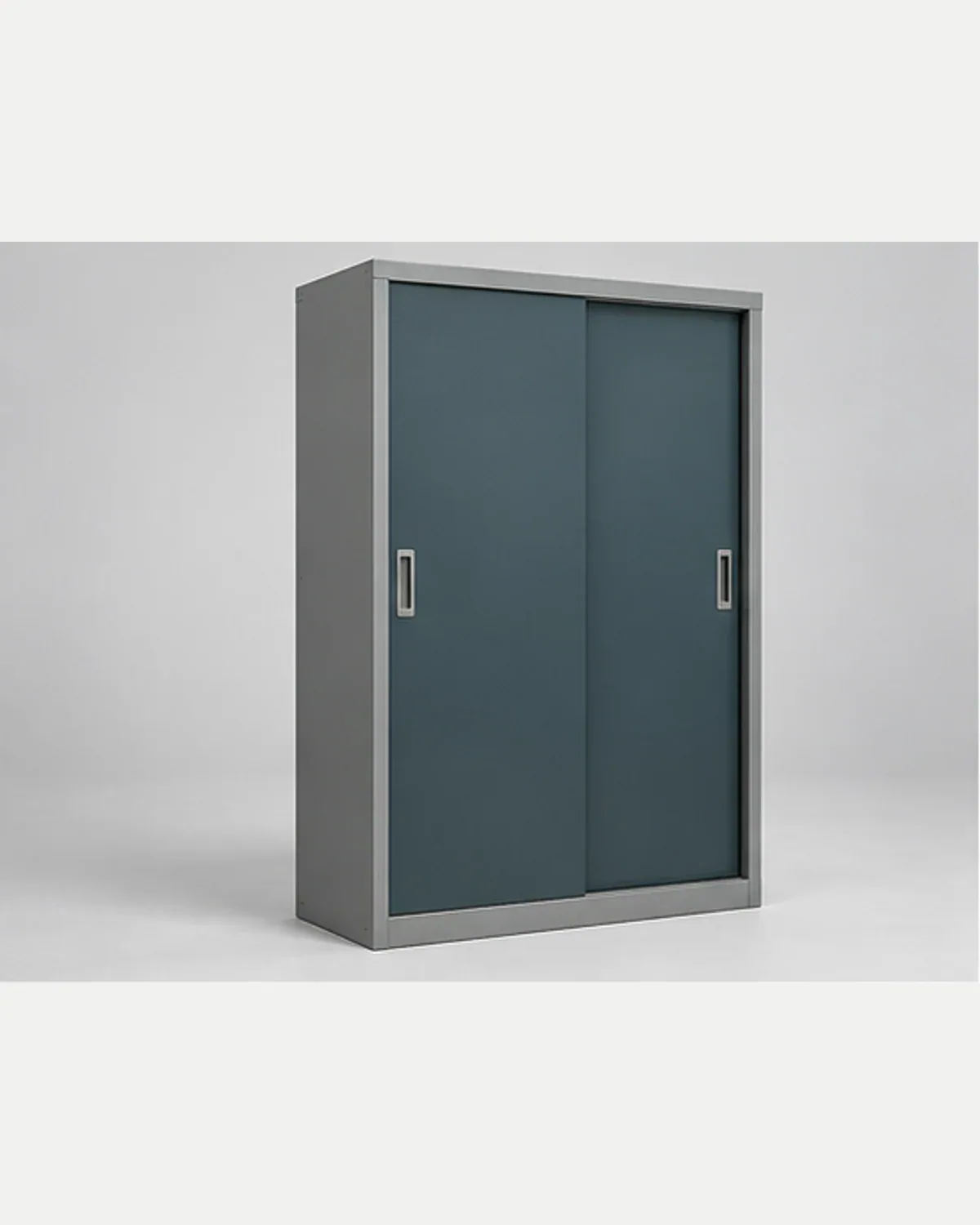
The Double-Door Steel Storage Cabinet and Sliding-Door Steel Cabinet provide different candidate starting points. Request an assembly proposal for the selected candidate rather than transferring assumptions between them. The storage category is a shortlist, not a confirmation that every listed product has the same construction or packing method.
Ask how the proposed arrangement will be represented in drawings, accessory lists and sample approval. If an OEM/ODM change affects a panel, fitting or door arrangement, request confirmation of the effect on assembly and protection. Keep the change visible in the quotation and approval record so that packing is not reviewed against an outdated version.
Compare total scope before choosing a format
Request estimated quantities and destination requirements as separate buyer inputs. Ask the supplier to state the proposed packing, included components, optional work and open issues. The buyer can then examine its own handling, assembly and inspection responsibilities alongside the quoted offer. Do not turn an incomplete price comparison into a claim that one format is universally more economical.
For a commercial project, identify whether furniture reaches a central receiving area or several final locations. Send that route and the completed comparison matrix to the quotation team. An effective next step is an agreed scope for a specific configuration, with any remaining product and commercial details stated explicitly before order confirmation.
Buyer FAQ
Is knock-down construction available for every cabinet?
No availability should be assumed from this guide or a candidate image. Ask for confirmation of the assembly arrangement proposed for the exact product and option set. A different construction request may require drawing, sample and commercial review.
Does an assembled cabinet require no destination work?
Ask which preparation, accessory fitting and installation tasks remain with the receiving team. Product assembly, movement into position and site-specific installation questions should be described separately rather than hidden inside a general delivery label.
How should importers compare the two quotations?
Compare configuration, included components, packing evidence and the work assigned to each party. Then consider the buyer's actual receiving resources. A product-only total cannot resolve differences in destination assembly or inspection responsibilities.