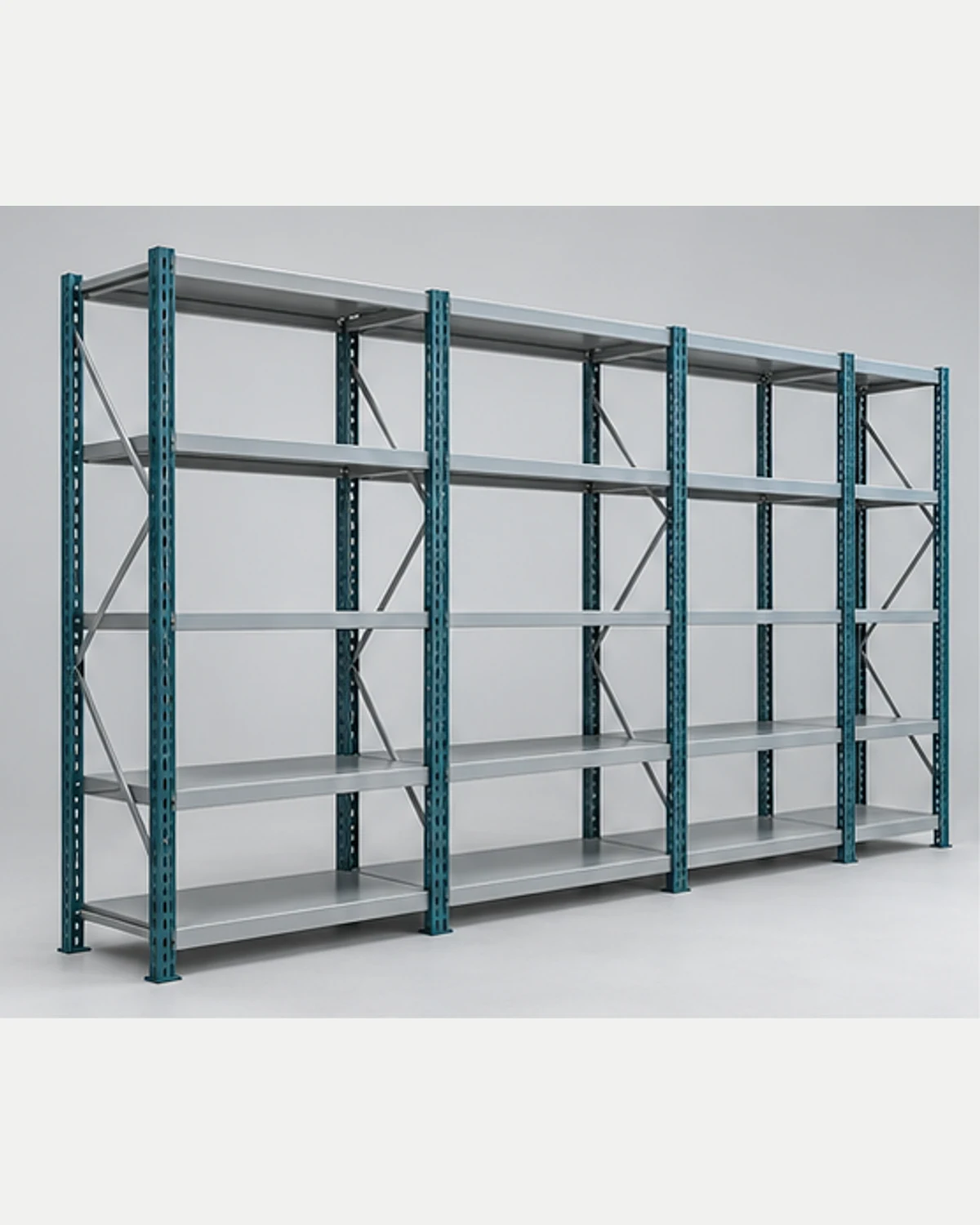

Archive storage projects can involve buyers, product suppliers, site reviewers and installation organizations with different responsibilities. A purchasing brief should show who supplies information, who reviews it and who can accept a decision. This approval matrix focuses on those handovers. It does not describe coordination as ownership of an installation team or assume that a product quotation includes every site service. Model-specific arrangements and commercial responsibilities remain To be confirmed.
Identify decision owners before comparing scope
Ask the buyer to distinguish the records owner, procurement contact, site-information owner and the role responsible for competent technical review. These roles may be held by different people or organizations. Use practical responsibilities rather than a list of names where personal information is not needed for the initial proposal.
Ask the supplier to state its proposed product and coordination scope. If installation or another destination service is offered by a separate party, identify that boundary. An unexplained phrase such as complete solution should not replace a list of what is included, what is excluded and who remains responsible for the unresolved work.
Define what counts as an approval
Record the reference being reviewed, the decision owner and the outcome. Acknowledging receipt of a drawing is different from accepting it for a particular purpose. The purchasing record should say what the decision covers so that a later team does not interpret a general email as approval of every product or site condition.
Use an approval and handover matrix
| Project stage | Information to transfer | Decision to assign |
|---|---|---|
| Collection brief | Formats, containers and retrieval needs | Buyer acceptance of the storage requirement |
| Product proposal | Candidate configuration and open assumptions | Review of the proposed product scope |
| Site review | Current drawings and relevant conditions | Competent assessment and required approvals |
| Revision | Marked changes and affected references | Acceptance of the revised basis |
| Installation | Agreed instructions and responsibilities | Confirmation of who performs and checks the work |
| Handover | Product records and unresolved issues | Acceptance scope and outstanding actions |
The matrix does not predetermine who is qualified to make a technical decision. The buyer must arrange the relevant competent assessment and identify responsibilities appropriate to its project. Record a missing role as an open issue instead of quietly transferring it to the supplier.
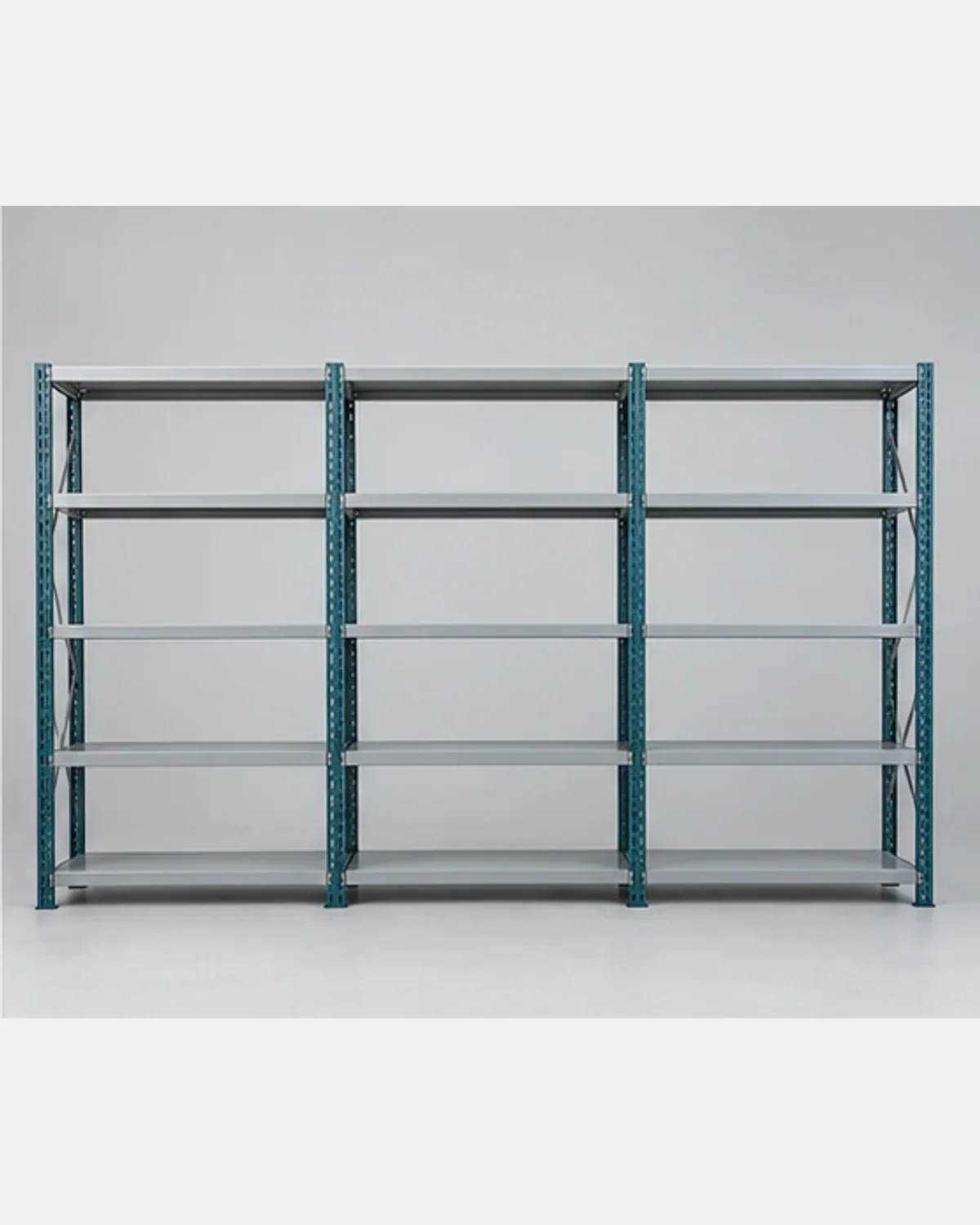
Keep drawing revisions connected to decisions
An OEM/ODM change may affect configuration, access, product information or site assumptions. Ask the proposal owner to identify the changes and which earlier conclusions may no longer apply. Keep a record of superseded references without allowing them to compete with the current order basis.
If only part of a proposal is approved, state that boundary. A buyer may accept a collection grouping while still awaiting a site assessment or product-specific evidence. Procurement should not turn this partial progress into an assertion that the entire installation has been accepted for manufacture or use.
Distinguish candidate products from a complete project
The Archive Shelving System and Manual Mobile Shelving System are candidate references, not ready-made site approvals. Ask which drawings, product information and installation arrangements would apply to the proposed configuration. Use the archive category to develop a shortlist without inferring fixed capacities or service commitments.
For a public-sector project, identify the buyer's formal review and document requirements. Discuss them as requirements to be addressed, not as evidence that a candidate already has a particular certification or that the supplier has delivered a similar government project.

Plan handover before the delivery discussion
Ask which documents and records the receiving organization needs to connect delivered references to the current approved configuration. Distinguish arrival checks, product preparation, site installation and later acceptance decisions. Record who maintains the current product information and who coordinates clarification of open matters.
A handover record should identify unresolved work without inventing a service warranty, replacement promise or response deadline. Those conditions need an explicit commercial agreement. Keeping the issue list visible is more useful than declaring a project complete simply because equipment or packages have arrived.
Send a scope-focused procurement request
Attach the responsibility matrix, collection brief, candidate references, estimated quantities and destination. Identify which assessments are available and which remain pending. Ask the procurement team for a proposal that respects those boundaries and lists the information needed for the next review.
The goal is a coordinated approval path with traceable decisions. Product development, manufacturing coordination and export preparation can be discussed without pretending that all site professions, installation organizations or technical approvals belong to one company. Clear boundaries help the buyer understand what it is actually purchasing.
Buyer FAQ
Can a supplier's product drawing approve the actual site?
Do not assume that it does. Ask what the drawing represents and what site information it uses. The buyer should identify the competent review and approval responsibilities needed for the actual installation rather than treat a product drawing as every required assessment.
How should a partial approval be recorded?
Identify the accepted reference and the scope of the decision, together with remaining questions. Acknowledging one layout element should not automatically release unrelated product, site or commercial assumptions. Keep the distinction visible in the order preparation record.
Does coordination mean installation is included?
Not necessarily. Ask the quotation to name the services and information included, the parties performing them and the exclusions. Manufacturing or order coordination should not be described as ownership of an installation organization or a universal site-service commitment.