Archive shelving selection requires both a record-storage brief and suitable assessment of the actual site. The size of a box is relevant, but it does not by itself determine shelf suitability, floor loading or an installation arrangement. For importers and project procurement teams, the useful early task is to prepare the information that competent reviewers and suppliers need. This guide does not publish structural capacities or convert another organization's storage guidance into a LEADTOP product specification.
Describe the records and their containers
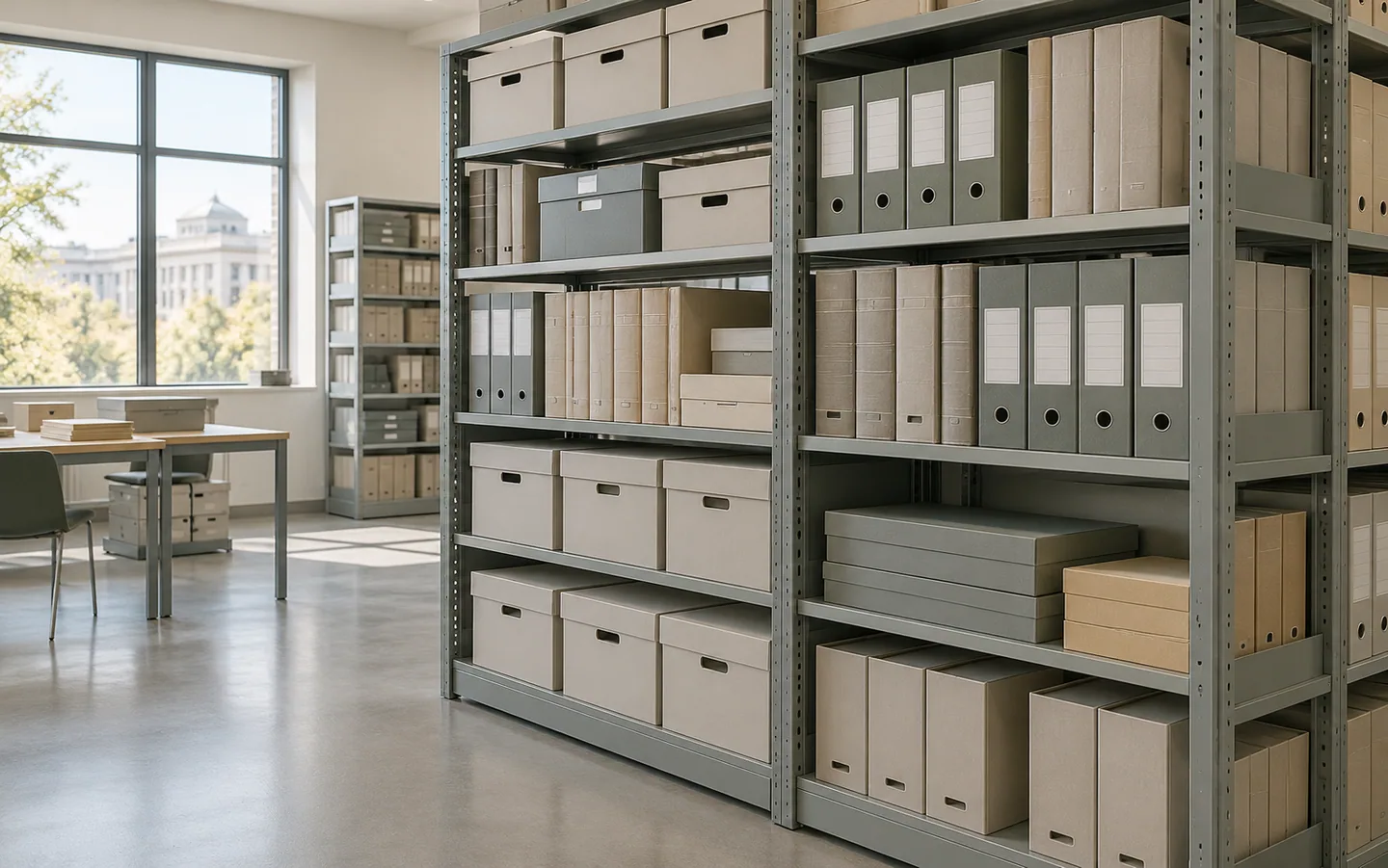
Identify representative boxes, bound material and other formats in the collection. Record the container in its stored condition, including labels and any protective housing that affects the usable envelope. Distinguish regularly retrieved records from material accessed occasionally. Do not include confidential record contents where non-sensitive format descriptions and blank examples can explain the physical requirement.
Ask the records team which materials should be kept together and what changes are reasonably expected. The supplier's proposal should identify the collection assumptions it addresses. A fit discussion for a limited set of boxes should not become a statement that all future archival material will be suitable for the same storage arrangement.
Keep preservation requirements distinct
If the collection has particular preservation or environmental requirements, record them and identify the appropriate review owner. A steel construction label or product image does not establish preservation performance. Request relevant material and product information without presenting a general furniture description as an archival approval.
Prepare inputs for the site review
Record available room drawings, access routes, obstructions and the proposed storage area. Ask the buyer to identify who will arrange competent assessment of the site and interpret the relevant requirements. The product proposal and the actual site conditions need to be considered together; neither an estimated box count nor an overall room area is a substitute for that review.
The Washington State Archives shelving guidance provides useful background on choosing storage and considering floor and shelf capacity. Its advice is not a model rating, a design for an unknown site or confirmation of any candidate product in this catalog. Do not transfer a numeric value from such guidance into a LEADTOP specification.
Use an assessment-input worksheet
| Input area | Buyer record | Review or proposal needed |
|---|---|---|
| Collection | Formats and representative containers | Usable storage arrangement |
| Retrieval | Access frequency and handling routine | Proposed access and allocation |
| Site | Drawings, locations and known constraints | Competent site assessment |
| Requirements | Applicable preservation or performance needs | Evidence and approval owner |
| Product | Candidate and configuration references | Relevant drawings and information |
| Responsibility | Buyer, supplier and installation roles | Agreed boundaries and open actions |
Keep unresolved conditions explicit. Retain the competent reviewer scope and outstanding questions with the purchase file. The worksheet should help the reviewer request missing information, not encourage a purchasing team to calculate or approve structural suitability without the appropriate expertise and evidence.
Compare candidate storage approaches
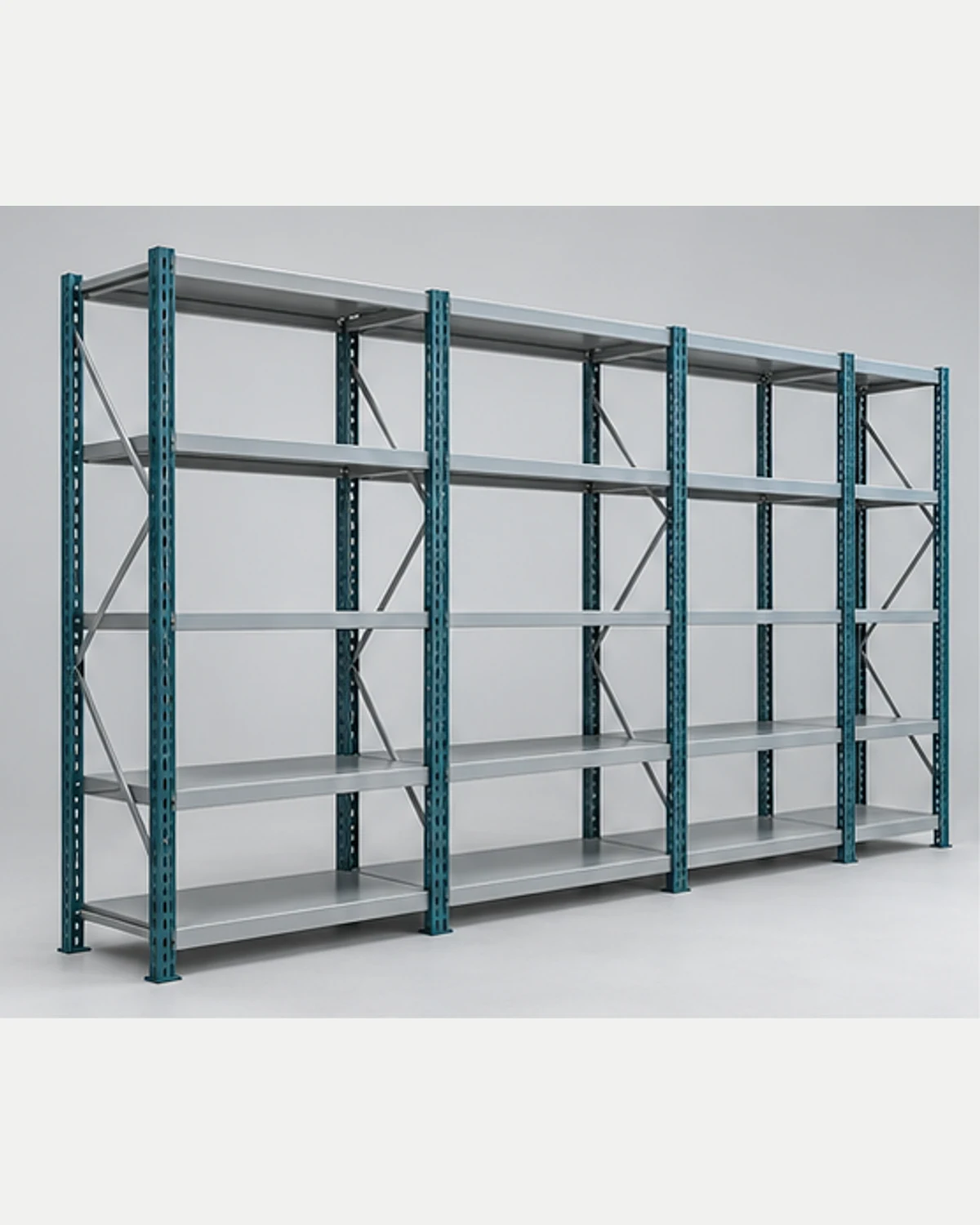
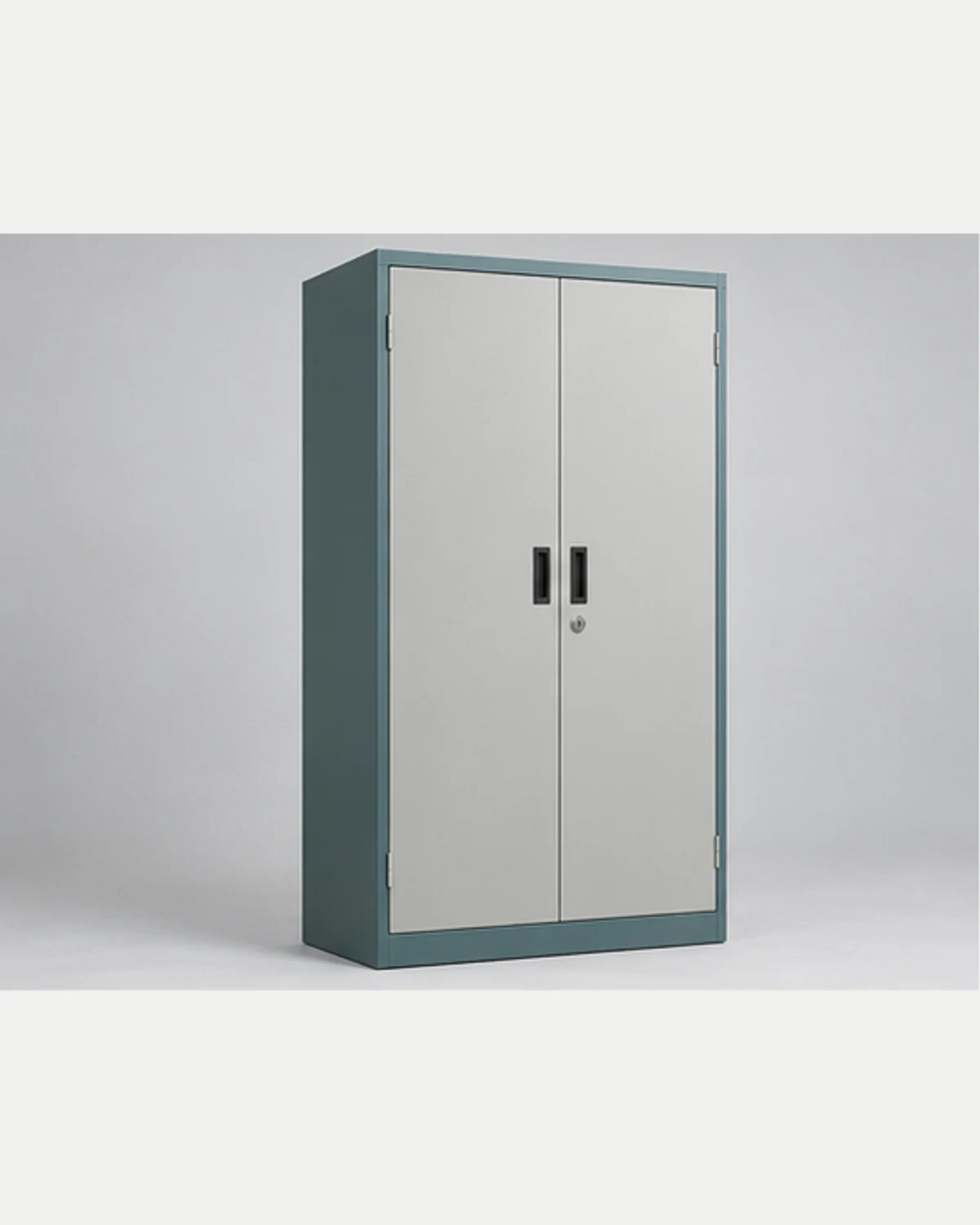
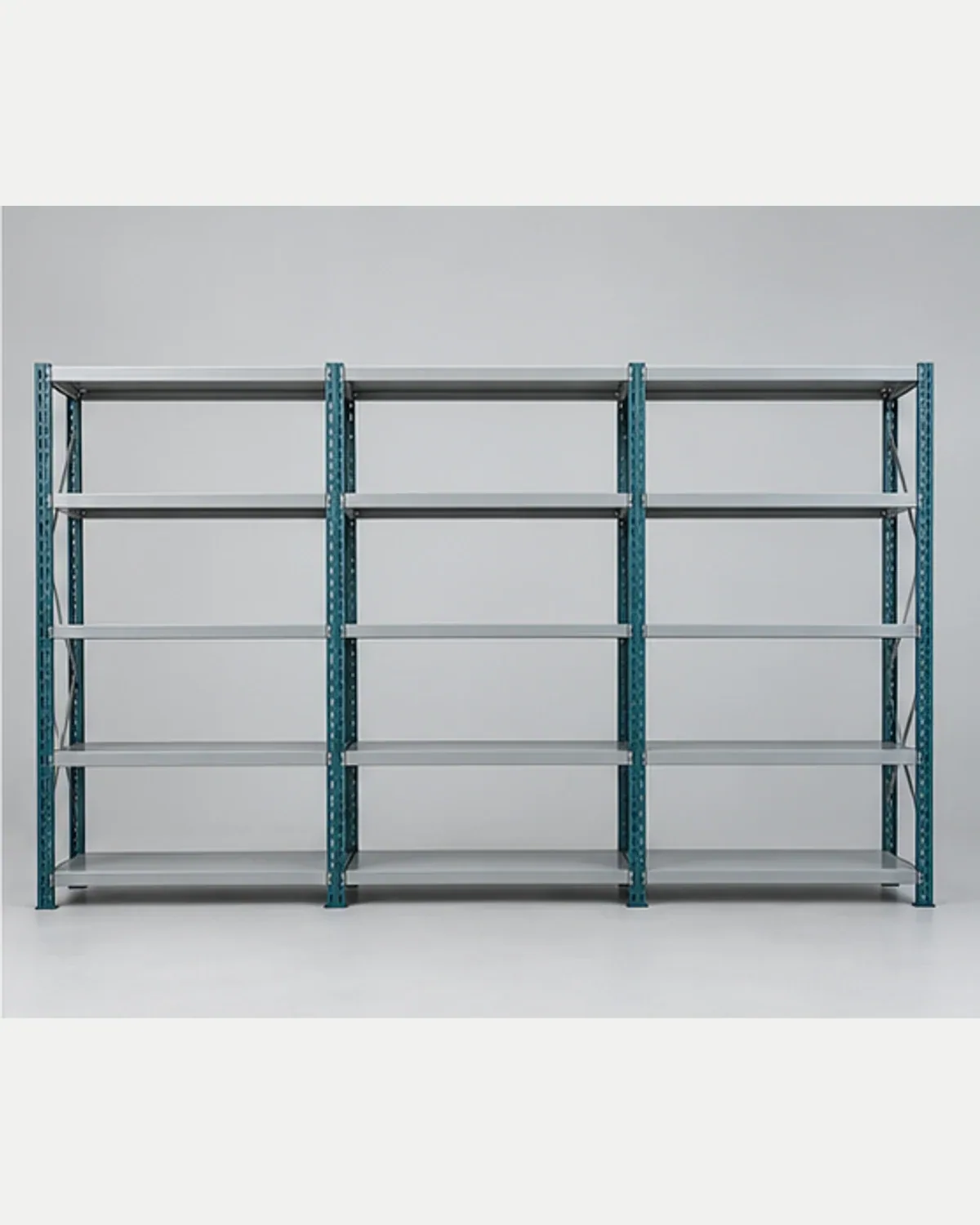
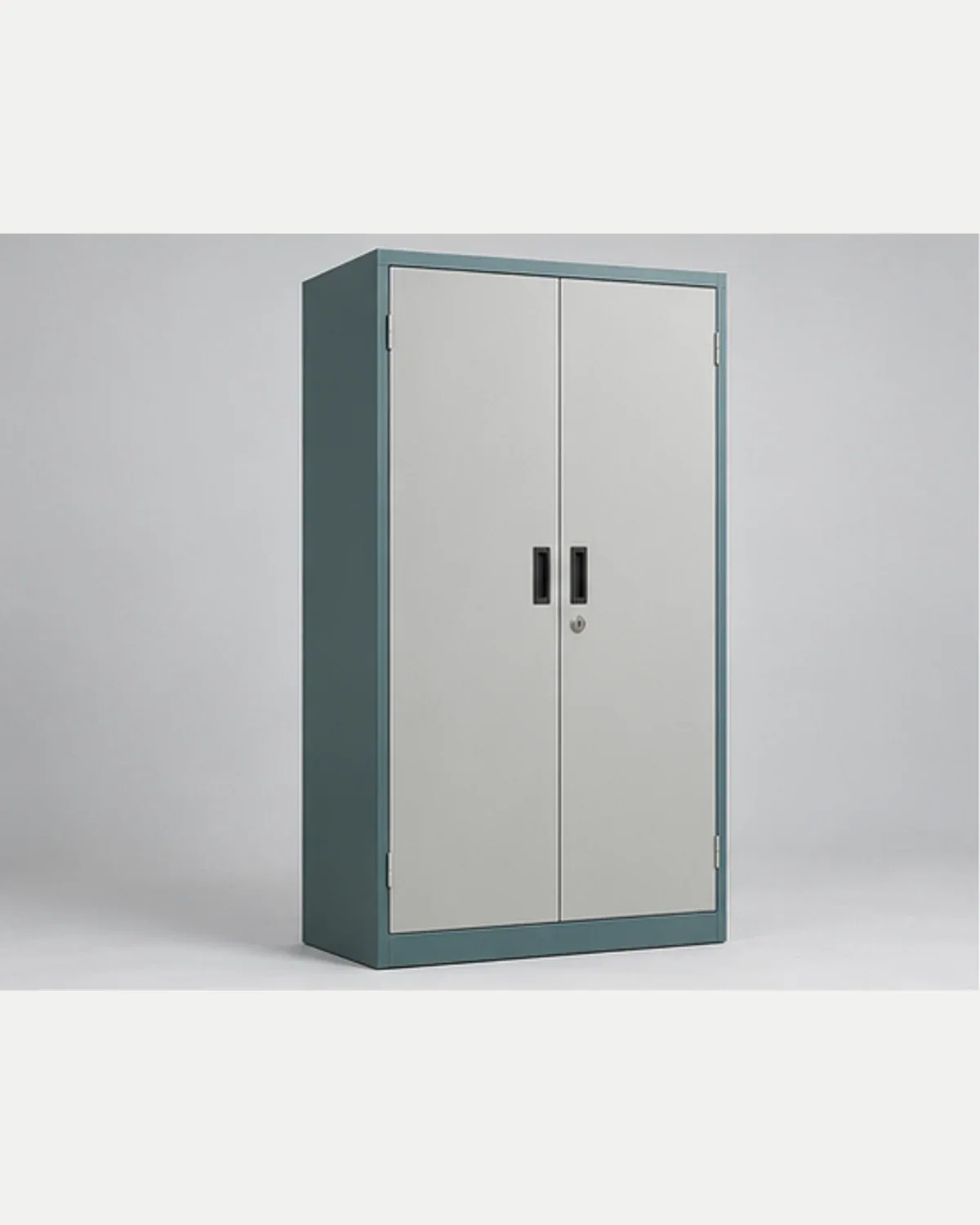
The Archive Shelving System and Steel Archive Cabinet represent different candidate discussions. Confirm their proposed arrangement and relevant product information before describing them as alternatives for a specific collection or site. The archive storage category is a shortlist rather than a verified design library.
For government and public-sector applications, the buyer may have a formal approval process or documented records requirements. Identify those requirements in the brief and ask the respondent to state what supporting information can be provided. Do not imply government endorsement, special certification or an existing public-sector delivery case.
Connect technical review to the purchasing decision
Ask for a proposal that identifies the configuration, the assumptions behind it and any information still needed. Keep commercial quantities, destination requirements and proposed packing separate from confirmation of site suitability. If an OEM/ODM modification is requested, explain how the storage requirement changes and ask which drawings or assessments need revision.
Send the completed input worksheet to the procurement team. Request a staged clarification process rather than an unsupported statement that the proposed system will suit every archive. Model-specific dimensions, materials, capacities, preservation claims and installation requirements remain To be confirmed before they can be used in order commitments or published product information.
Buyer FAQ
Can the buyer estimate floor suitability from a box count?
Do not use a count as a substitute for competent assessment of the actual site and proposed arrangement. Record the collection and room information, identify the responsible reviewer and ask what further evidence is needed before accepting the configuration.
Does a steel archive product name establish preservation suitability?
No. Identify the collection's applicable requirements and request relevant product and material information. A catalog description or illustrative image cannot replace the review needed for a particular archive, environment or records policy.
Which information helps the first supplier discussion?
Provide representative container formats, retrieval routines, available site drawings, candidate references and the approval responsibilities already known. Mark missing assessments and product details clearly so the proposal does not quietly assume that those questions have been resolved.